Posted by Kanga.
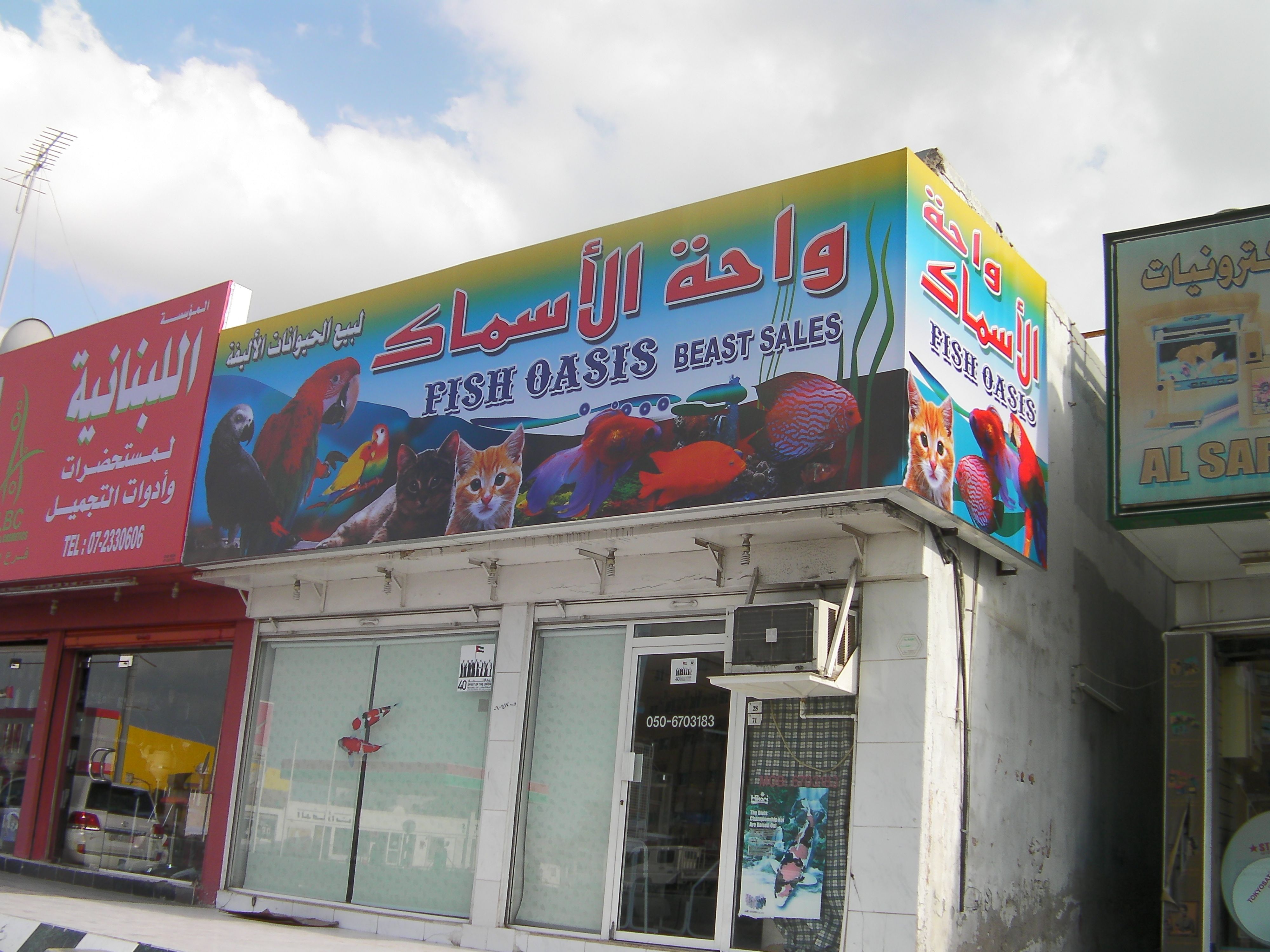
This sign caught my eye. That orange tabby looks like quite the beast.

Posted by Kanga.
This sign caught my eye. That orange tabby looks like quite the beast.
Posted by Kanga.
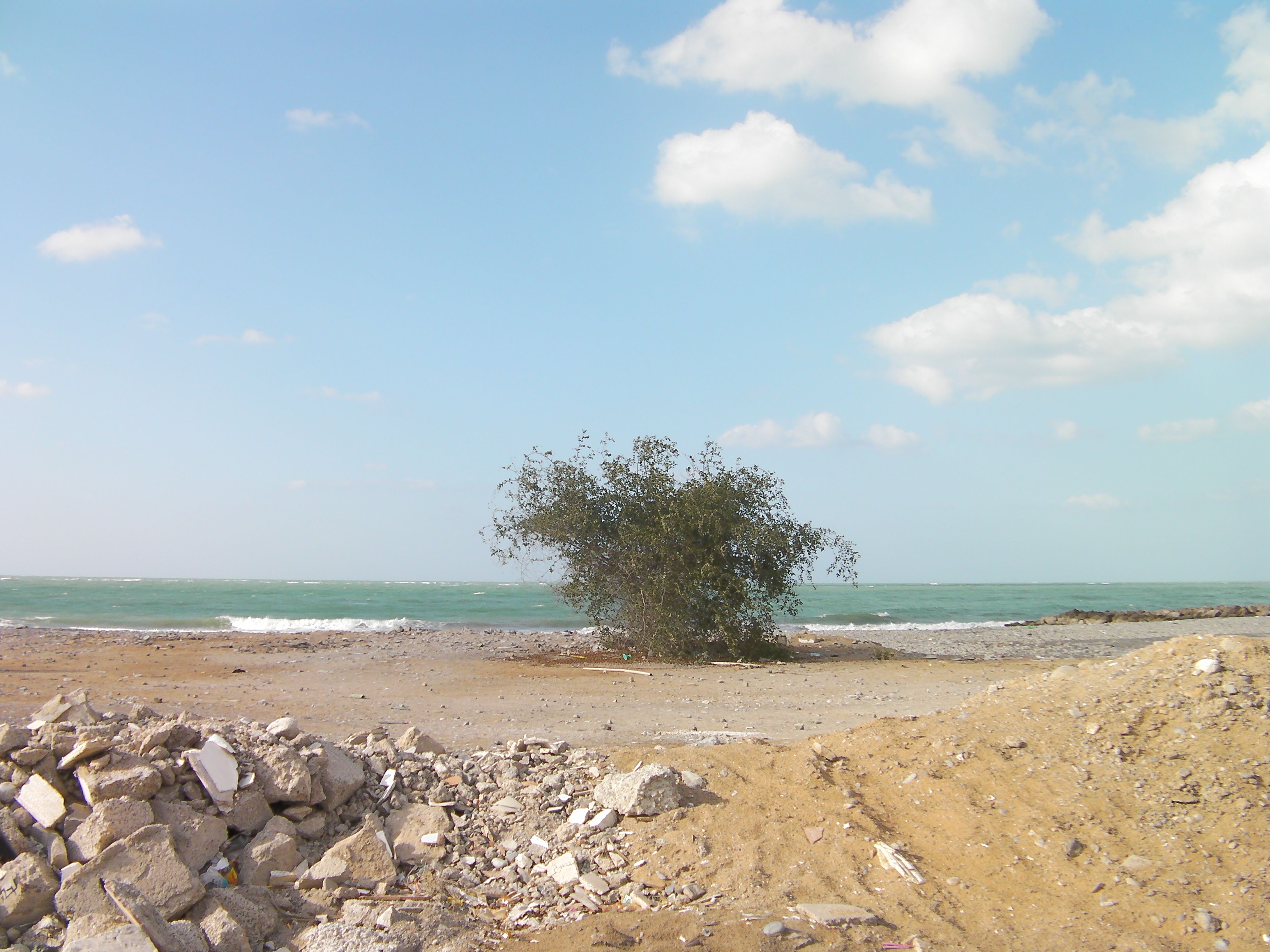
This picture was taken in Ras Al Khaimah. It isn’t related to what follows, but I liked it and just thought I’d post it for your viewing pleasure.
I work with students who are learning the English language as a second language. 100% of the students, not just a small percentage. I have no training in teaching English as a first or second language. As a librarian, teaching the language is not my task, but in attempting to get the students to read English materials, I cannot escape some of the challenges of learning the language.
I’ve always known that English is a difficult language full of exceptions to the rules. I before E, except after C, and a lot of other exceptions like weird, forfeit, vein, etc.
This week it was contractions – can not into can’t, are not into aren’t, etc. Being someone who probably thinks too much, I began to ponder why do we do this in this manner and who decided that the laziness of speech should be noted in written form. Why not just write “cant” and “wont” and “arent” and “wouldnt”, etc. I suppose because some of these would be confused with other words, like cant and wont, although context ought to indicate which meaning is appropriate. And, why not spell woodnt and shoodnt? Why bother with “ould” which is not very phonetic.
It is no wonder that Globish is becoming so prevalent. Arabic, for example, lacks definite and indefinite articles. It seems perfectly natural to say “Miss, I want pen” instead of “Miss, I need a pen.” Actually, it is often just “Miss, pen” or “pen.” There is also “Miss, I want paper.” Which really means “I need a piece of paper” not “I need a ream of paper.”
[Correction – there is a definite article in Arabic – Al. I should know better than to write about things I don’t really know about.]
Posted by Kanga.
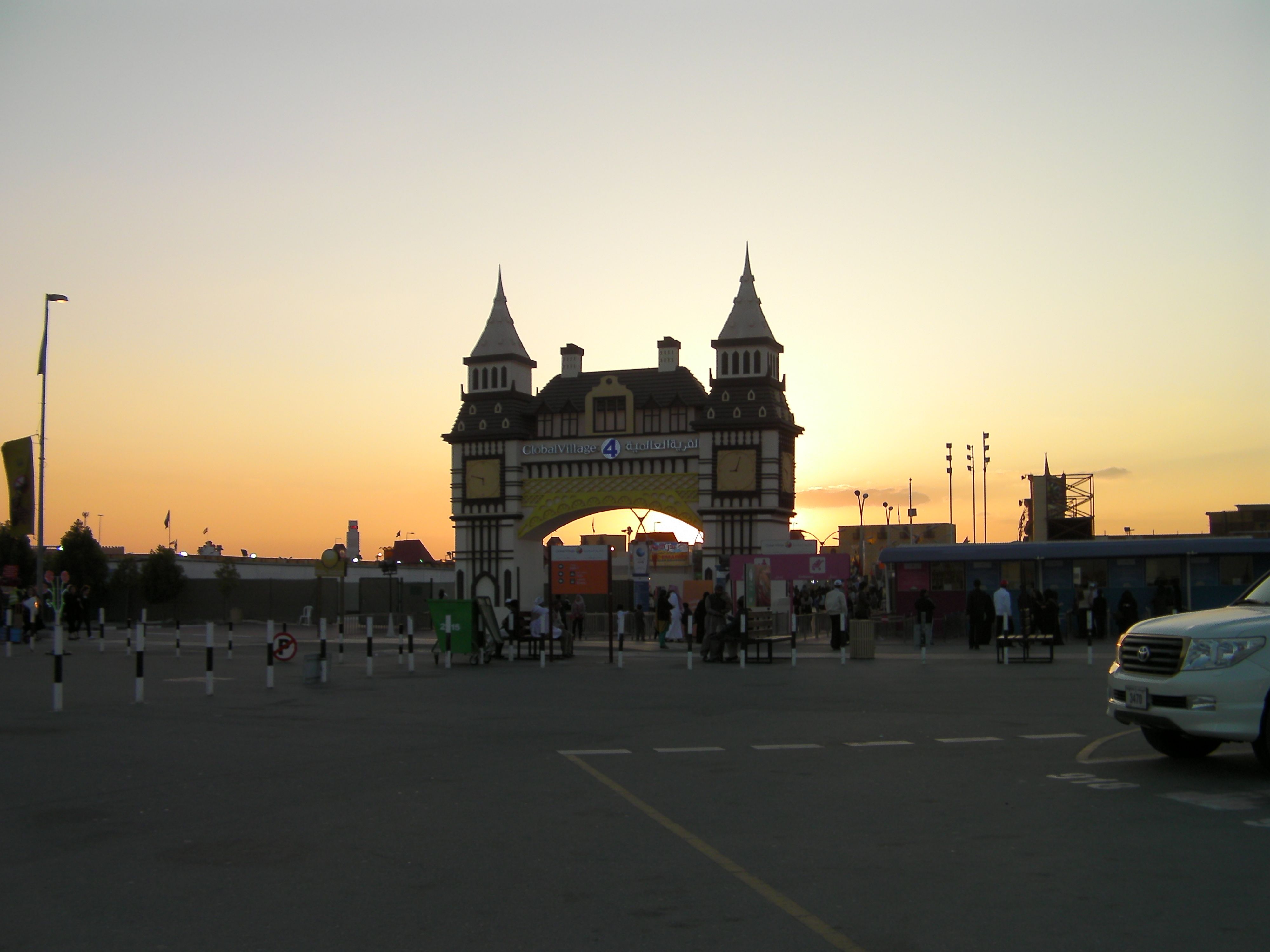
We recently visited Global Village. We were impressed to see some new developments, namely an information booth close to the gate including maps of the village and someone to help you find what you are looking for.
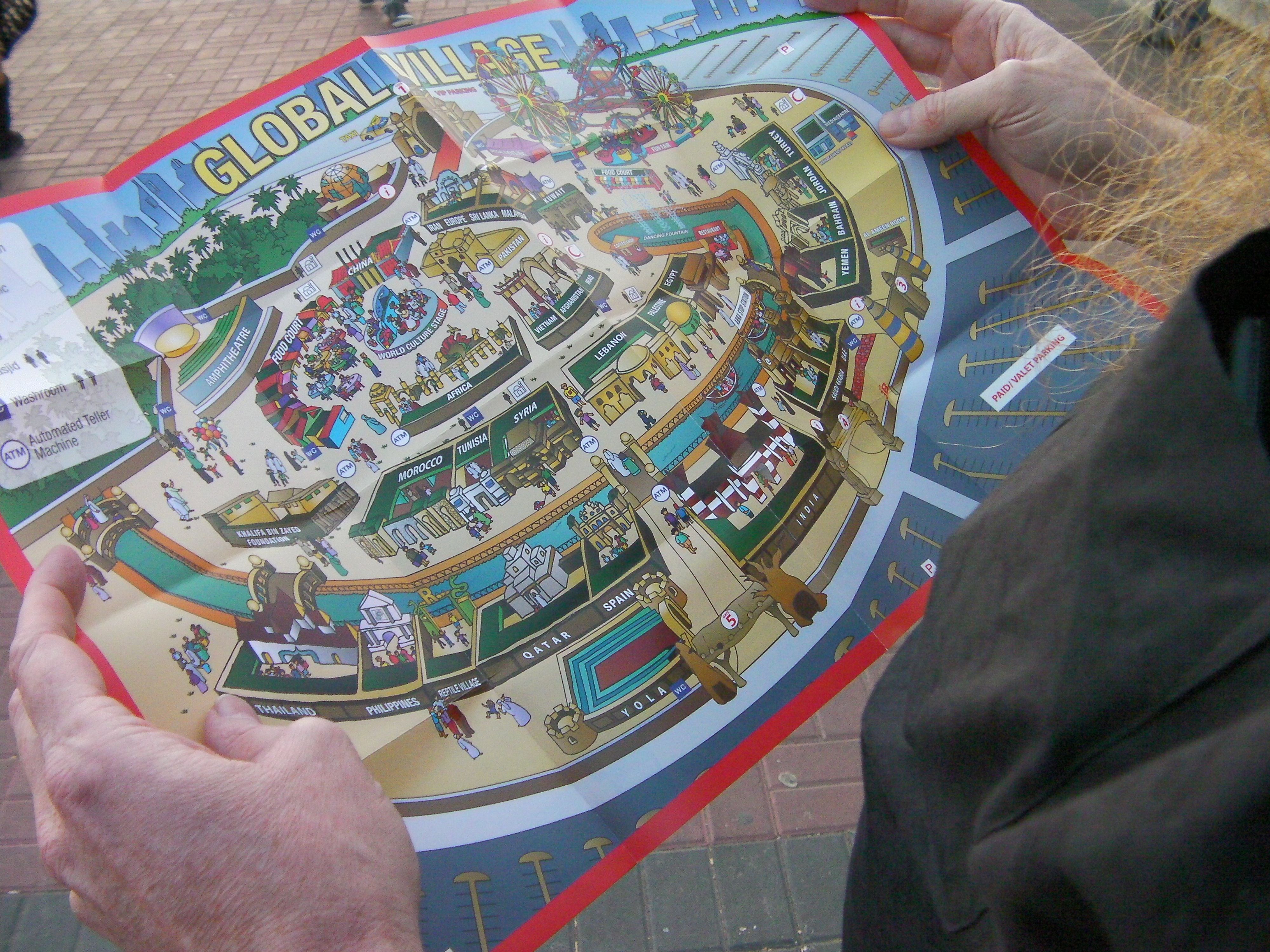
In addition to that, there are paper maps you can take with you. (If you are not familiar with Global Village, it combines amusement park rides with international shopping and food booths.)
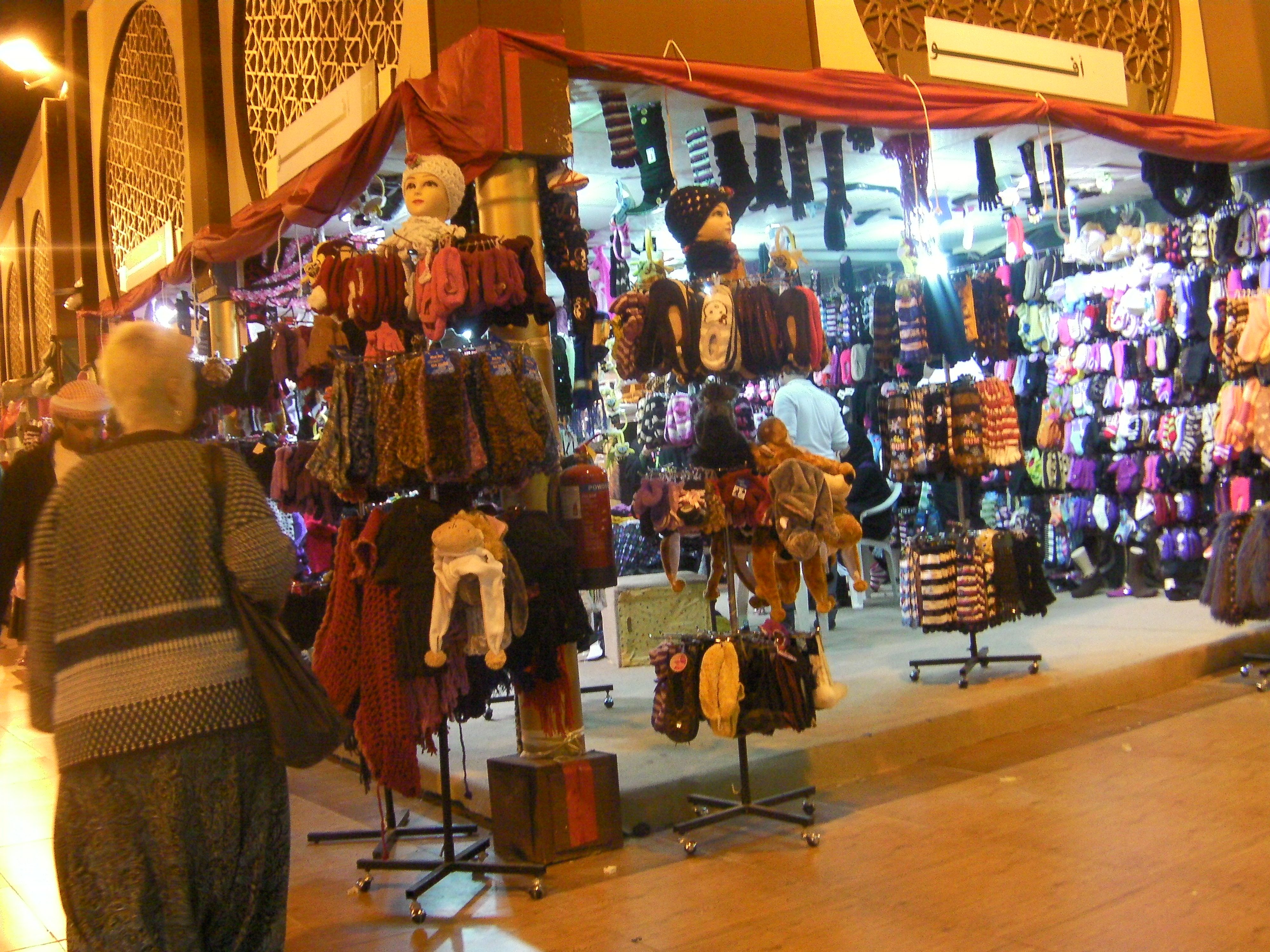
You can tell it is the midst of winter from this booth selling stocking caps, scarves, gloves and mittens. Average daily temperatures are 70-75F. It’s cold! It’s amusing for us to be walking around in our shirt sleeves enjoying the cool evening while passing people in down coats, caps and scarves.
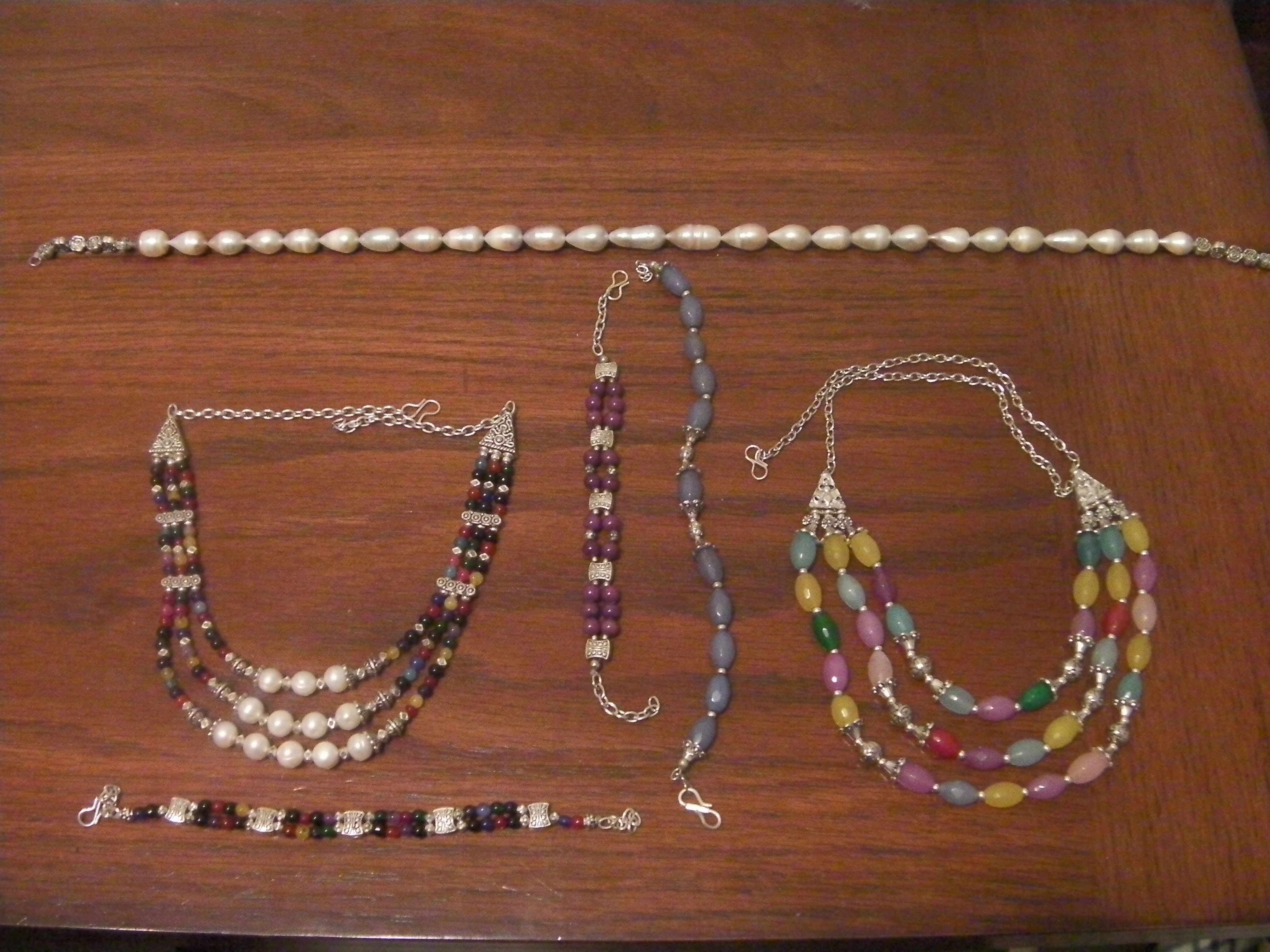
Our favorite pavilion is Yemen. The booths are mainly spices, honey, and jewelry. They have the most beautiful jewelry. In the past two years I’ve bought pearls (white & black), garnets, turquoise, lapis lazuli, and jade. This year I just picked up a few colored stone pieces and one pearl necklace. The sellers remember us, especially because we have never been comfortable haggling and usually pay way too much. Last year, I bought nine pieces at one booth taking all my cash and putting an end to the shopping. We knew immediately that we had paid too much, because they began to add “gifts” to our purchases.
This year was different. First, we went to several booths, ending at the booth where we have dropped all our money in the past. I bought only what I really liked and haggled at least a little for everything, except the bluish tear drop shaped pearls (first price was 50 AED/$13.61 US).
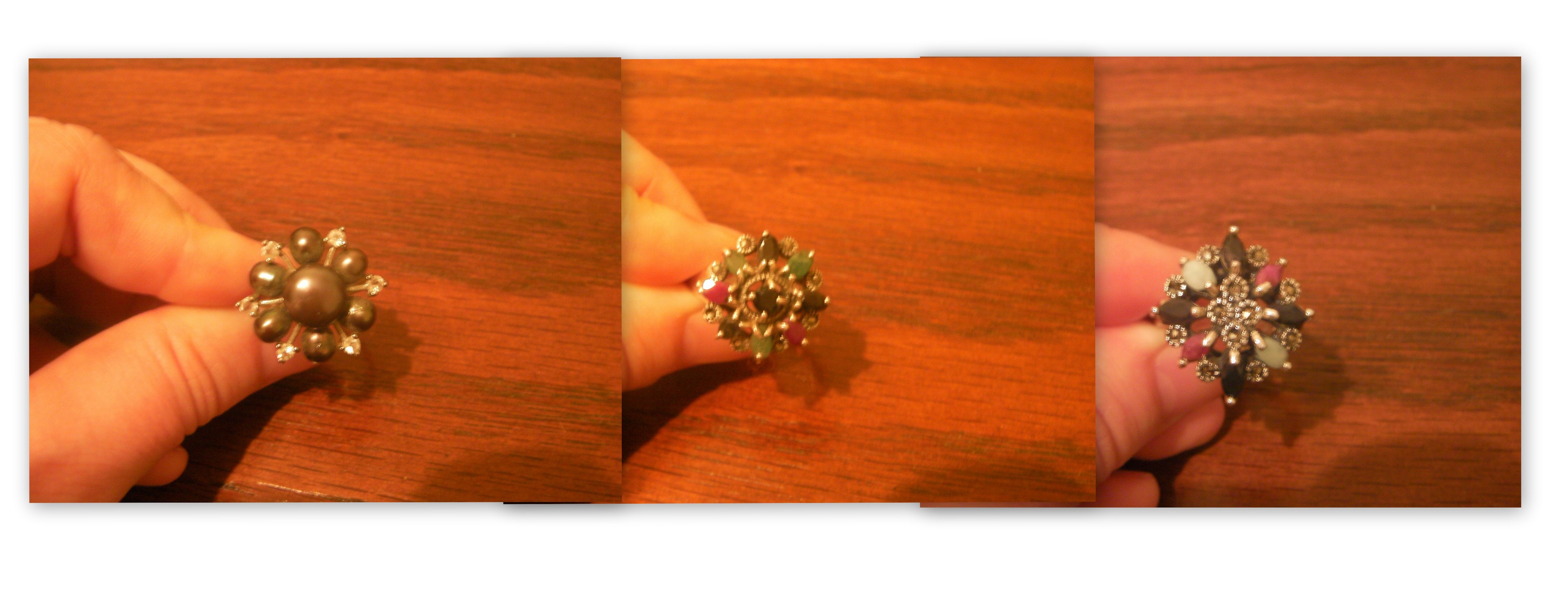
I have a weak spot for rings. The first one is costume jewelry. Cost me a whopping 20 AED ($5.45 US) The black pearls are real, but the setting is cheapo. The other two are silver settings, so will last longer. The stones are onyx, emerald and ruby (according to the seller) although obviously not large or high quality stones. They cost me $49.00 and $54.00. Probably still too much, but I can live with it.
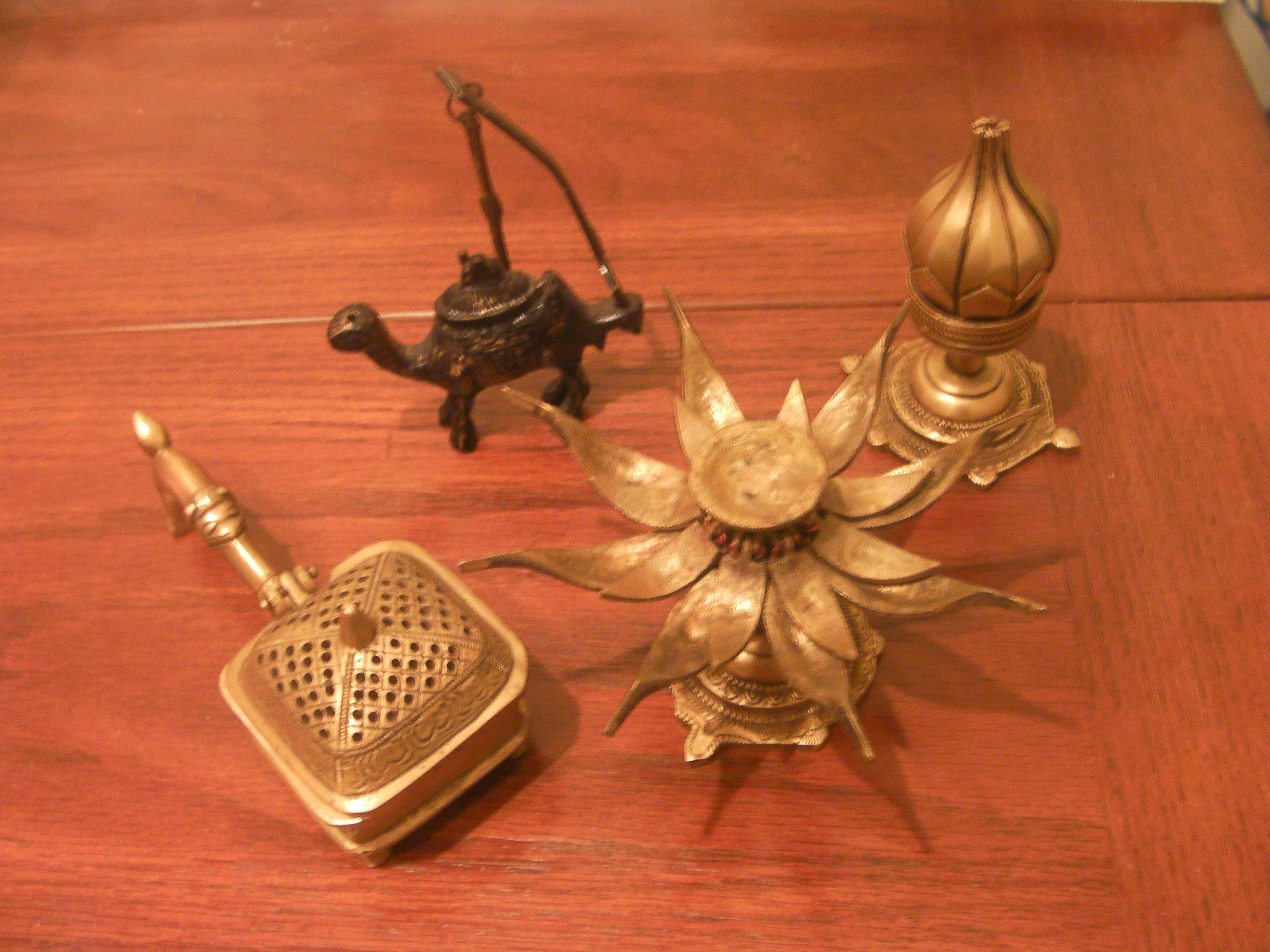
The above four pieces were bought by DaddyBird. The square piece is an incense burner. The camel is a small oil lamp. The other two pieces are candle holders (could be used for incense). They can be closed up for easy travel and opened for use. The starting price for all four was 2,200 AED and DaddyBird spent quite a bit of time and stubbornness haggling the price down to 400 AED (approximately $27.00 each). Is it a bargain? Maybe not, but pretty good for a first serious attempt in haggling.
The sellers seem to enjoy the haggling process. It seems to make them happy that we argue with them and make counter offers. We are definitely not pros at it, yet, but we’ve made a start.
Posted by Kanga.
Our visit to the Pearls Museum included persistent encouragement to have dinner at Akoya, the Japanese style restaurant also owned by RAK Pearls Holding LLC.
When the pearls are harvested, the remaining oyster meat is sent to the restaurant. In the past, when pearls were harvested by divers, the shells and meat were tossed overboard. Only the pearls were saved. The pearl farm is more environmentally conscientious and makes use of all parts of the oyster.
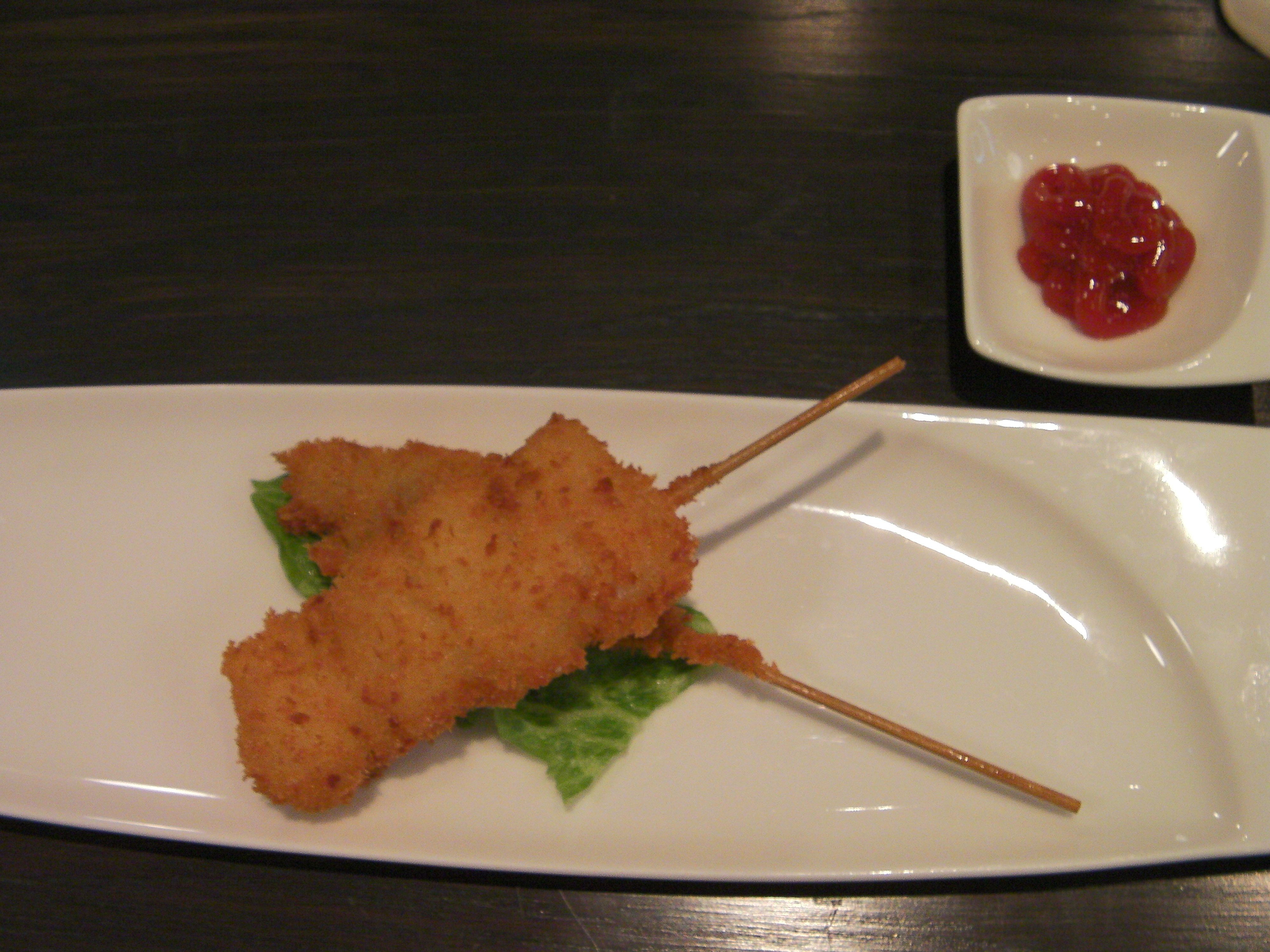
We started with a breaded skewer.
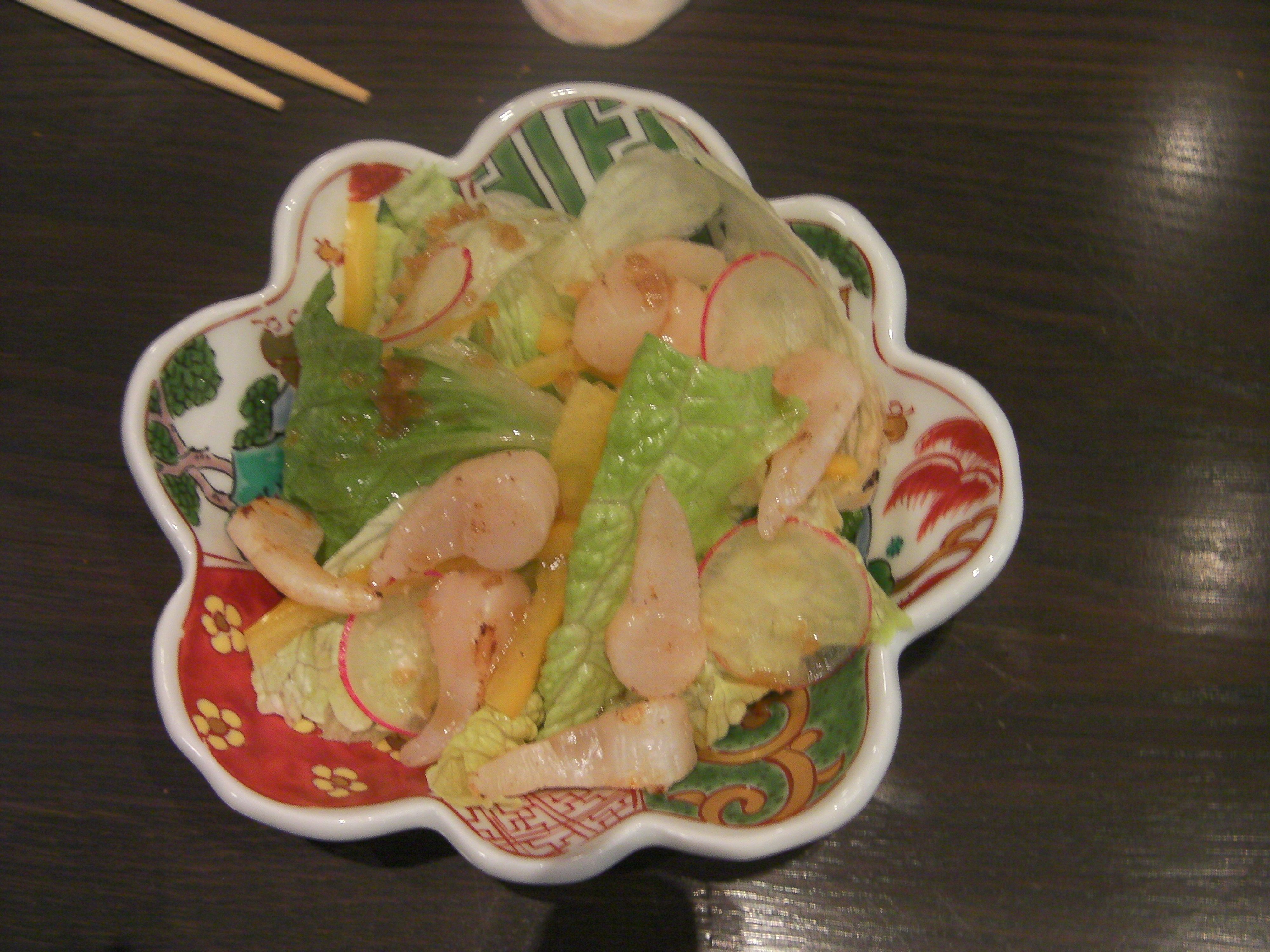
A lovely salad.
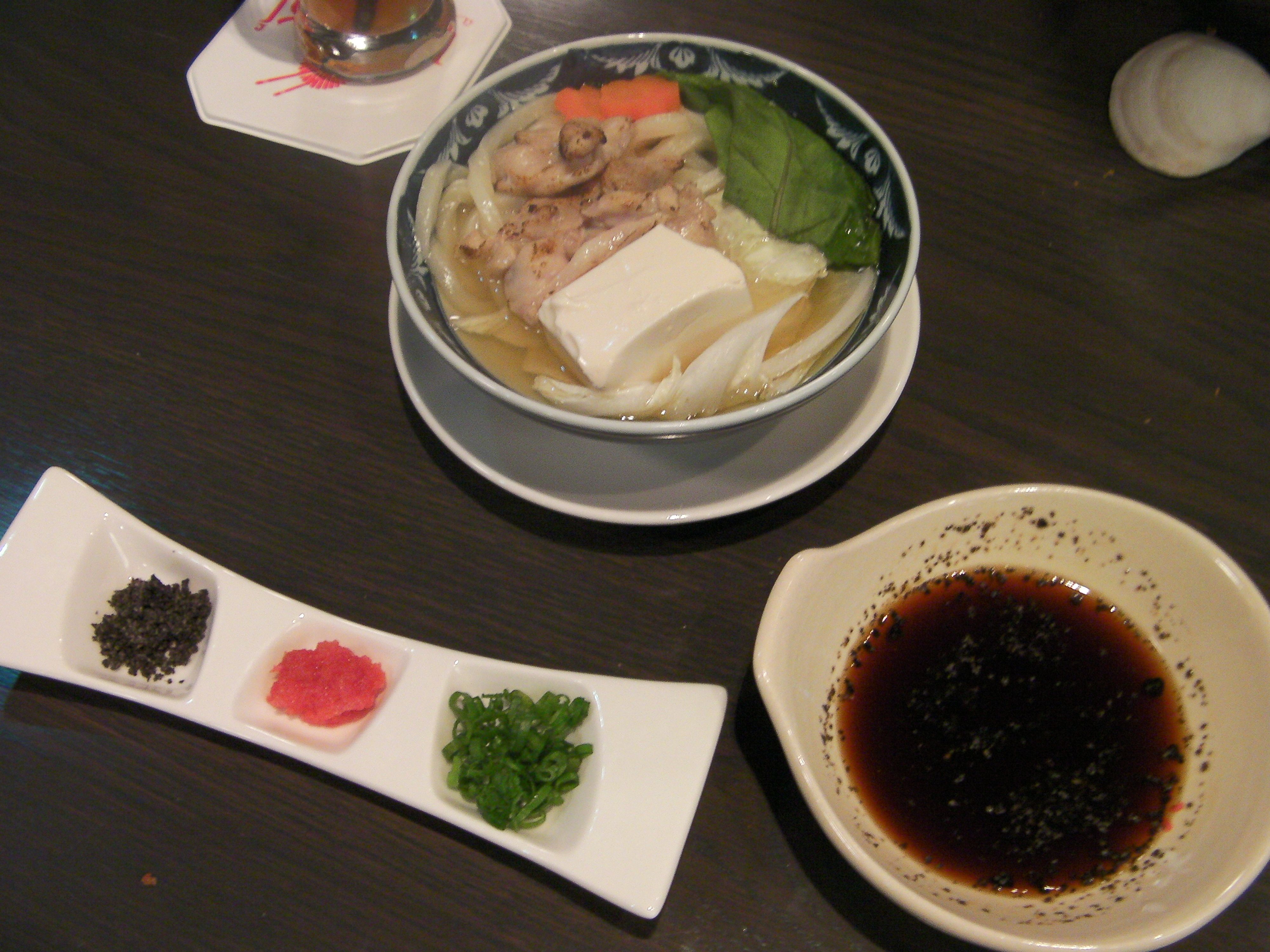
Udon soup.
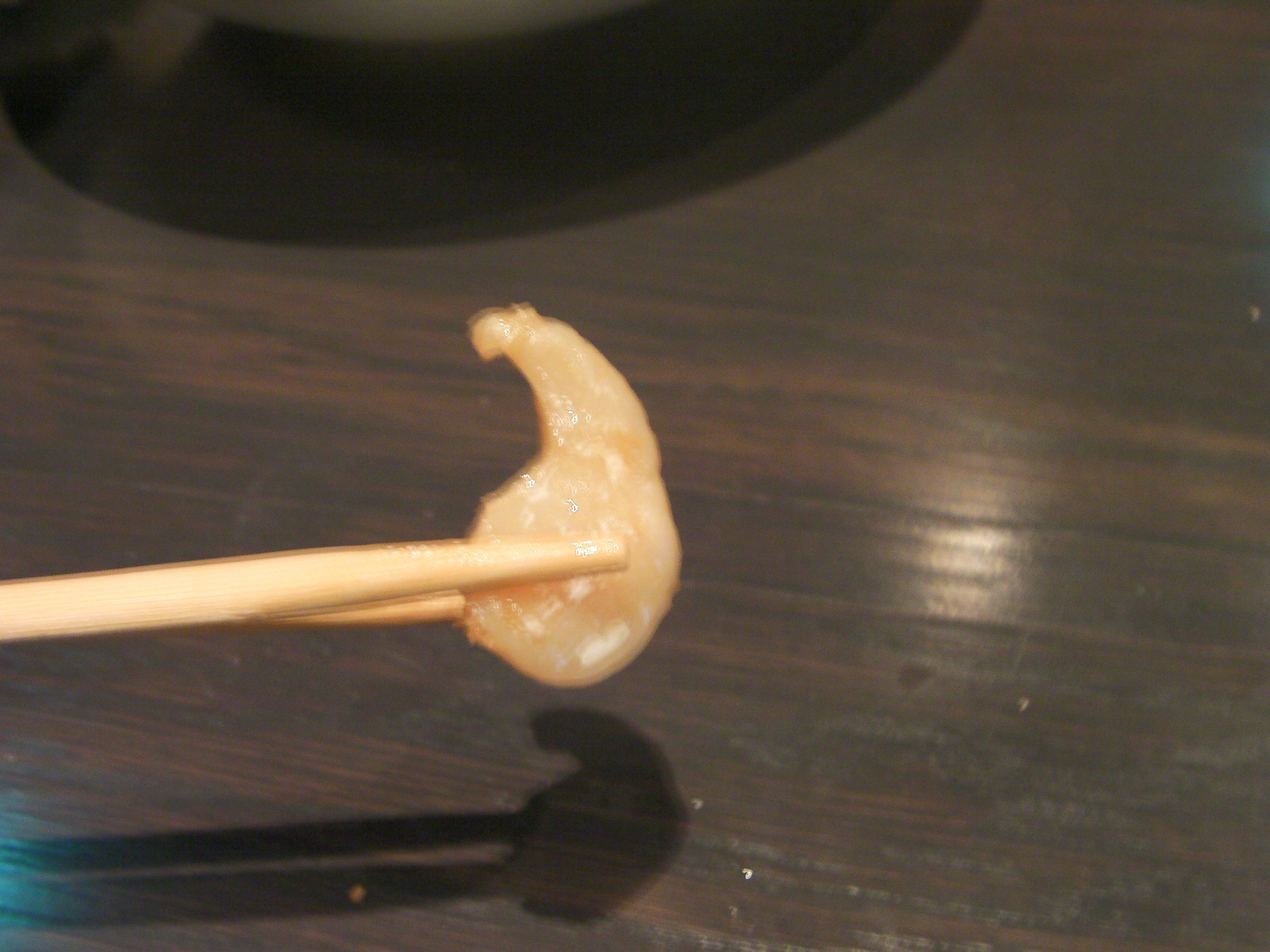
They use only the muscular part of the oyster, not the whole oyster which is what I’m used to. This is much more appetizing and it is like eating little paisleys.
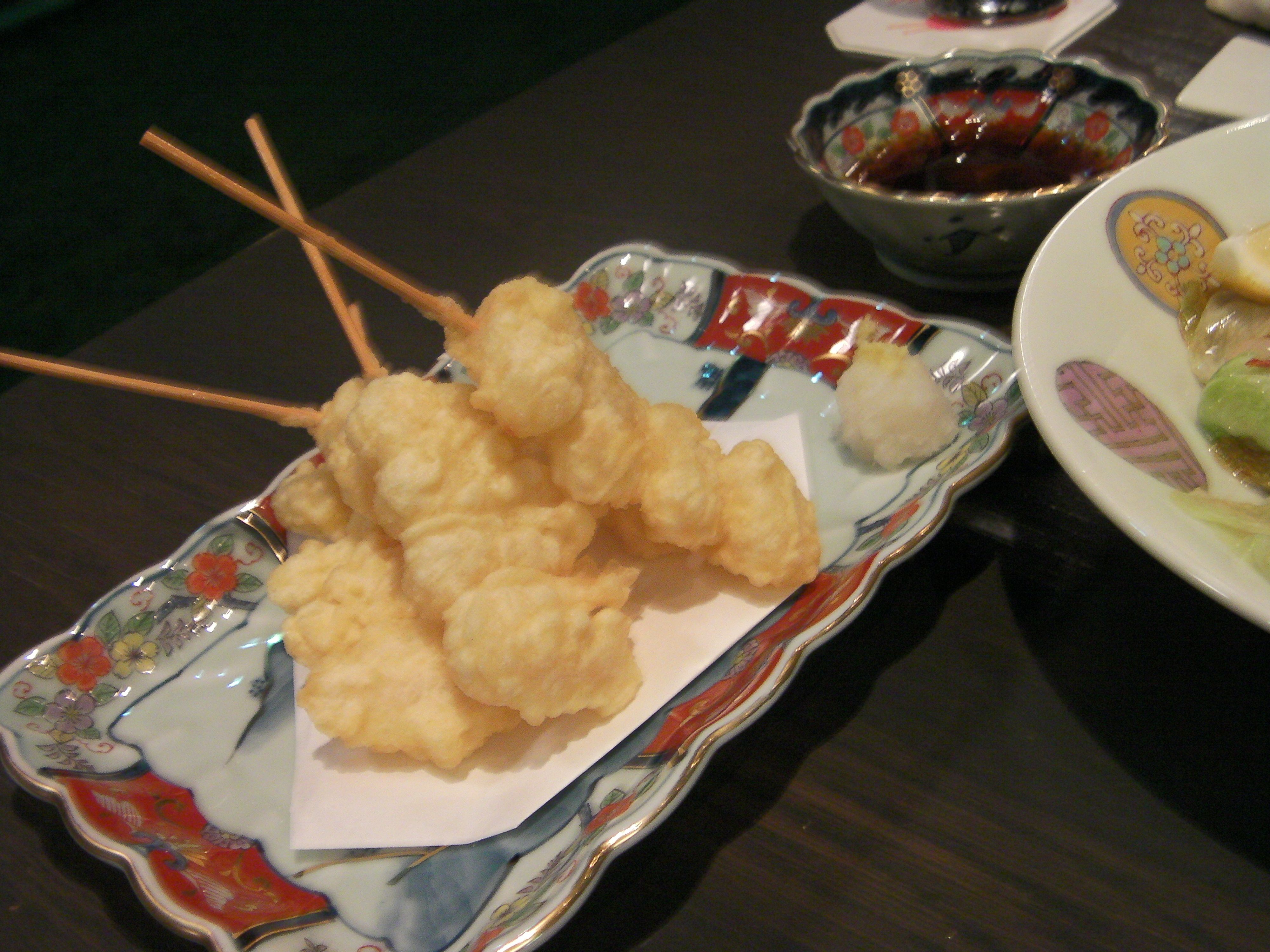
Just when you think they may have run out of ways to cook oysters – tempora.
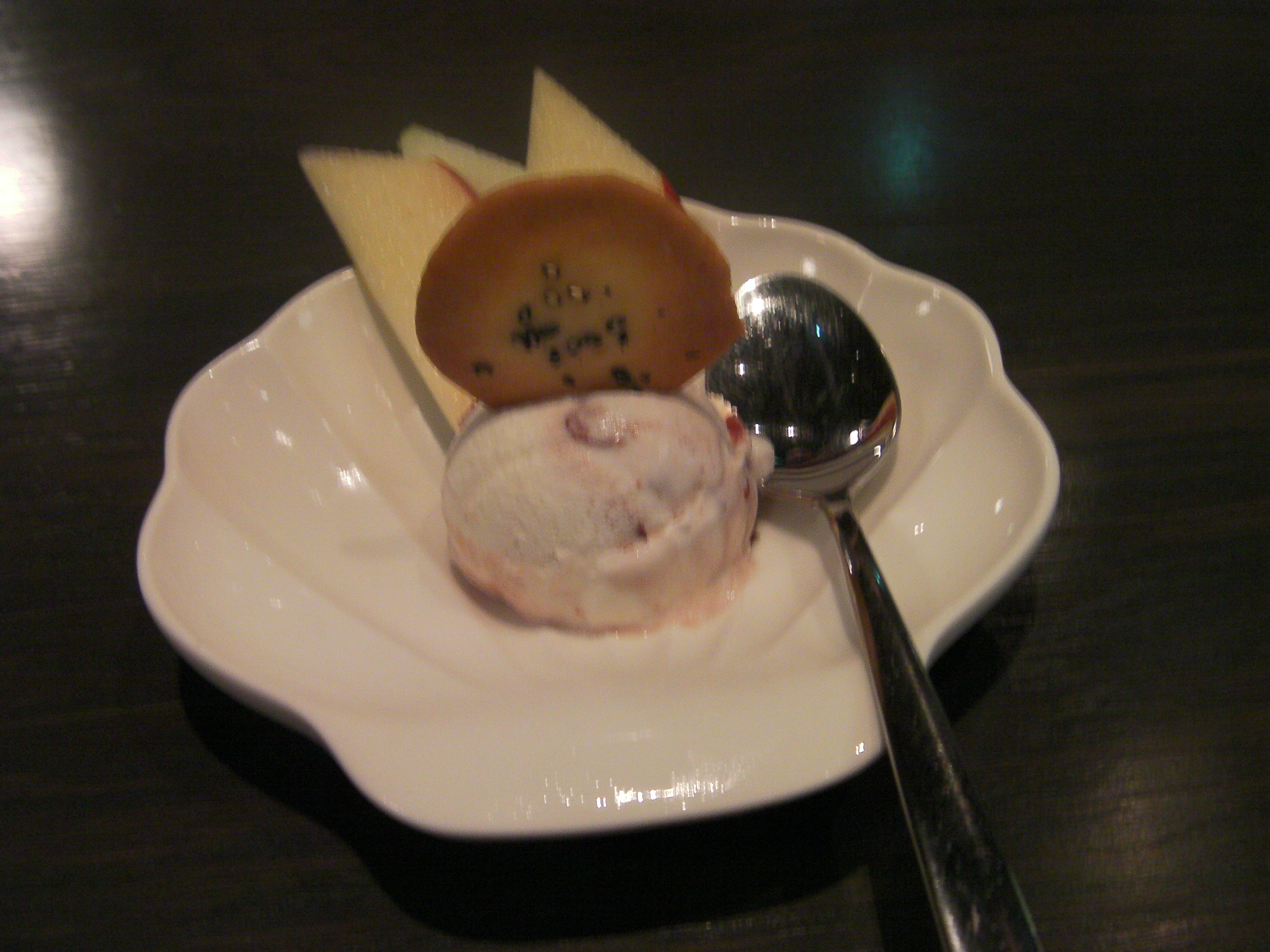
Ending with dessert – red bean ice cream, sesame cookie, and apple slices.
There were several other dishes. We were stuffed before it was all said and done. We ordered set meals plus a couple of other dishes. If you go, stick with the set meal. It will be plenty, trust me. Everything was tasty and prices were reasonable. Highly recommended.
Posted by Kanga.
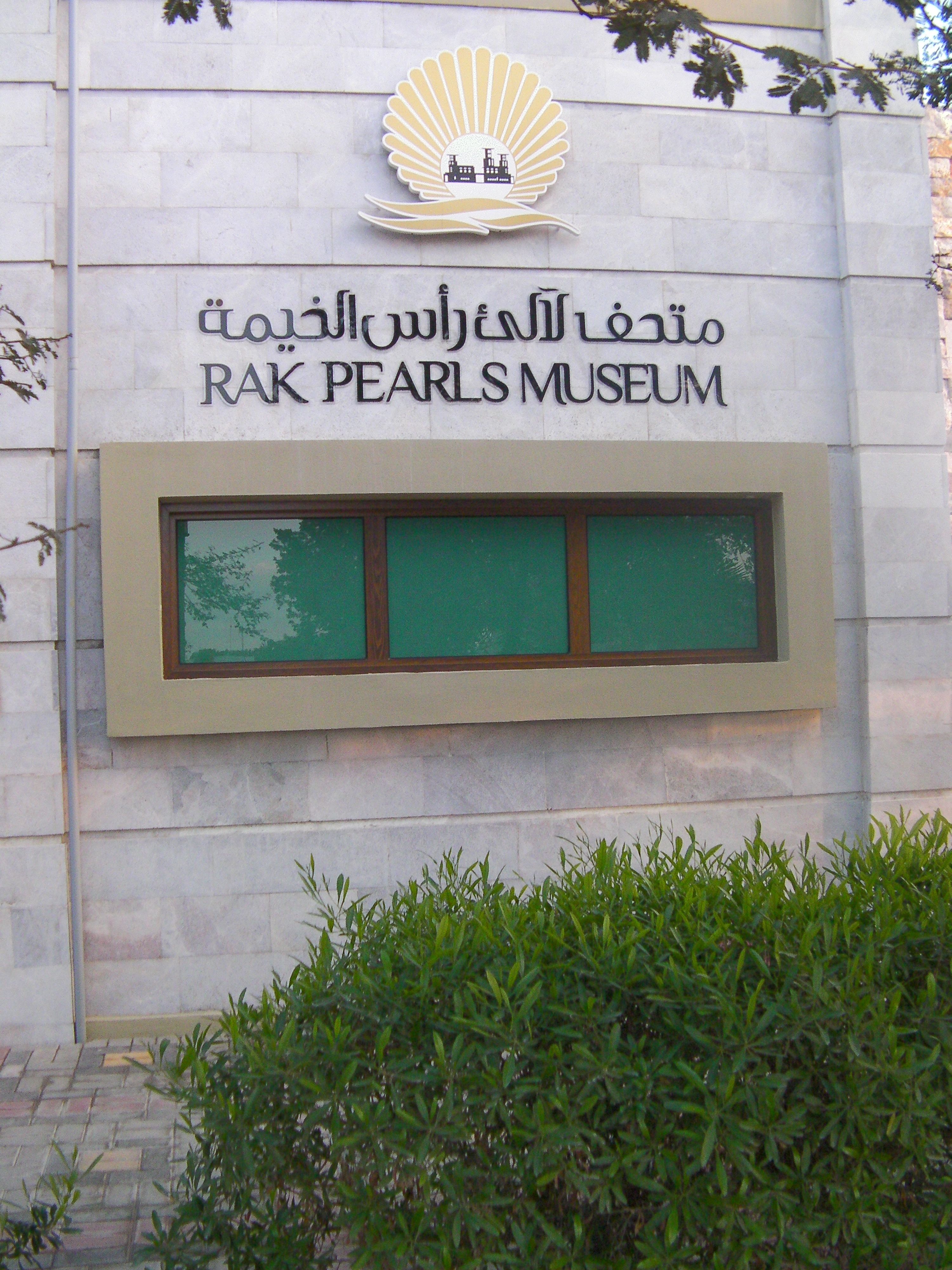
A new museum has opened in Ras Al Khaimah.
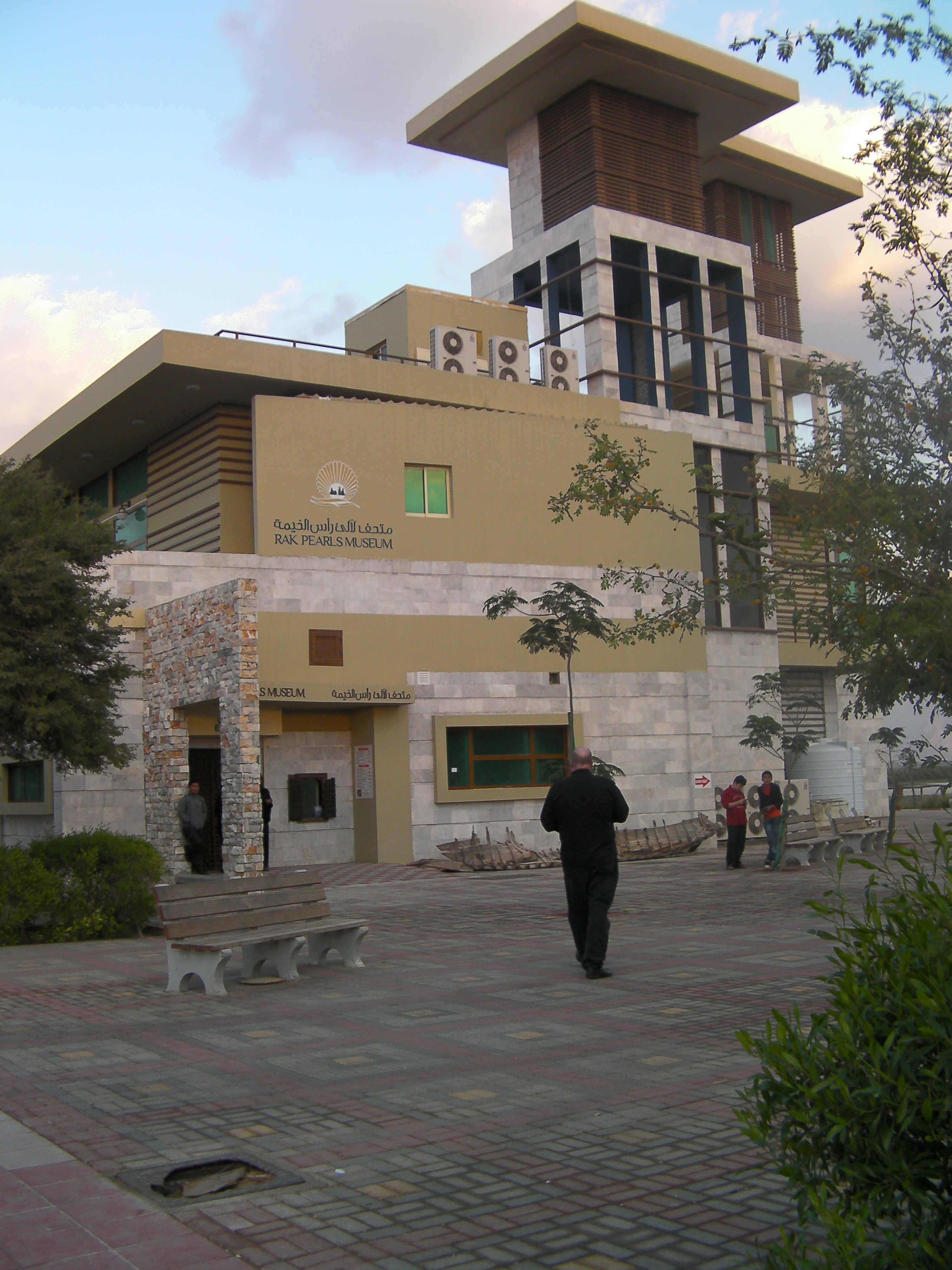
The main floor focuses on the history of pearling in the area, including a full sized 40 foot pearling boat. Information is very well presented.
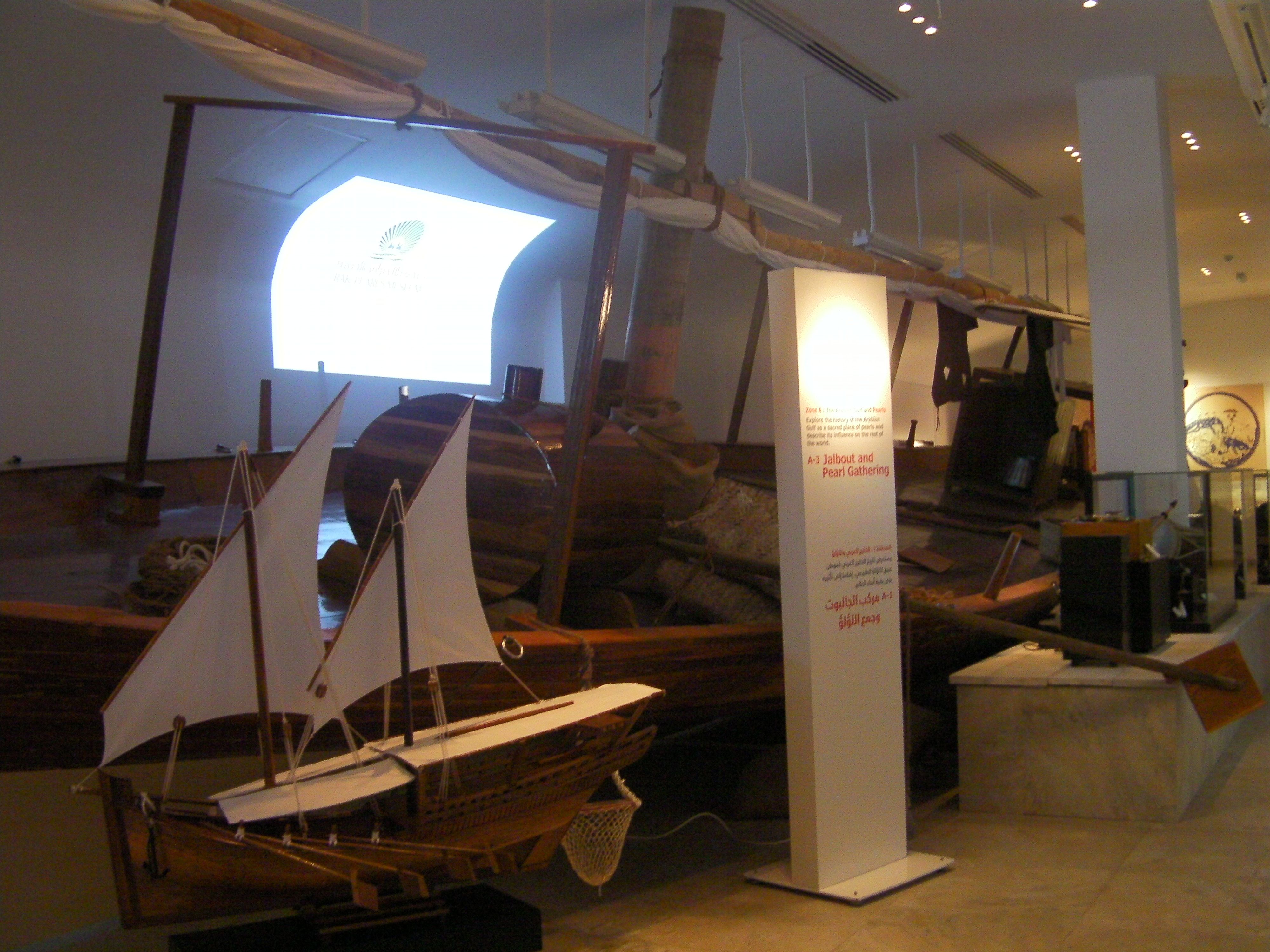
The second floor is devoted to the cultured pearl industry. Not surprising, since the museum is owned by RAK Pearls Holding, LLC.
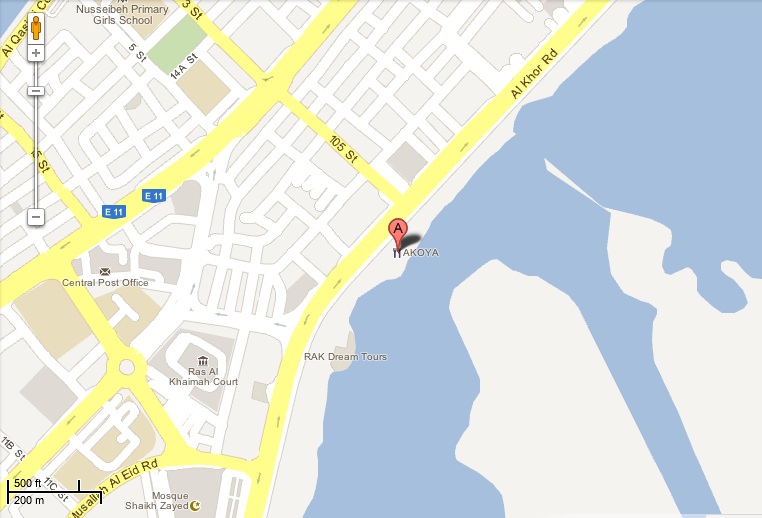
We wondered around a bit before finding the museum, so, if you are interested in checking it out for yourself, here is a map to help. The museum is open 10 am – 6 pm and costs 100 AED per person (which includes lunch/snack at the cafe).
Posted by Kanga.
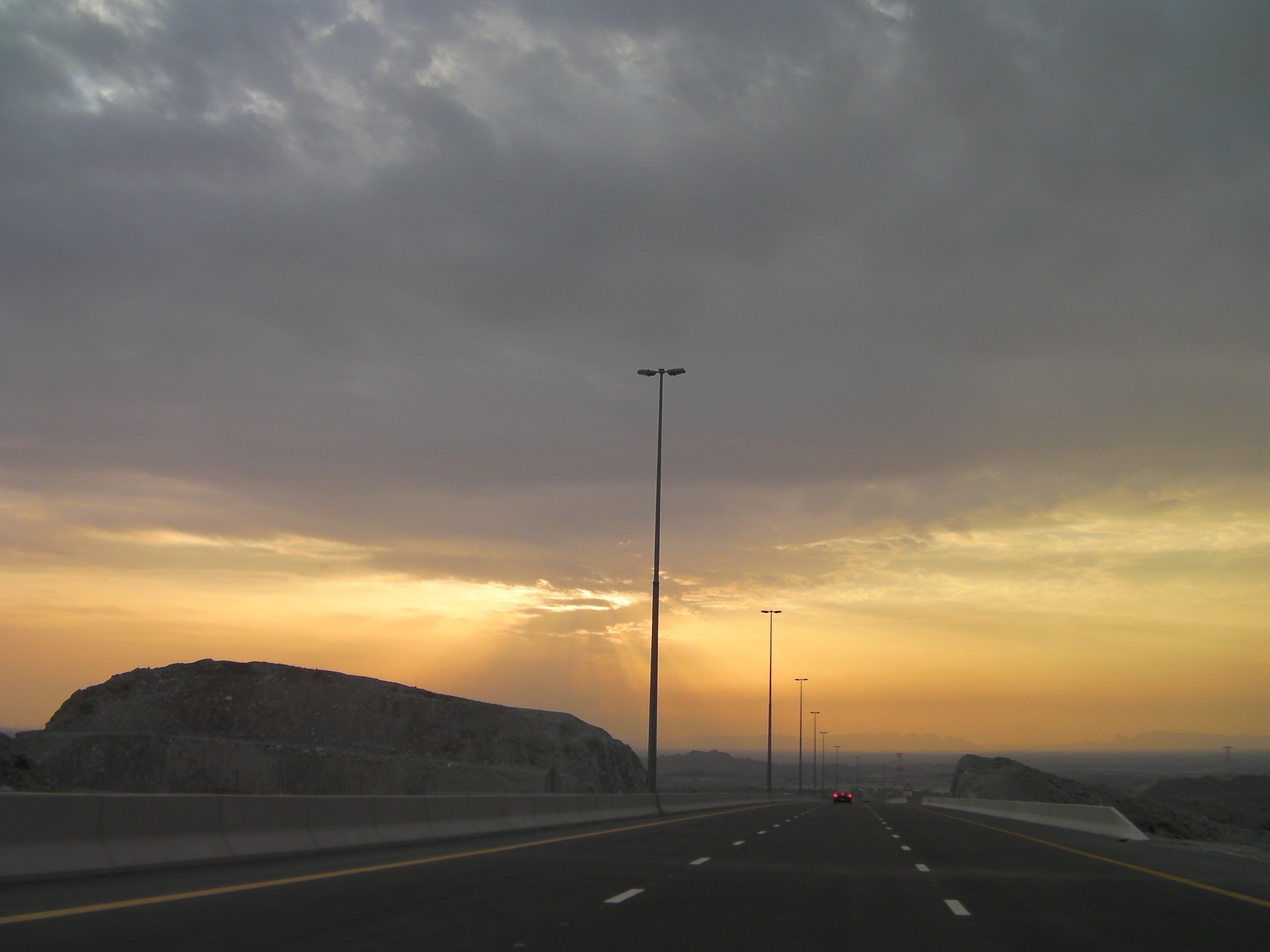
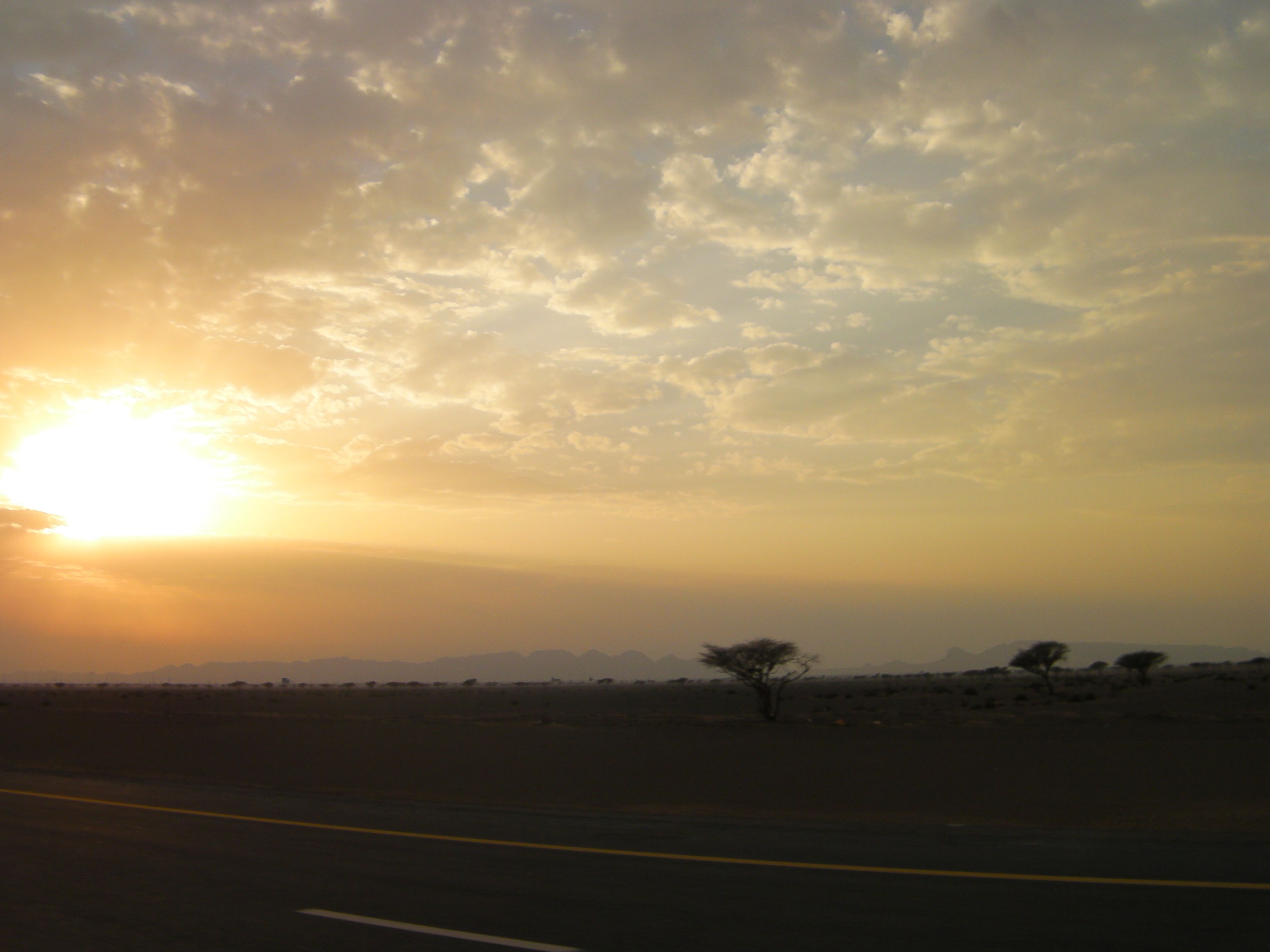
The clouds and Sun cooperated to create some spectacular views yesterday on our drive into Dubai.

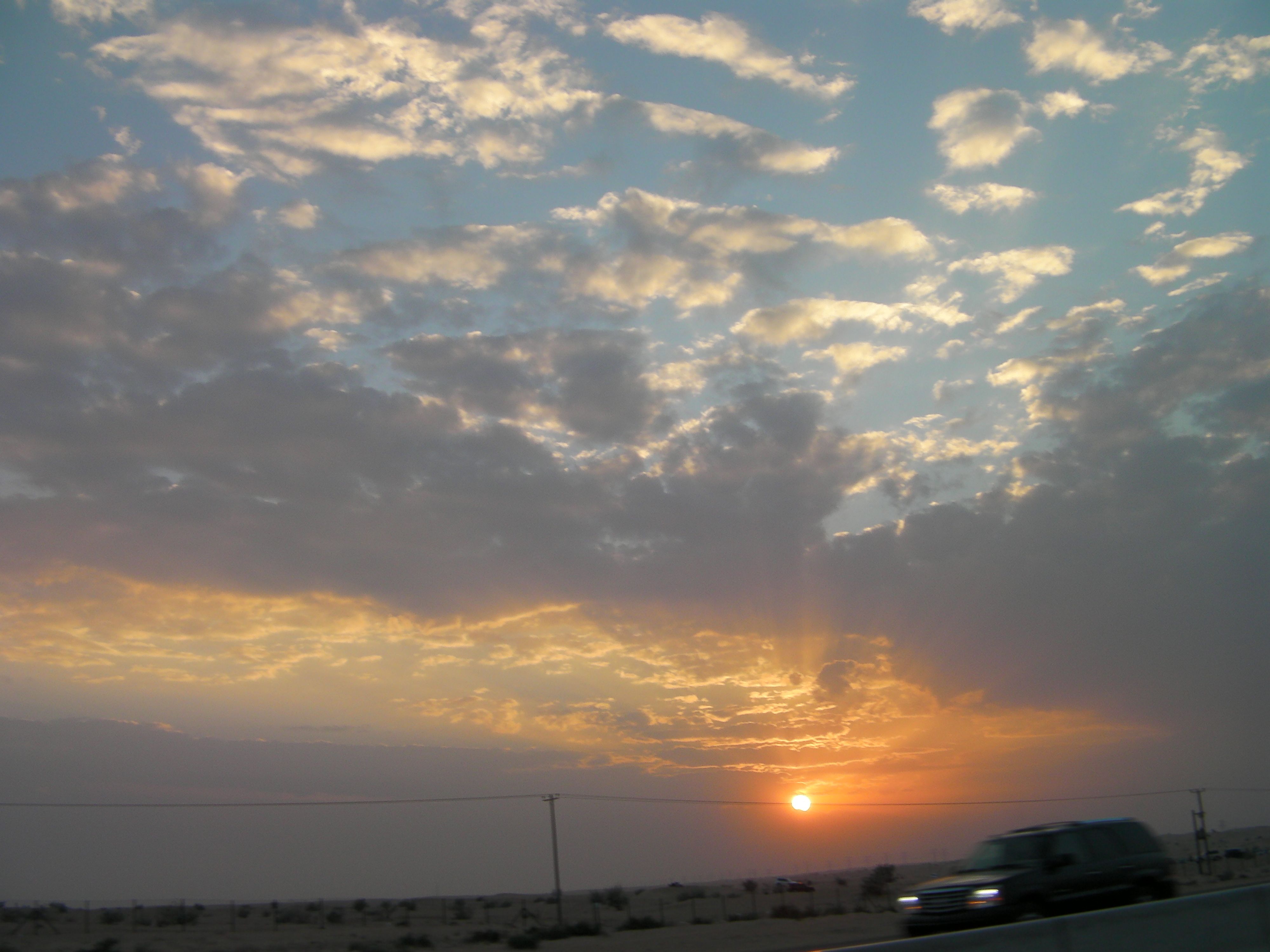
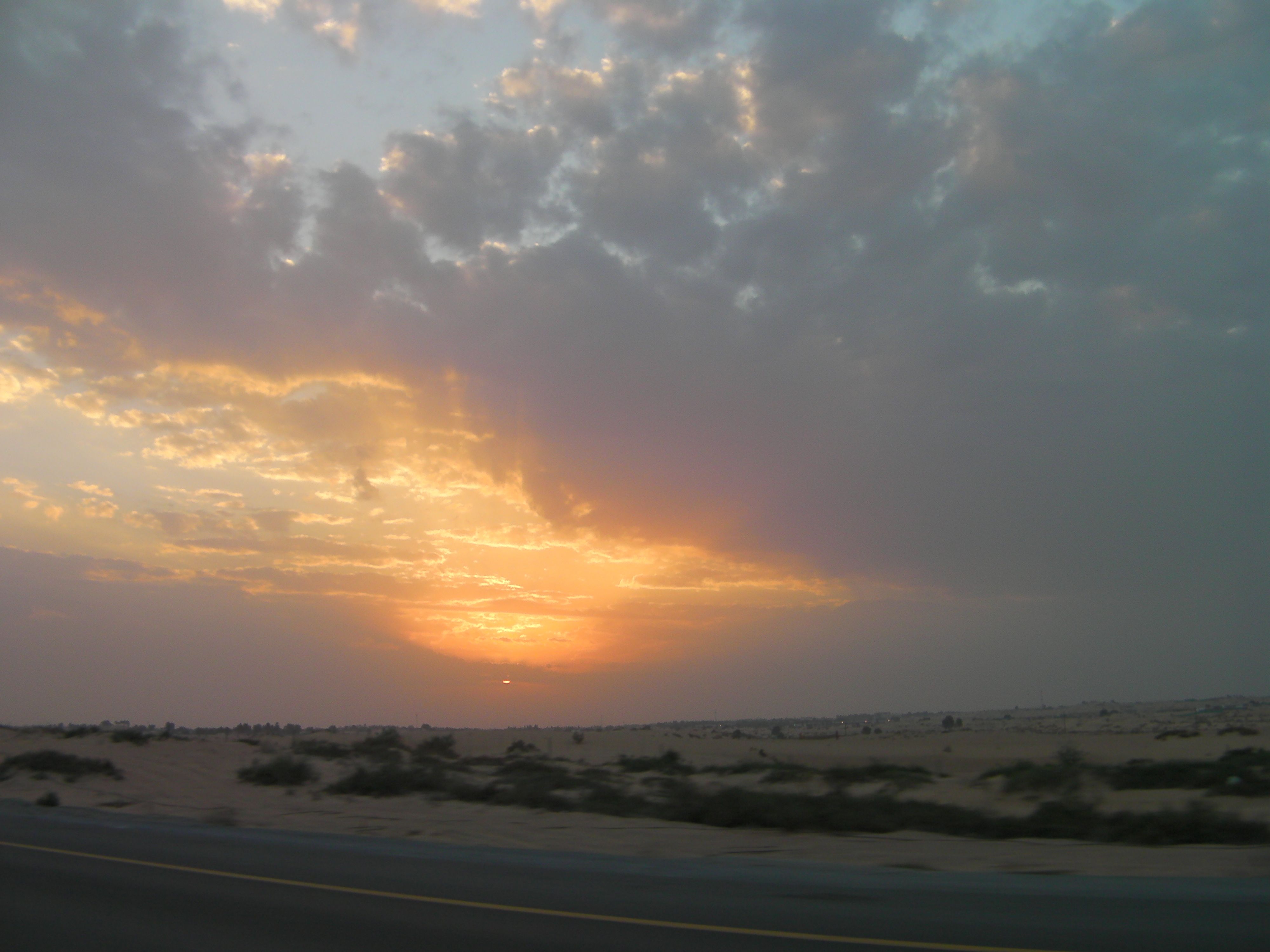
Posted by Kanga.
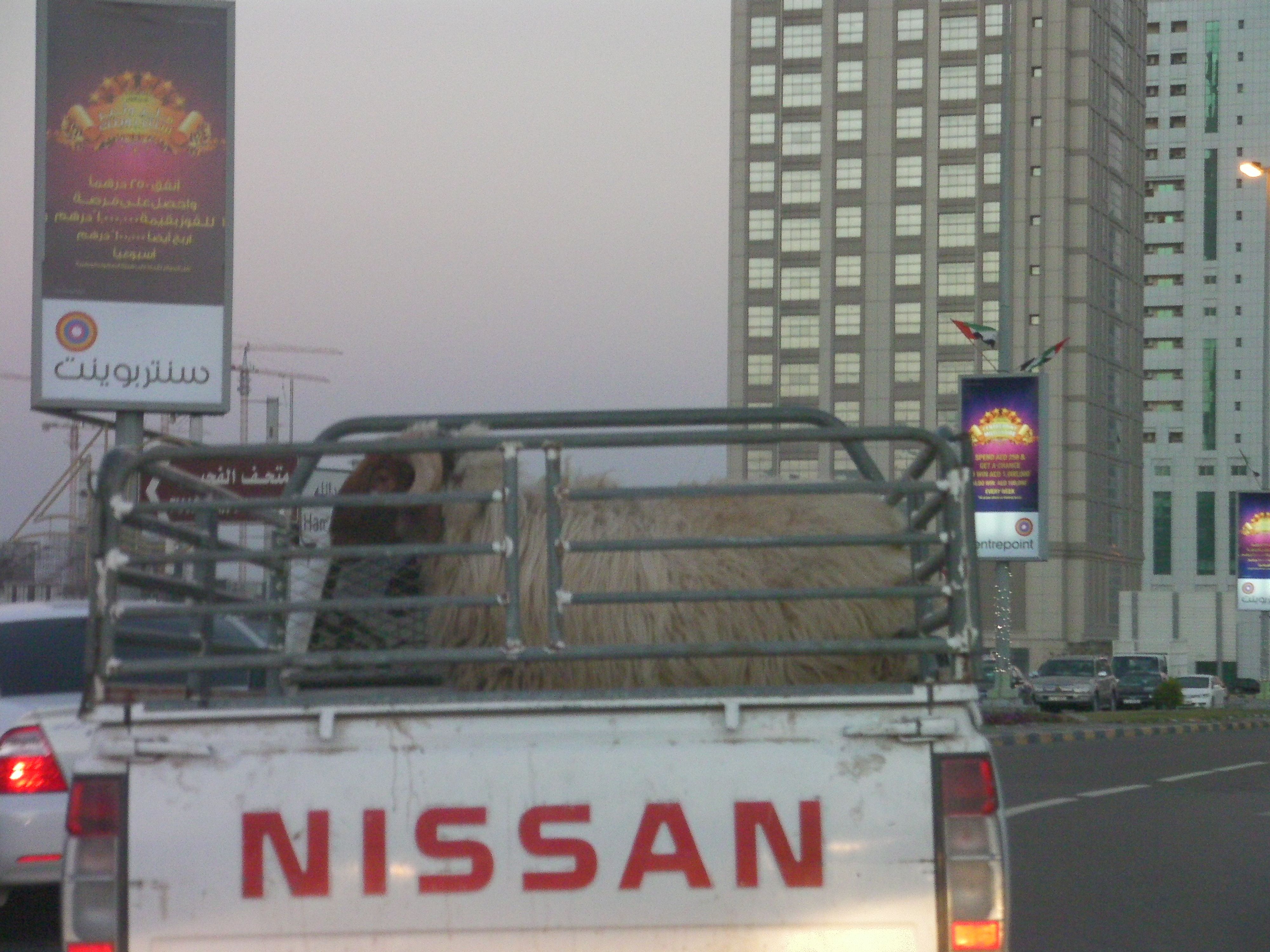
This impressive ram was an unexpected sight.
Maybe I should change this blog to “what I saw on the road today.”
Posted by Kanga.
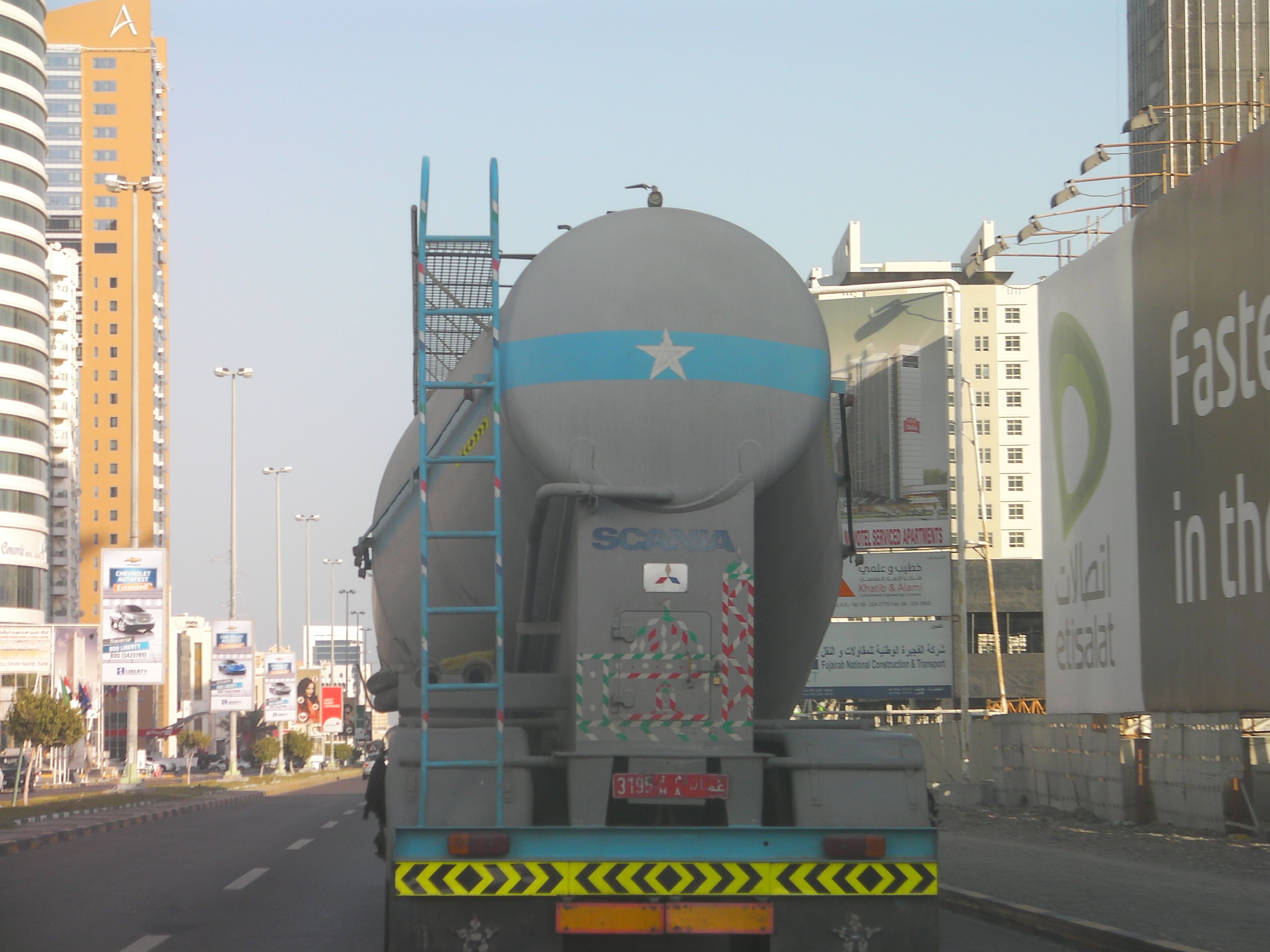
You never know what you are going to see.
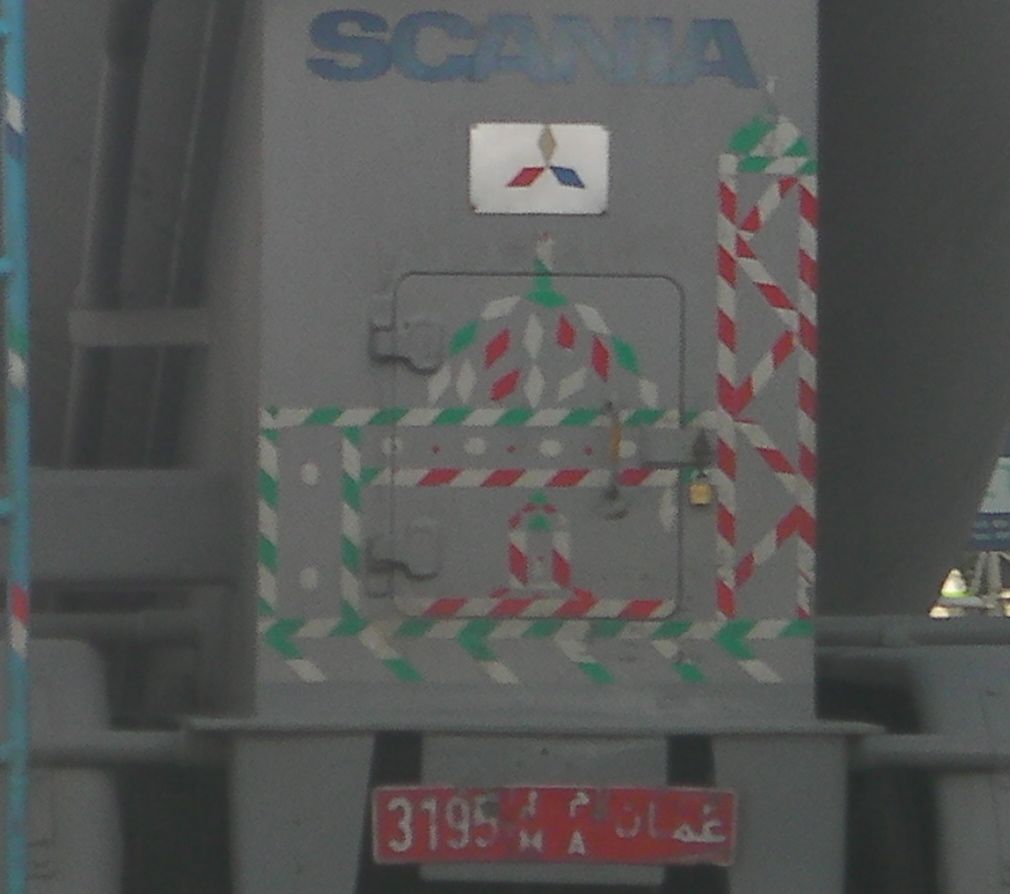
Proof that there are mosques everywhere.
“And to think that I saw it on Mulberry Street” – sometimes you don’t need to exaggerate, just keep your eyes peeled.
Posted by Kanga.
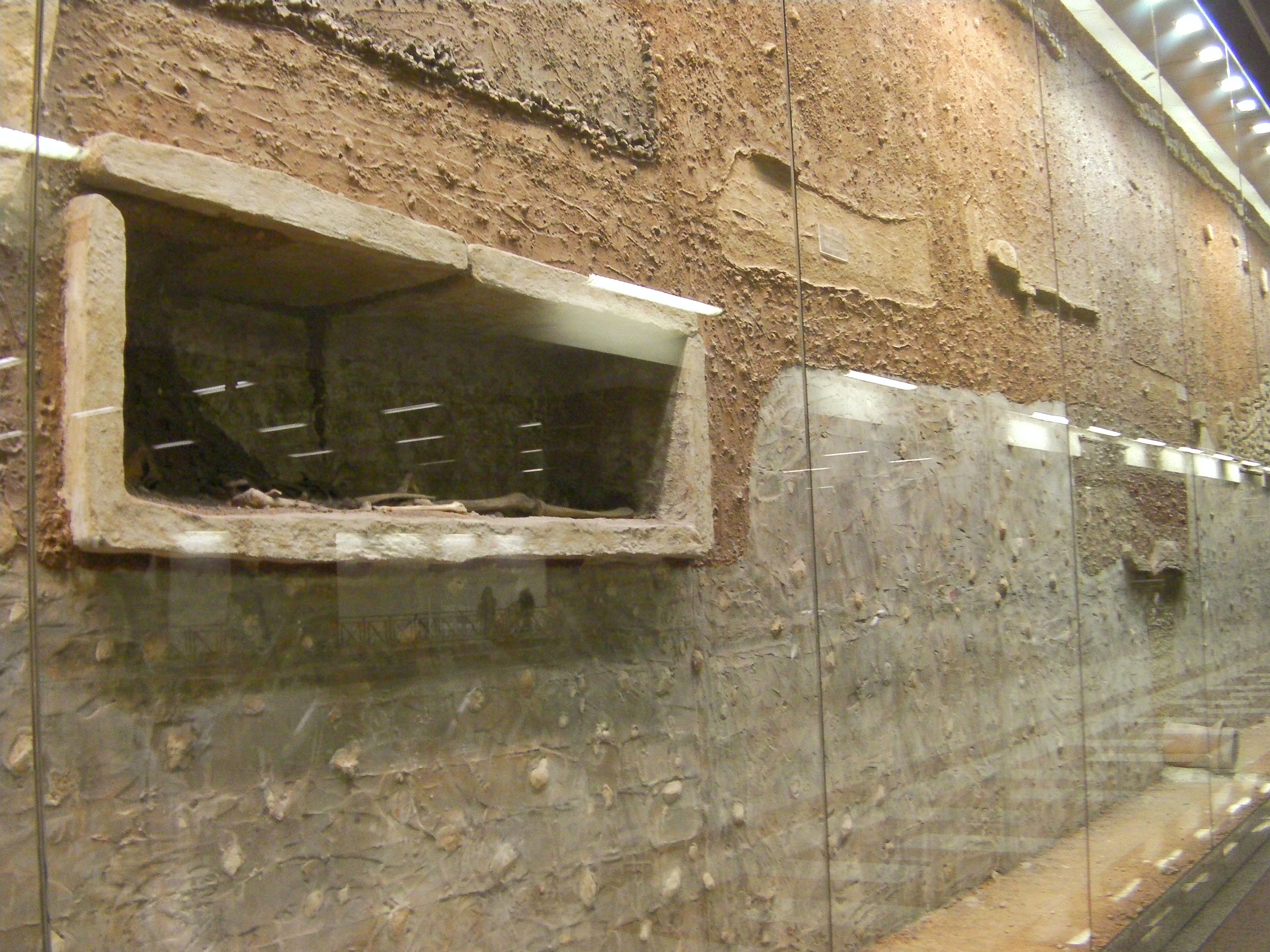
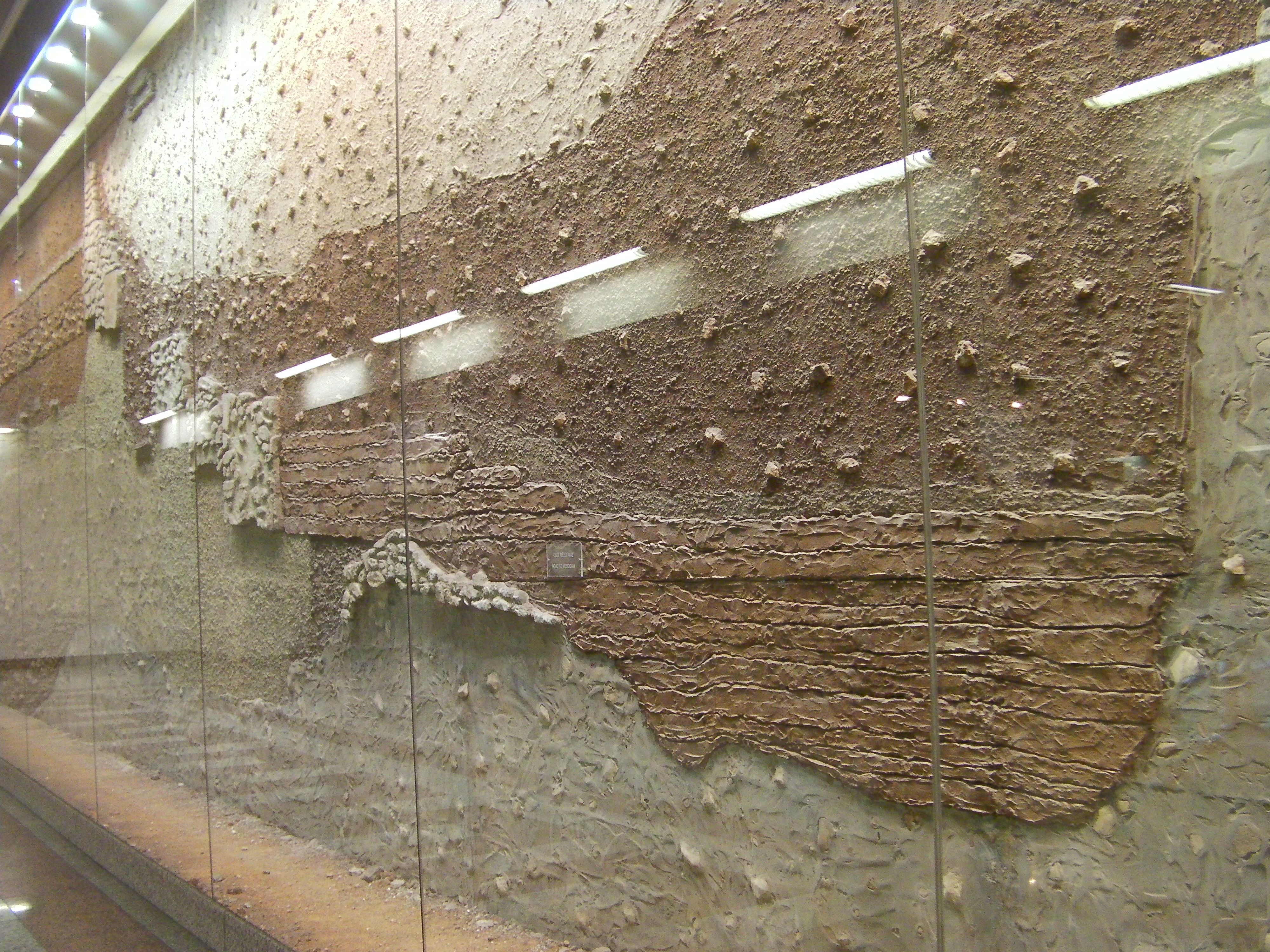
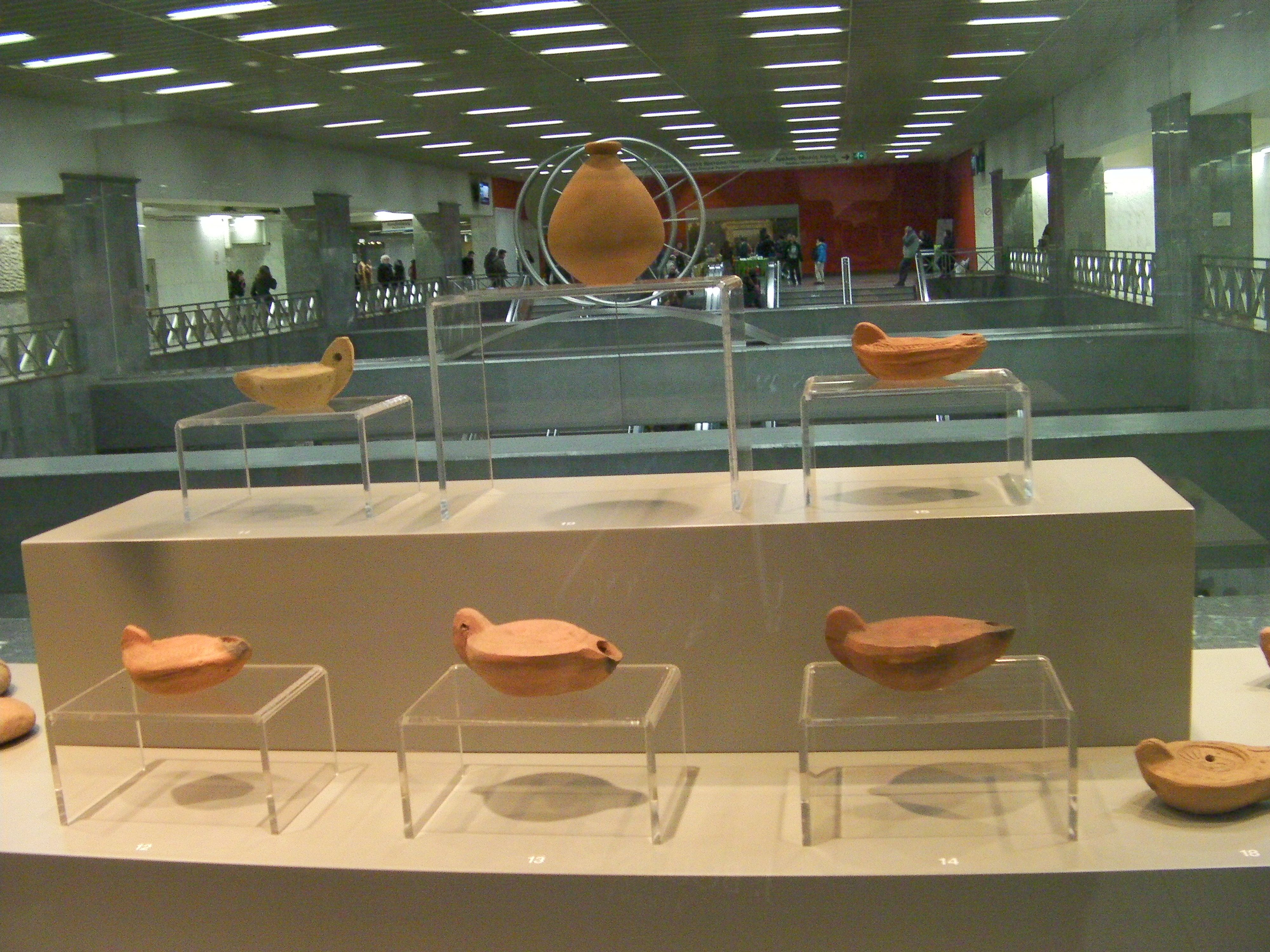
Here is another metro train station museum. This is at Syntagma Station. A long section of wall recreates the layers of excavation showing several graves throughout the years.
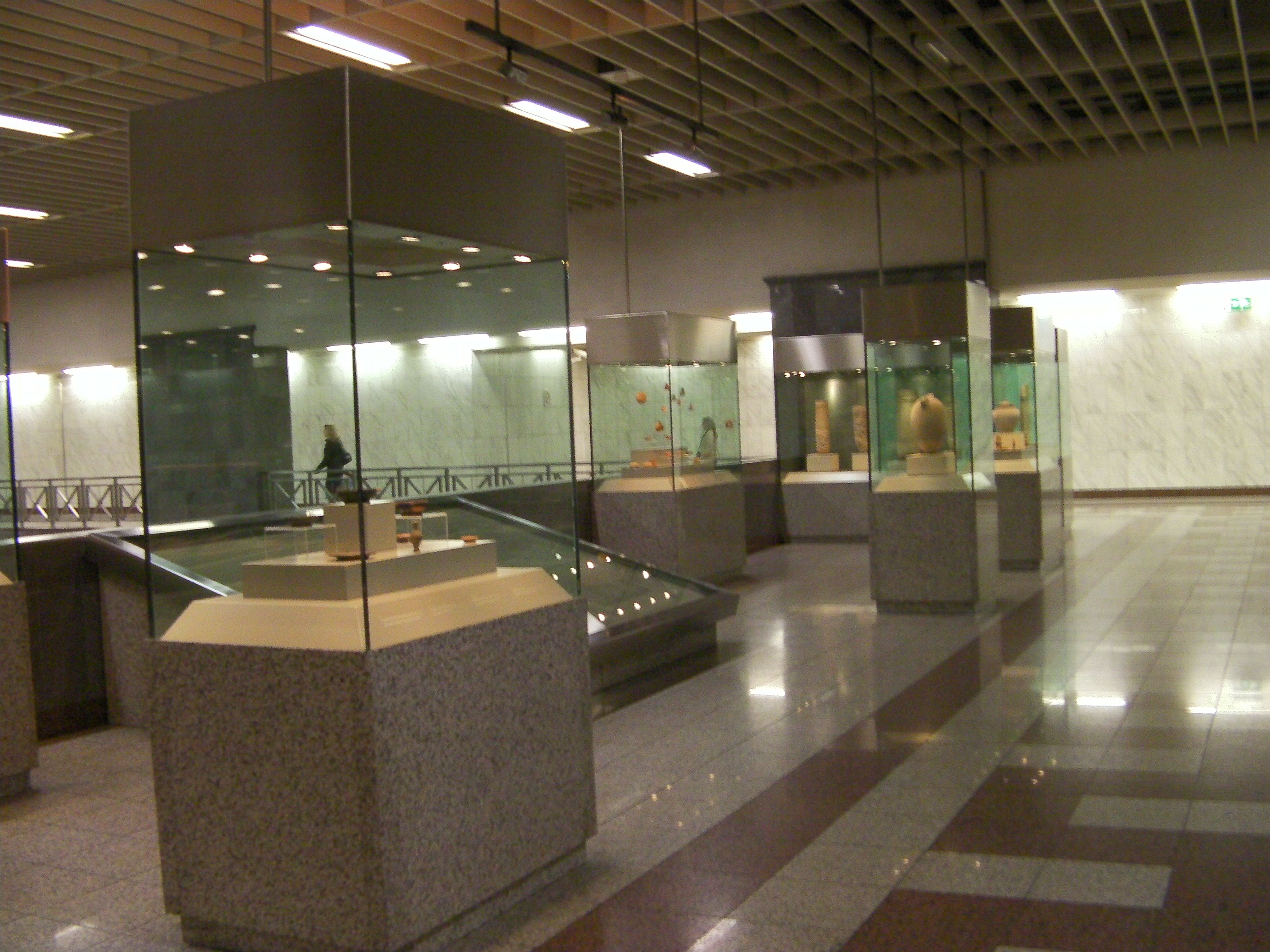
Several showcases display pottery, oil lamps, and grave stones.
Posted by Kanga.
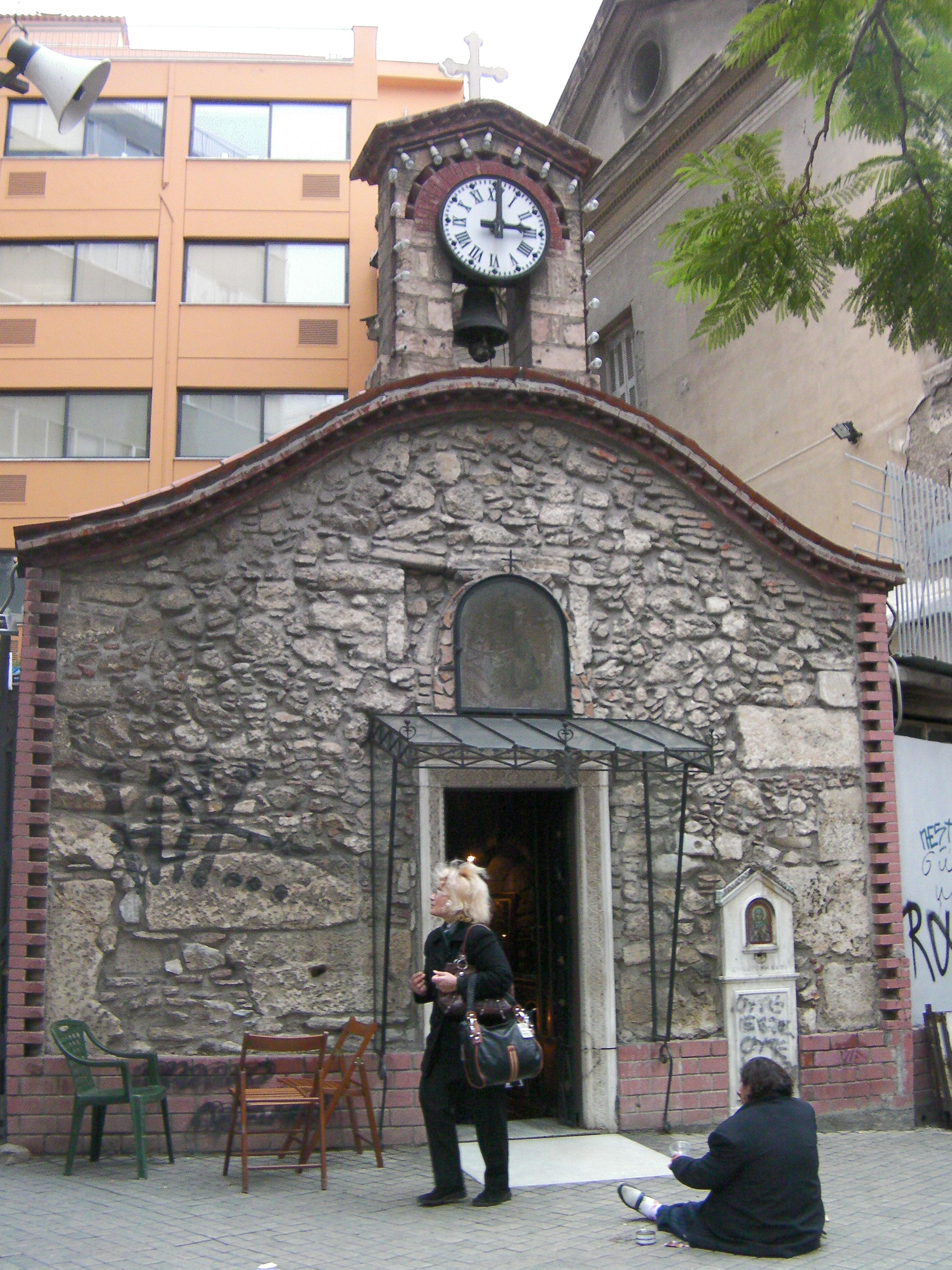
This lovely little chapel is in the Central Market area. We visited it twice. Once on our own and again with our food tour guide.
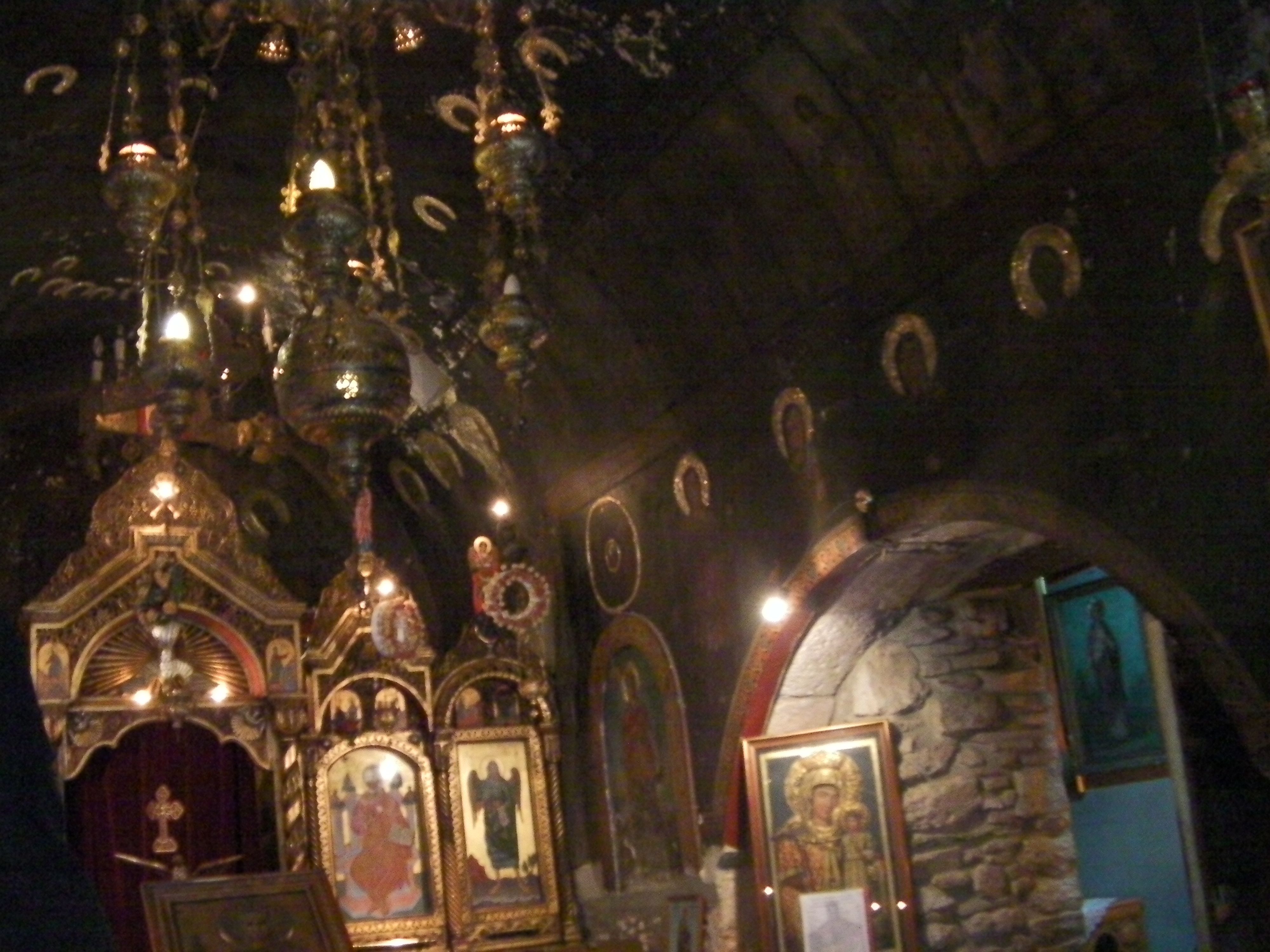
It is quite lovely inside with paintings of the saints.
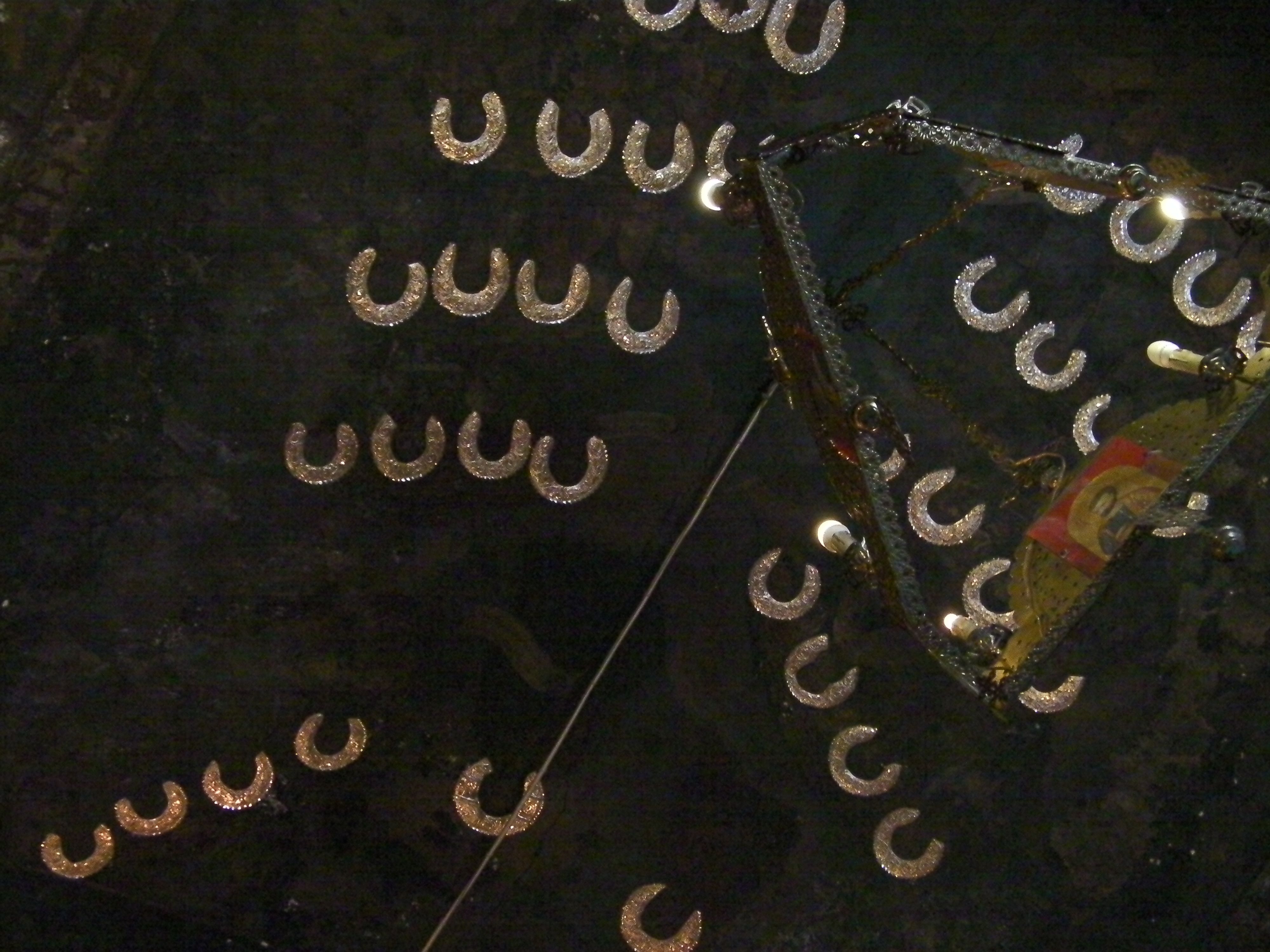
The soot from the candles burnt over the years has obscured the paintings on the ceiling so that only the golden halos show clearly now.
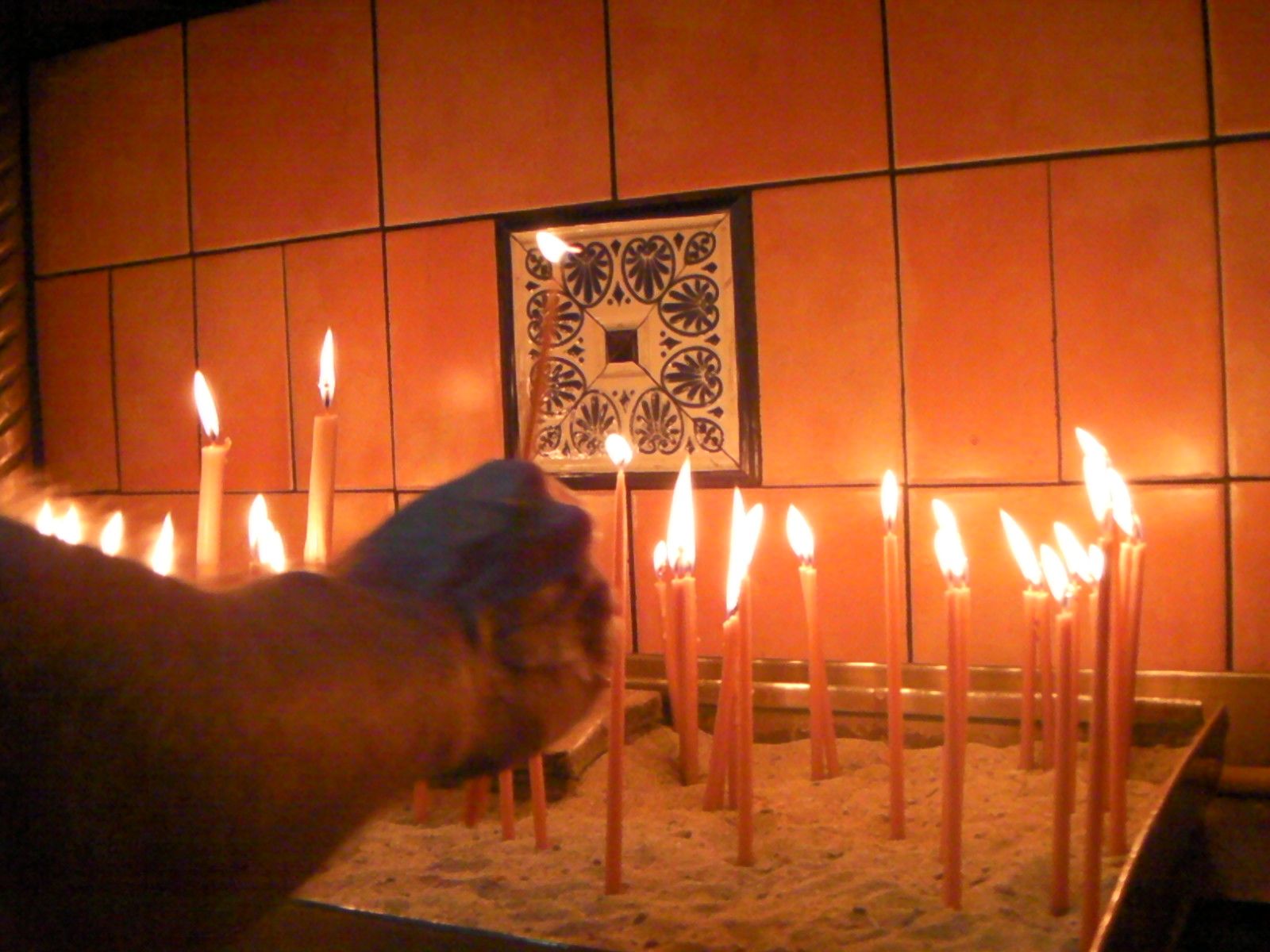
Nearby, was a shop with religious supplies that the average Eastern Orthodox Christian might need. (I did not take a picture, sorry about that.) The wares consisted mainly of candles of various sizes, including some that can be purchased by the foot, as well as pictures of the saints. What was really interesting was the bins of seeds and grains. It is traditional to cook up a special mix of seeds and grains to be eaten after a funeral. So, there were bins of these and cloth bags that one could put them in.
 Living the Travel Channel