Archive for the ‘historical site’ Category

h1

Serenity in the City

October 1, 2014

Posted by Kanga. Please do not reblog.
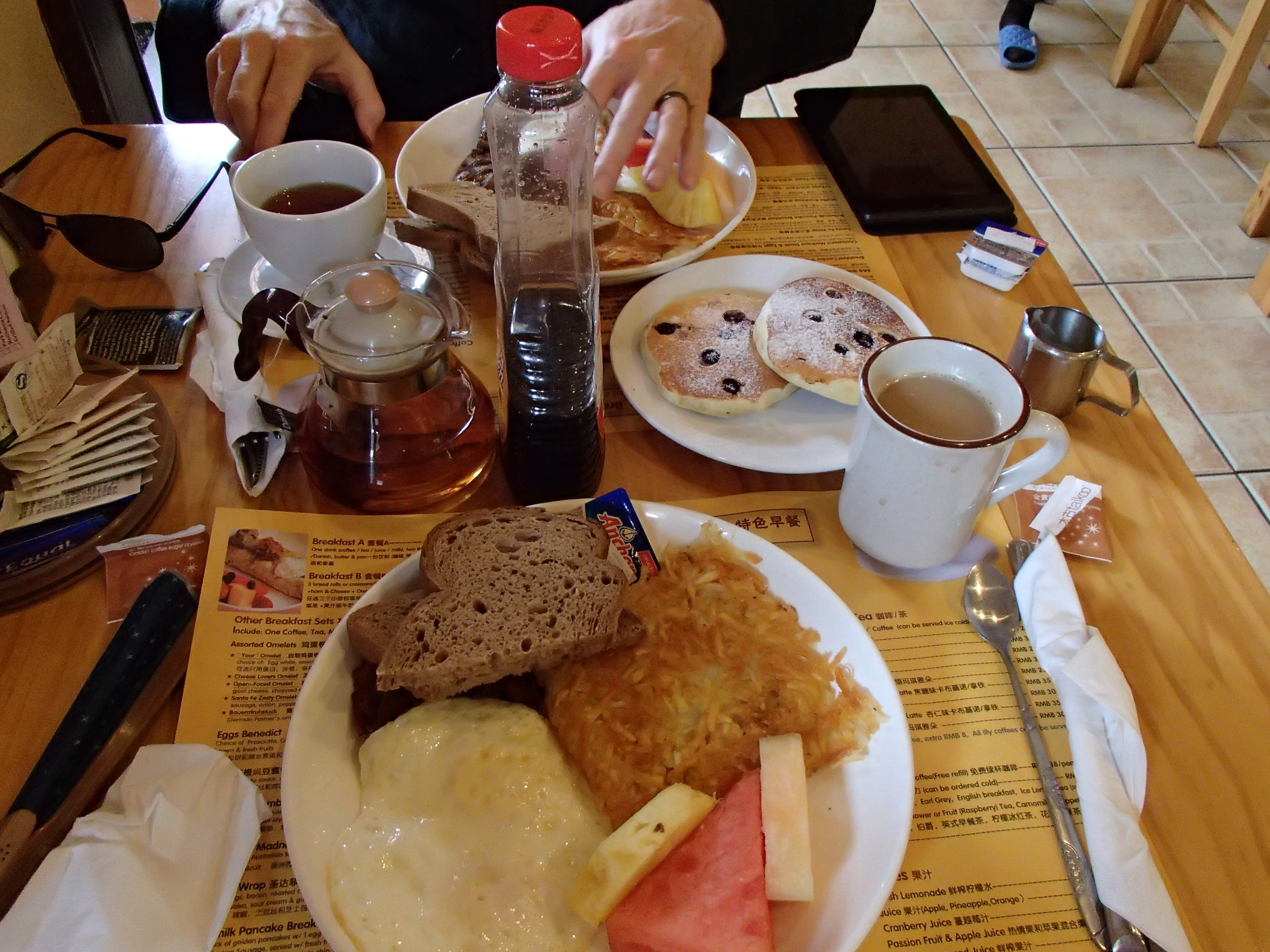
table full of breakfast plates

Every good day starts with a good breakfast. It is difficult to find a truly good American style breakfast while living abroad. Some UAE restaurants would list “American breakfast” on their menus and when it came, it included baked beans and a grilled tomato. NOT American.

Not having any eggs in the house, we got up and walked to “foreigner street” where there was supposed to be a restaurant with a good breakfast. The first good sign was that the menu was on the placemat. It is a weird, tacky thing we Americans do. The second good sign was that the menu indicated I could get refillable coffee. That’s big on my restaurant critique scale. DaddyBird ordered steak and eggs with blue berry pancakes and I ordered the breakfast combo (two eggs, hashbrowns, bacon, toast, and fruit). The blue berries were IN the pancakes instead of just poured on top. My coffee was actually refilled twice and the hashbrowns were so good that I ordered another helping. The service was as good as the food. The review DaddyBird had read that led us here indicated that the crispy bacon would actually be crispy. This was very true. Five stars to Bastiaan’s. We will definitely be return customers.

What to do next? Since this is a holiday week for me, I thought we should do something touristy. I chose Yuyuan Garden. To be honest, I thought “it will be crowded and I’ll be on my feet too much and that will be painful, but I’ll be able to say we did some exploring.”

We hopped on a bus which took us to the metro train which took us to the neighborhood of the garden. It is a bit of a walk from the train to the garden. Along the way were a few beggars. DaddyBird usually drops a few coins or small bills in their cups. This brought him to the attention of a young Chinese man walking the same direction we were. He struck up a conversation with us, one that I began to fear wasn’t going to end. It became clear that he wasn’t just being sociable, but had a shop that he wanted to take us to, not just one shop, but several. We went and it was worth it. The first shop was silk products, but the hook is that they have a “museum” which is actually just an educational display on how silk is made. It was very educational. Silk is rather amazing. After the “museum” came the shop with bedding, scarves, and clothing – all silk. DaddyBird tried on a shirt, but their largest size was just a bit too small. The same with me. I tried on a really lovely jacket, but needed a bit more room. So, they had to settle for selling me scarves which have no size constraints. THEN he wanted to take us to his family’s tea shop. We thanked him, but made our excuses and moved on.
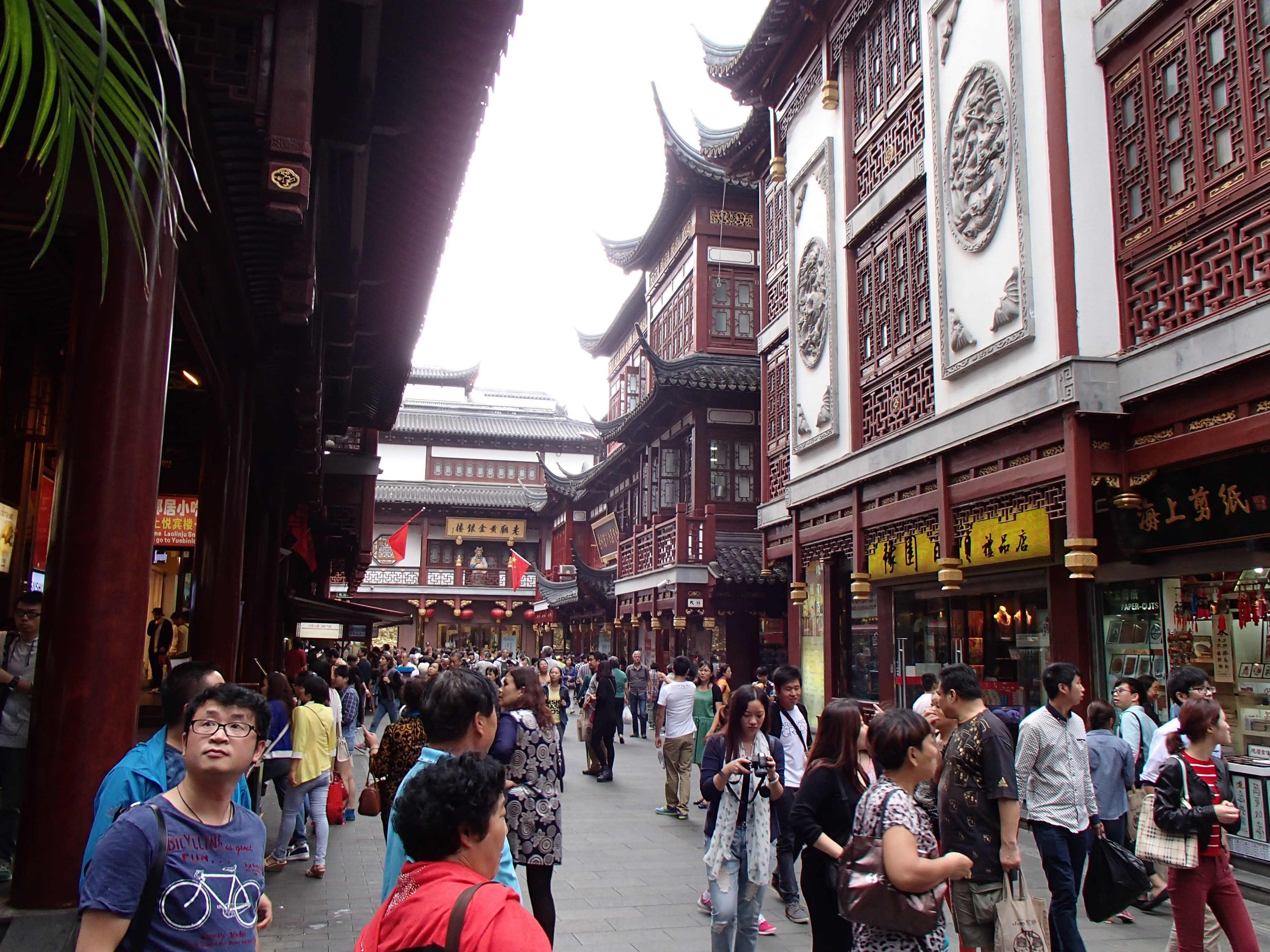
busy pedestrianized street

The area around the Yuyuan Garden is a busy maze of consumerism. There are many shops full of marvelous things, as well as dumpling shops, etc.

We finally reached what appeared to the be garden.
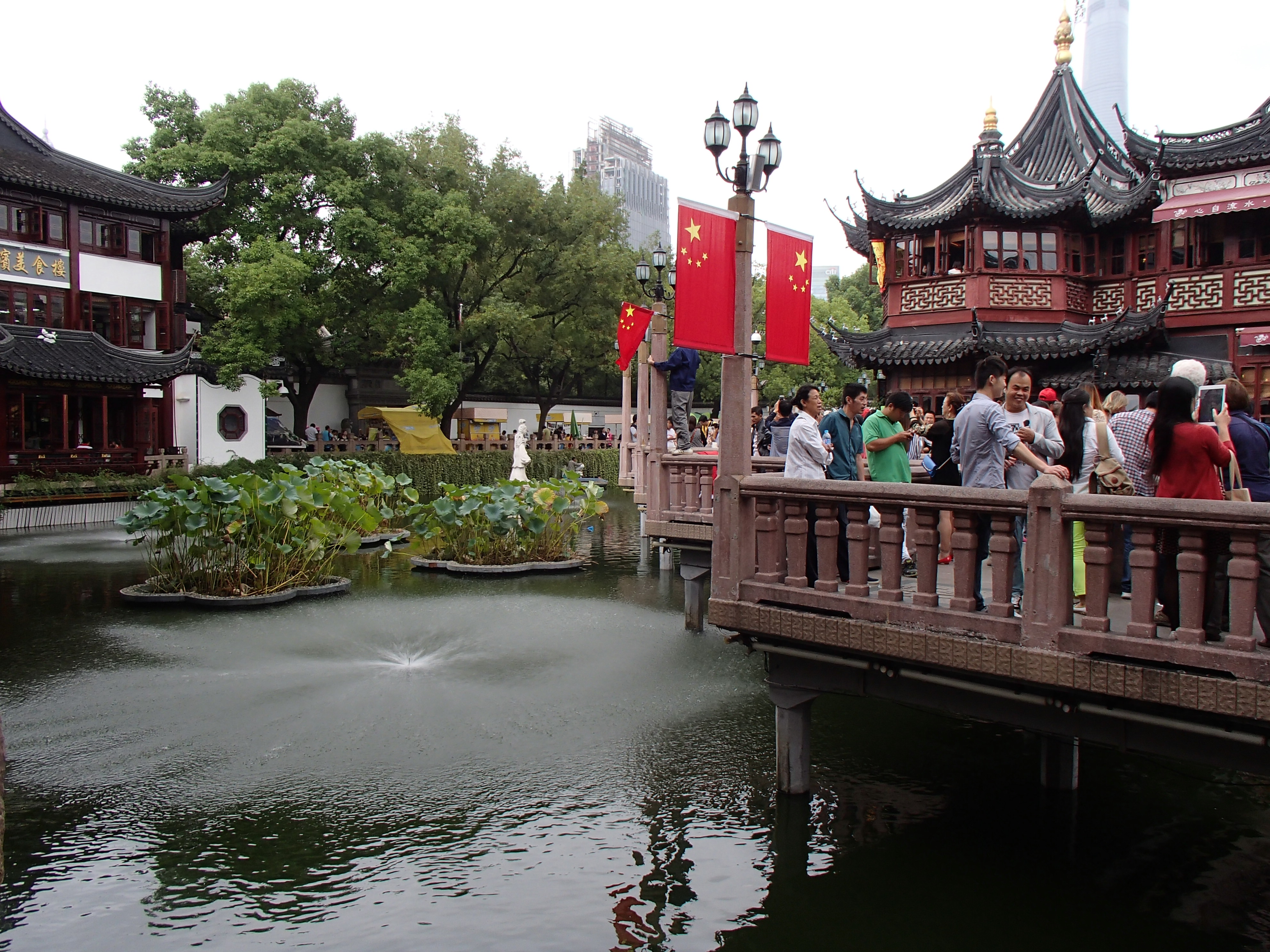
pond and bridge

This is what often appears on the advertisements. We both thought, if this is IT, what a disappointment.

This was not IT. We found the ticket office and the main entrance. The entrance fee is 40 yuan per person ($6.52 / 24 AED). [A bit of advice here, eat before you go in. The garden is large and will take some time to see. We left early, about 2/3 through, because we needed to eat.]
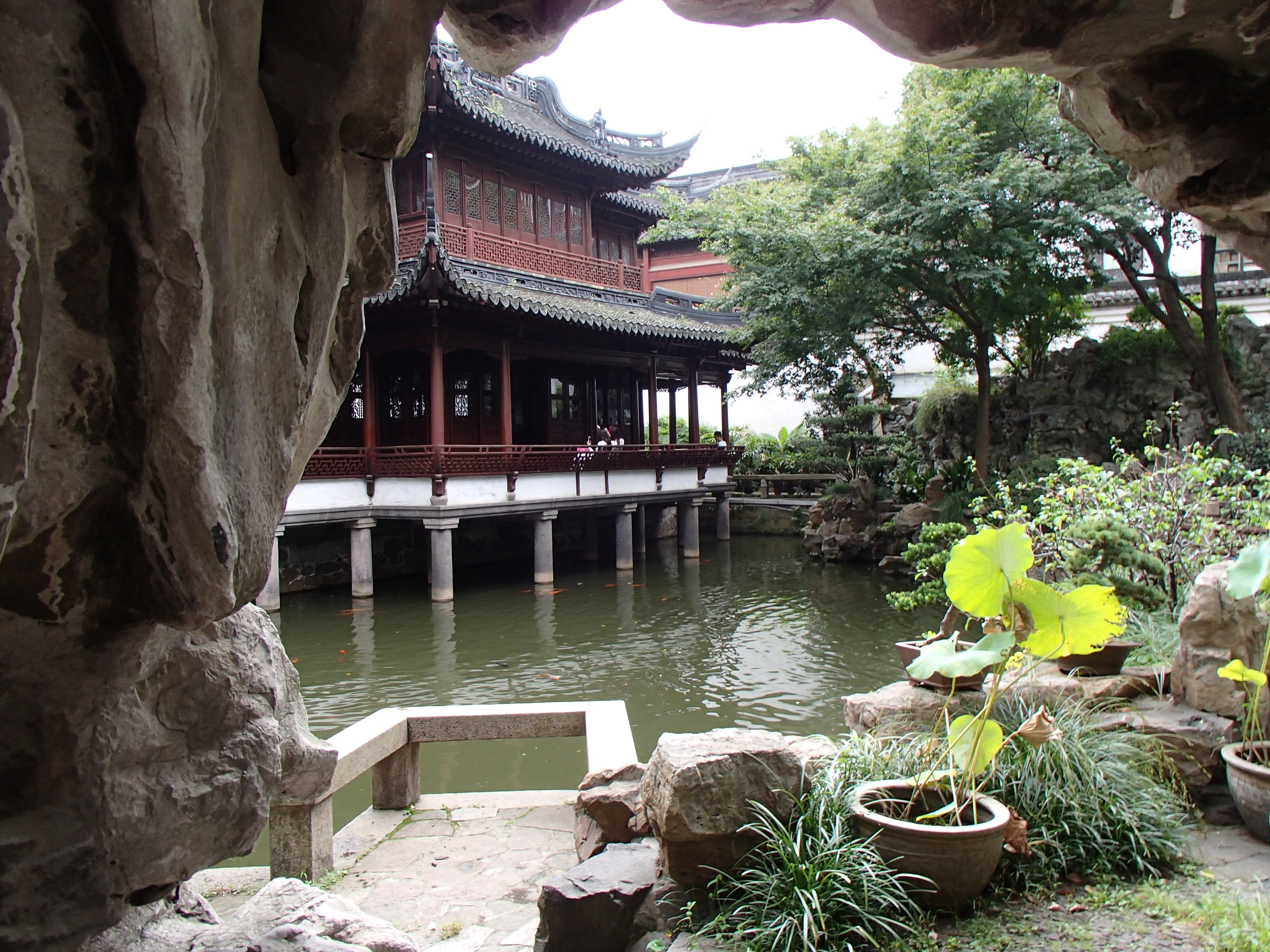
pond and traditional Chinese building

There were plenty of other people in the garden area, but it was still a pleasant and relaxing experience. There were places to sit and enjoy the fish, turtles, birds, and nature. It is an amazing little bit of serenity in the middle of a highly urban and populated city.

The garden is a large area with many buildings, gardens, and winding paths connecting them all. One building housed a few tea shops. If you know DaddyBird and his tea addiction, you know that we went in, sat down, sampled 4 or 5 teas, and bought two boxes of the best teas. Expensive, but worth the experience. Another building housed artworks for sale. They were quite amazing, but we refrained.

As I mentioned earlier, we had to exit in order to find something to eat, so it was back out to the tourist mart area, hustling and bustling.
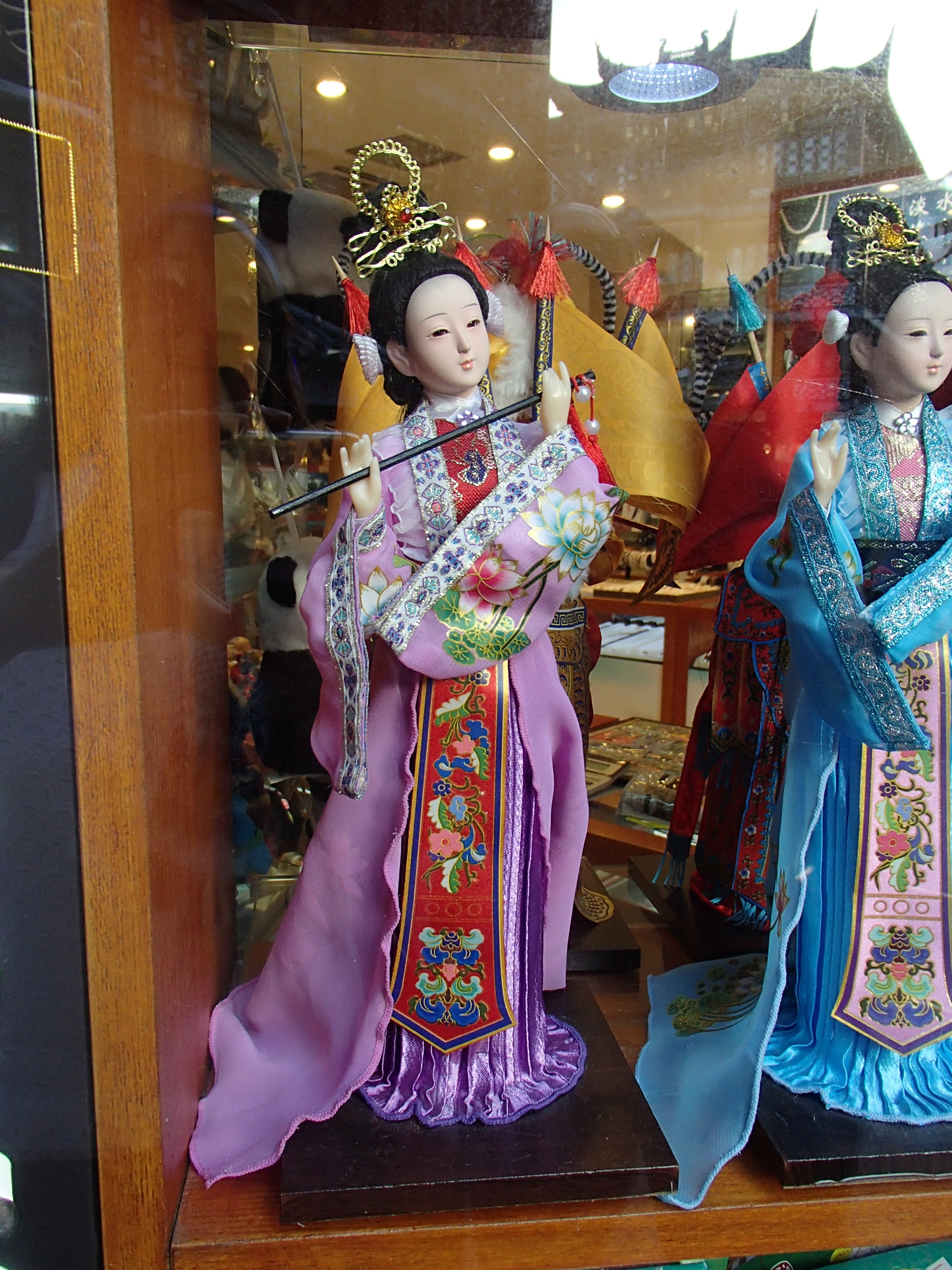
doll in traditional Chinese robes

We are used to tourist areas where the merchandise is cheap stuff (made in China) and the wares of each store are almost identical to the wares of their neighbors. This is not true of the Yuyuan Tourist Mart. The wares vary from store to store and there are quality items that you might actually want to buy. I suspect we will have little trouble finding Christmas gifts this year.
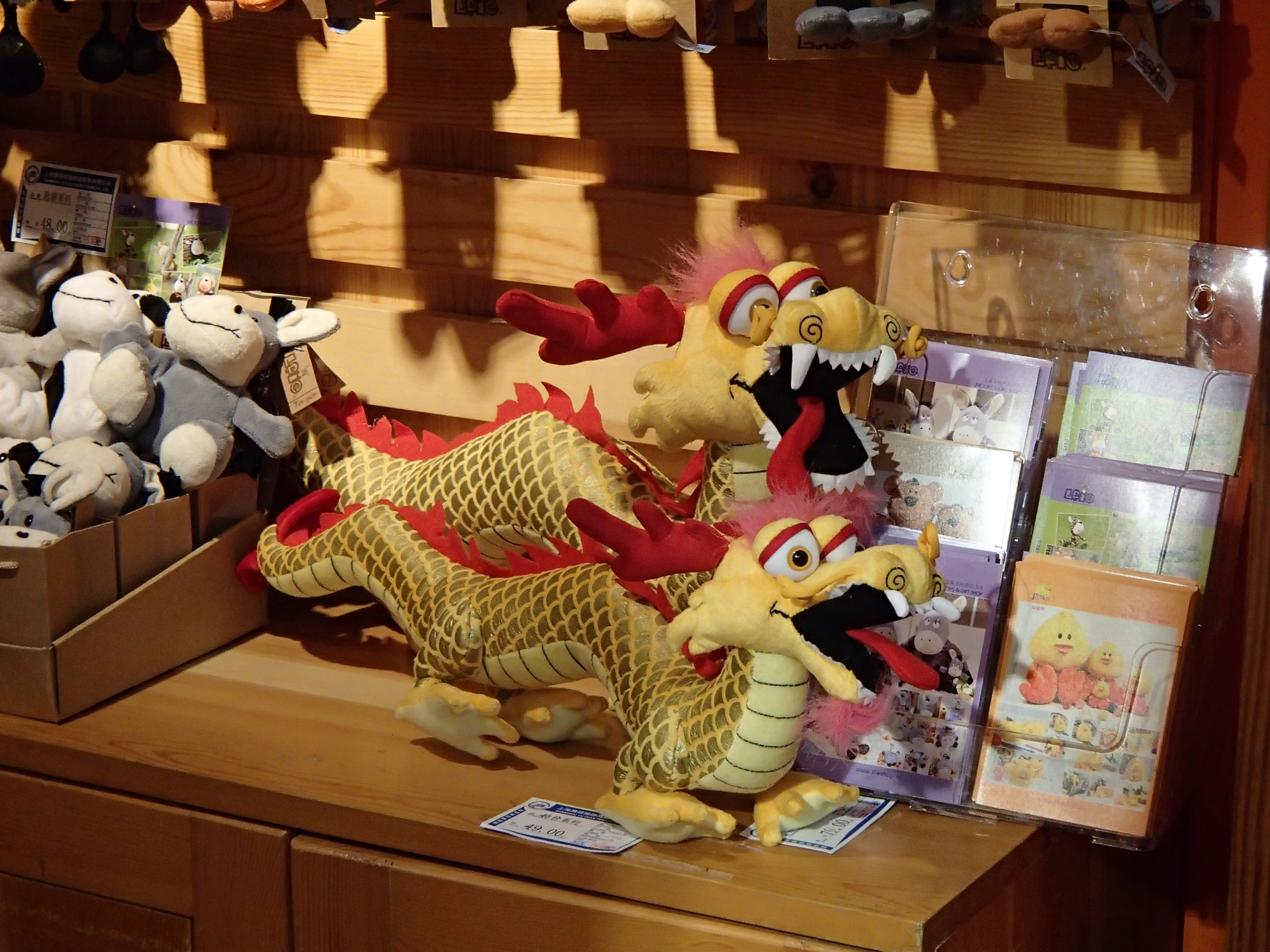
plush toy dragons

These dragons are pretty spectacular as plush toys go.
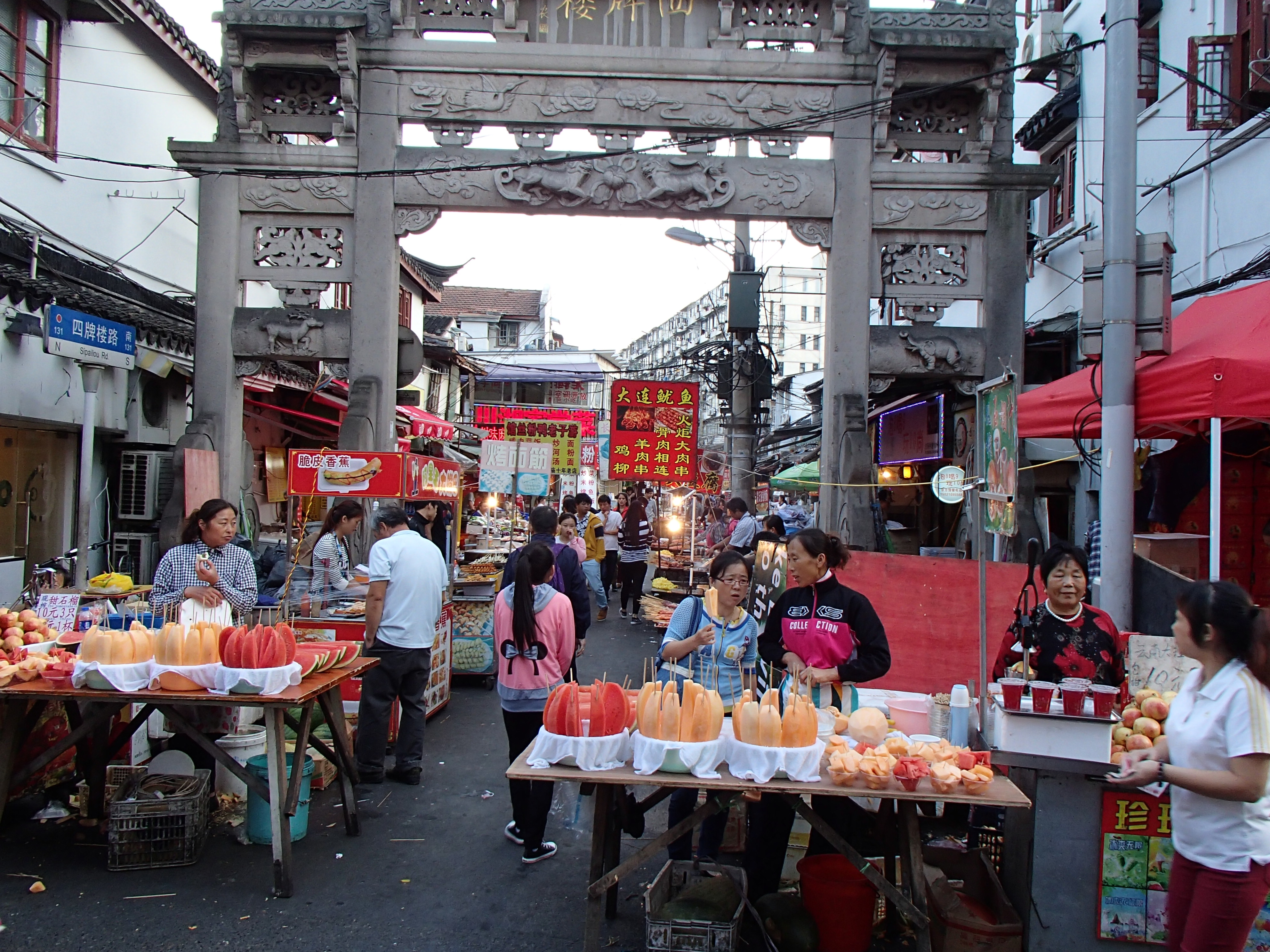
entrance to Fangbang street which is full of food vendors

We walked a short way to Fangbang Lu (street) which is known for it’s food vendors. We walked down the length looking at what was available and then came back through to actually make our purchases. I had decided that I wanted to try stinky tofu, so we began with that with the idea that if it was terrible, we could cleanse our pallets with something else afterward.
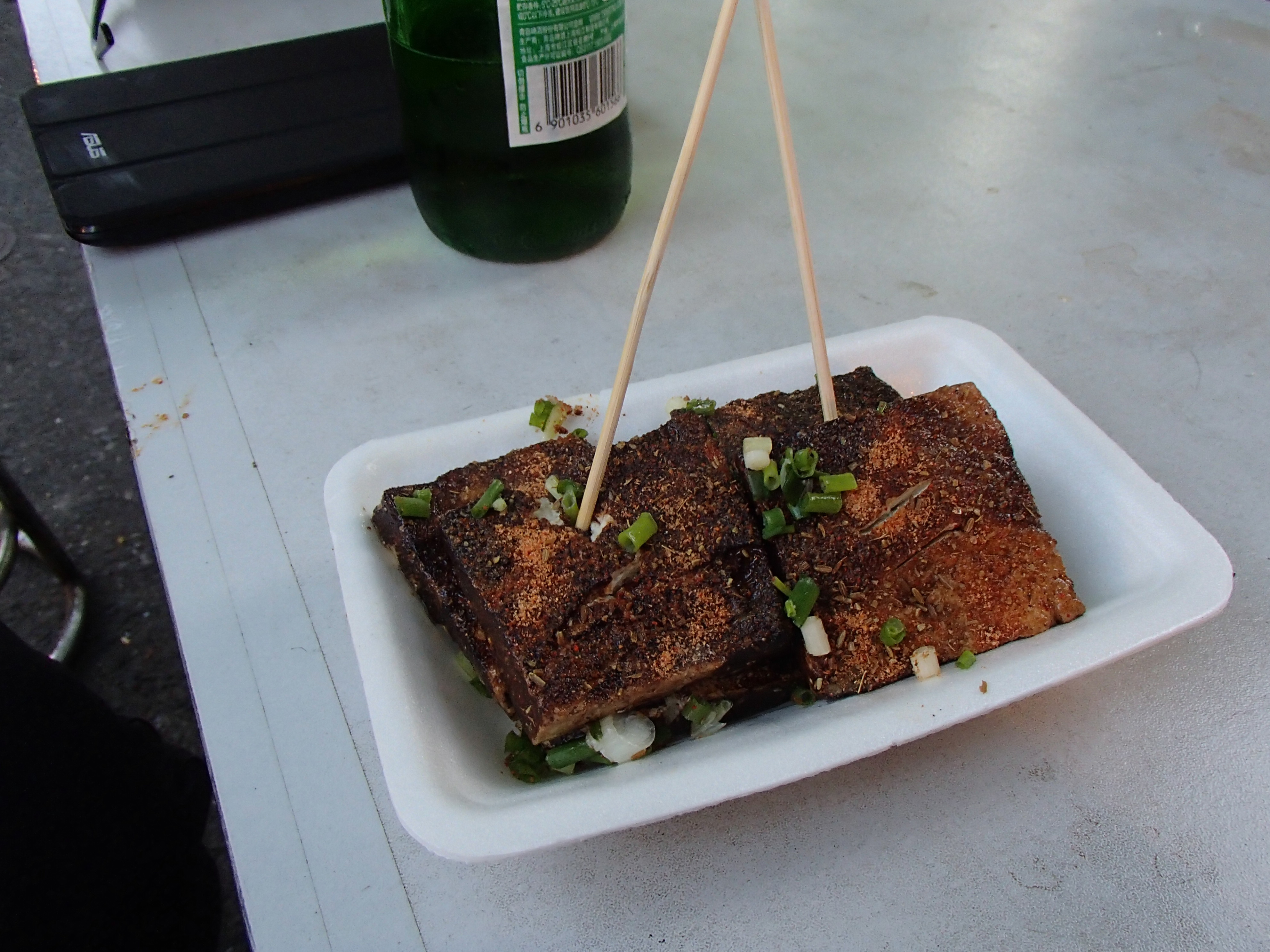
a plate of stinky tofu

Stinky tofu, we can attest, smells like poo. For DaddyBird’s tastebuds, it also tasted like poo. Mine, however, reacted differently and I found it pleasant and almost pedestrian. Therefore, I ate the bulk of the stinky tofu. We followed this up with noodles and bok choy and discovered we were full. There were many other enticing tidbits on offer, so we will have to go back without having a big breakfast first.

I took many, many photos, so click here if you want to see them.
h1

Fujairah Food and History Tour

May 31, 2014

Posted by Kanga. Please do not reblog.

First a word of explanation, at the end of July our residency in the United Arab Emirates will come to an end. We are moving to Shanghai, China. A new job and a new cultural adventure await us. This is why the blog posts have been few and far between lately. First I was spending a lot of time job hunting and now we are spending a lot of time with the paperwork and errands involved in extracting ourselves from one country and moving into another. It is time consuming.

We are also having as many farewell get togethers as we can. Today was  number three, a Fujairah food and history tour.

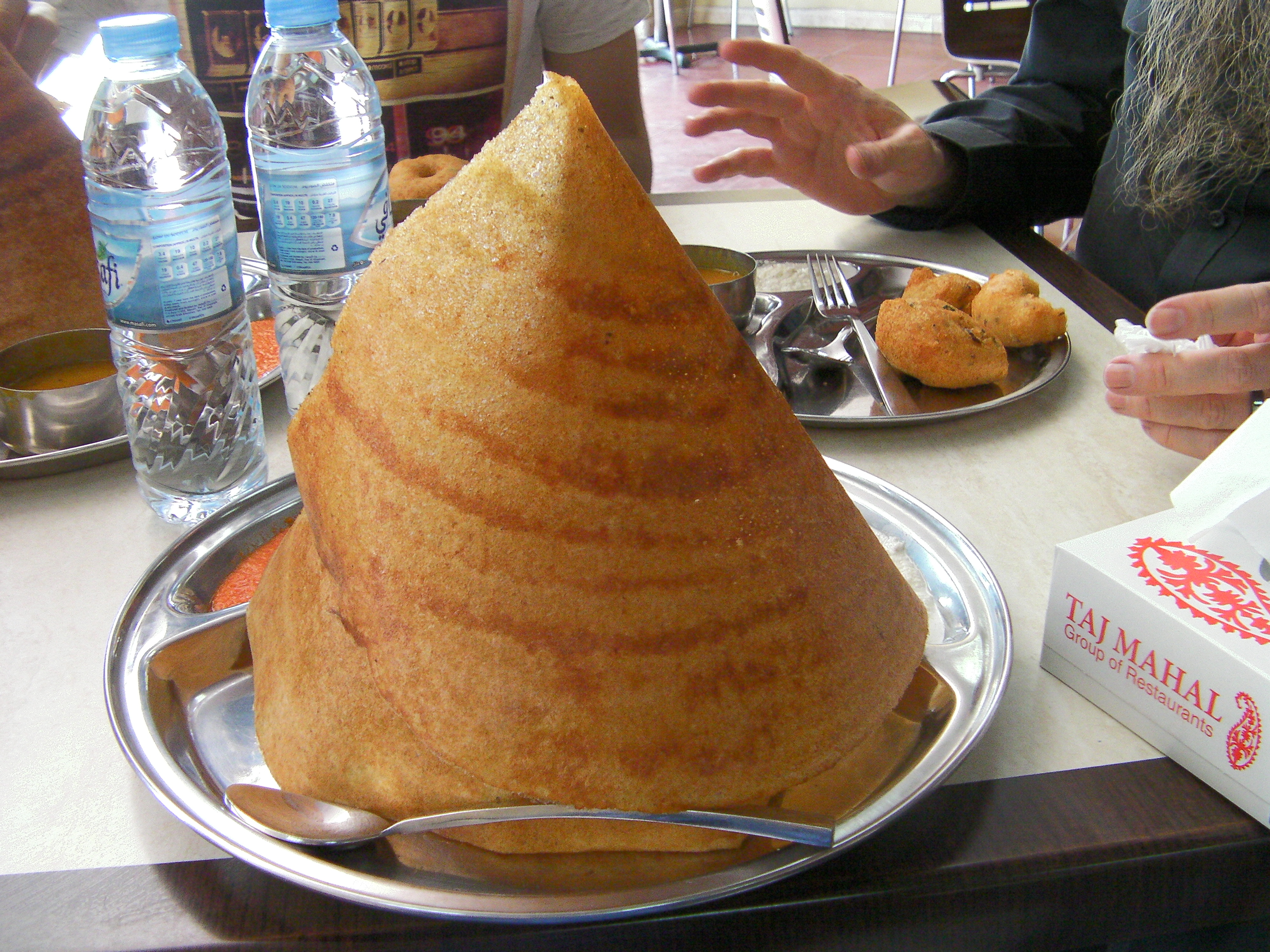
cone shaped crisp flat bread

We began with breakfast at Saffron, a vegetarian Indian restaurant at the Perfume Roundabout. This is ghee roast dosa. We also had idly, vada, poori baji, and tea. Well, some of us had tea. Those who arrived late were shocked to hear the waiter say that they were out of tea. What Indian restaurant runs out of tea?

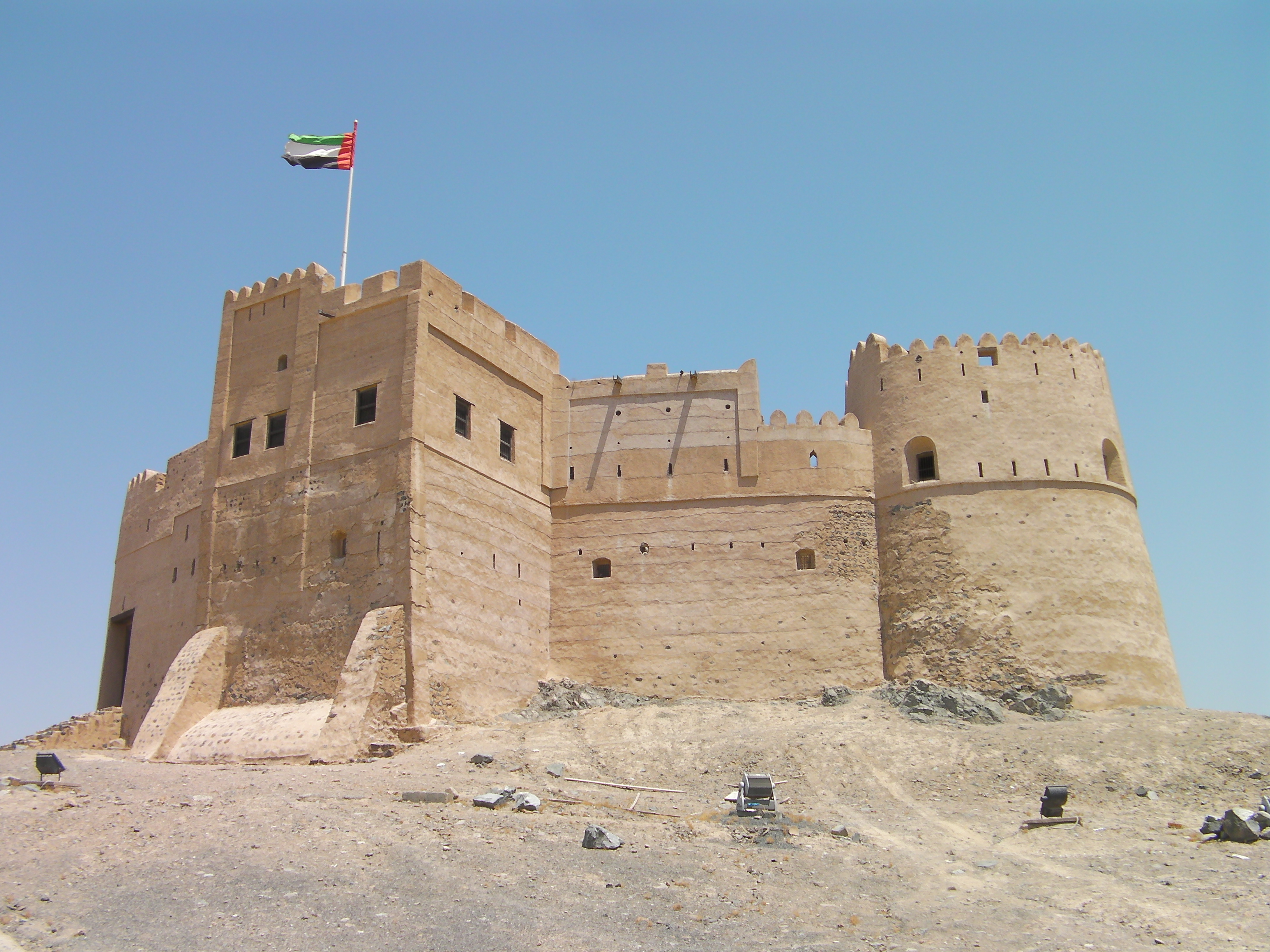
a restored 300 year old fort

Next was a quick stop at Fujairah Fort. The high temperature today was 99F/38C, so it was a bit unpleasant to be getting out of the car.

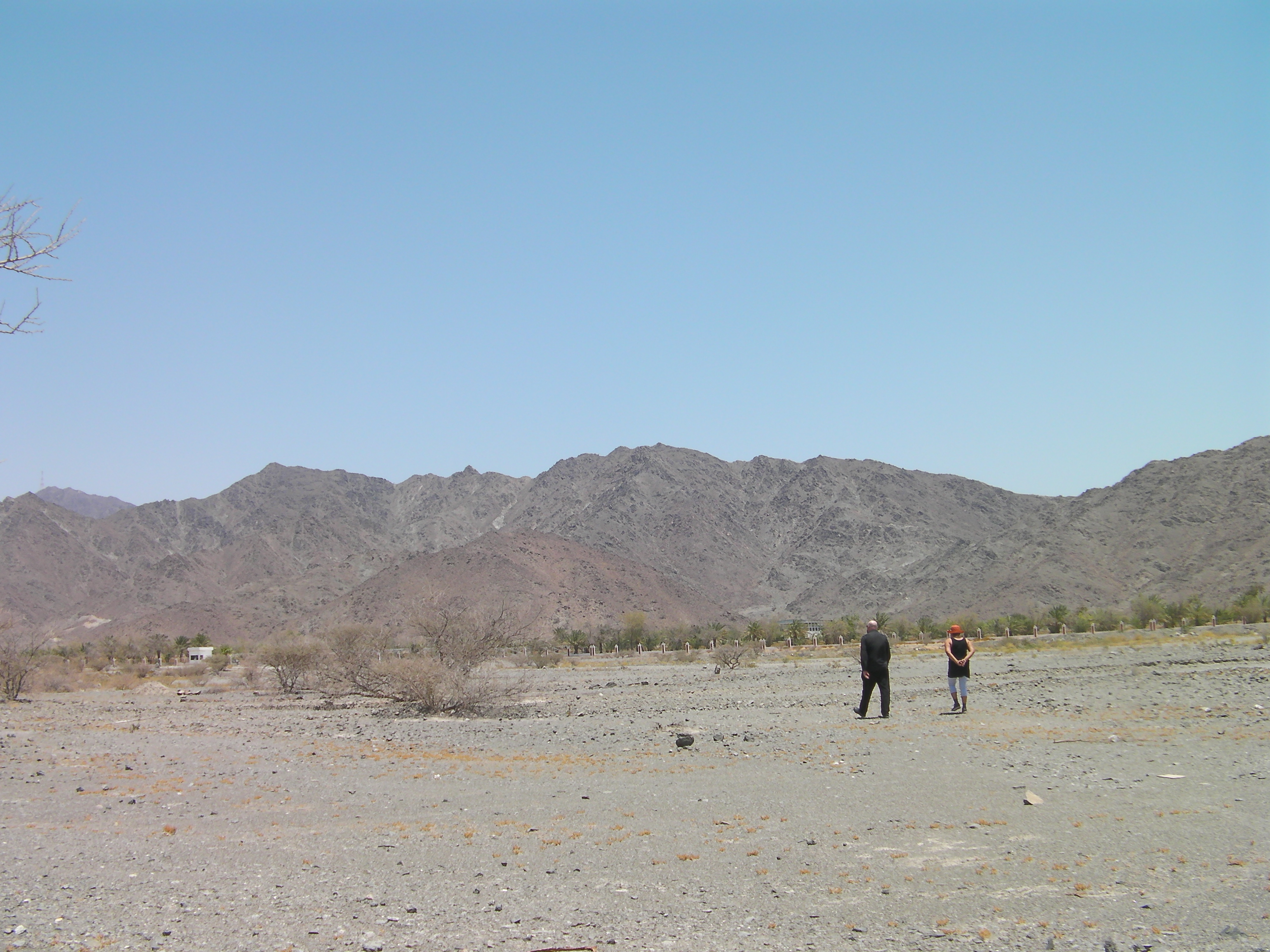
mountains in the distance, flat desert area in the foreground, two people walking

We drove up Wadi Mahdab to see a couple of archeological sites – copper smelting area and old irrigation trough. Again, it was blazing hot, so we didn’t dilly dally.

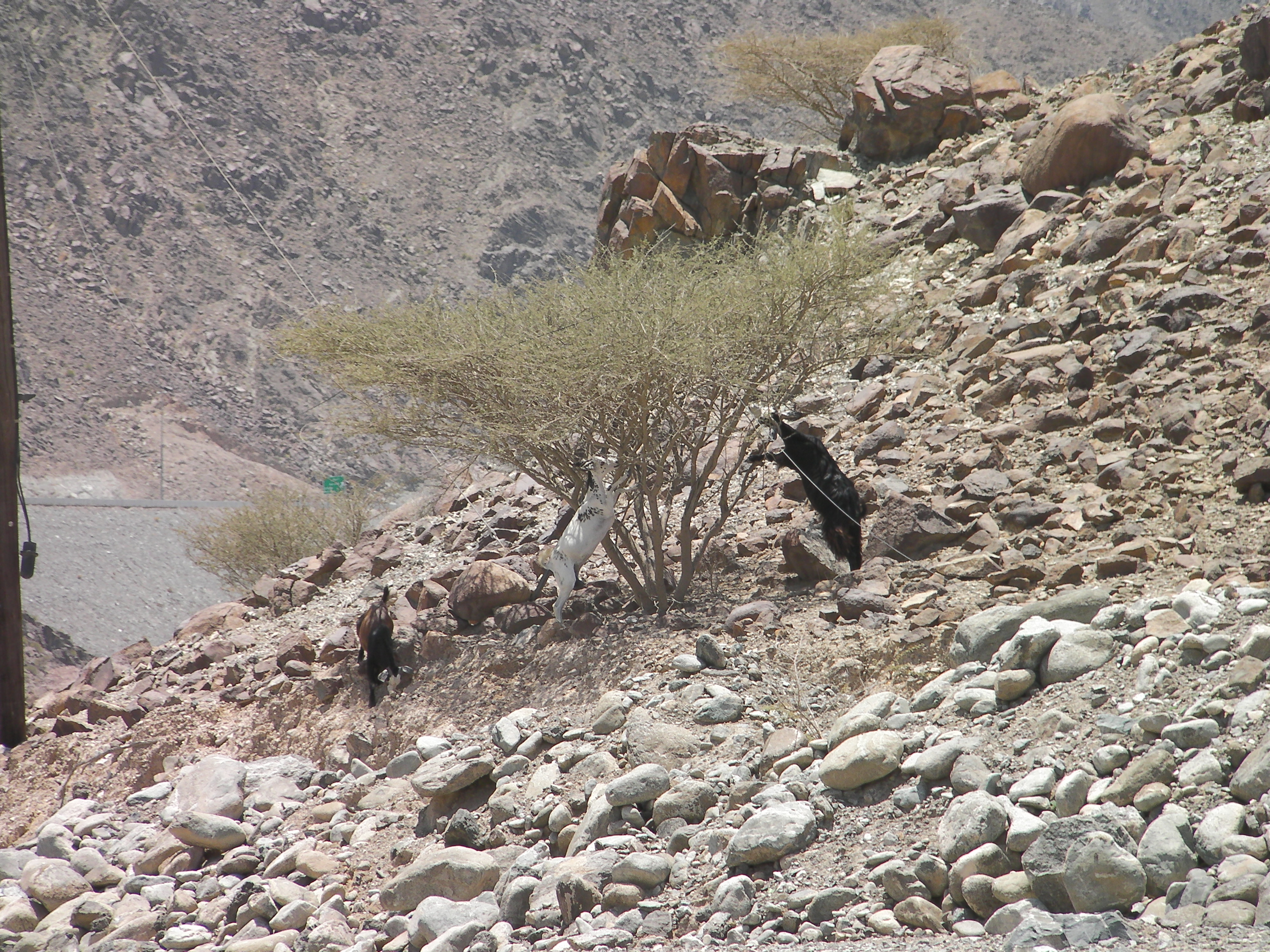
goats nibbling on a tree

We then drove to Gizemri and Wadi Sahm to take brief looks at various archeological sites and goats.

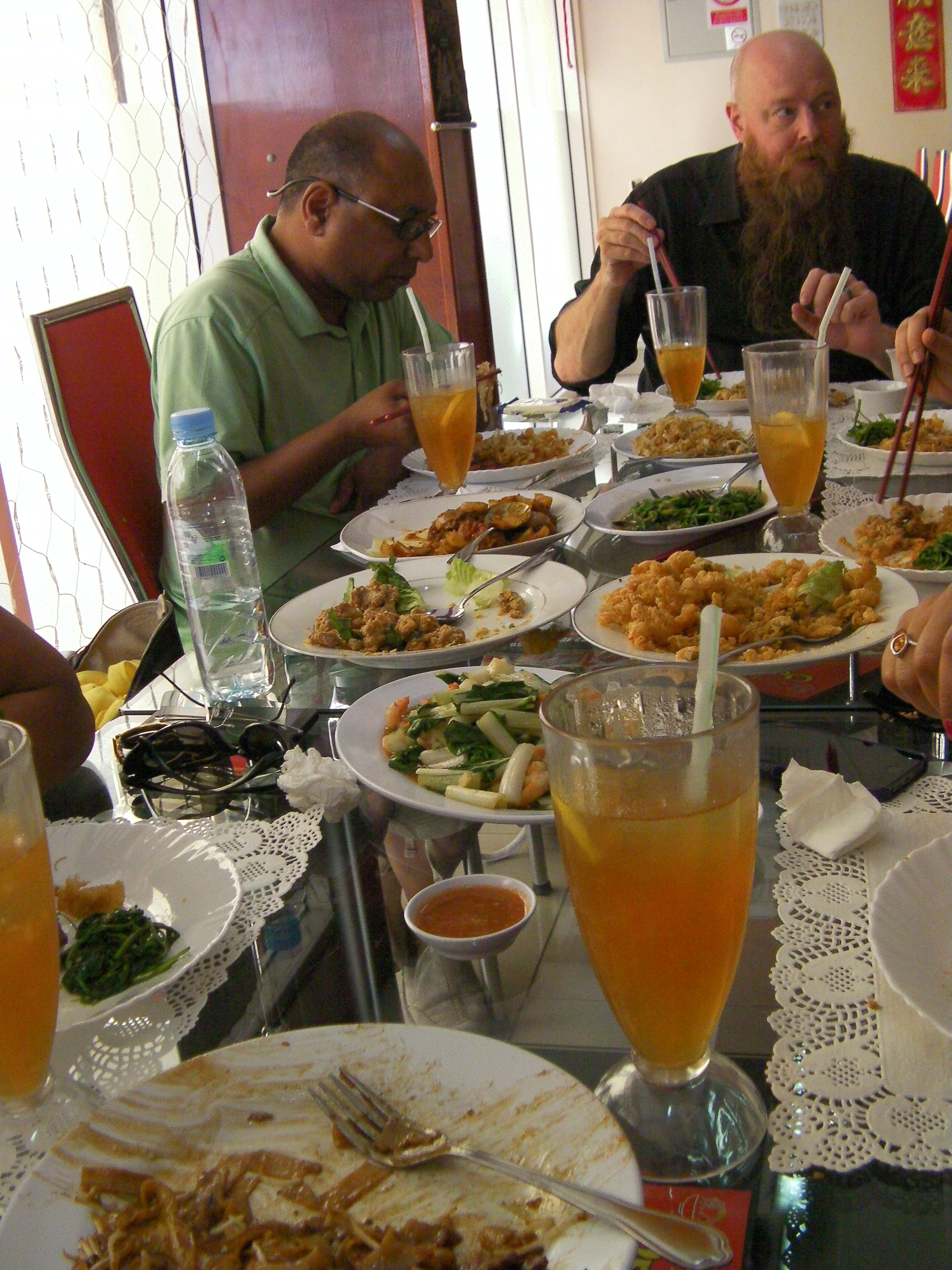
table filled with dishes of food

Lunch at Oriental Restaurant, in which we stuffed ourselves with wonderful food.

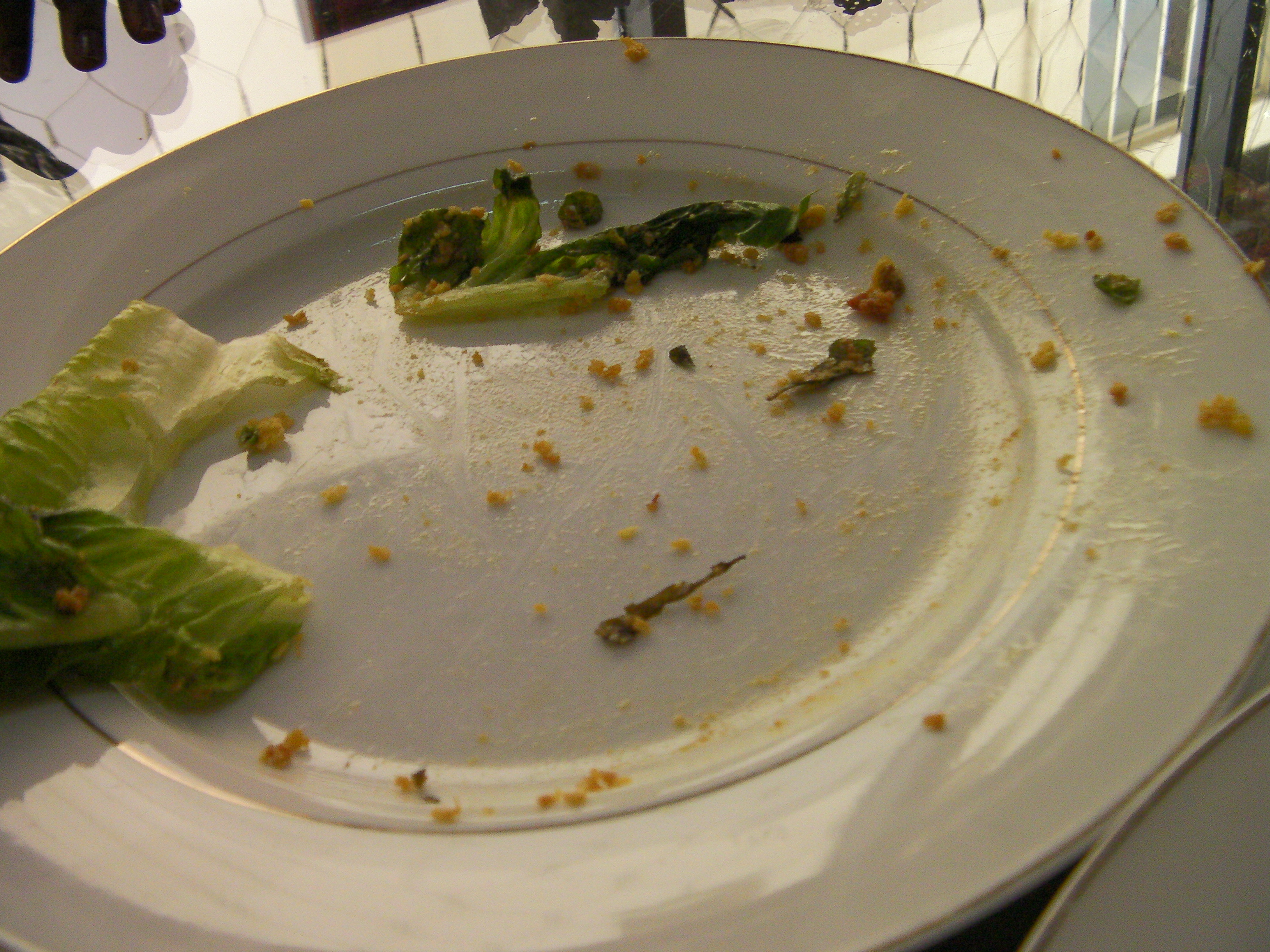
empty plate

Easy come, easy go.

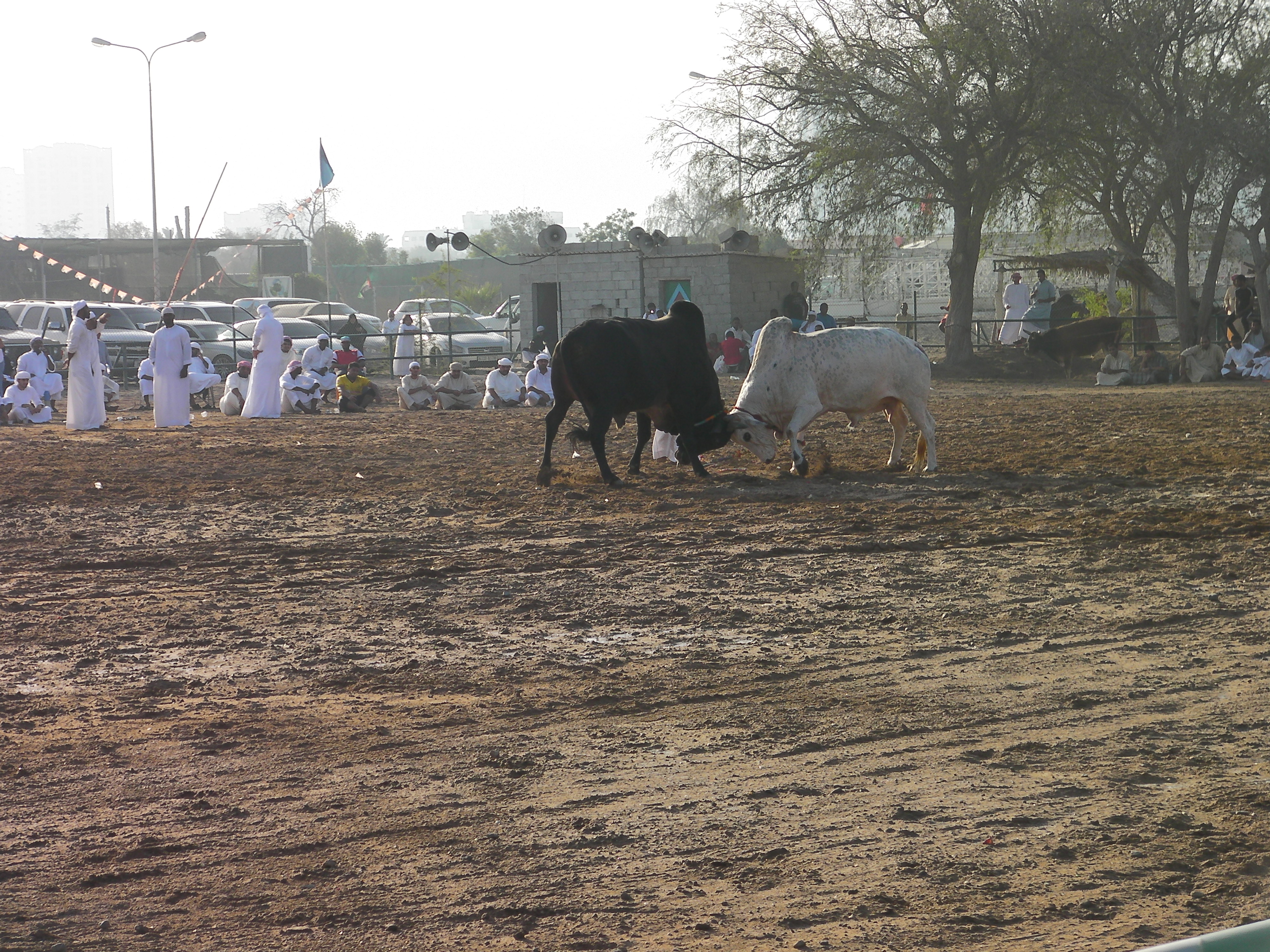
two bulls butting heads

We finished with the bull butting competition.

A lovely day with good food and good friends.

To see all the pictures, click here.

h1

Wadi Safad

May 9, 2014

Posted by Kanga. Please do not reblog.

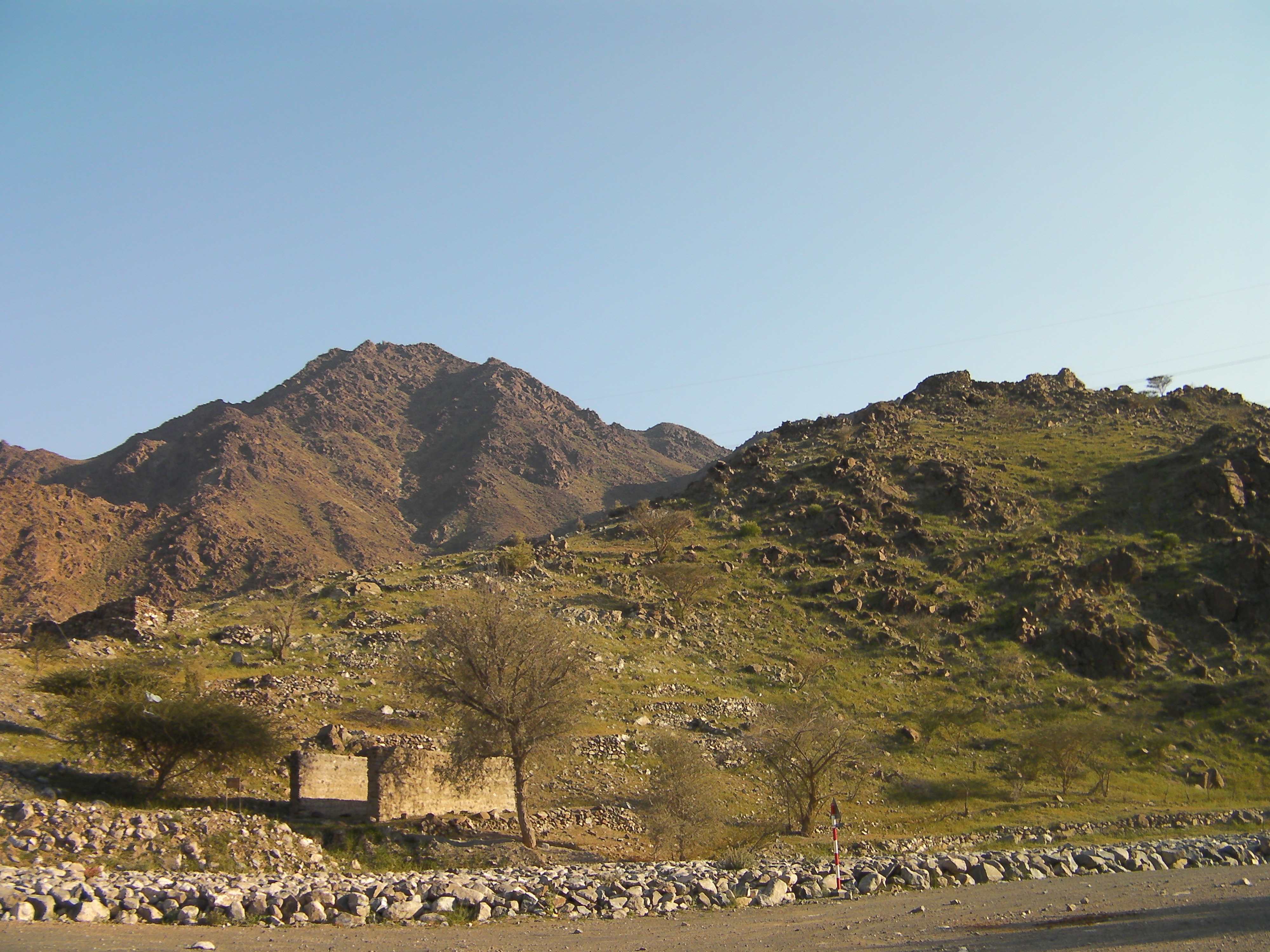
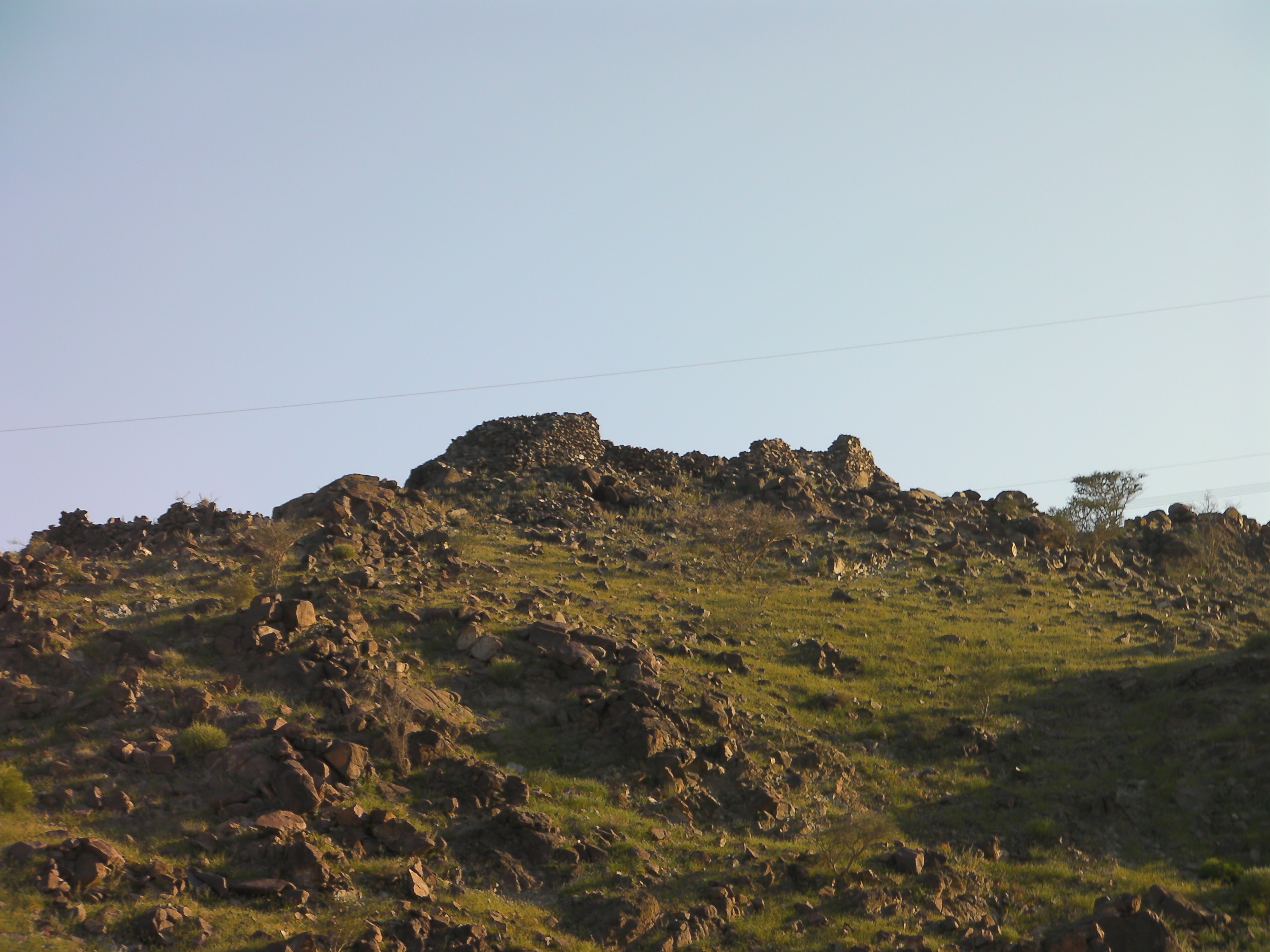
green hill with archeological ruins

This is an archeological site in Wadi Safad. There was a small fort at the top of the hill, houses on the sides of the hill, and a mosque at the lower left. The two standing walls are a newer structure, probably a tobacco drying shed. Notice how green the hill is. This photo was taken in February and proof of how wet this winter was.

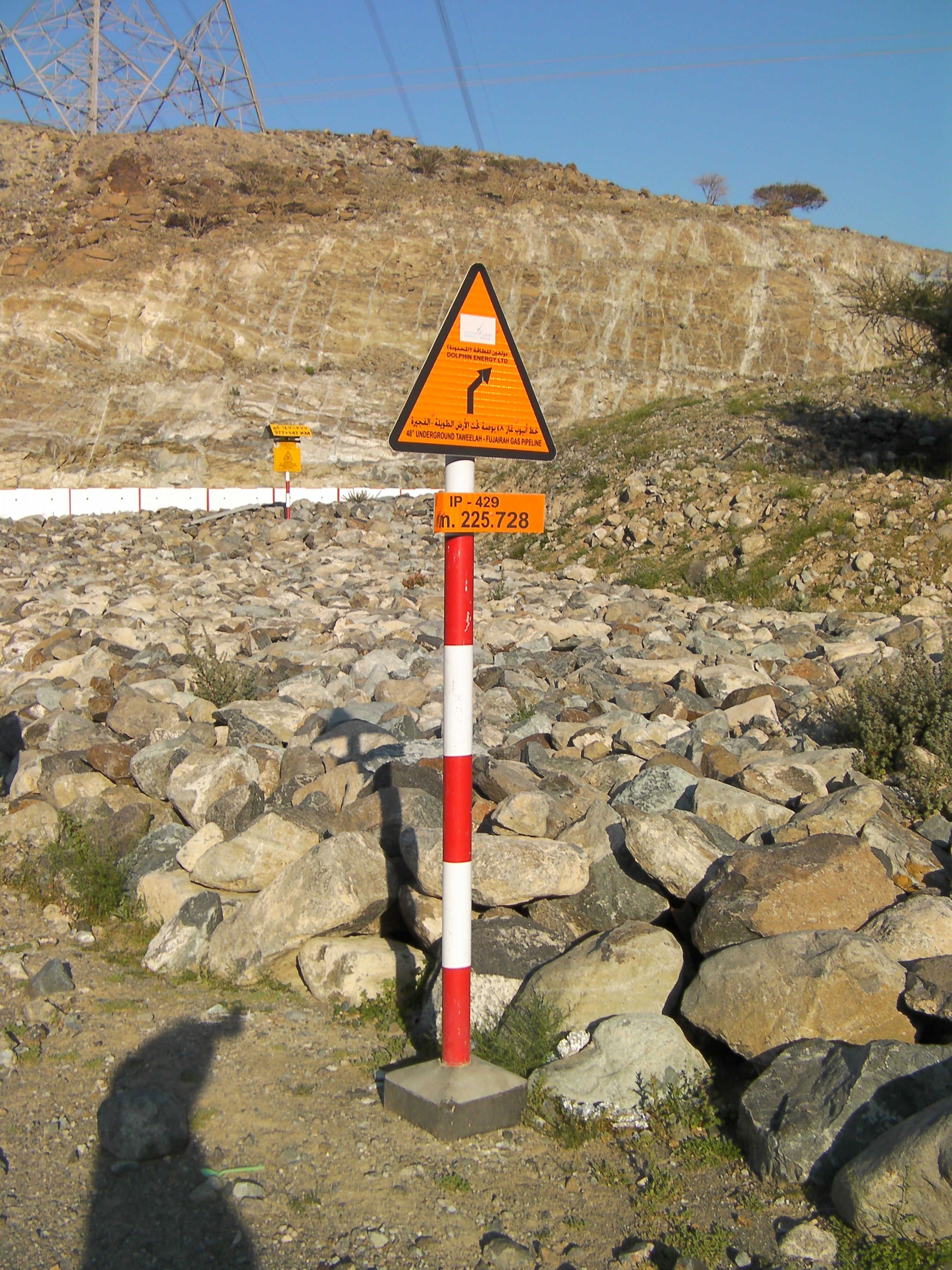
buried pipeline and warning sign

Not only does the road cut through this archeological site, but right up against the base of the hill is the oil pipeline that runs from Abu Dhabi to the Fujairah port.

close up of fort ruins at top of the hill

Close up of the fort at the top. For more information, read An archaeological and architectural evaluation of a fort in the Wadi Safad, Emirate of Fujairah and A Preliminary Survey of the Archaeology of Wadi Safad, Fujairah, UAE.

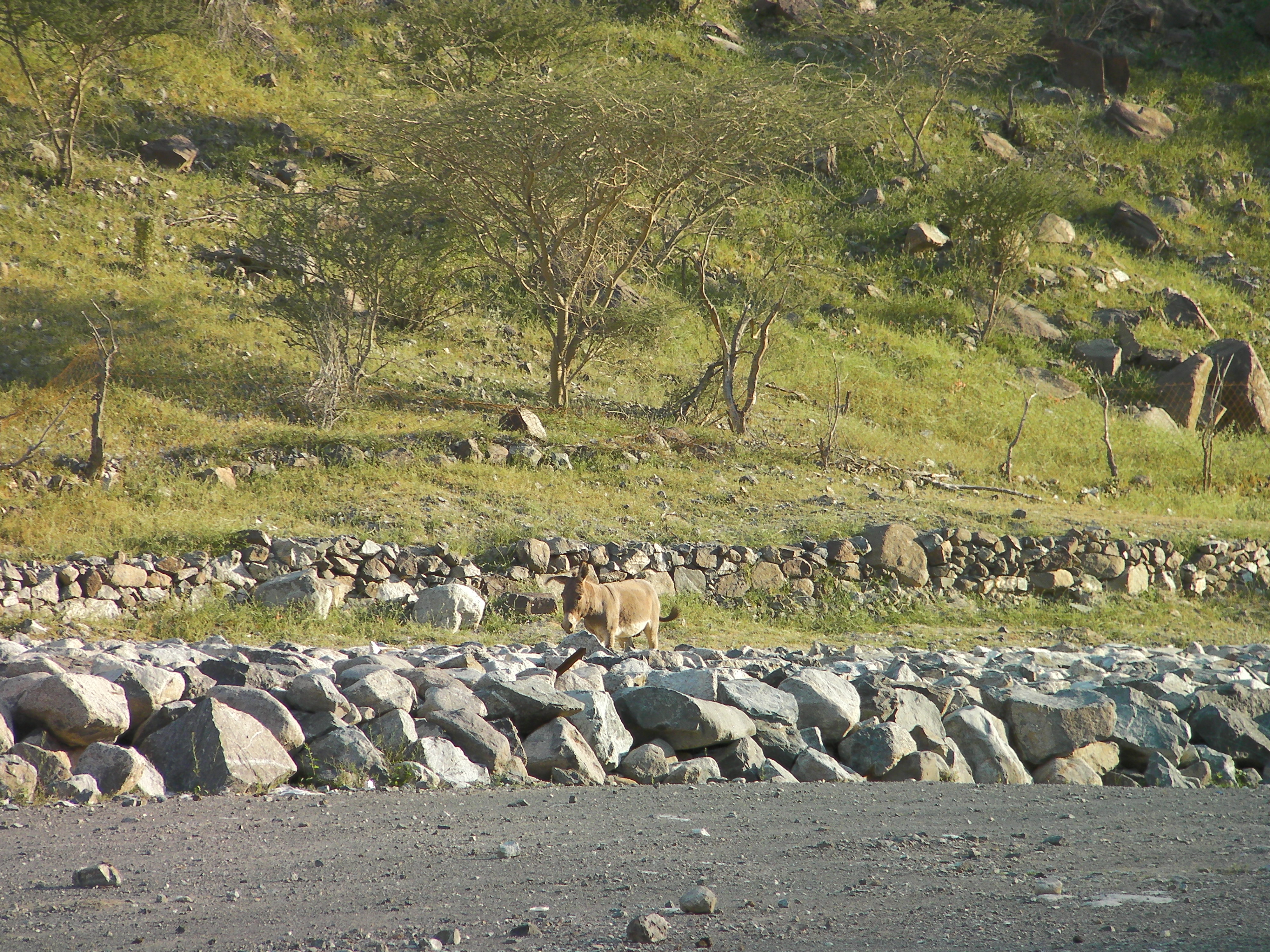
feral donkey

A donkey wondered along while we were there.

h1

Old Esfai

May 3, 2014

Posted by Kanga Please do not reblog.

On our way home from Dubai one day while it was still light out (which is rare for us), we took the Esfai turn off to see what there is to see.

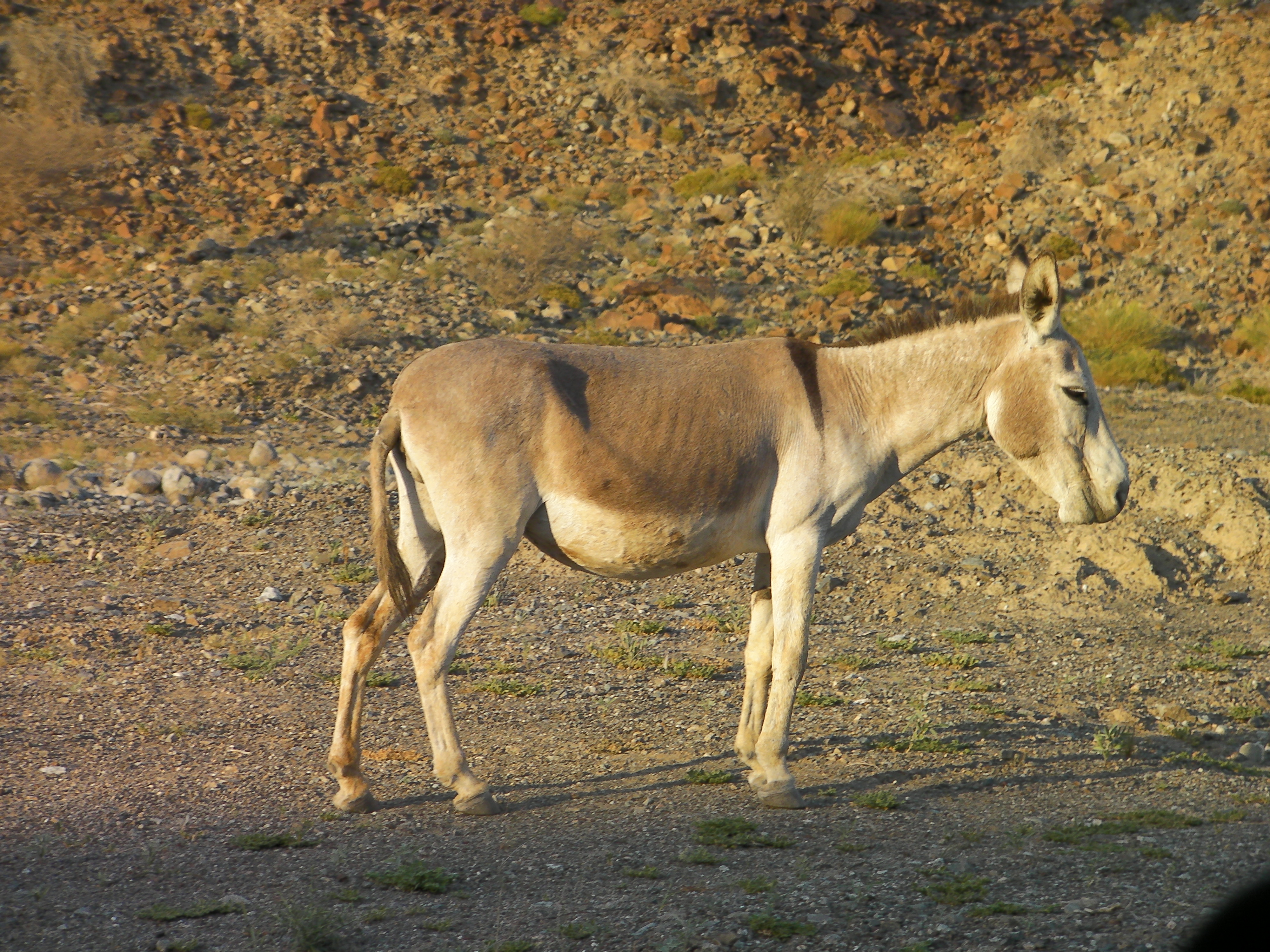
light colored feral donkey

Feral donkeys are common in the mountains and usually travel in multiples of two. This one is unusually pale in color and seems to have a foal in the oven, so to speak.

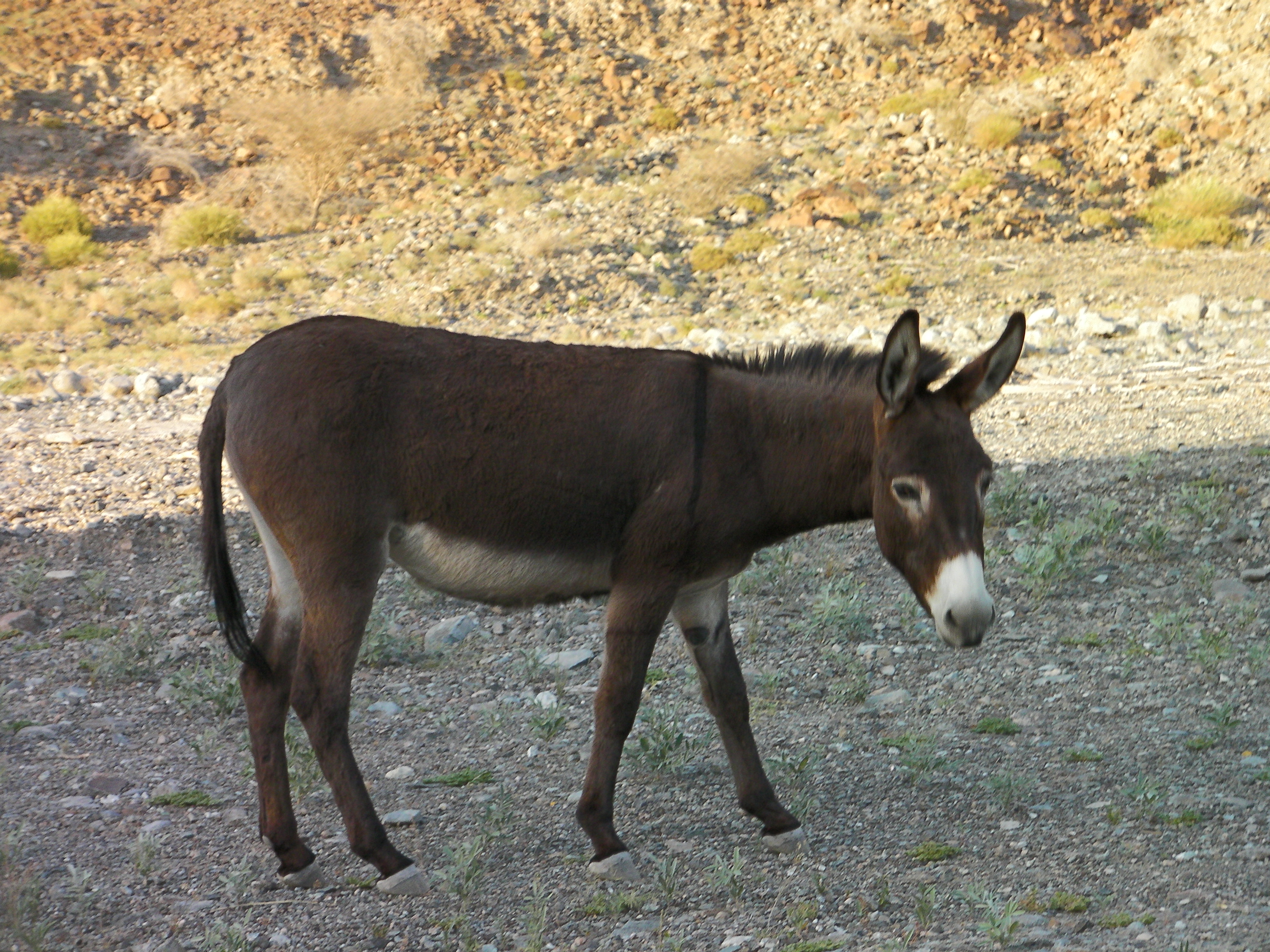
dark brown feral donkey

I assume her traveling companion is the sire. They have had a bounteous year with the winter rains resulting in more grasses and bushes to eat.

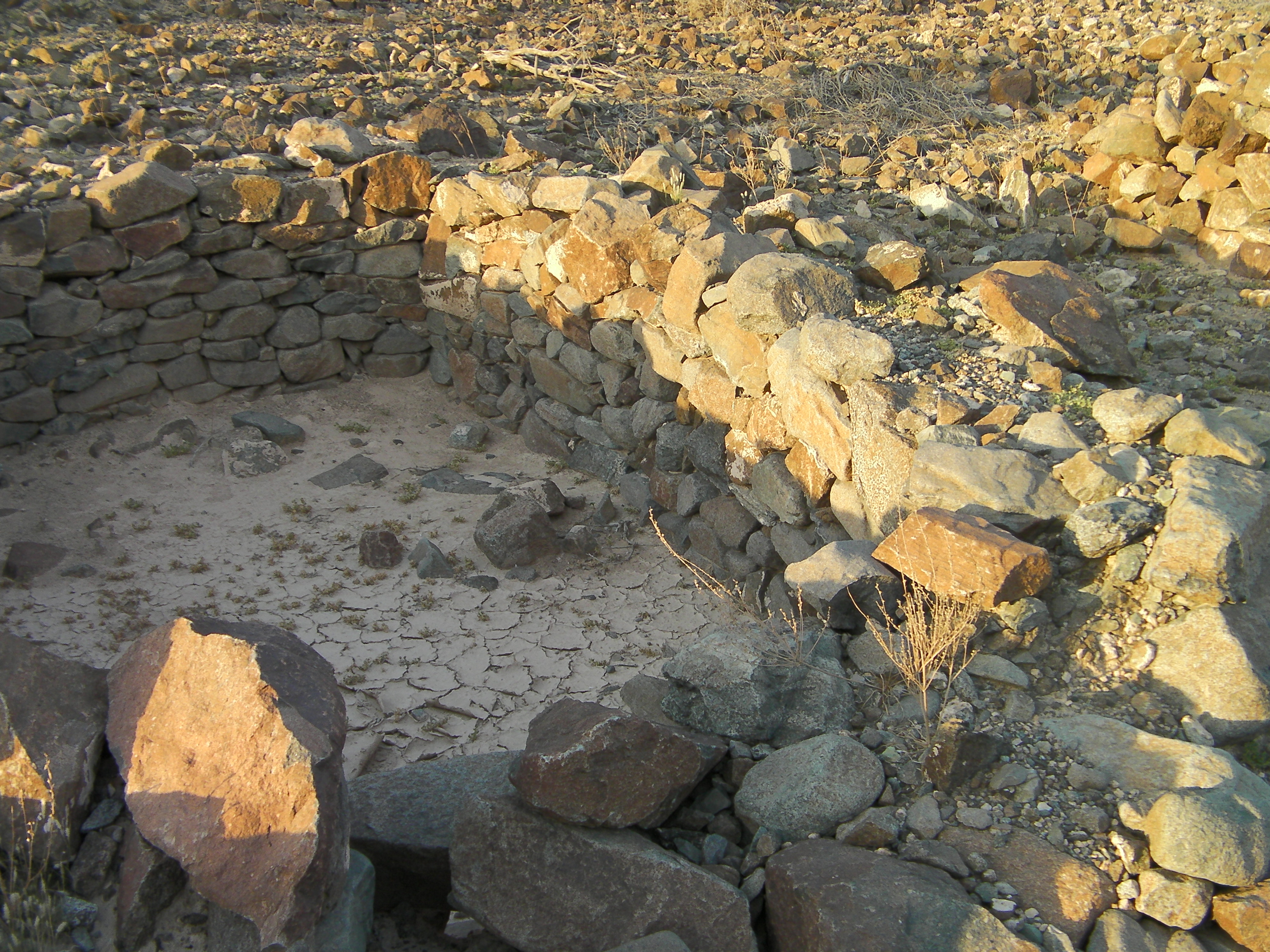
ruins of a stone house

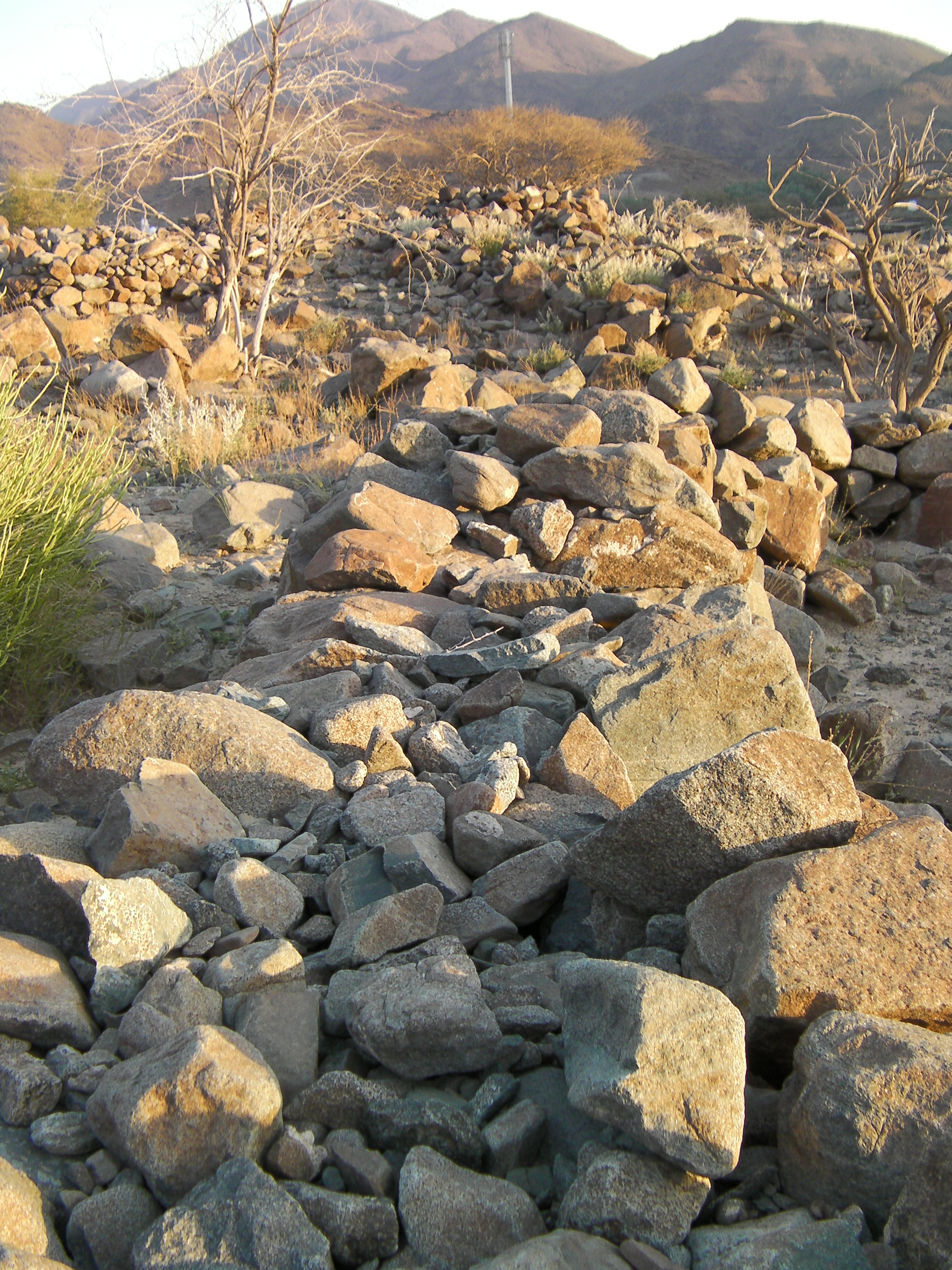
We briefly explored the remains of the old village. There are newer modern houses further up the valley, but these are more interesting to us. Many of the structures had double rock walls – large rocks on the outsides of the wall with gravel filling the gap between. Very strong, I should think.

rock wall made of two rows of large stones with smaller stones filling the gap between

Here’s a closer view, although the filler rocks in this one are larger than gravel.

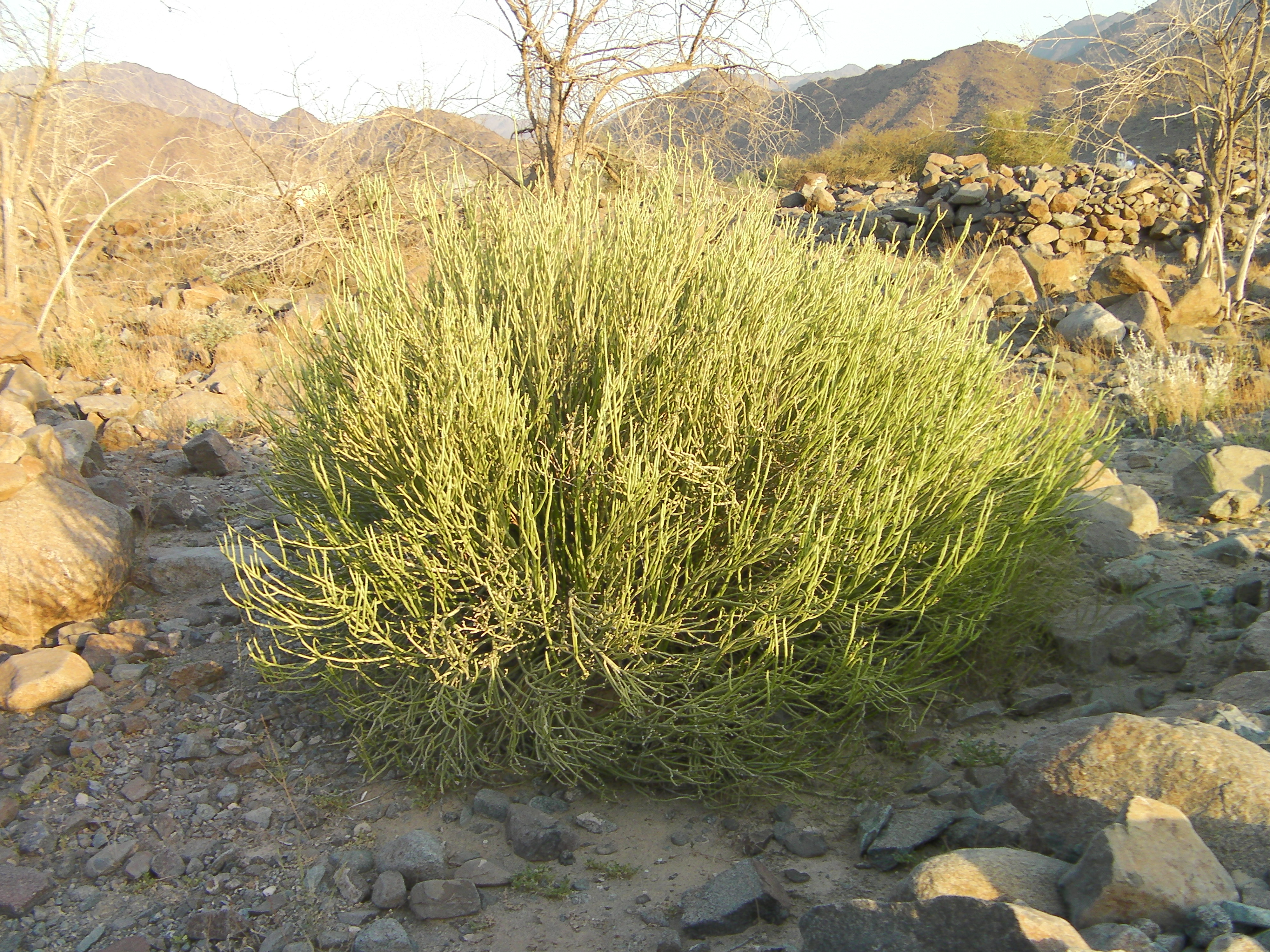
large green bush

This bush is proof of the wet winter. It is about a meter high.

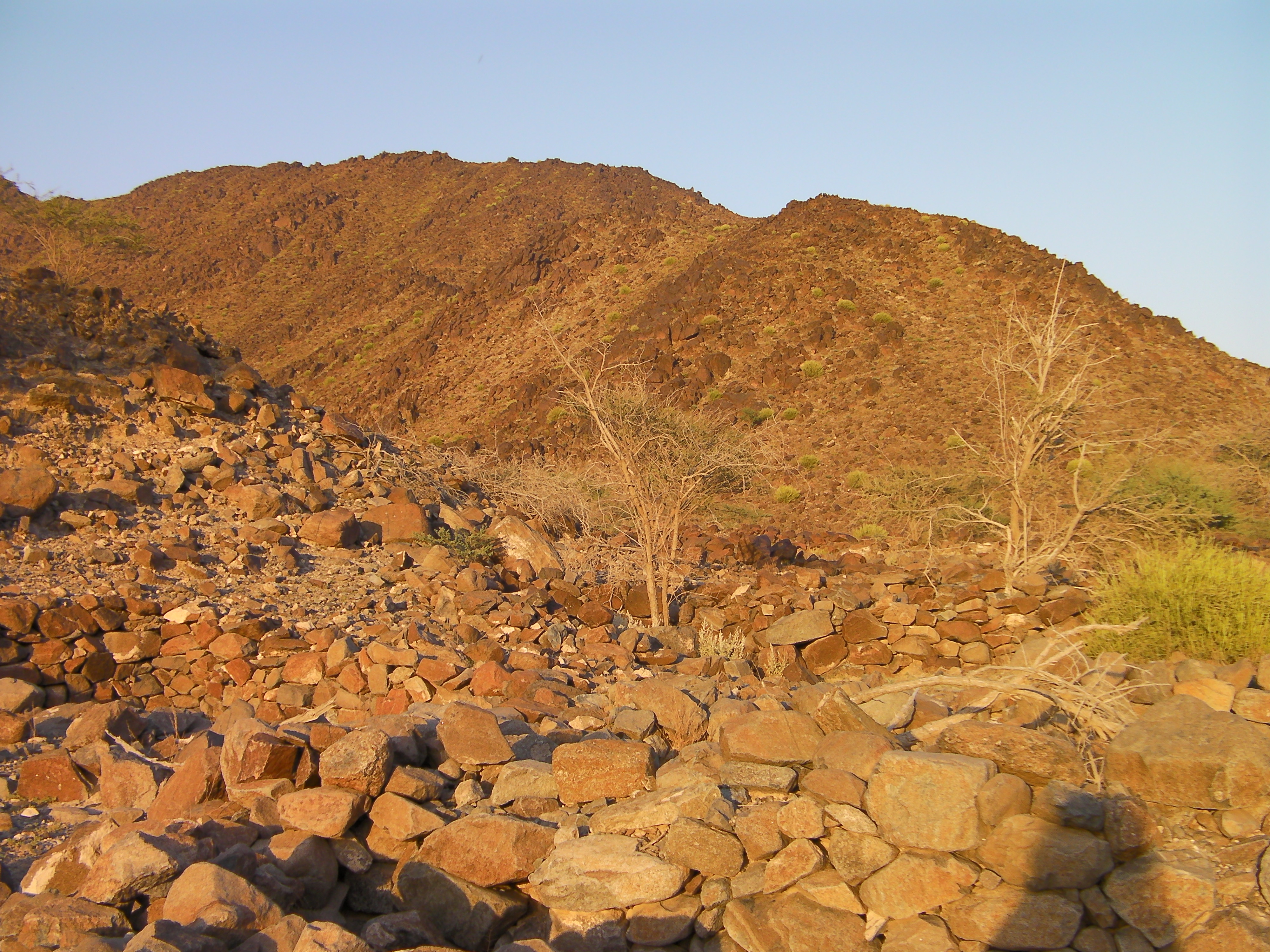
stone house ruins in the foreground, hills in the background

For all the pictures, click here.

If it seems odd to you that this would be in Ras Al Khaimah, that is because the emirates are not necessarily contiguous. RAK is actually in two large, but separate areas. This map shows the layout of the emirates fairly well. We drive through Fujairah, Ras Al Khaimah, and Sharjah to get to Dubai.

h1

Prague Castle and St. Vitus Cathedral

April 8, 2014

Posted by Kanga. Please do not reblog.
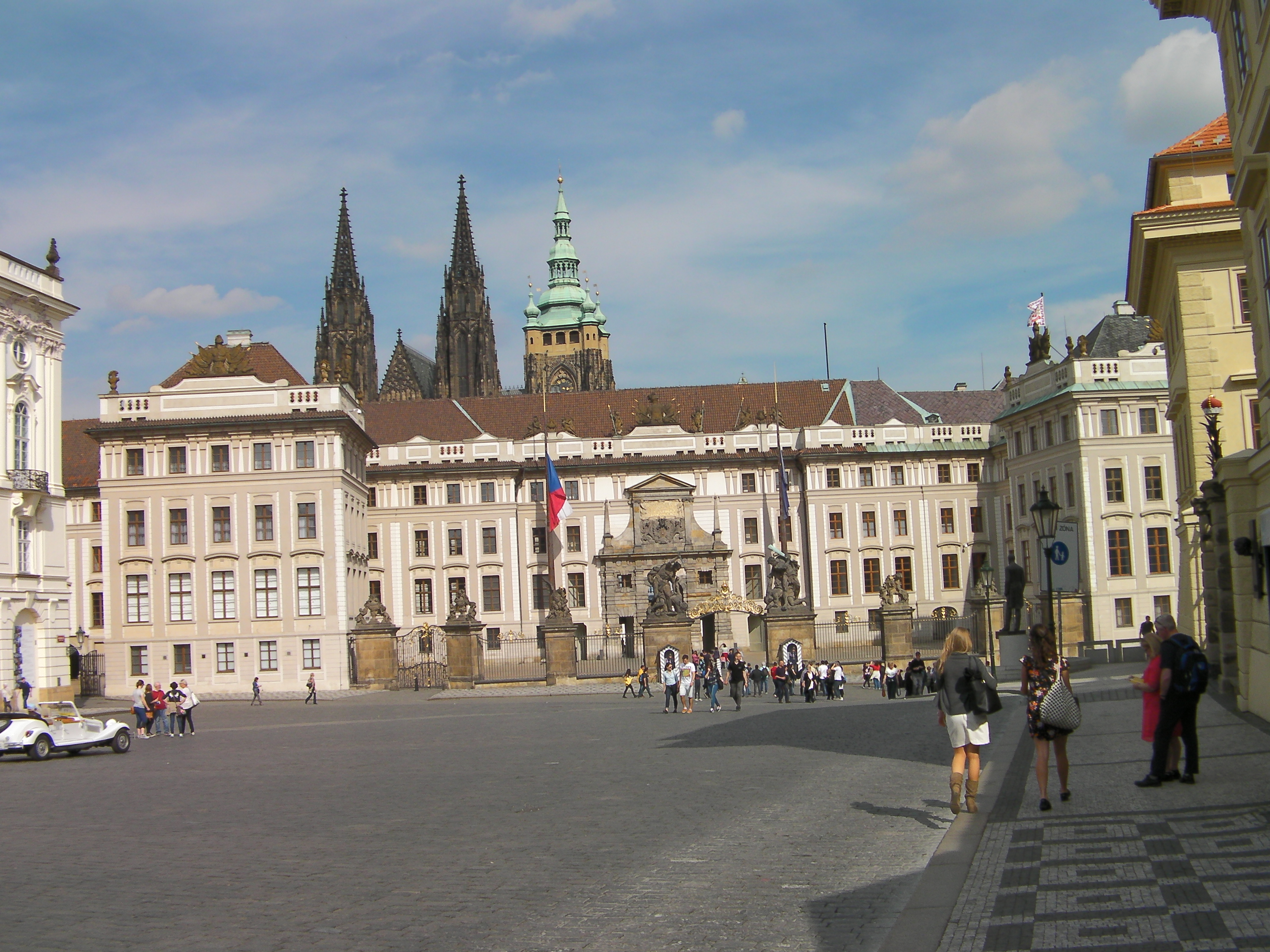
main entrance to the Prague castle
We took the tram up to the top of the hill and walked down to the castle. (Interesting point of information – the castle is still used as the seat of government and the presidential residence.) Click here to see all the pictures. Click here for a map of the castle grounds.

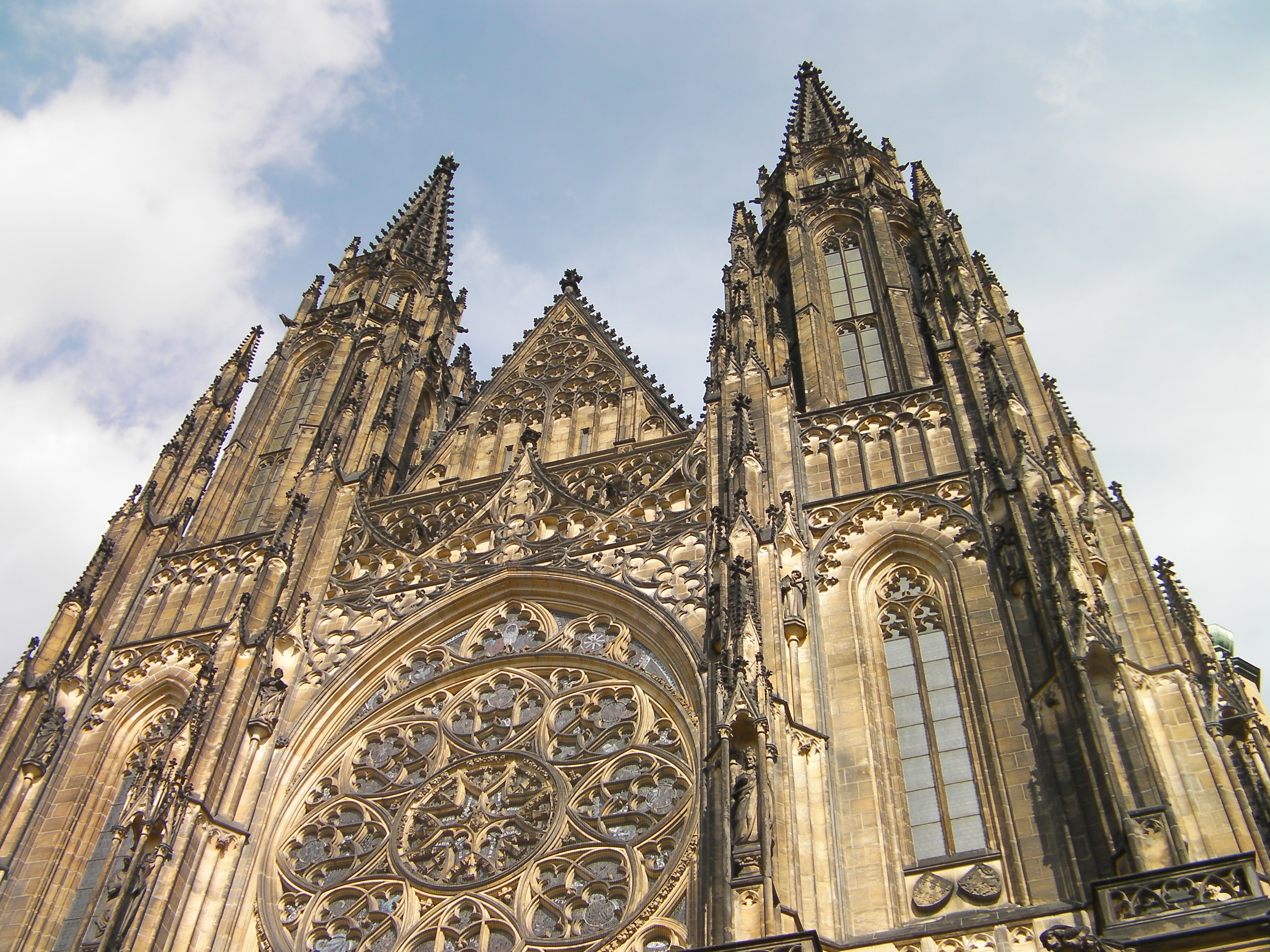
cathedral spires

Within the castle grounds is St. Vitus Cathedral. To see the interior photos I took, click here. Click here for a map of the cathedral.

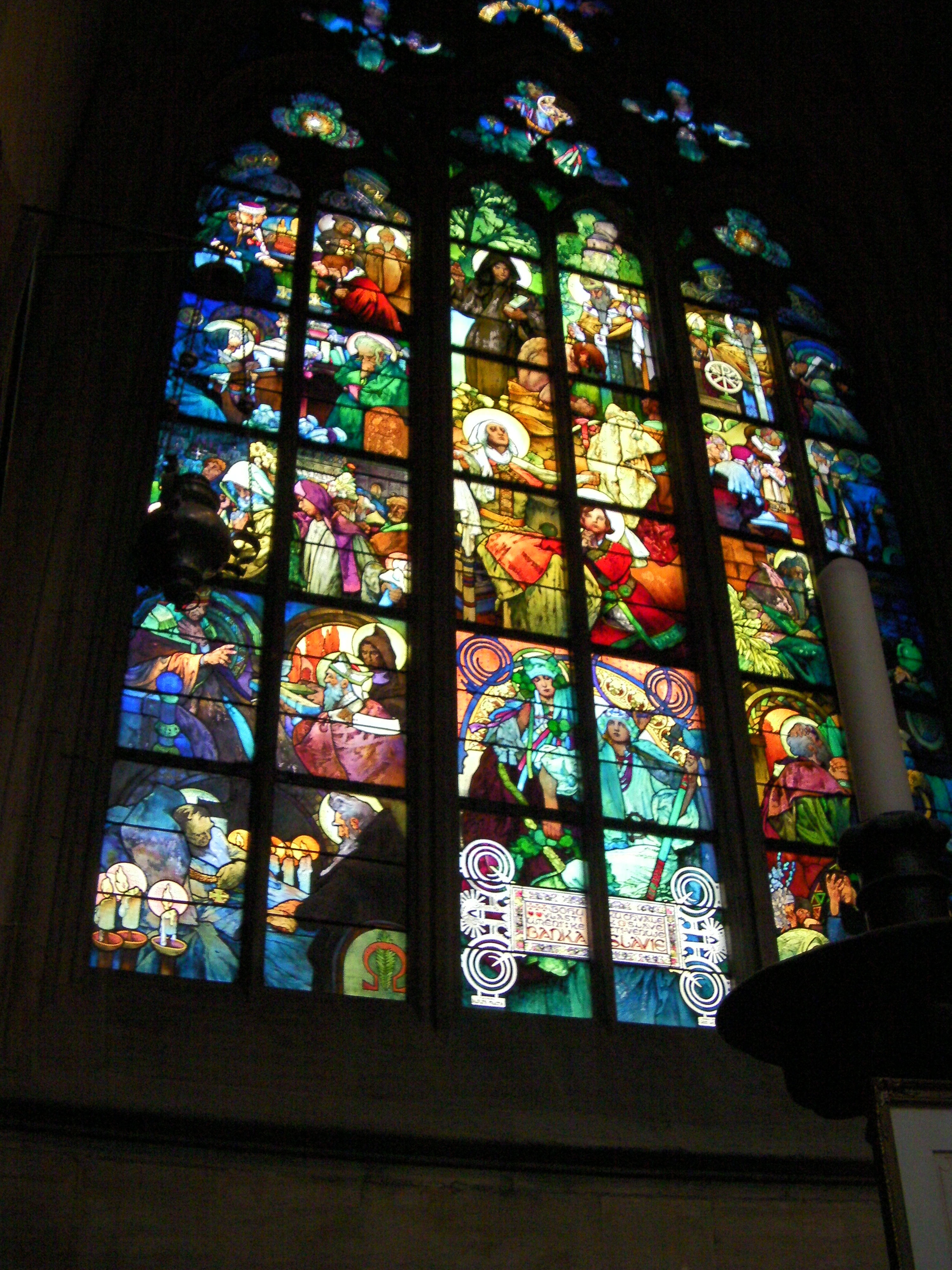
stained glass cathedral window

Many beautiful stained glass windows in many different styles.

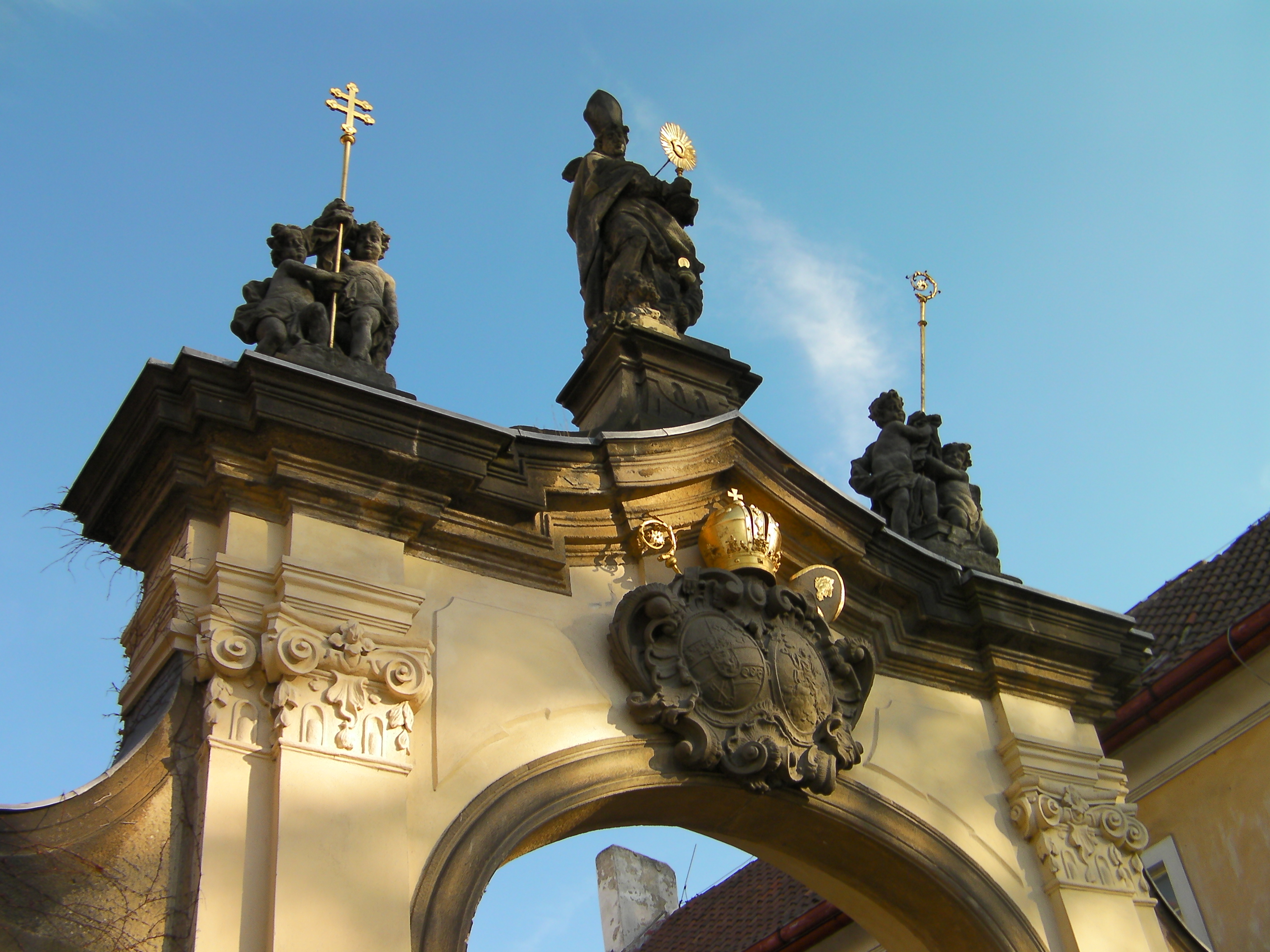
entrance gate to the Strahov monastery

After touring the castle grounds and walking down the hill to the tram stop, we took the tram back up to the top again so that we could have dinner at the Strahov Monastery.

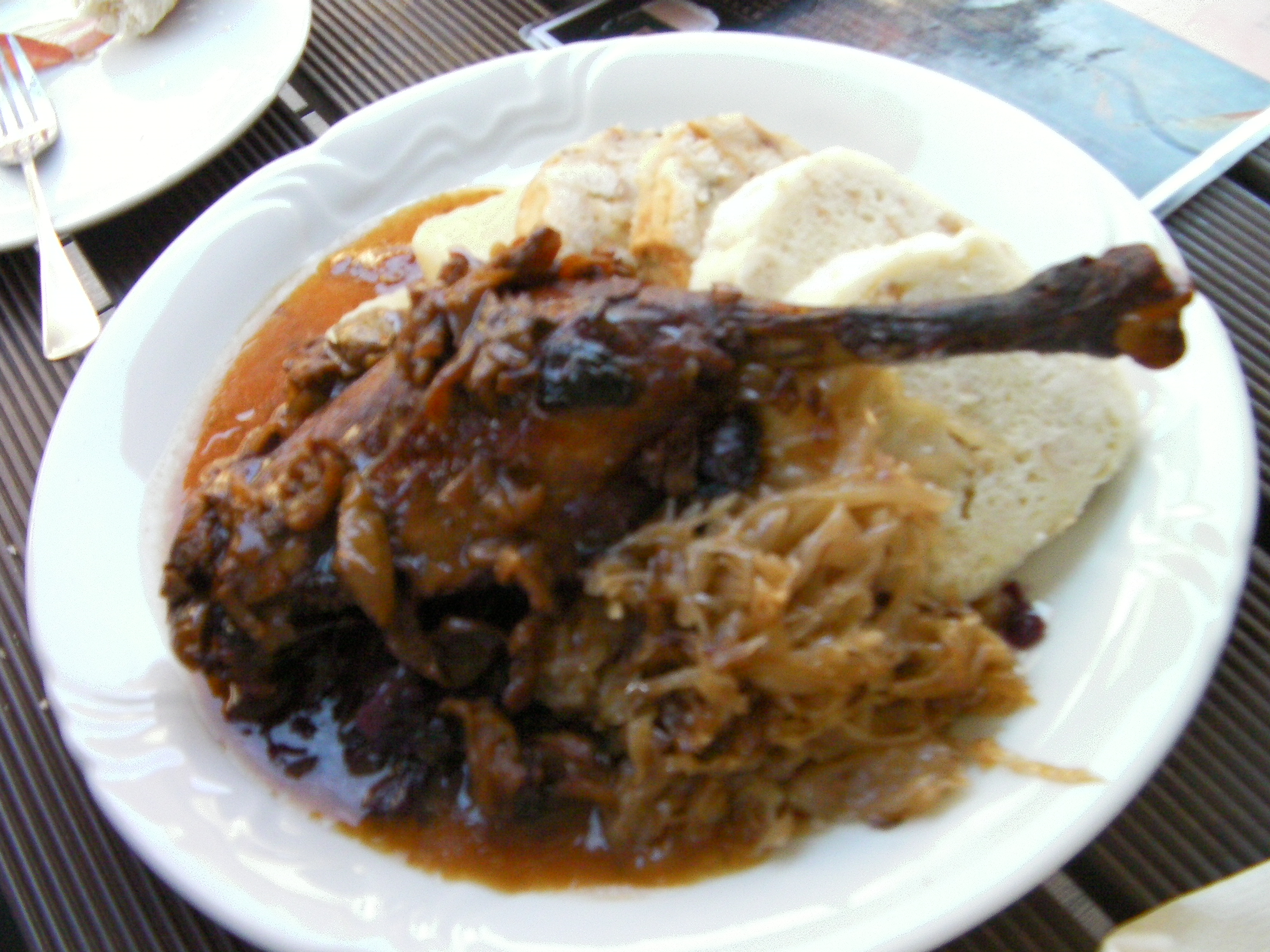
plate with goose leg, cabbage, dumplings

We ordered goose and duck. The goose entré was the best. The duck was good, but not as tender and lovely as the goose. The chef didn’t seem to know what to do with spinach except cook it to death.

plate with duck, spinach, dumplings

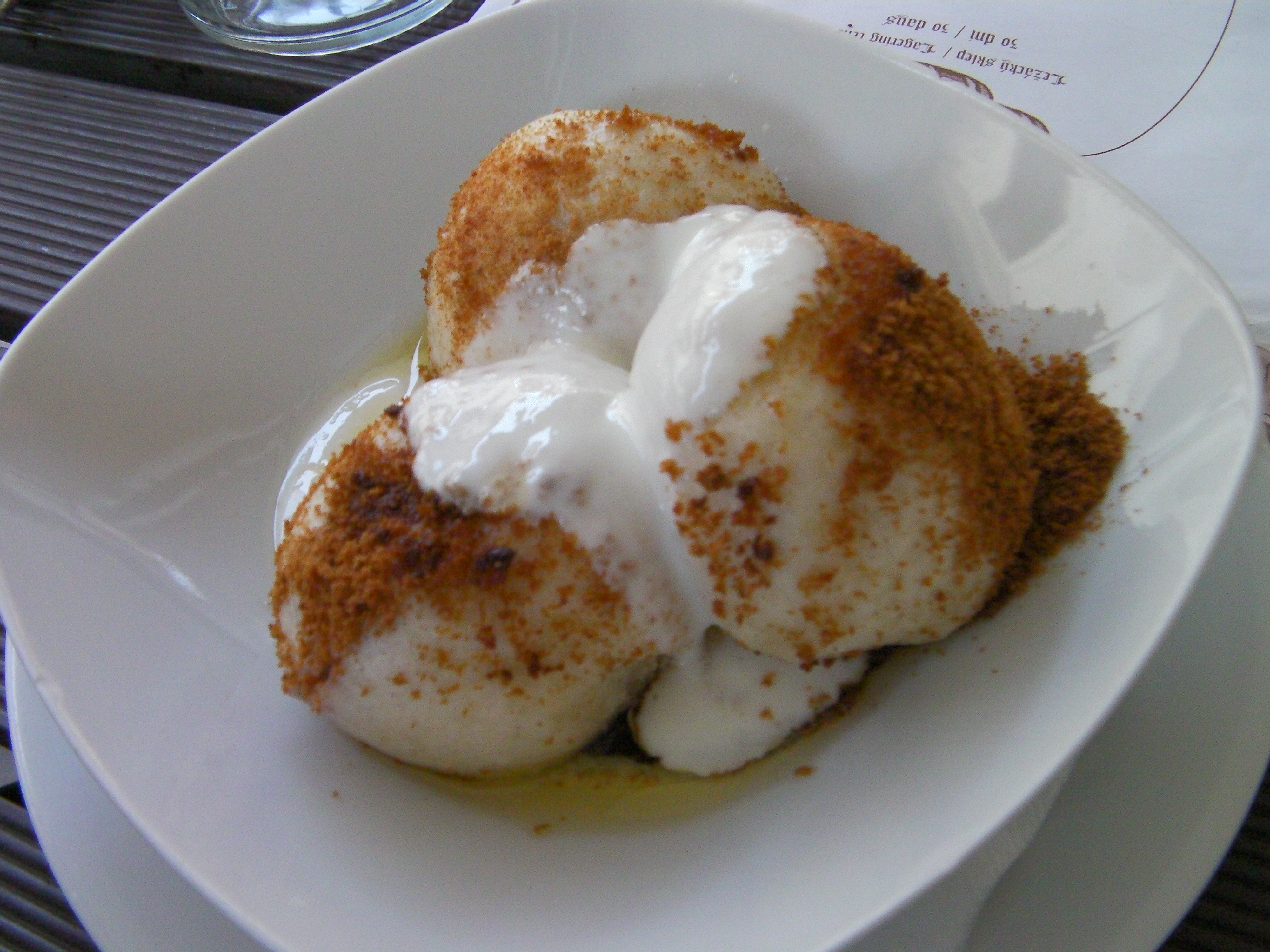
I ordered stuffed gingerbread dumplings with plum sauce. The dumplings were not made of gingerbread, much to my disappointment. I am not impressed with Czech dumplings, whether savory or sweet. They are tough and tasteless. Inside was half a plum and the plum sauce was delicious, so it wasn’t all bad.

dumplings, plum sauce, cream

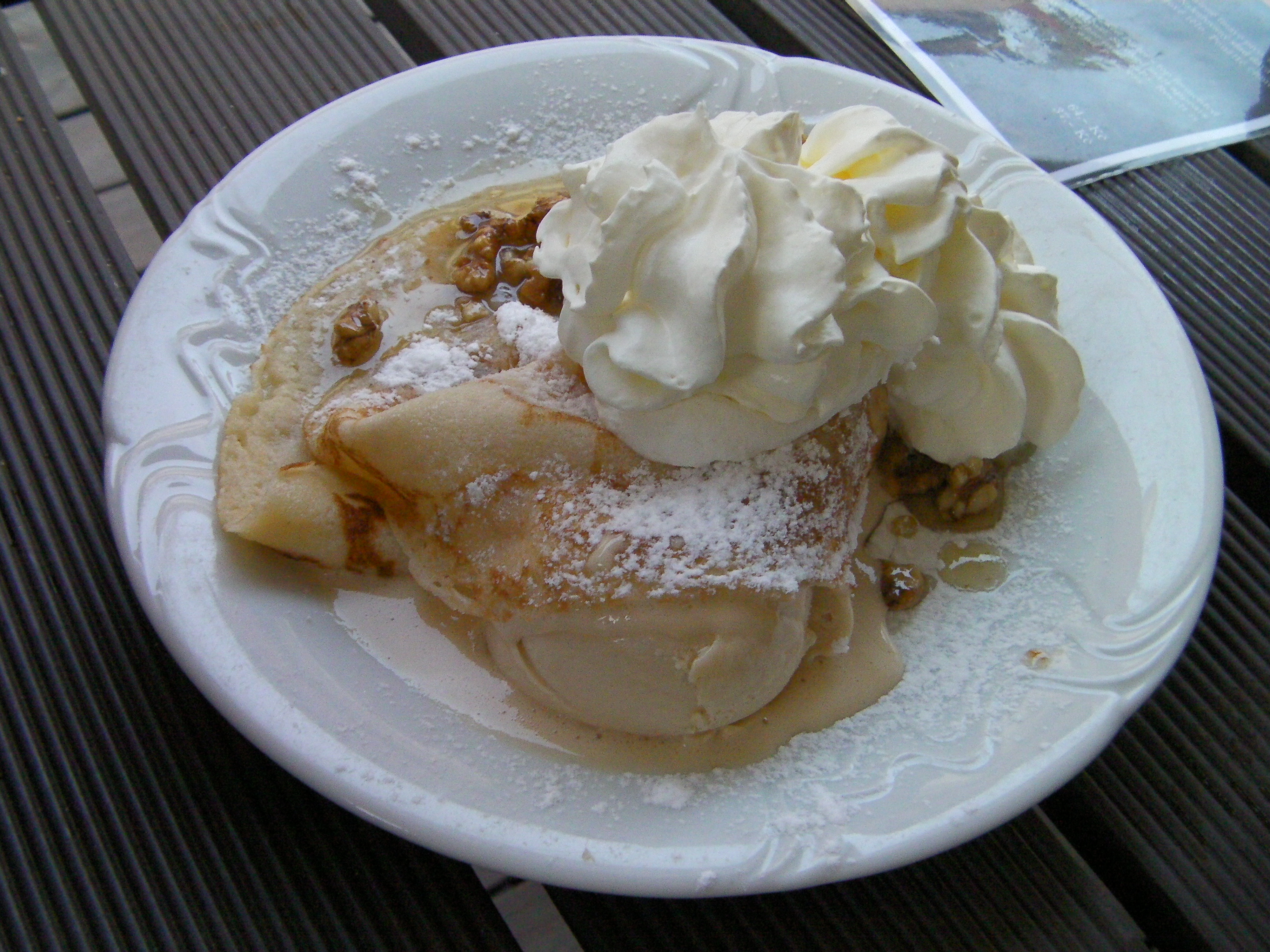
DaddyBird had the pancakes with beer ice cream. I had a little taste of the ice cream and it was yummy.
crepes, ice cream, whipped cream

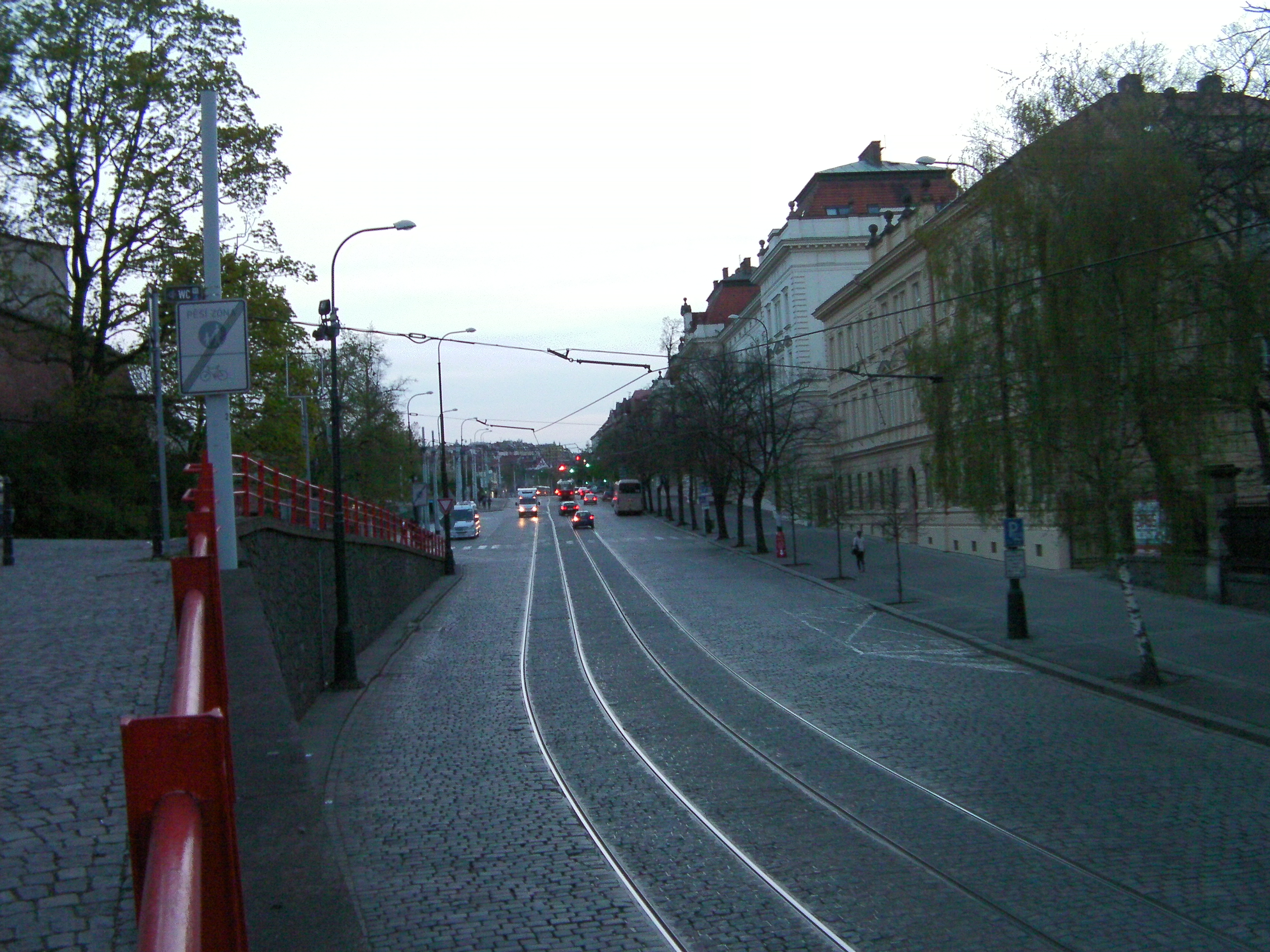
The sun was going down and exhaustion was setting in, so we took the tram home and called it a day.

tram rails

h1

Prague = Beautiful

April 5, 2014

Posted by Kanga. Please do not reblog.

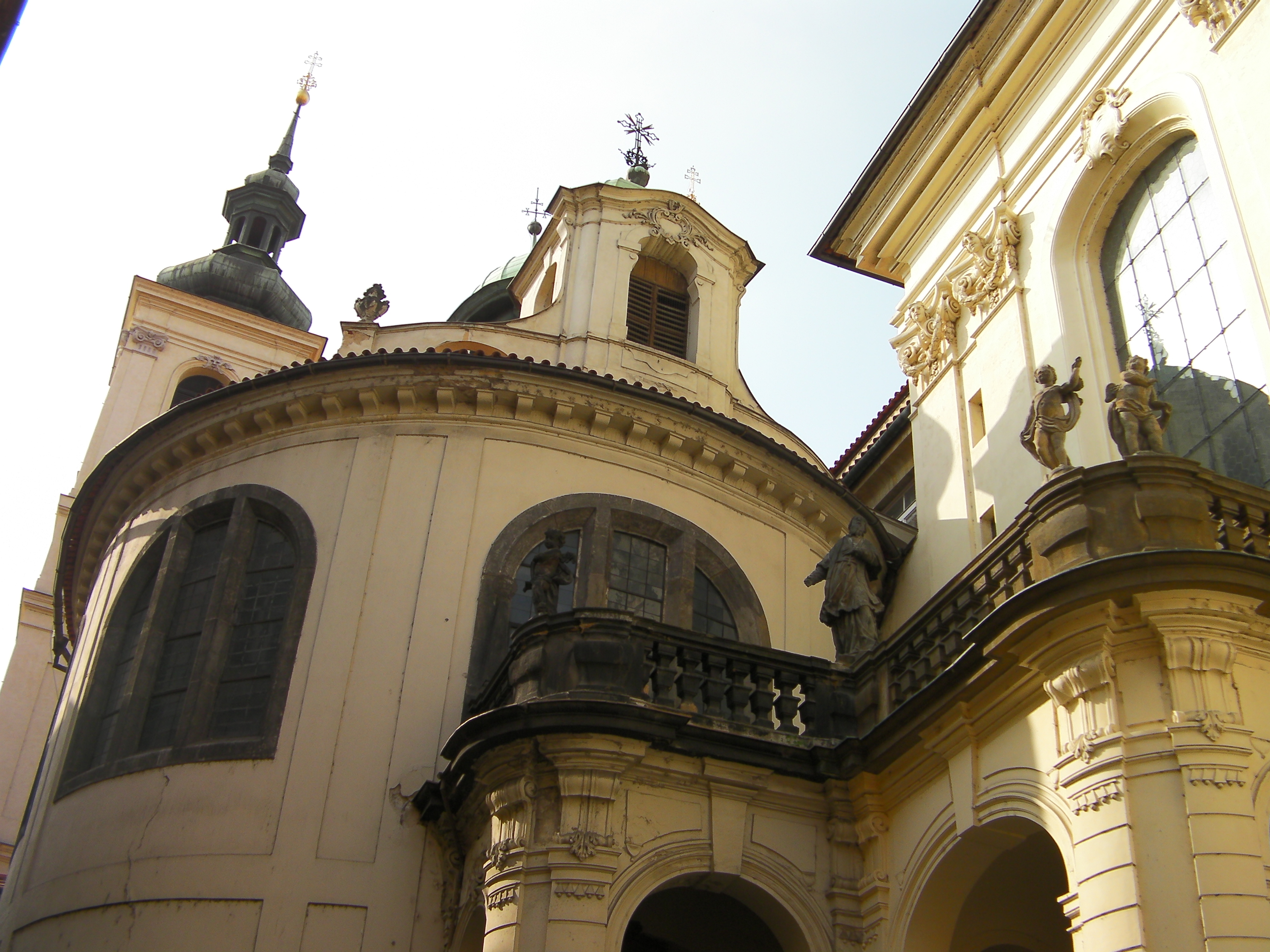
ornate church exterior

Prague is beautiful. There is art everywhere. There is a mixture of all the historical periods and art styles. Old buildings have been maintained and updated so that they can still be used without stripping away their history and beauty. Even the utilitarian Soviet era buildings have a place and add to the beauty.

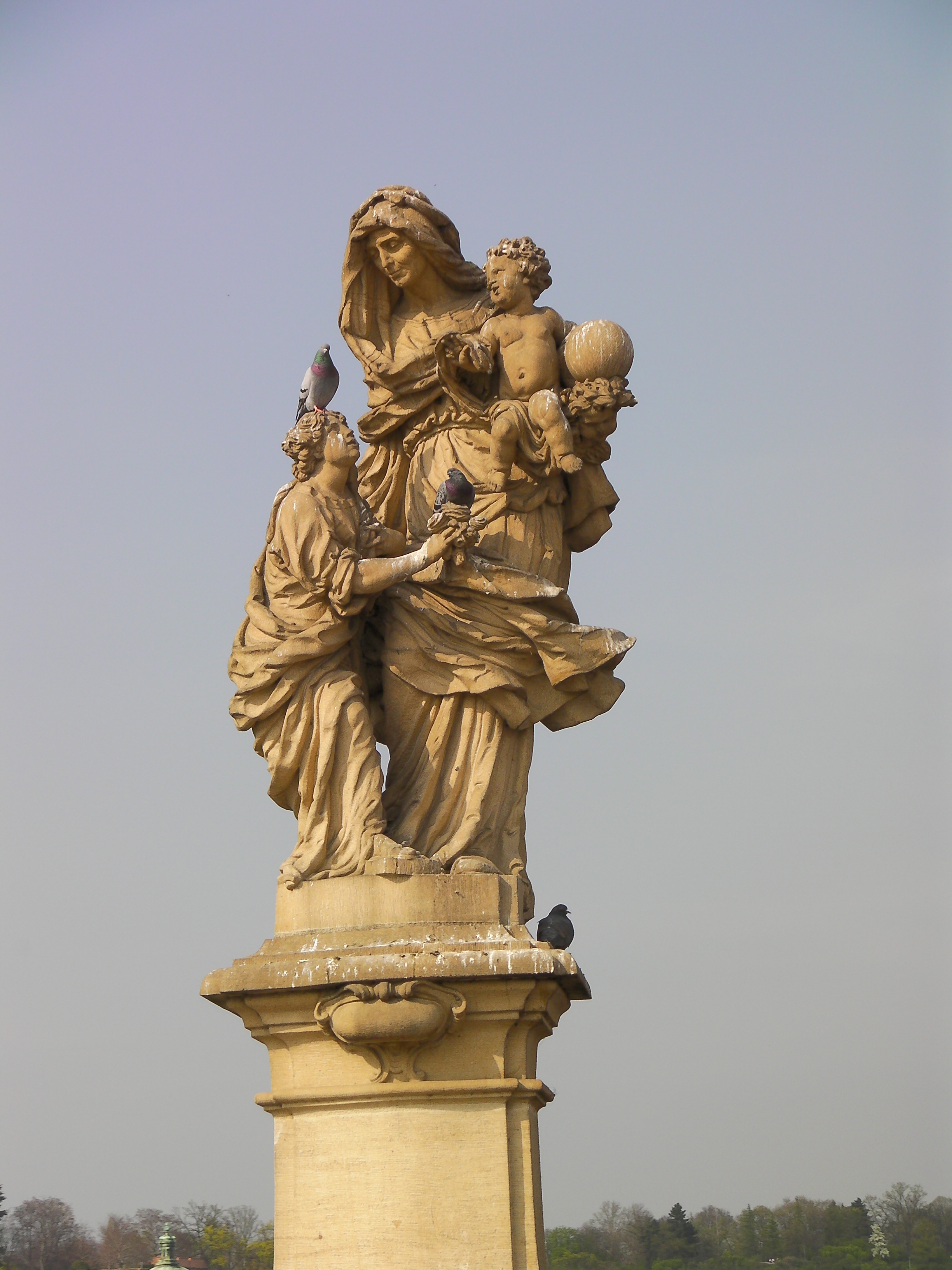
statue of a woman with two children

Living in a country where representation of the human form in sculpture is not allowed makes the statues here even more impressive to me. I understand the prohibition against images, but I wonder at the loss of history by the exclusion of this form of communication. Public art depicting historical figures teaches us about those who went before us. We can look them in the eye and wonder about who they were, what they were like. They are all around us. We can stand on the bridge where John of Nepomuk was tossed over to drown by the order of the King for not divulging what the Queen had been confessing. We can marvel at the bravery and the villainy. Maybe when I take a picture of St. Anne, I’m thinking more about the pigeons than the history, but later I might wonder what she did to be remembered in this fashion.

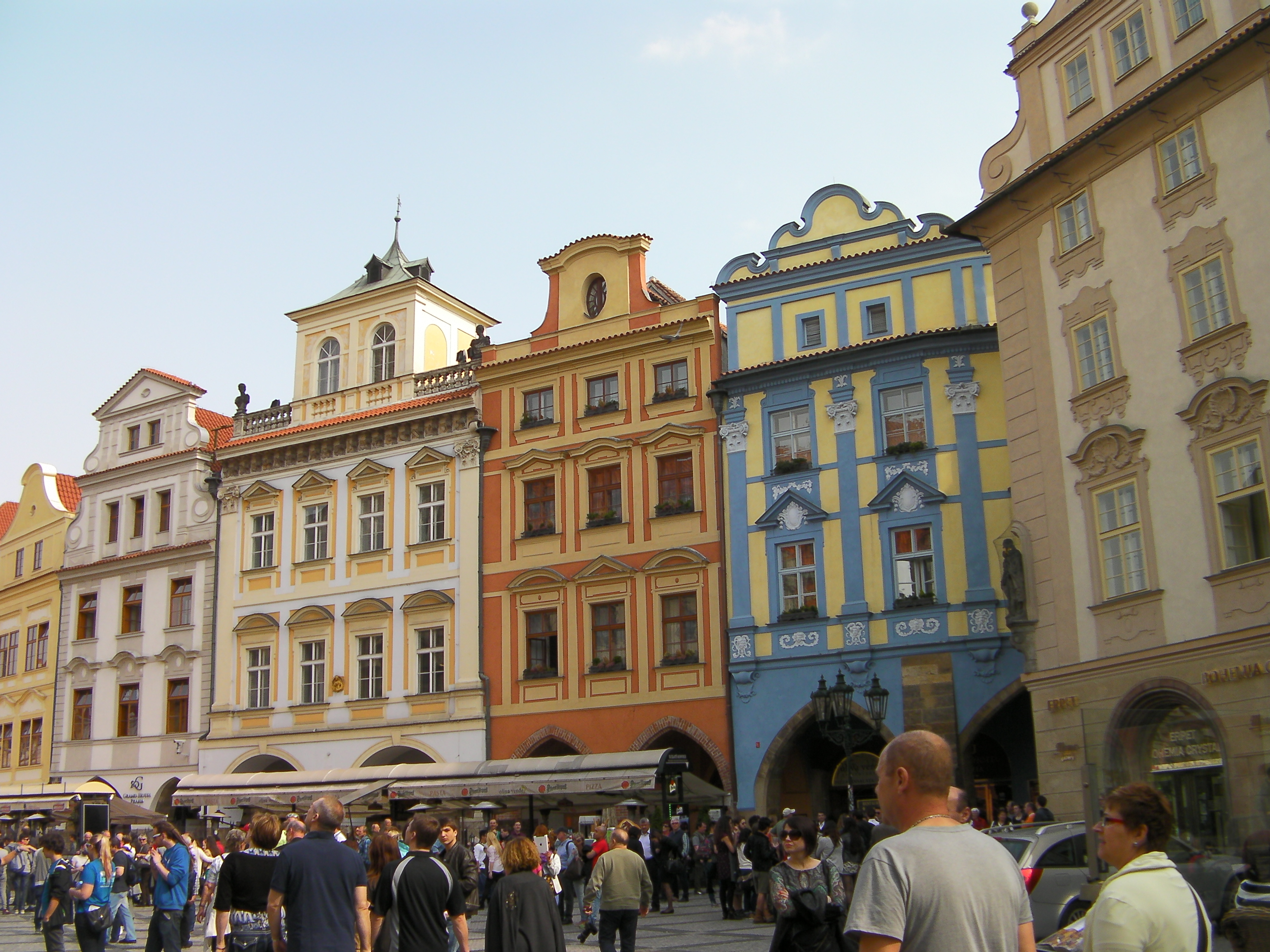
colorful five story buildings

DaddyBird did quite a bit of reading and research before we came. He read advice on a blog written by a couple who lived in Prague for a few years. They warned their readers away from the crass touristy area around Old Town. We walked through there on Friday and are still wondering where the crass part is. It was a bit crowded, as you will see in the pictures, but the shops were pleasant and the wares in the windows were good quality. The prices are high, but that’s normal for tourist areas. We only encountered one hawker who wanted us to eat at his restaurant, but he took “no” for an answer. It was clean and charming.

To see all the pictures from Day Three, click here.

h1

Al Bidyah Forts

March 15, 2014

Posted by Kanga. Please do not reblog.

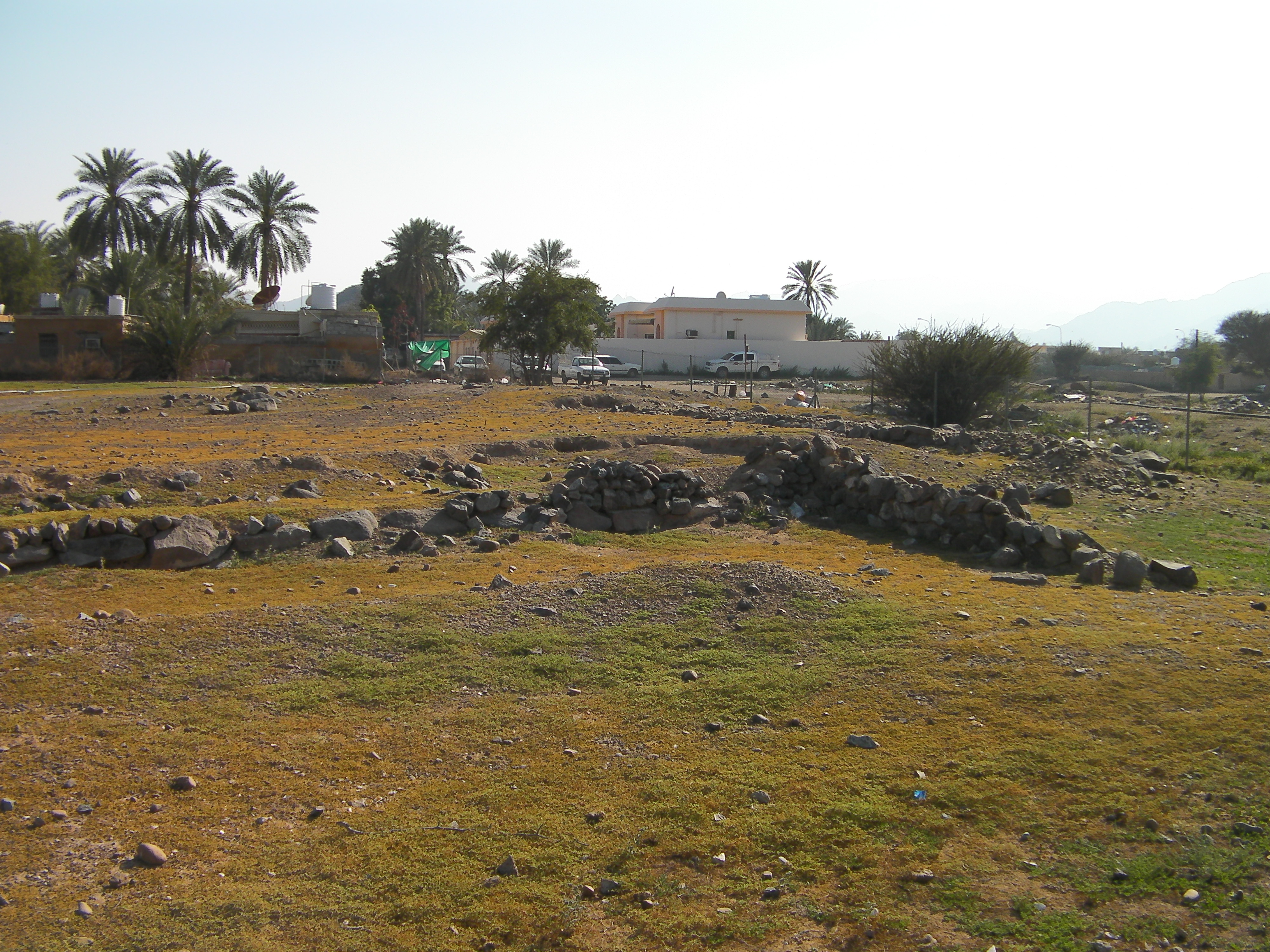
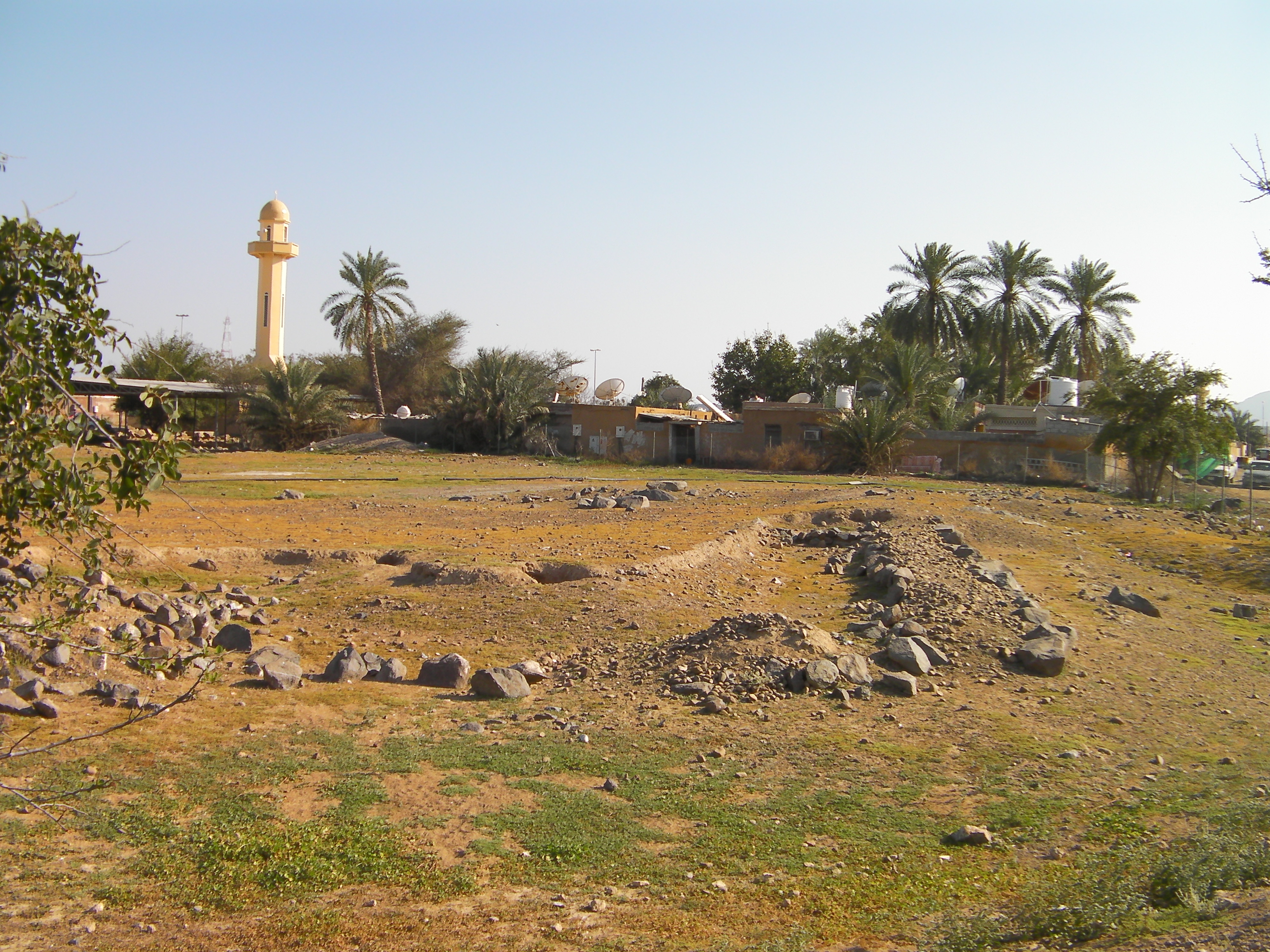
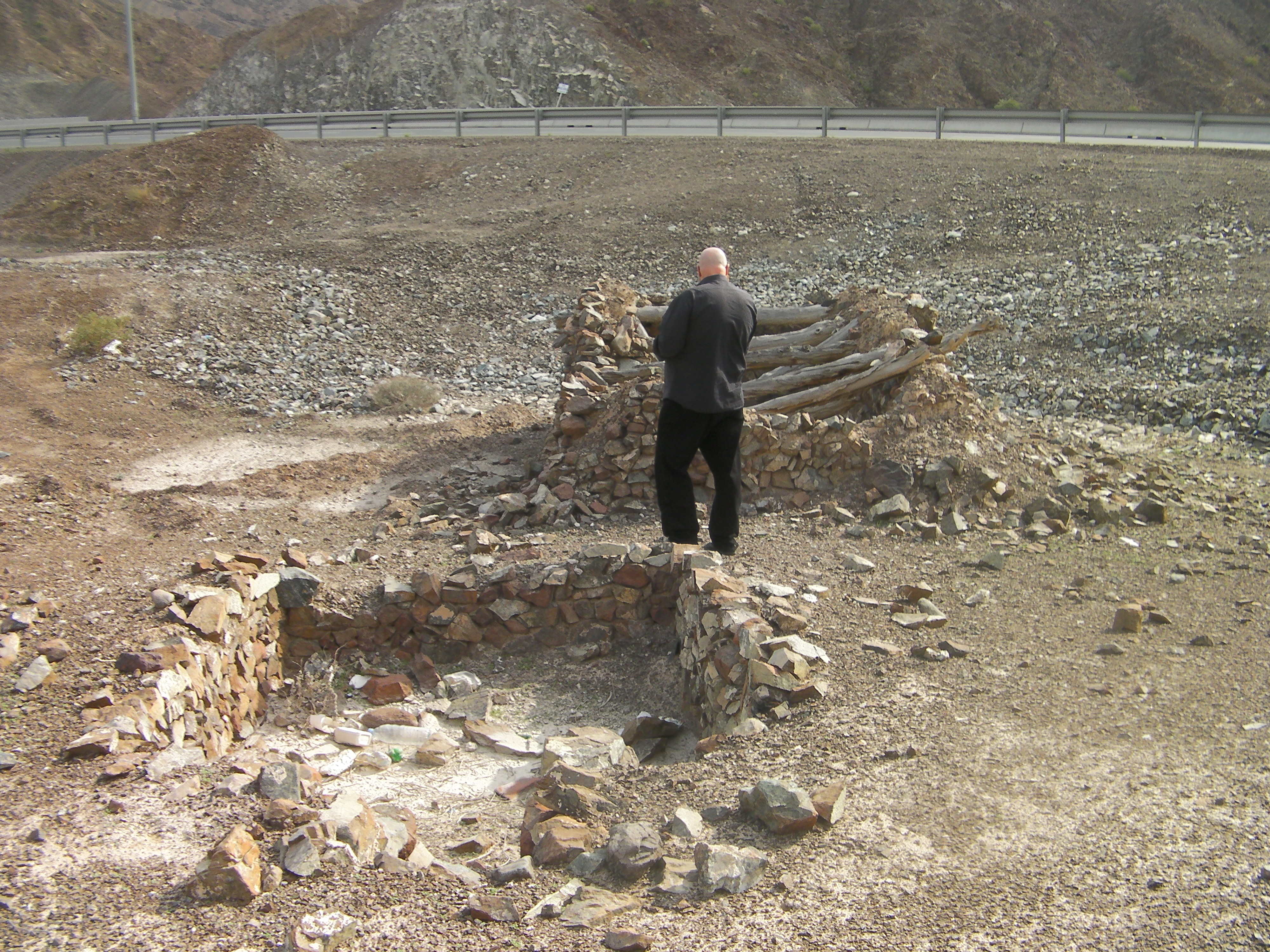
stone ruins

We returned to the Bidyah area to take a look at what remains of a Portuguese fort. In the background is a roof structure which protects a much older fort that we visited previously.

stone ruins

The Portuguese fort dates from the 16th Century.

stone ruins

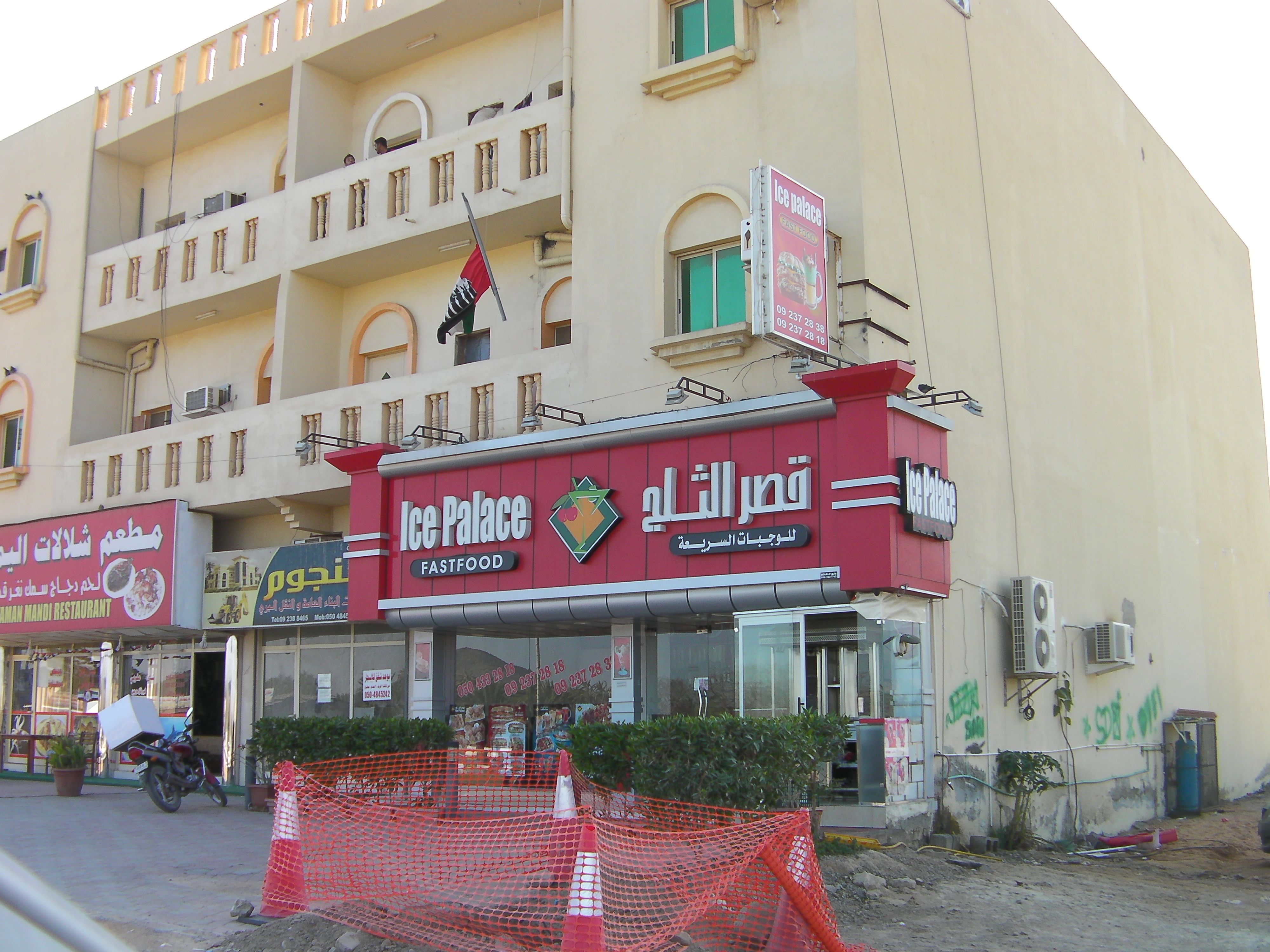
If you are wondering where this fort is, it is in Al Bidyah behind the Ice Palace.

three story building with ice palace restaurant

More information here and here

h1

In Search of Petroglyphs

February 8, 2014

Posted by Kanga

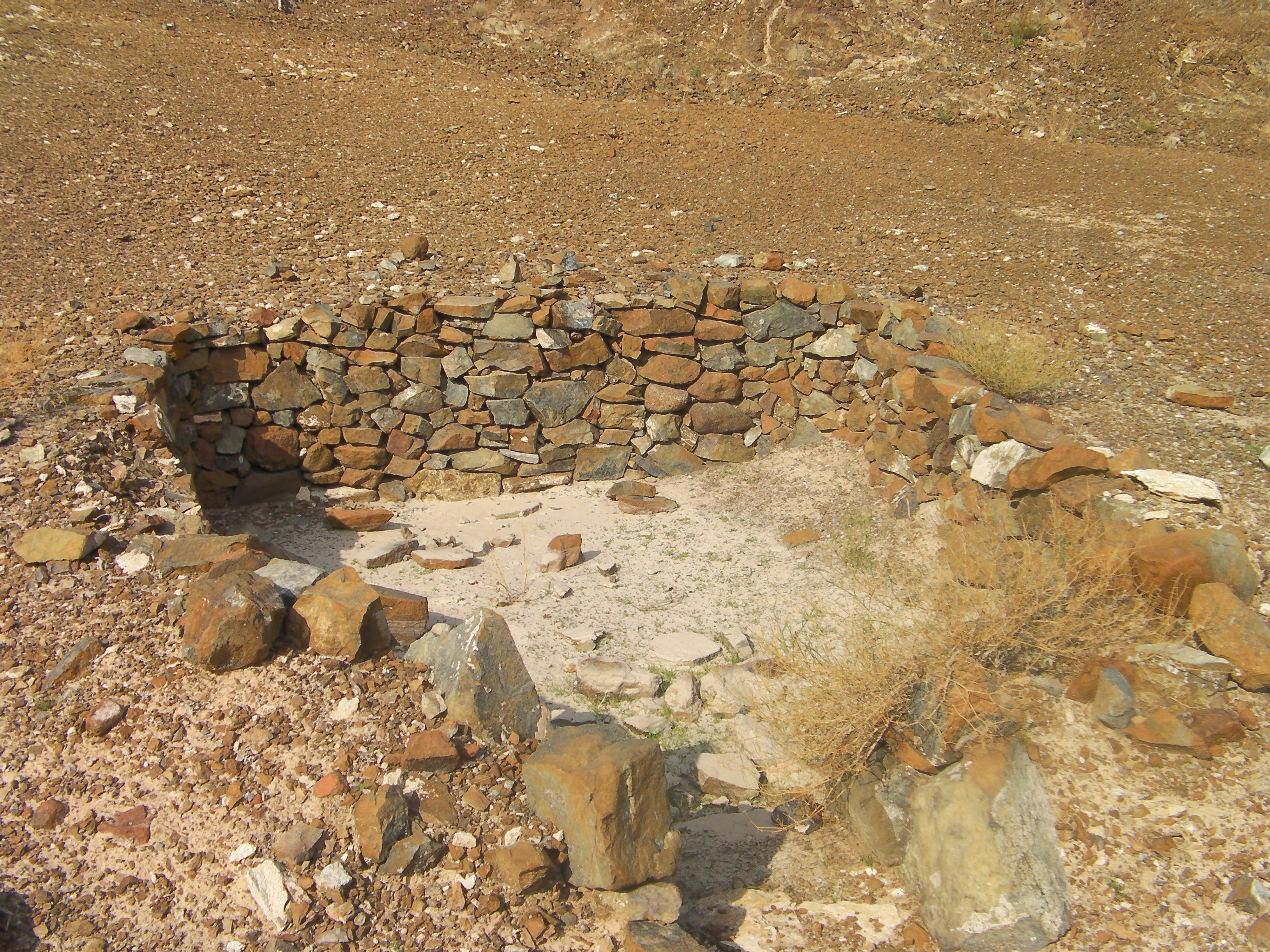
old stone structures

In case you hadn’t noticed from previous posts, DaddyBird’s new hobby is researching and finding archeological sites in Fujairah. He noticed this one right along side the new Sheikh Khalifa bin Zayed Road which we drive every time we go to Dubai. Why it took us so long to notice it is a mystery.

stone foundation of a khaimah house

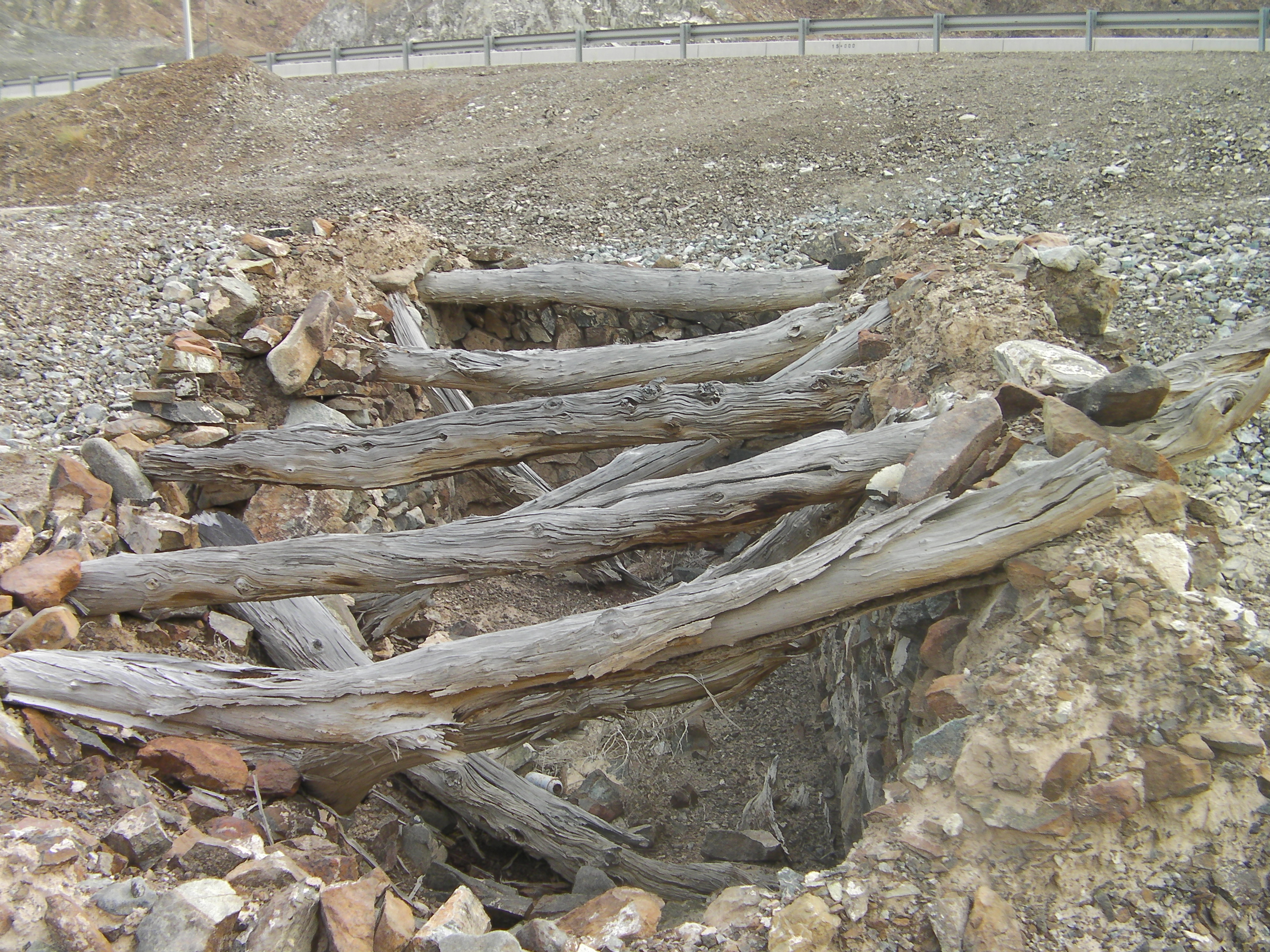
There are three surviving structures. Two khaimah houses – low stone foundation which would have been topped with a palm branch tent – and one rectangular stone house with wooden beams supporting the roof. The fact that the wood beams are still part of the structure means that it is probably a fairly recent structure, abandoned only a few generations ago.

rectangular stone house with wooden beams across the top

We continued our exploration by driving up Wadi Sahm which was just recently paved. We stopped here.

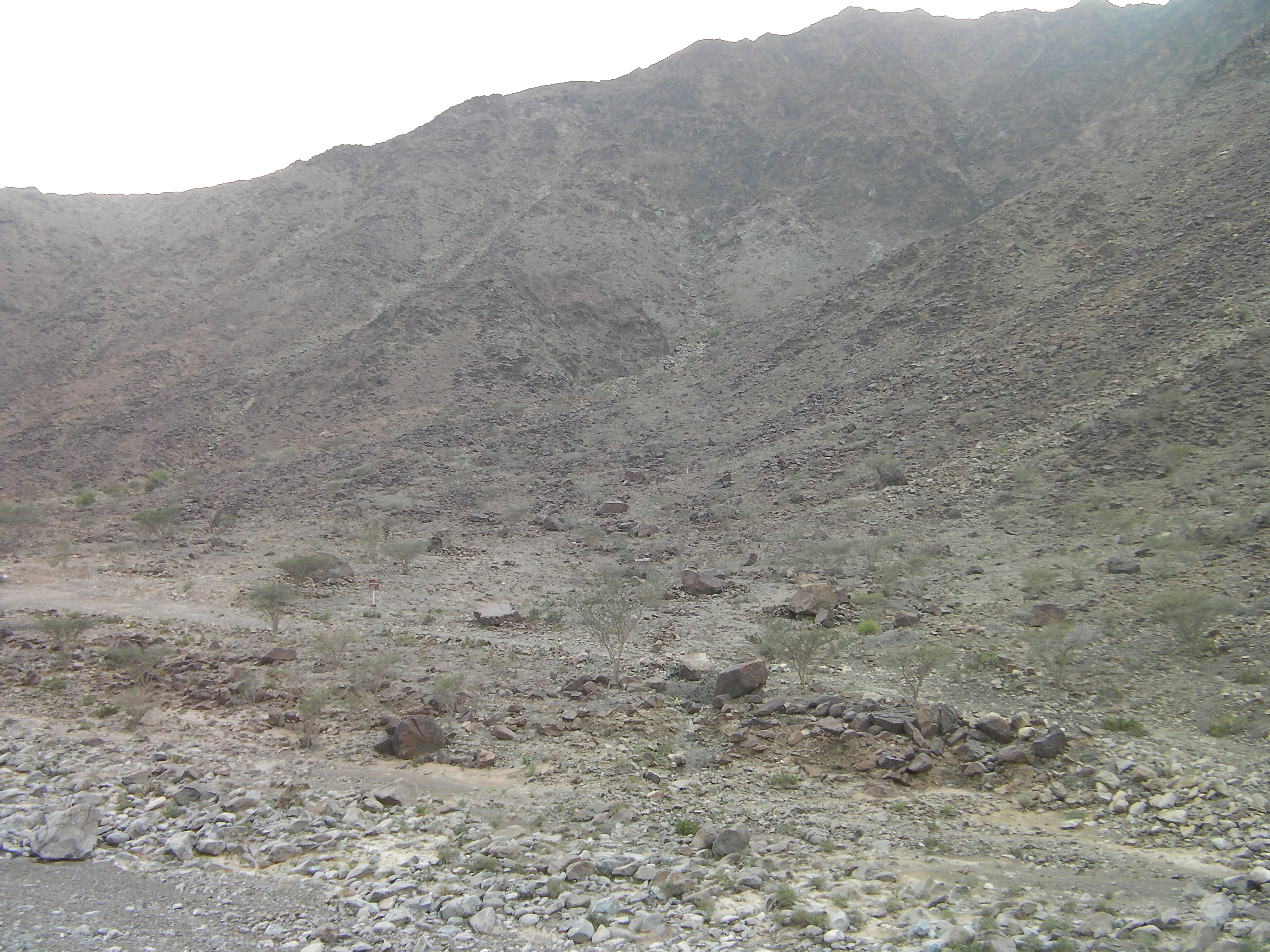
dry valley and hillside

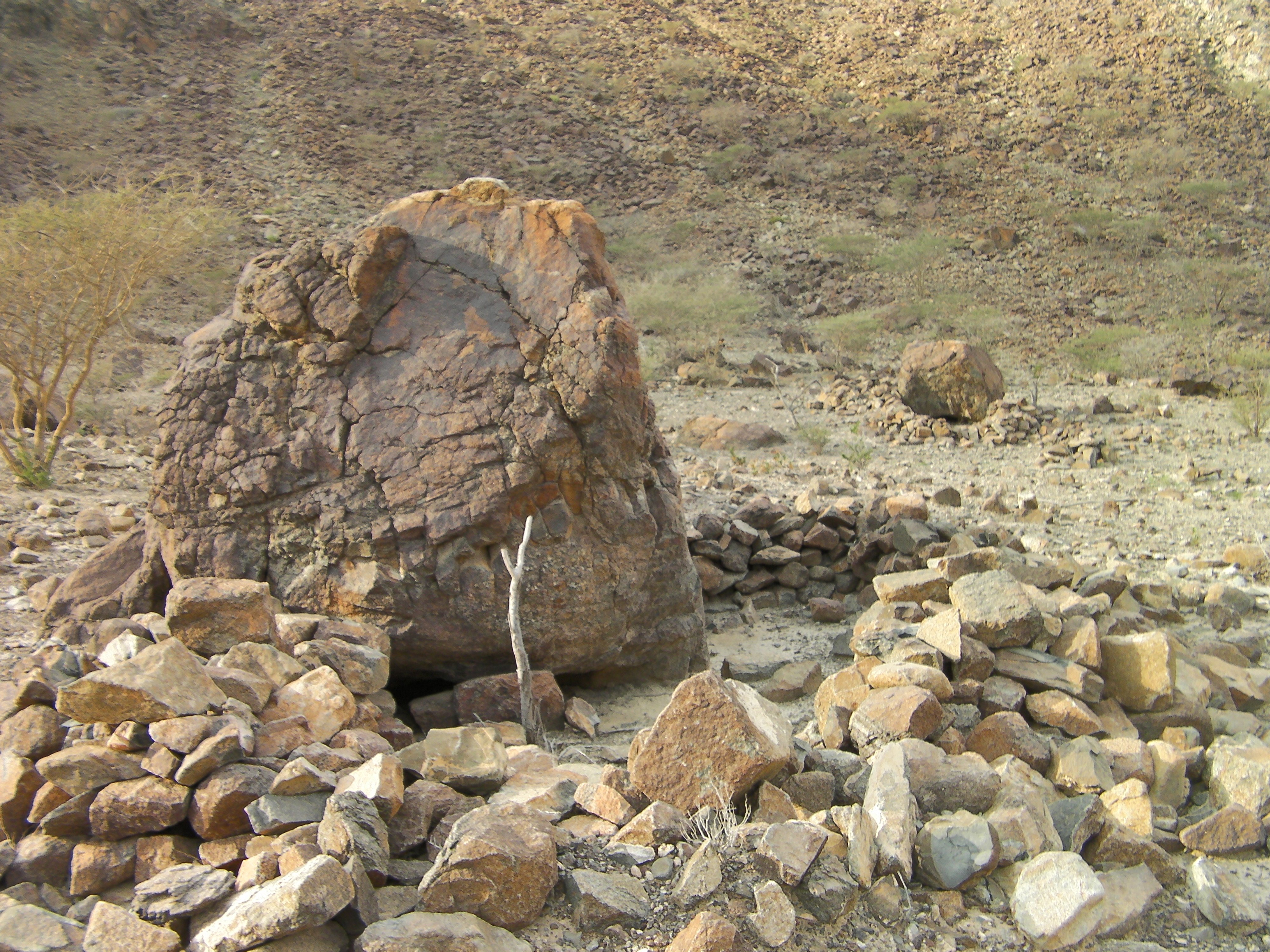
Which might not look like much, until you get close enough to see that there are several large boulders around which stone shelters were built long ago.

large boulder with a low rock wall built around it

We didn’t do an official count, but would estimate that there was a sizable settlement here of 15-20 structures. They took advantage of the large boulders to form at least one wall of their shelters and provide support. It is likely that these were low rock walls topped with thatch roofs made of bushes.

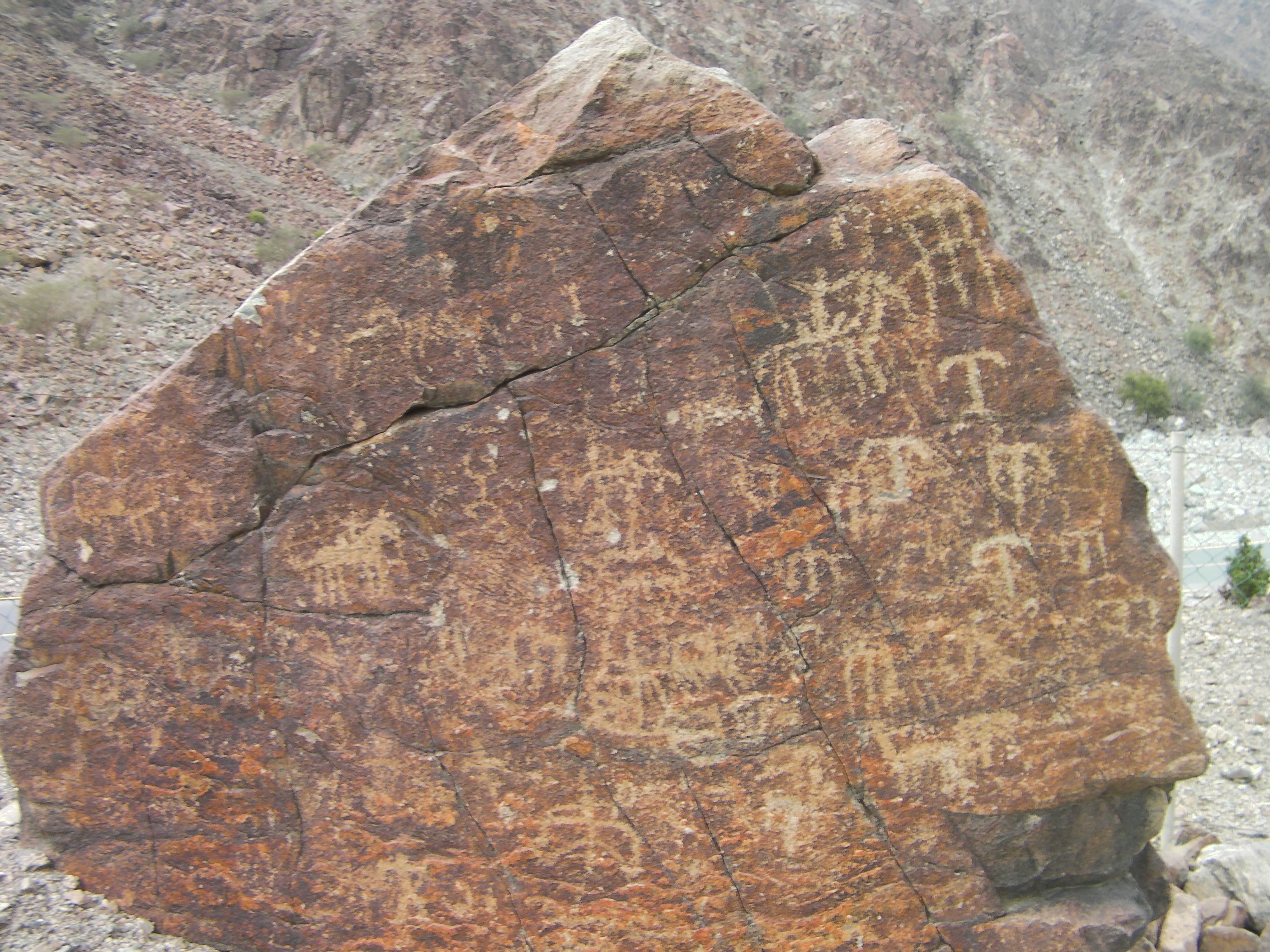
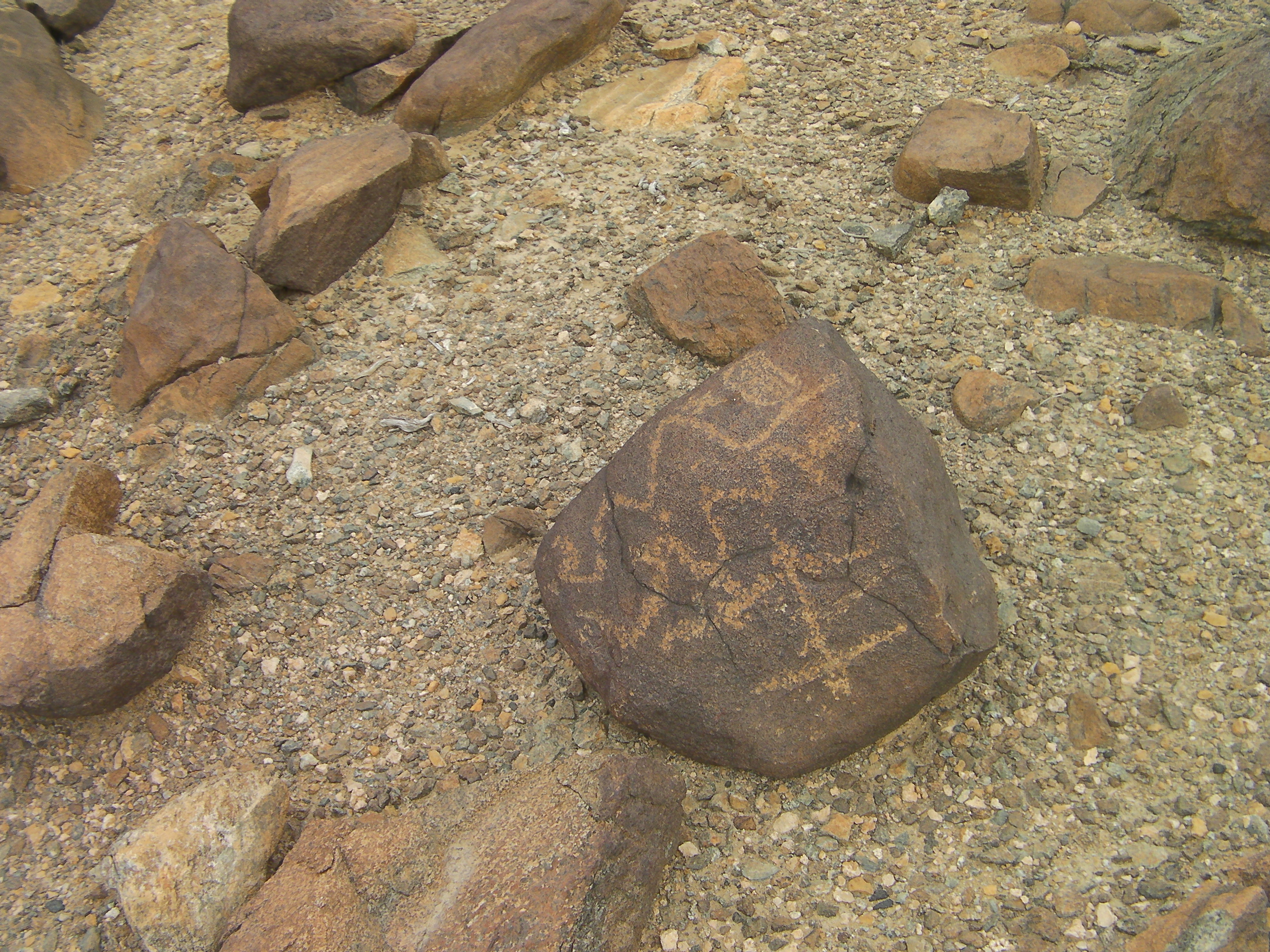
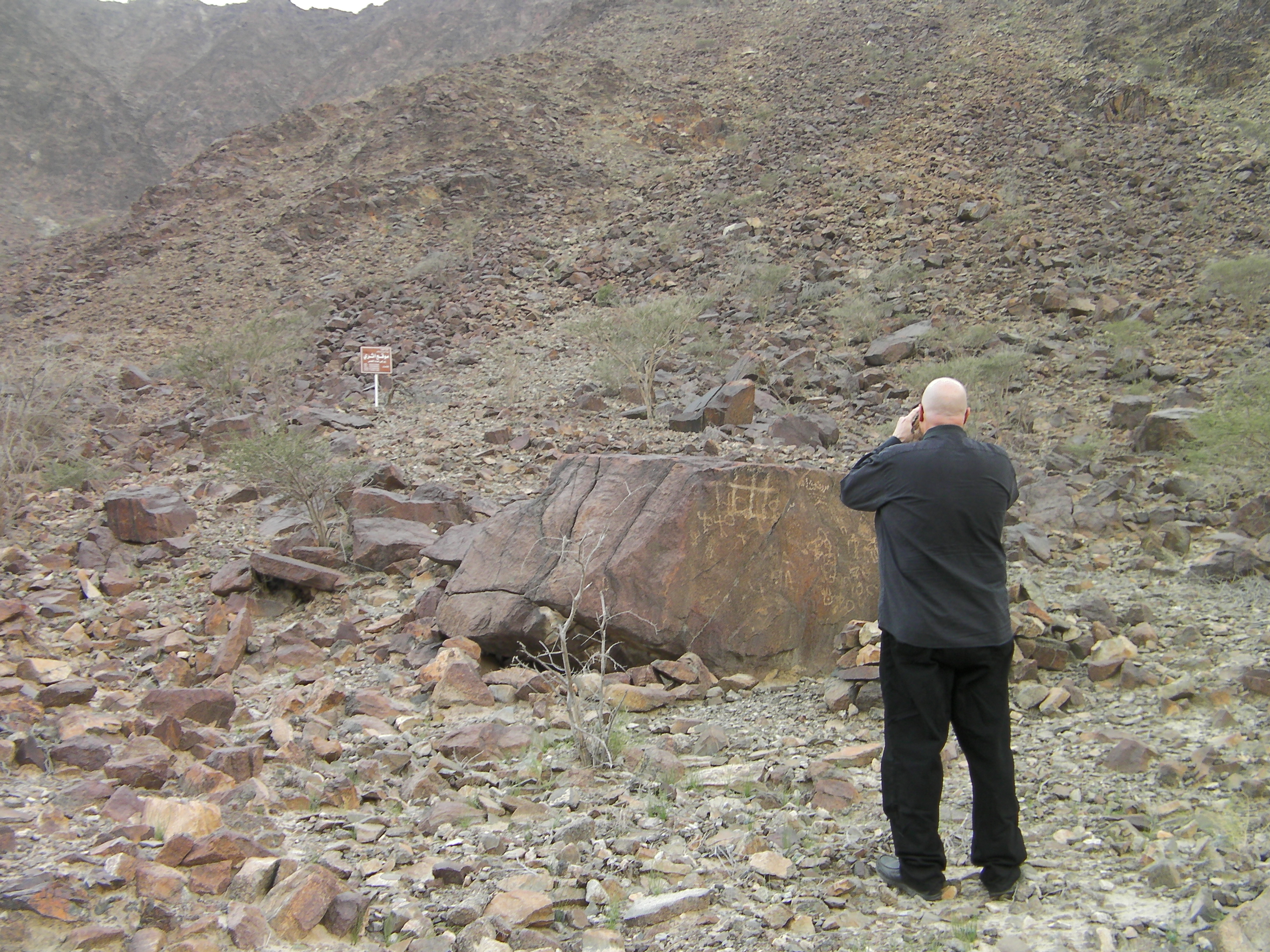
large boulder with petroglyphs

There were a few petroglyphs at this site. This boulder has both old designs and more modern markings, including Arabic script.

large boulder covered with petroglyphs

Further up the valley is a large boulder right on the side of the road covered on all sides with petroglyphs. A short distance from this is a small plateau with a few piles of stones and quite a few petroglyphs.

two snake markings on a soccer ball sized rock

Snakes

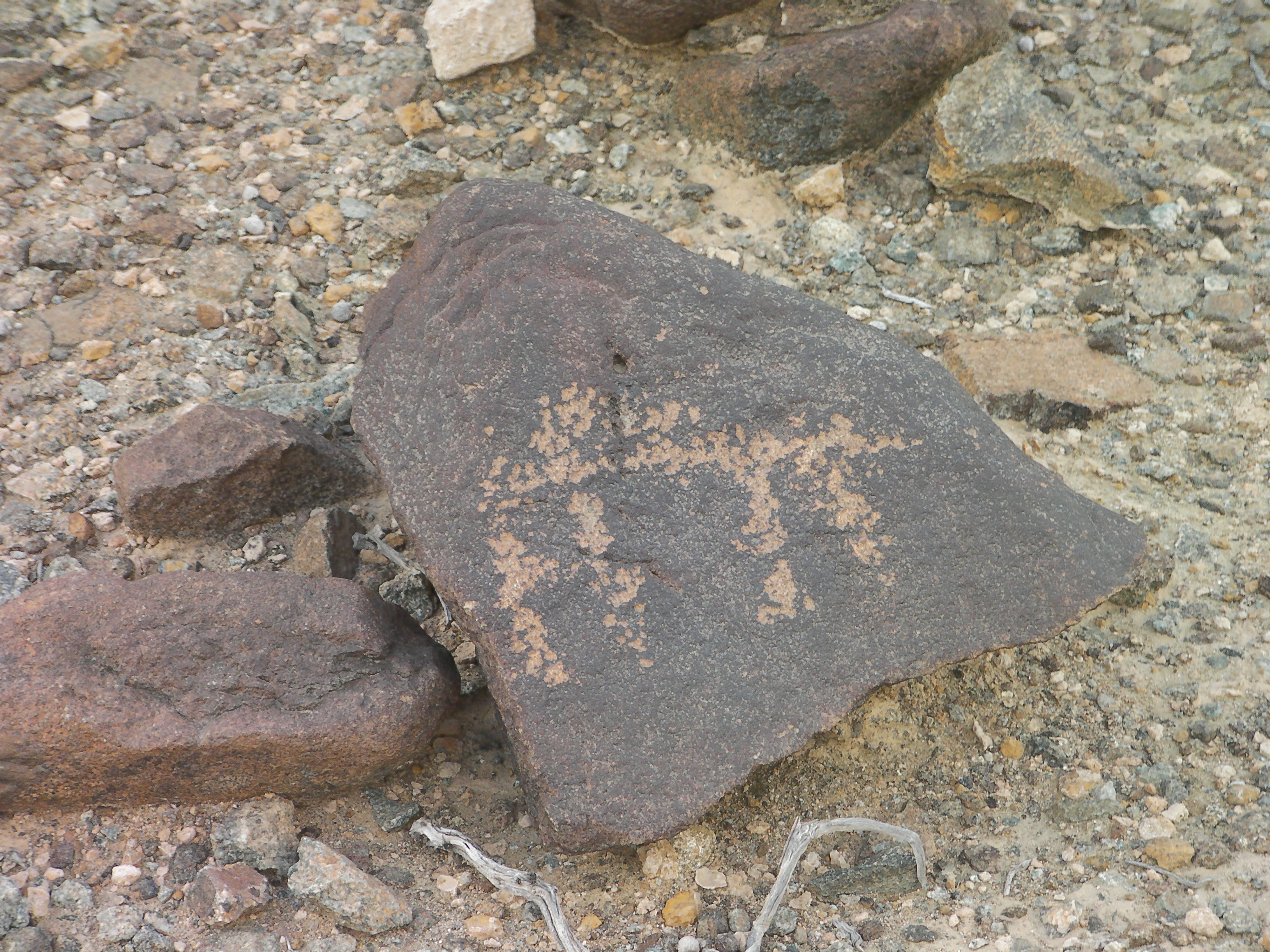
camel petroglyph

Camel

It’s too bad we don’t have time travel technology. I’d love to take a little peak back in time to see how these people lived. What they valued. What made them laugh.

h1

Fujairah Historical Sites

January 4, 2014

Posted by Kanga. Please do not reblog.

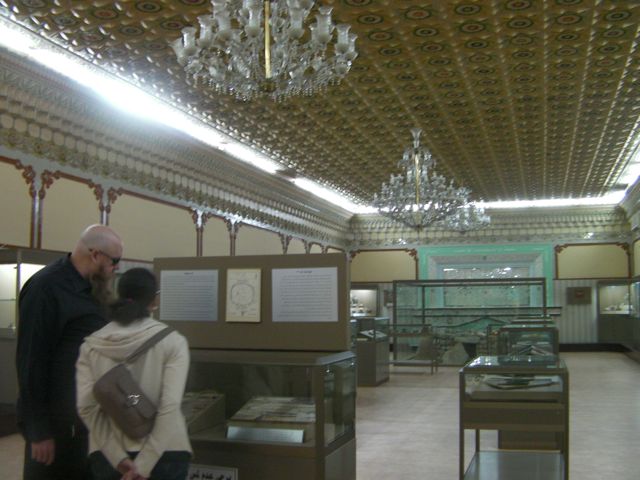
museum display case room

We took BabyBird on a mini Fujairah history tour beginning with the Fujairah Museum.

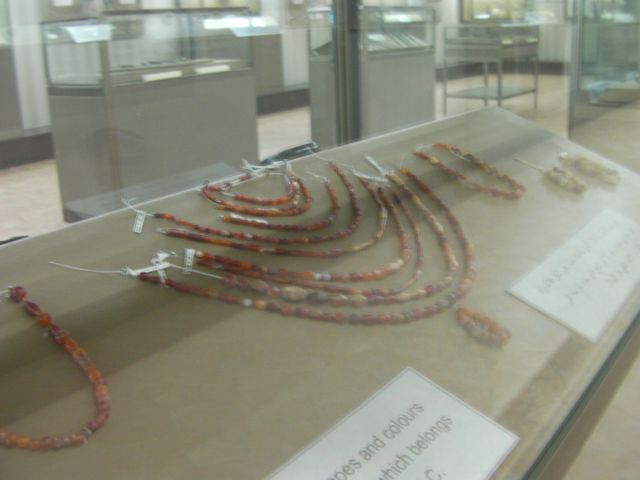
ancient jewelry made of carnelian (red) stone

The museum has displays of artifacts from ancient sites – forts, burials, etc. – that have been excavated. Carnelian and sea shell jewelry were prominent in the days before pearling.

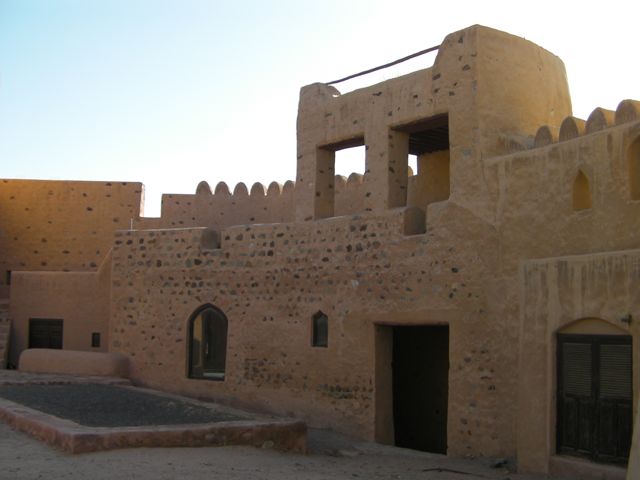
inside of a restored 300 year old fort

The Fujairah Fort was open (which has been rare in the past) so we took the opportunity to go inside. The fort is approximately 300 years old and has been recently restored.

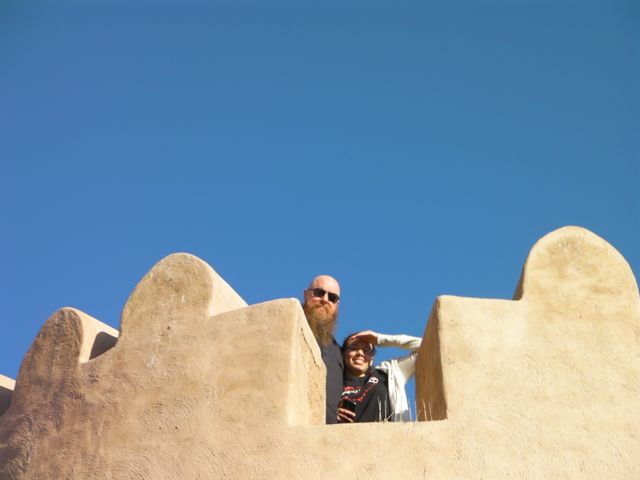
two people at the top of the fort tower seen between the crenallations

DaddyBird and BabyBird climbed the tower for a good view of the area.

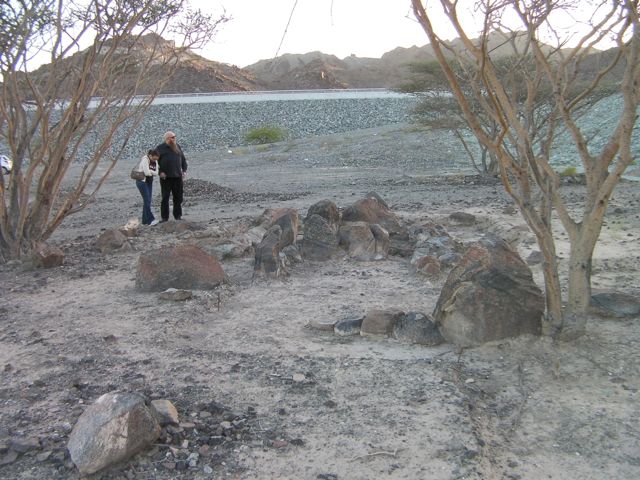
ruins of ancient copper smelting site

Then we drove up the Madhab wadi (valley) to see an ancient copper smelting archeological site.

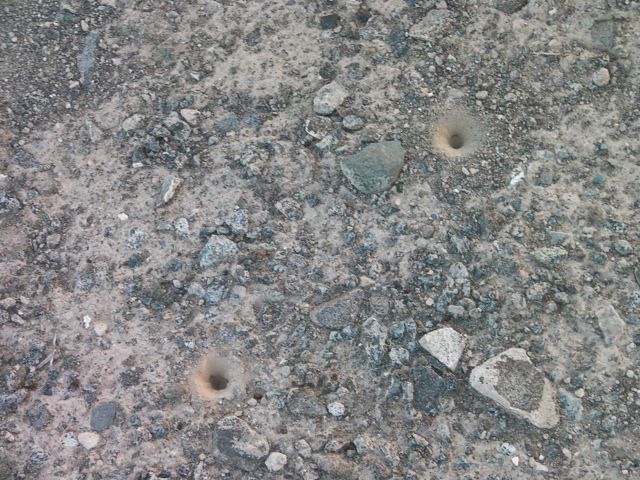
funnel holes in the dirt indicating the presence of ant lions

I also noticed the many funnel shaped holes which are most likely ant lion traps. (National Geographic video of ant lions)

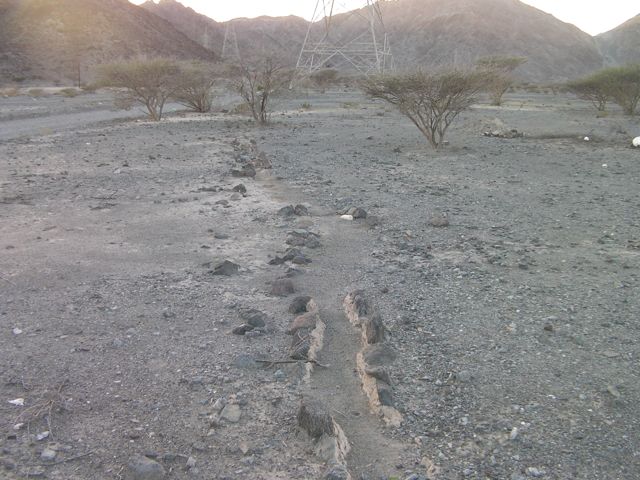
ancient water channel used for watering a date palm garden

Not far away are the remains of an ancient falaj (water channel) which was used to bring water to a date palm garden. Unfortunately, a gravel road has cut through this channel.

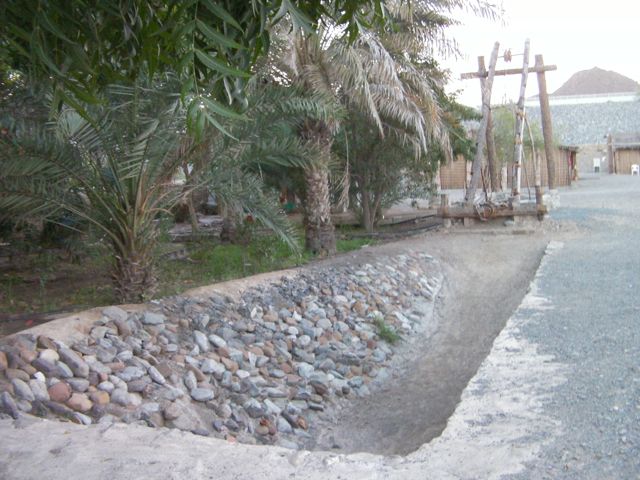
model of well and date palm watering system

Next, we stopped in at the Fujairah Heritage Village. The village includes models of several types of traditional houses and buildings. Above is a model of a typical well and watering system used in date palm gardens. A bull would walk down into this trough pulling the water “bucket” up out of the well. The water would then be poured into a channel (falaj) that conducts the water into the area around the trees.

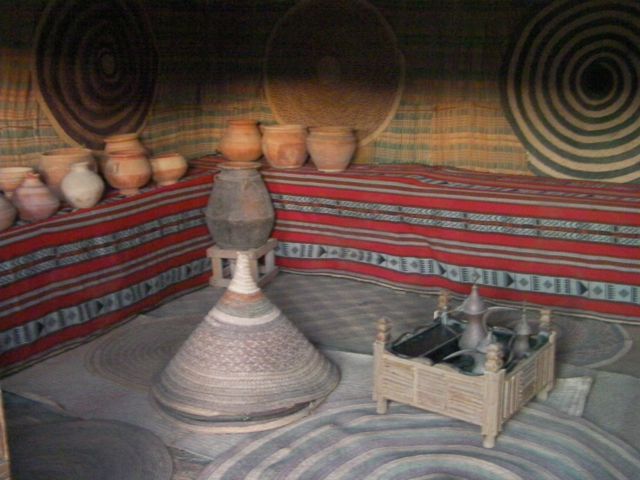
interior of house with coffee pot, clay pots, woven mats

This is an interior display showing mats woven from date palm branches, clay pots, and a coffee pot ensemble. The coffee pot is nestled in a square container that would have had hot coals in it to keep the pot hot.

There is very little written history about this region, even as little as 300 years ago, so the physical sites and artifacts are even more precious. Unfortunately, they are disappearing under new roads, dams, and buildings.

h1

Meandering through UAE Archaeology

December 8, 2013

Posted by Kanga. Please do not reblog.

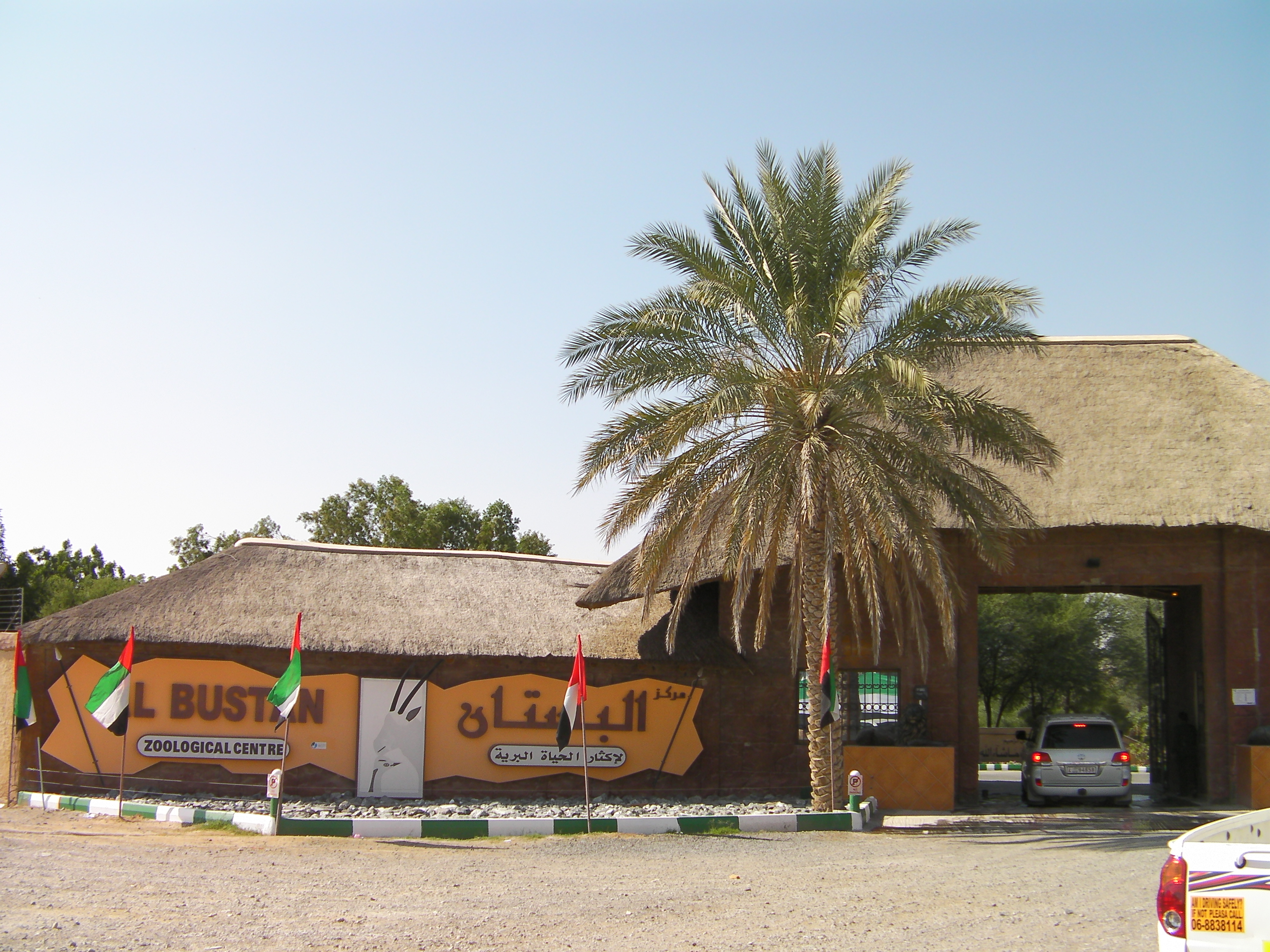
entrance of the park

We headed out to Maleha with the intention of visiting the wildlife center there. Unfortunately, this is a private park and not open to the public. So, the closest one can get is these pictures and this video.

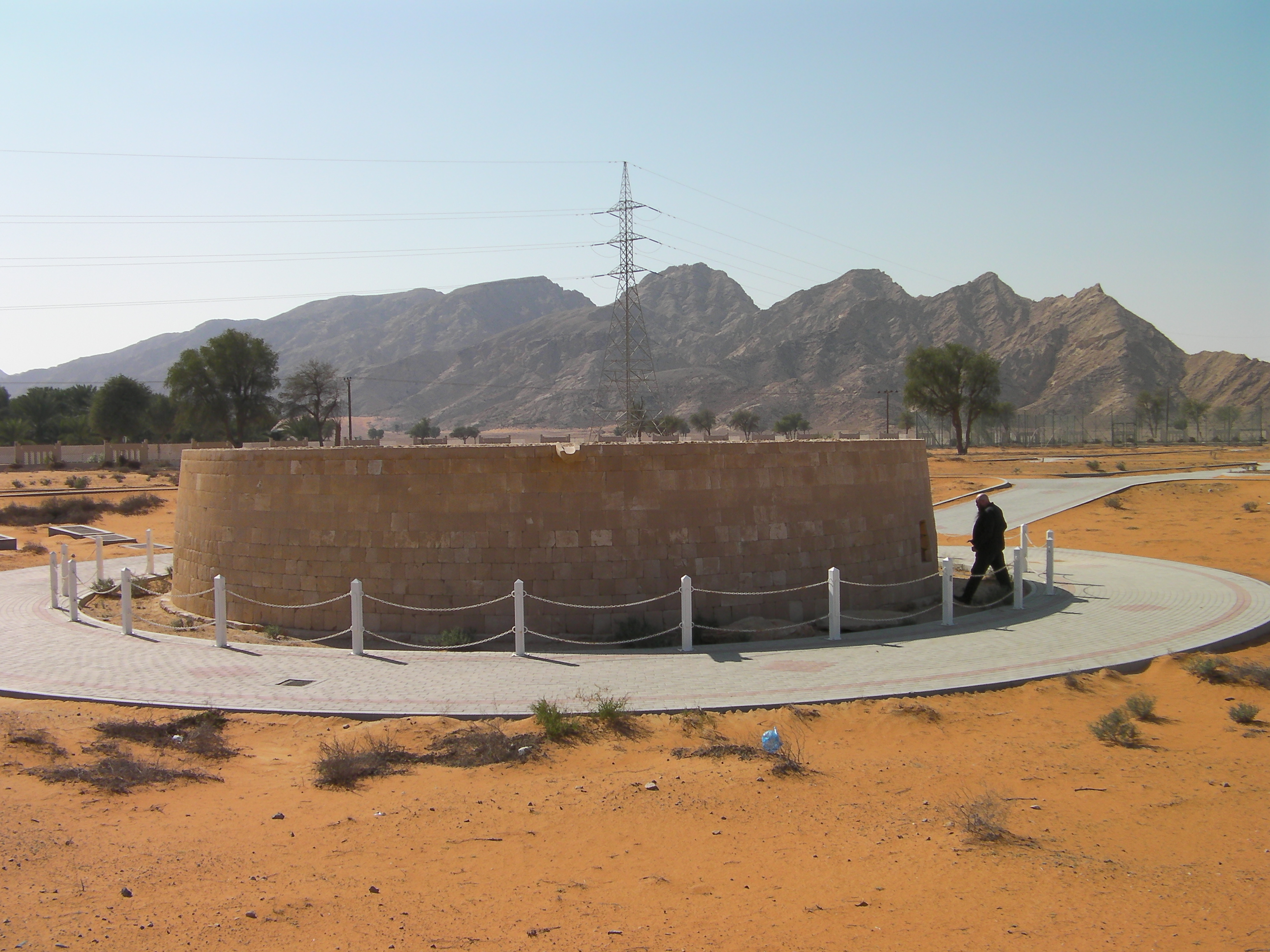
From there we went just down the road to the Umm an-Nar Tomb of Maleha.

round stone structure

This was interesting, although it was clear that no one visits this site or uses the park around it.

stone structure

This tomb dates back to around 3000 BC. There are eight chambers.

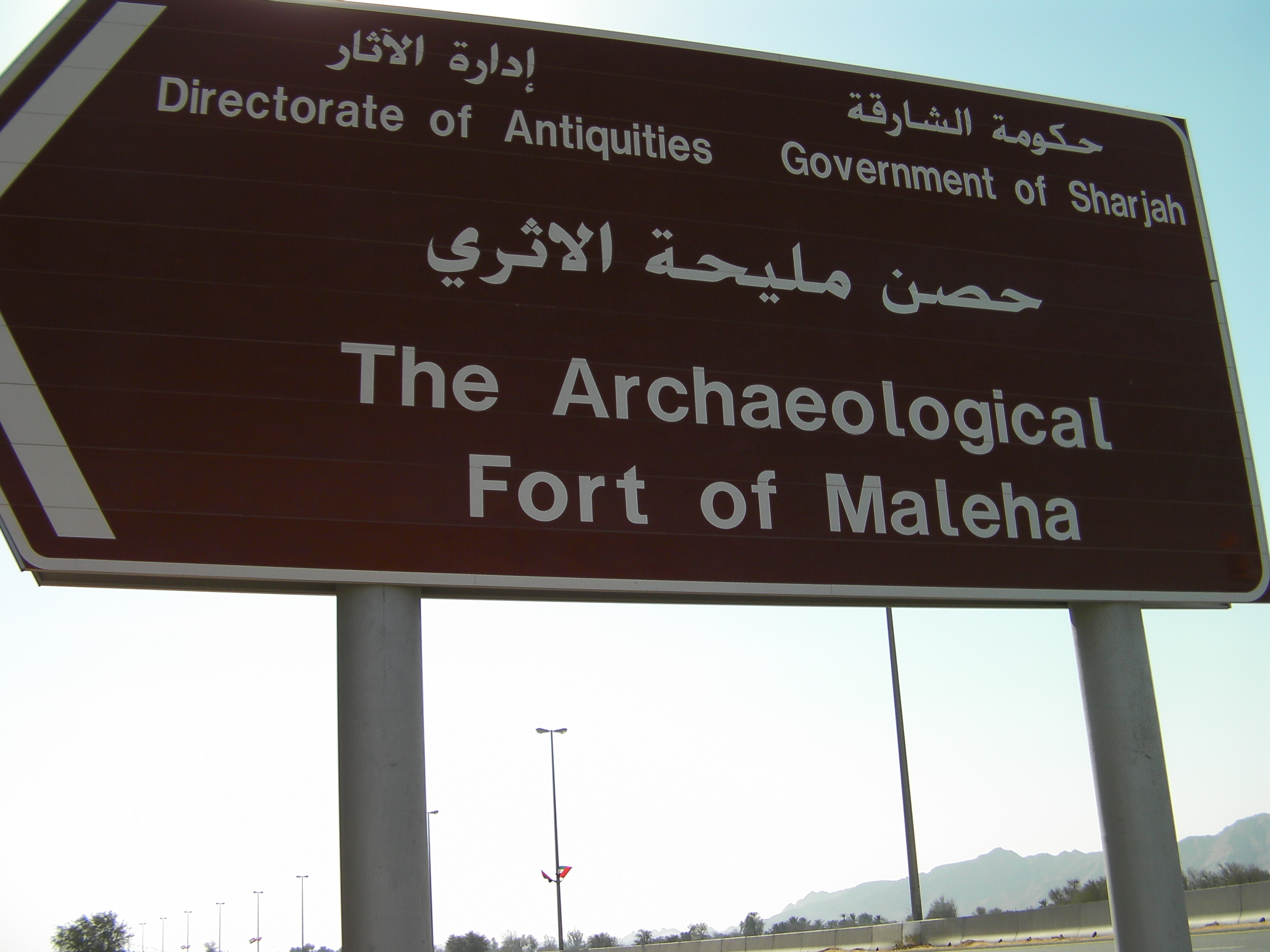
brown road sign

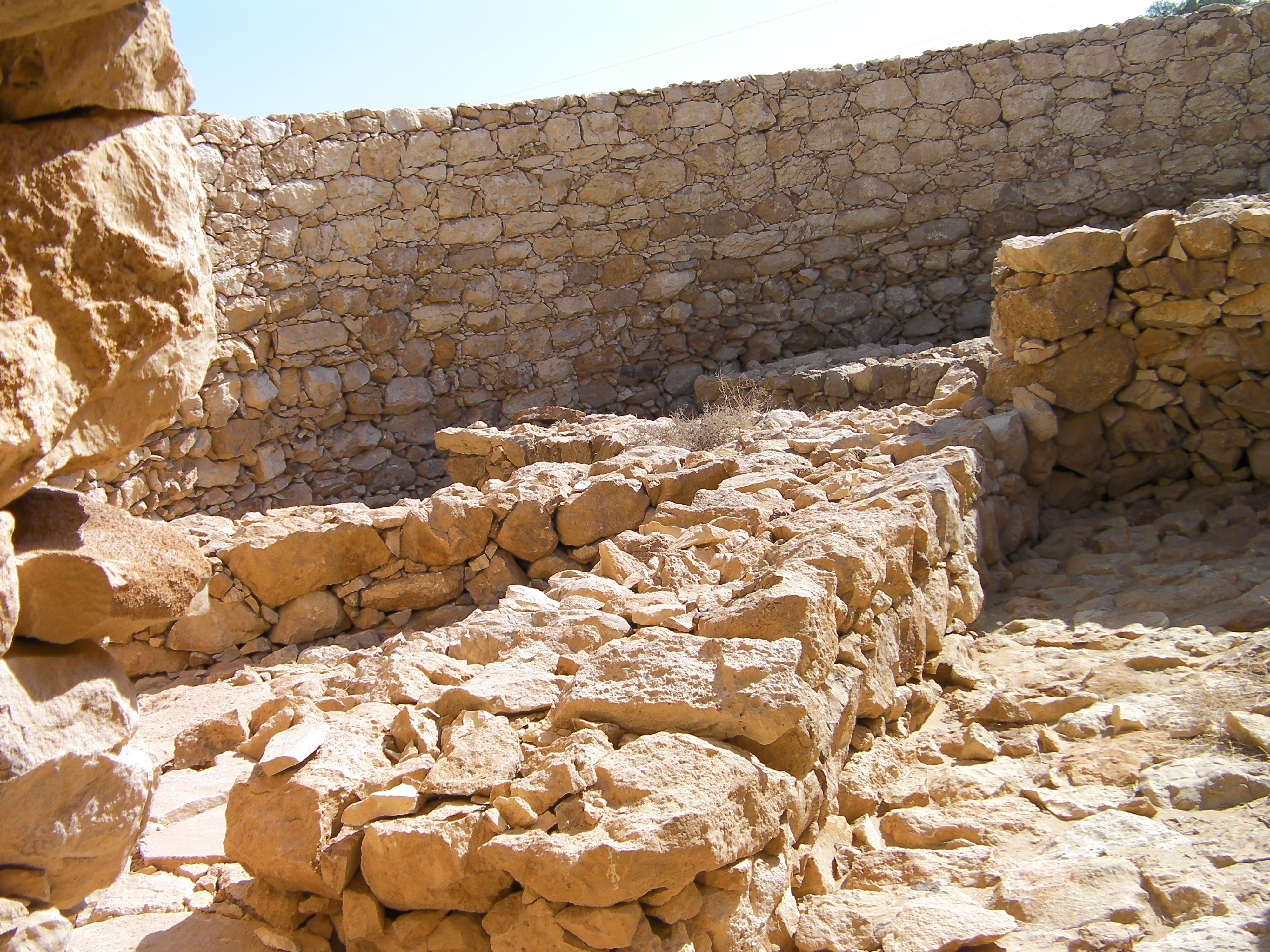
Next we went across the road to the fort archeological site.

partially restored stone structure

The structure has been partially restored. The lower, rougher wall in the foreground is most likely the original wall remains.

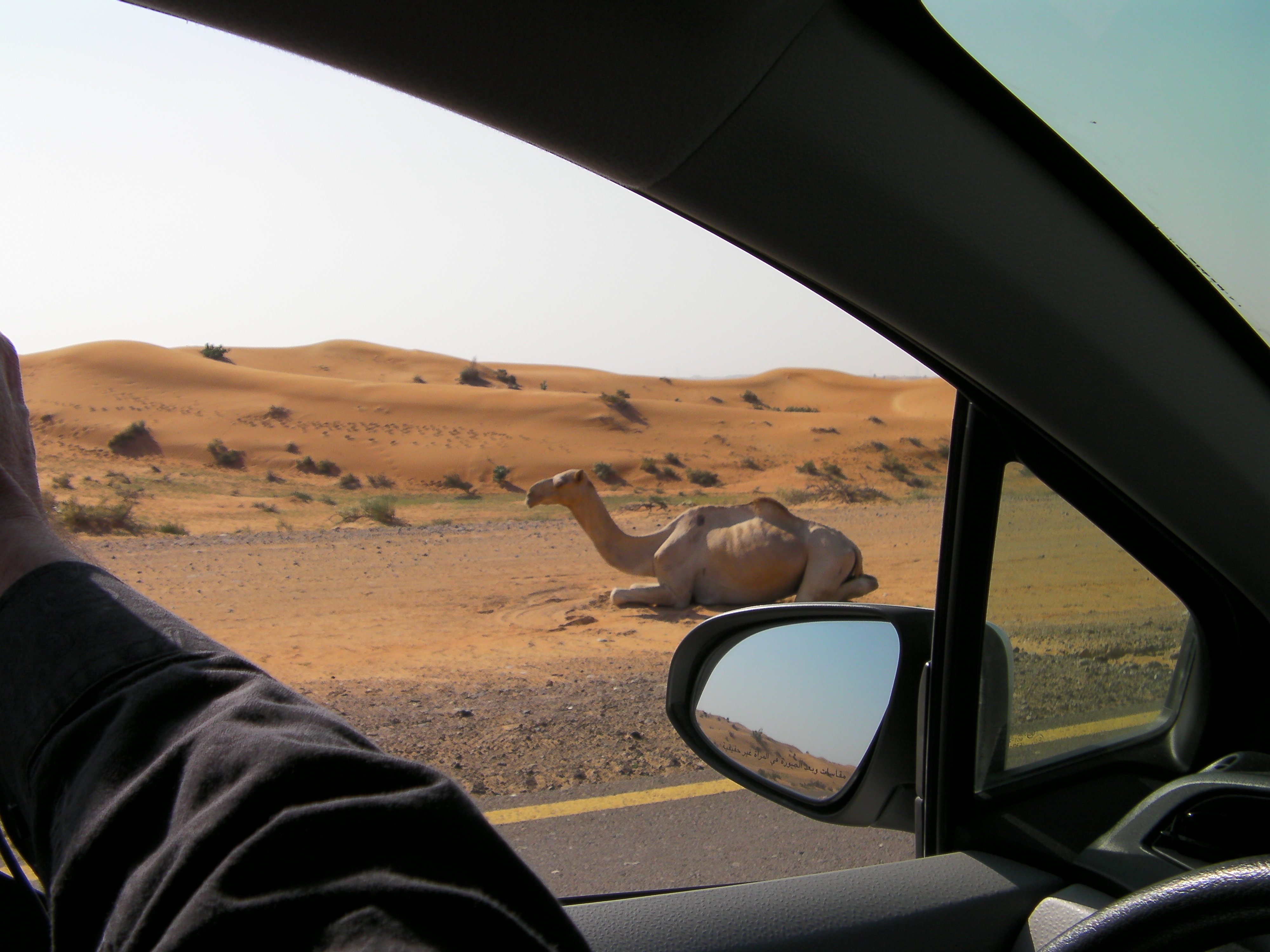
camel laying by the side of the road

We headed north a bit to look for the camel race track and saw this fellow just taking a rest by the side of the road.

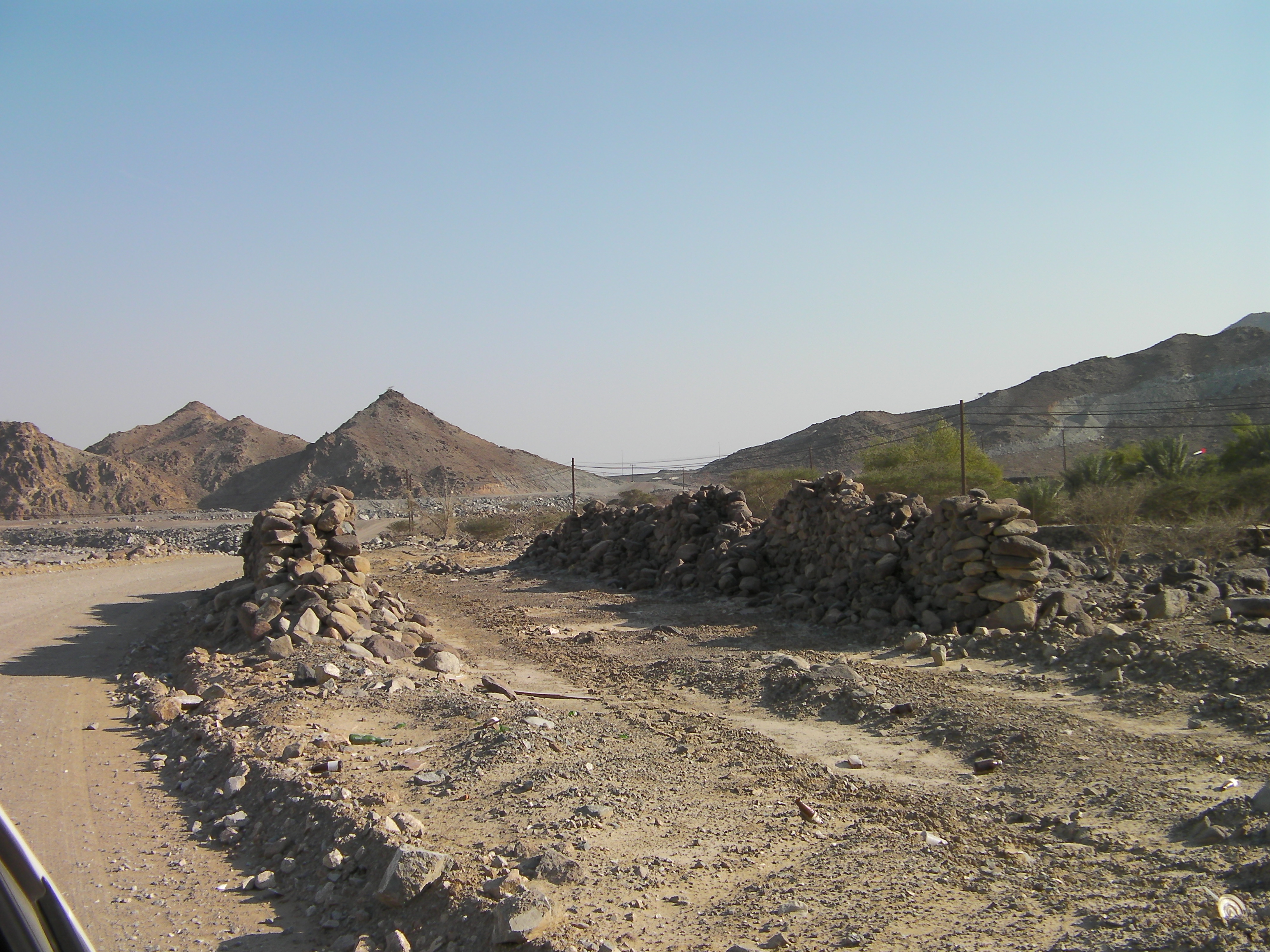
stone ruins of a tobacco drying shed

On the way back to Fujairah we stopped off at Al Fara to drive past the remains of Sheikh Suhail bin Hamdan’s home and tobacco farm. These walls were a tobacco drying shed. Most of the site is not easily accessible due to a current residence near the site. We didn’t want to trespass.

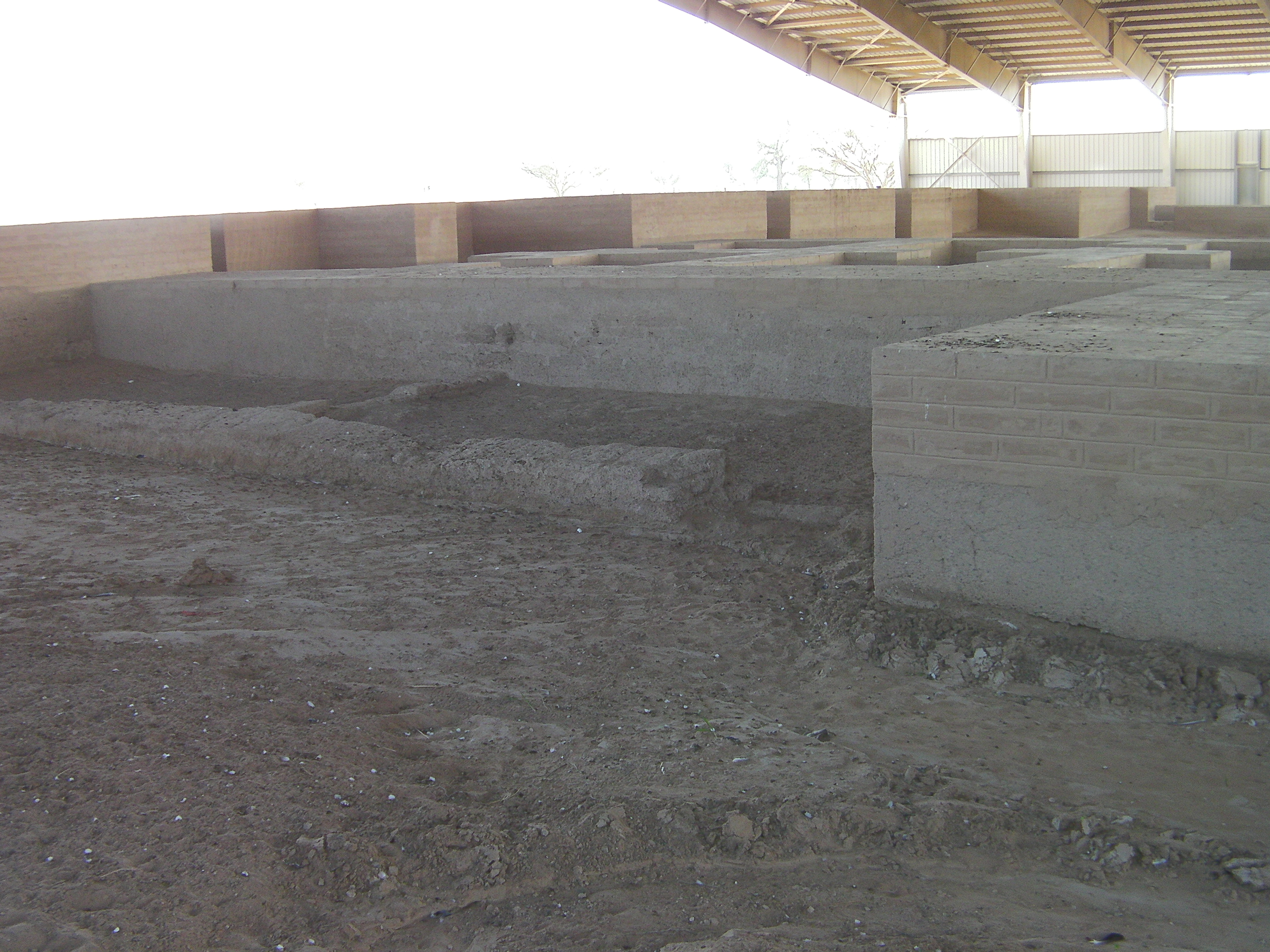
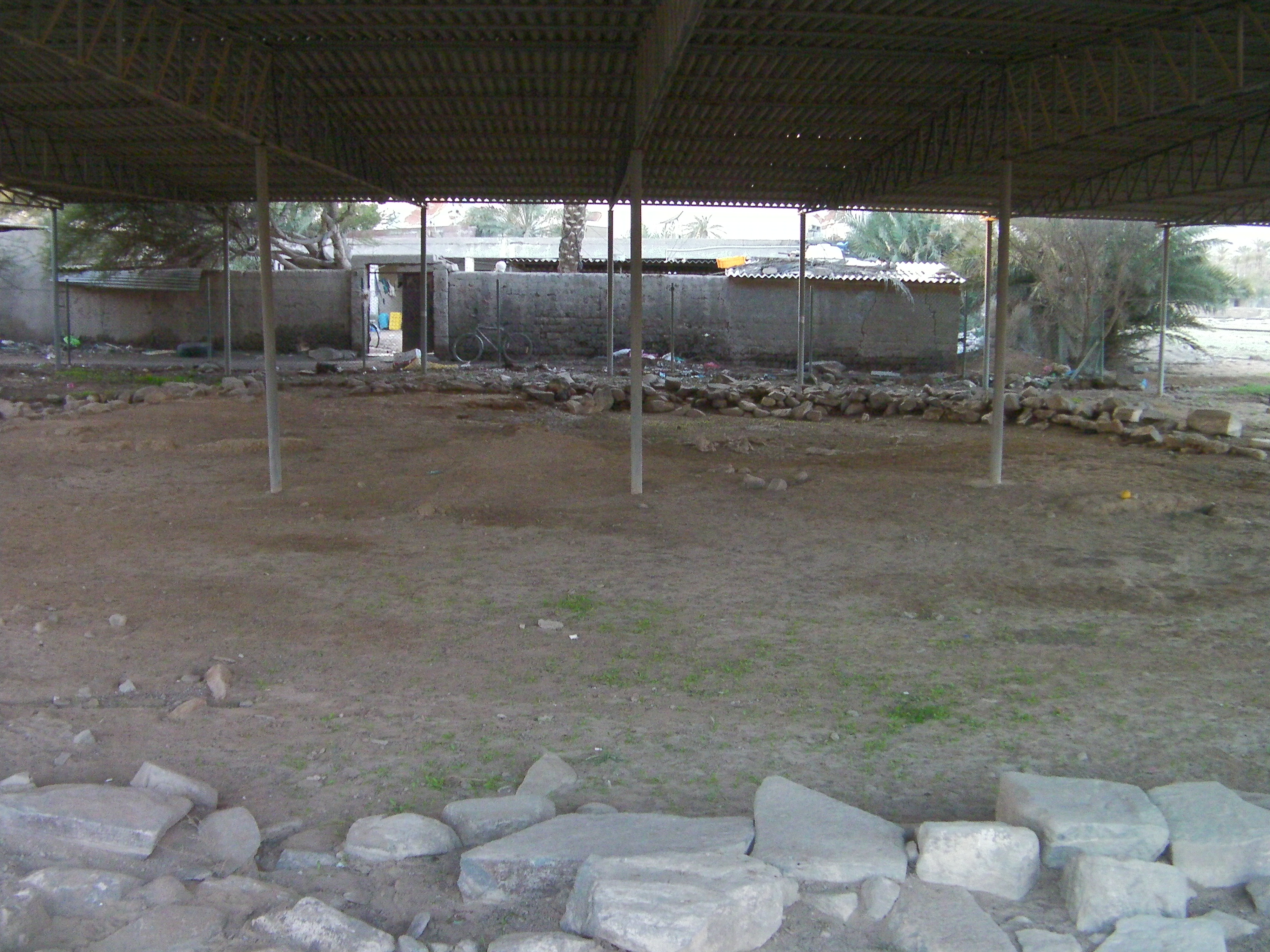
covered archeological site, stone riuns

After a quick, late lunch in Fujairah, we headed up the coast to Bidya to search for the ancient fort site. This site dates to back approximately more than 4,000 years. This is one of the oldest archaeological finds on the East Coast of the UAE. It was a small, round fort built around a well.

These places are not necessarily easy to find (although some are right on the side of the road). They are also not necessarily set up for visitors as there is little to no information displayed at the sites. (A bit of a missed opportunity for education and tourist attractions.) However, information on some of the sites is available at area museums. Information and artifacts related to the archaeological sites in Maleha are on display at the Sharjah Archaeology Museum in downtown Sharjah city. Fujairah Museum– located near Fujairah Fort- is small, but very nice, and includes information and artifacts from the fort at Bidya in its archaeological section.