Posts Tagged ‘archaeology’

h1

Wadi Safad

May 9, 2014

Posted by Kanga. Please do not reblog.
green hill with archeological ruins

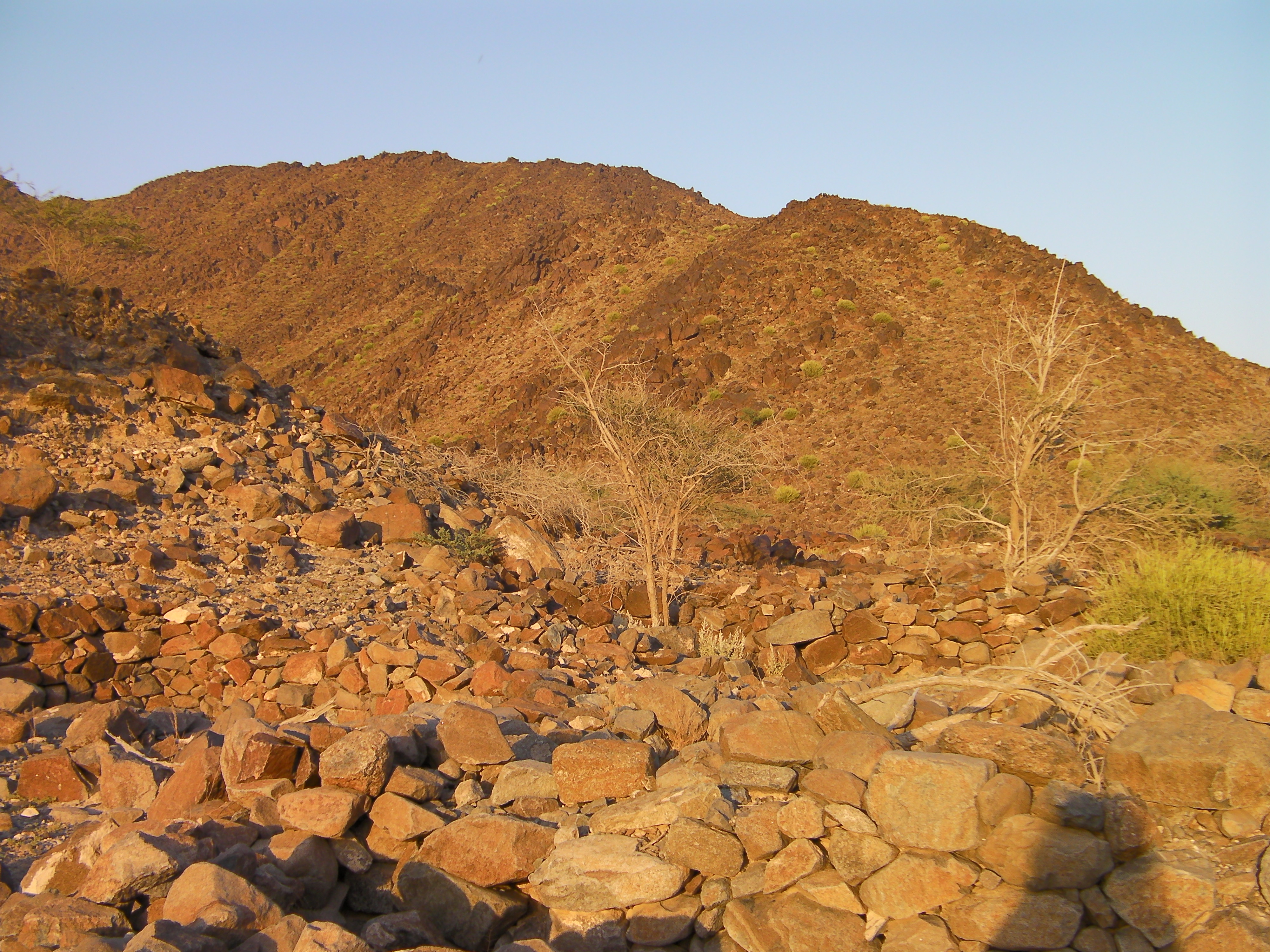
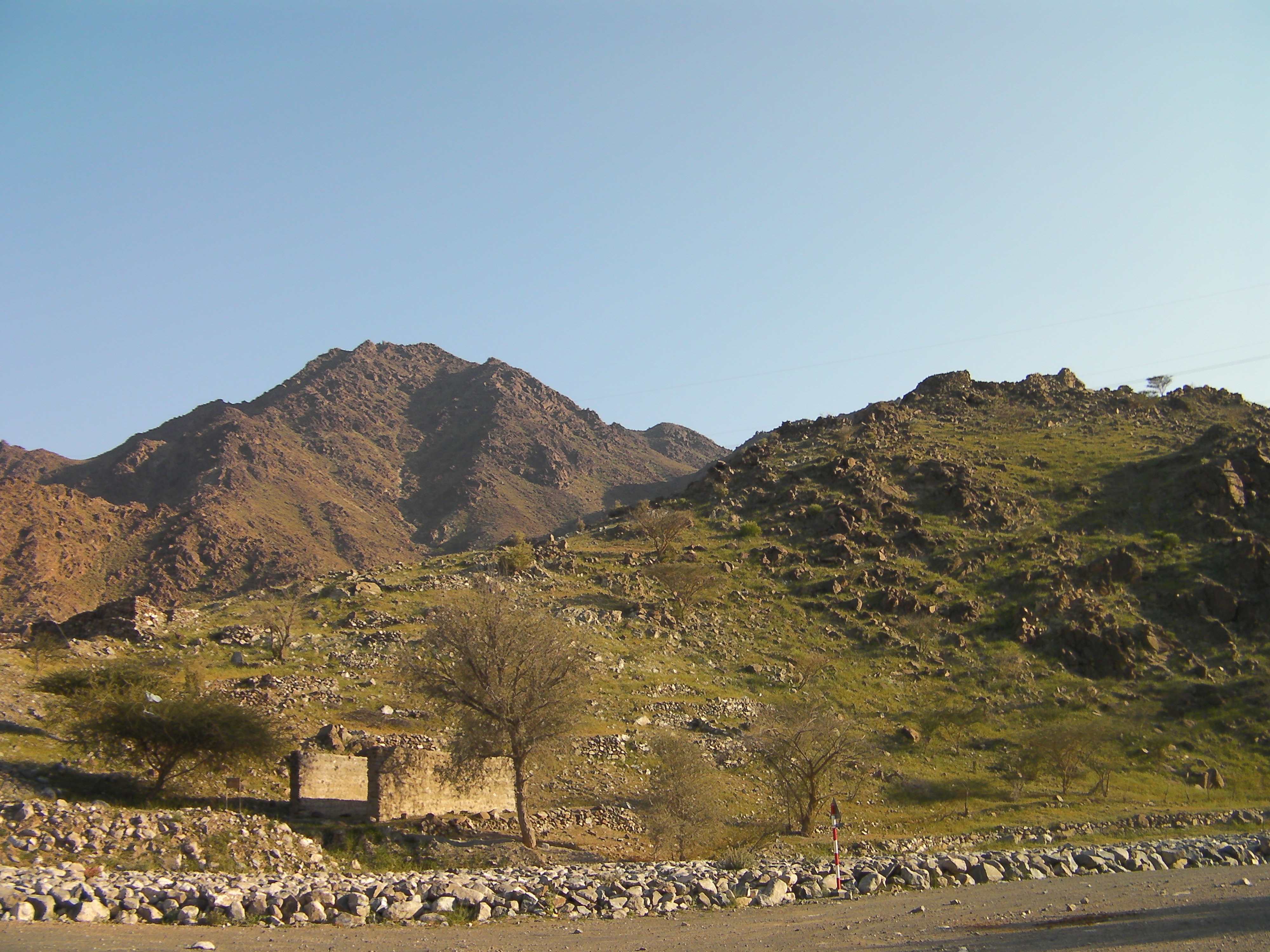
This is an archeological site in Wadi Safad. There was a small fort at the top of the hill, houses on the sides of the hill, and a mosque at the lower left. The two standing walls are a newer structure, probably a tobacco drying shed. Notice how green the hill is. This photo was taken in February and proof of how wet this winter was.

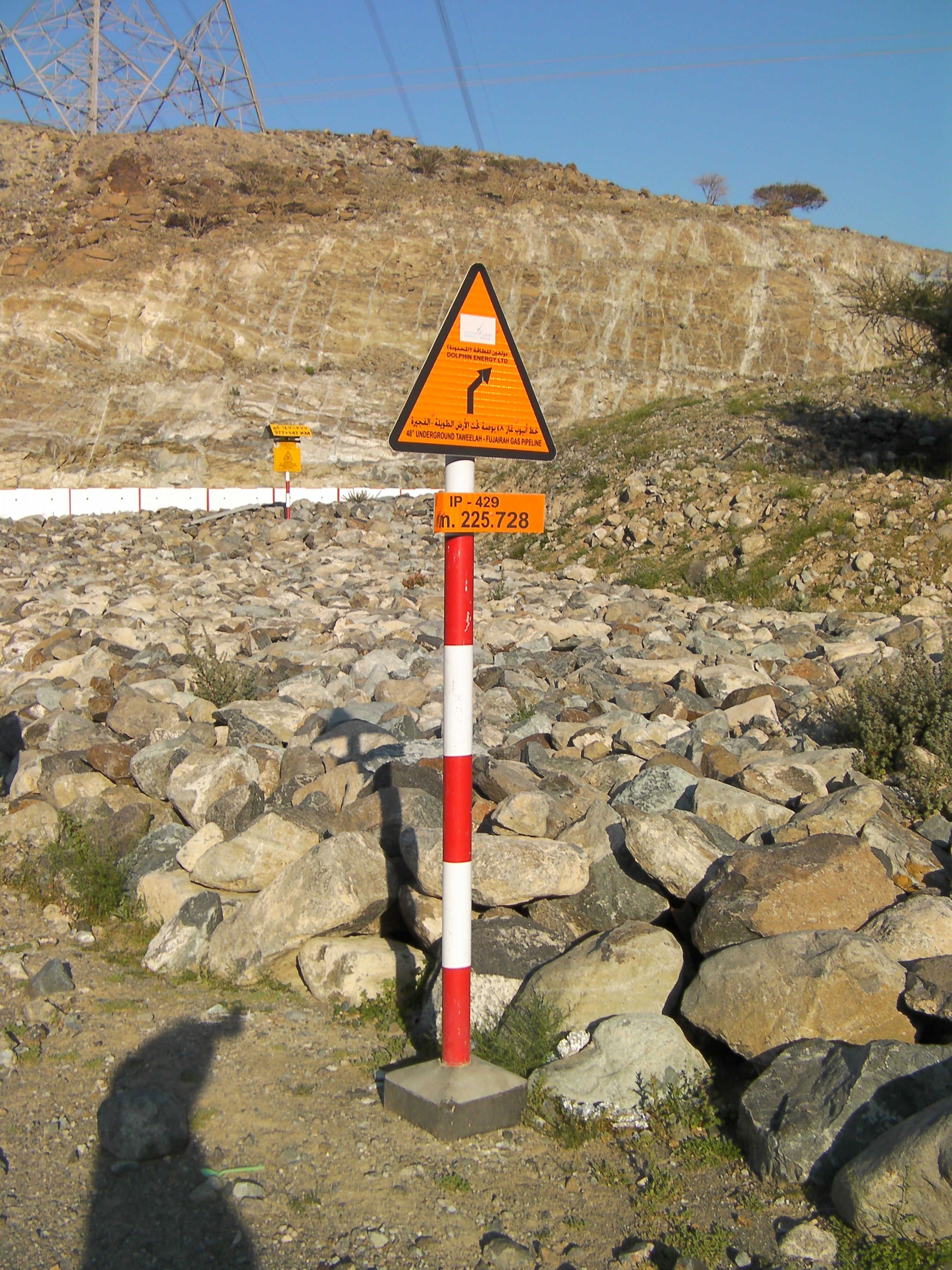
buried pipeline and warning sign

Not only does the road cut through this archeological site, but right up against the base of the hill is the oil pipeline that runs from Abu Dhabi to the Fujairah port.

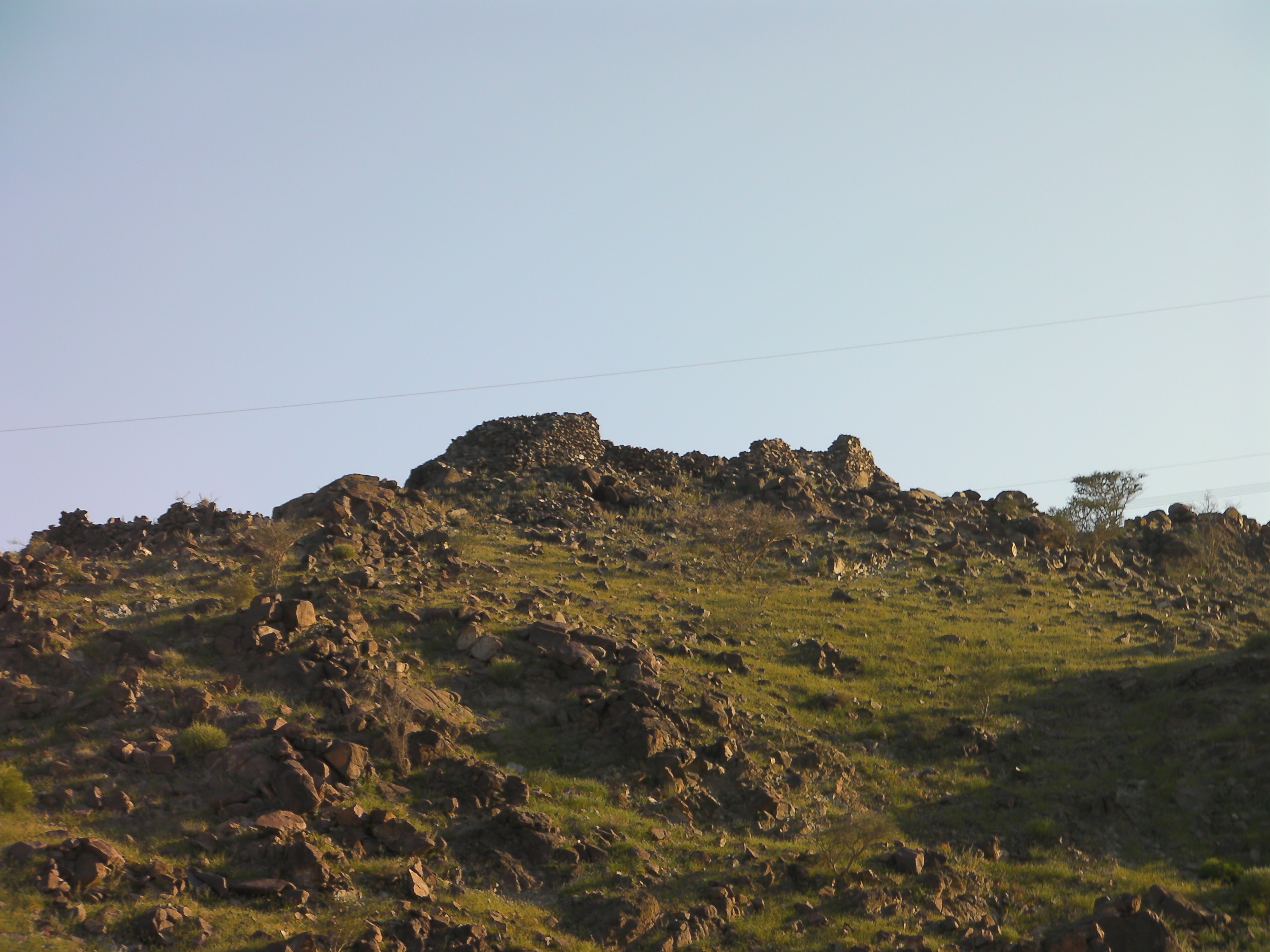
close up of fort ruins at top of the hill

Close up of the fort at the top. For more information, read An archaeological and architectural evaluation of a fort in the Wadi Safad, Emirate of Fujairah and A Preliminary Survey of the Archaeology of Wadi Safad, Fujairah, UAE.

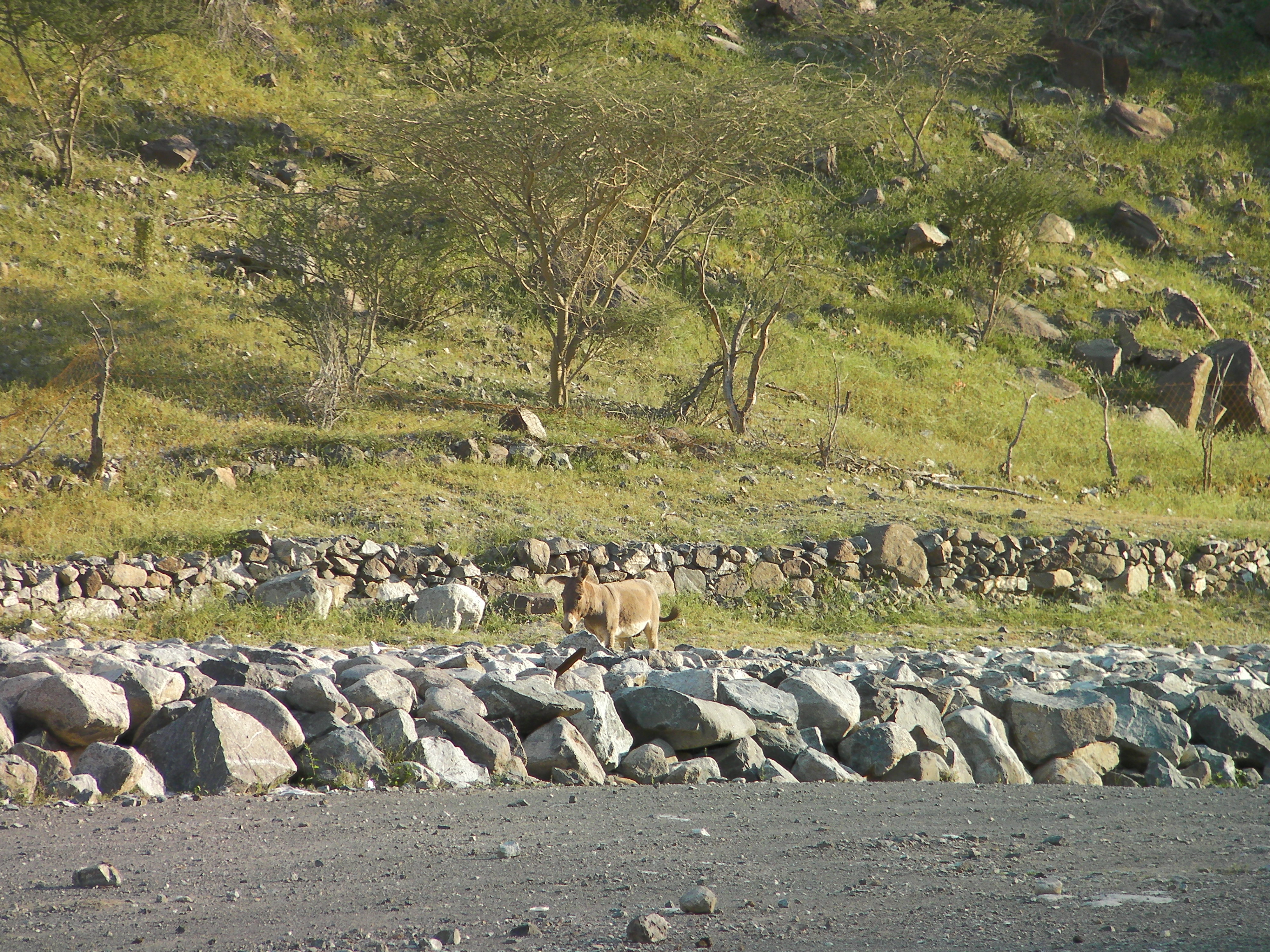
feral donkey

A donkey wondered along while we were there.

h1

Old Esfai

May 3, 2014

Posted by Kanga Please do not reblog.

On our way home from Dubai one day while it was still light out (which is rare for us), we took the Esfai turn off to see what there is to see.

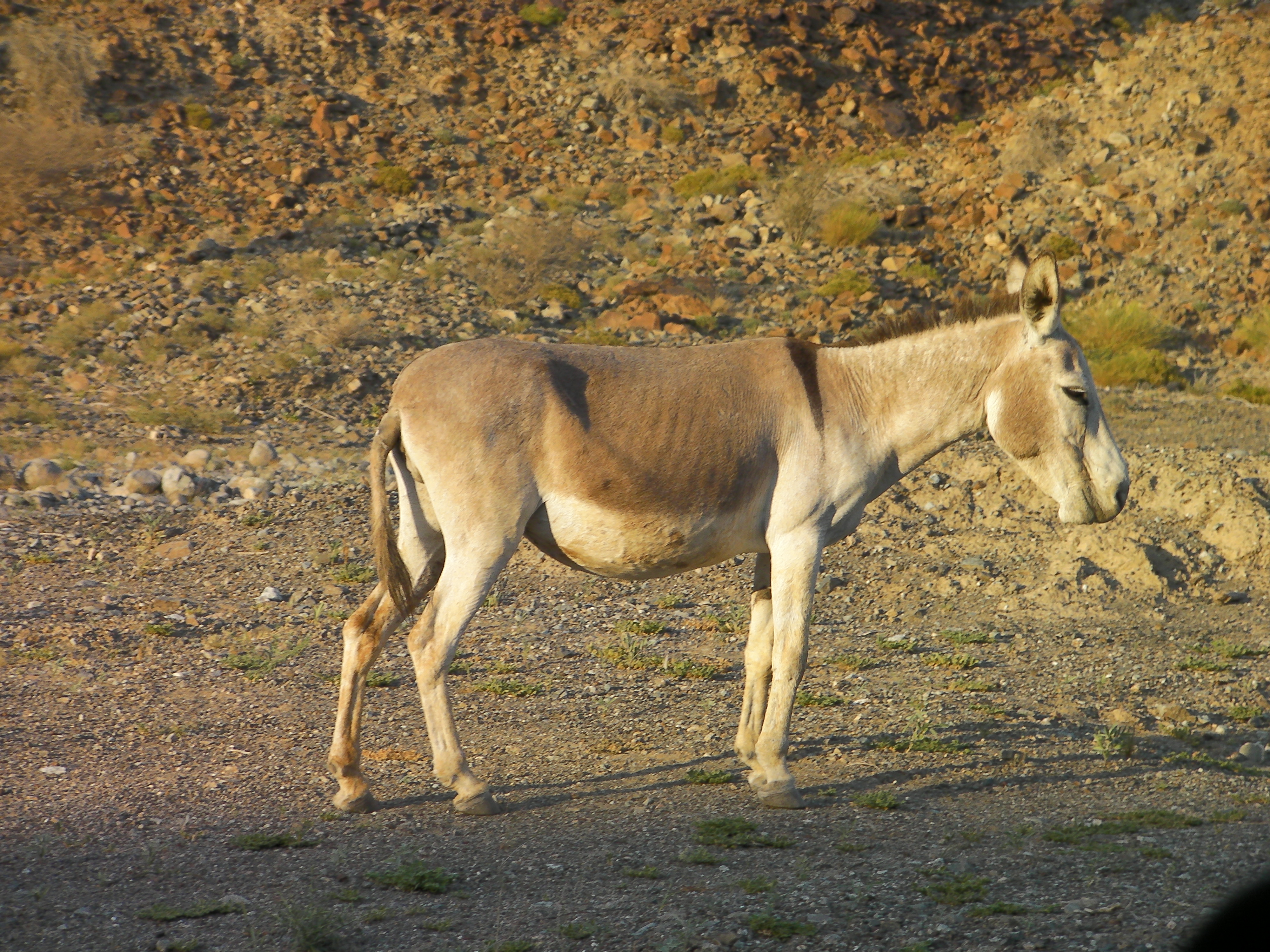
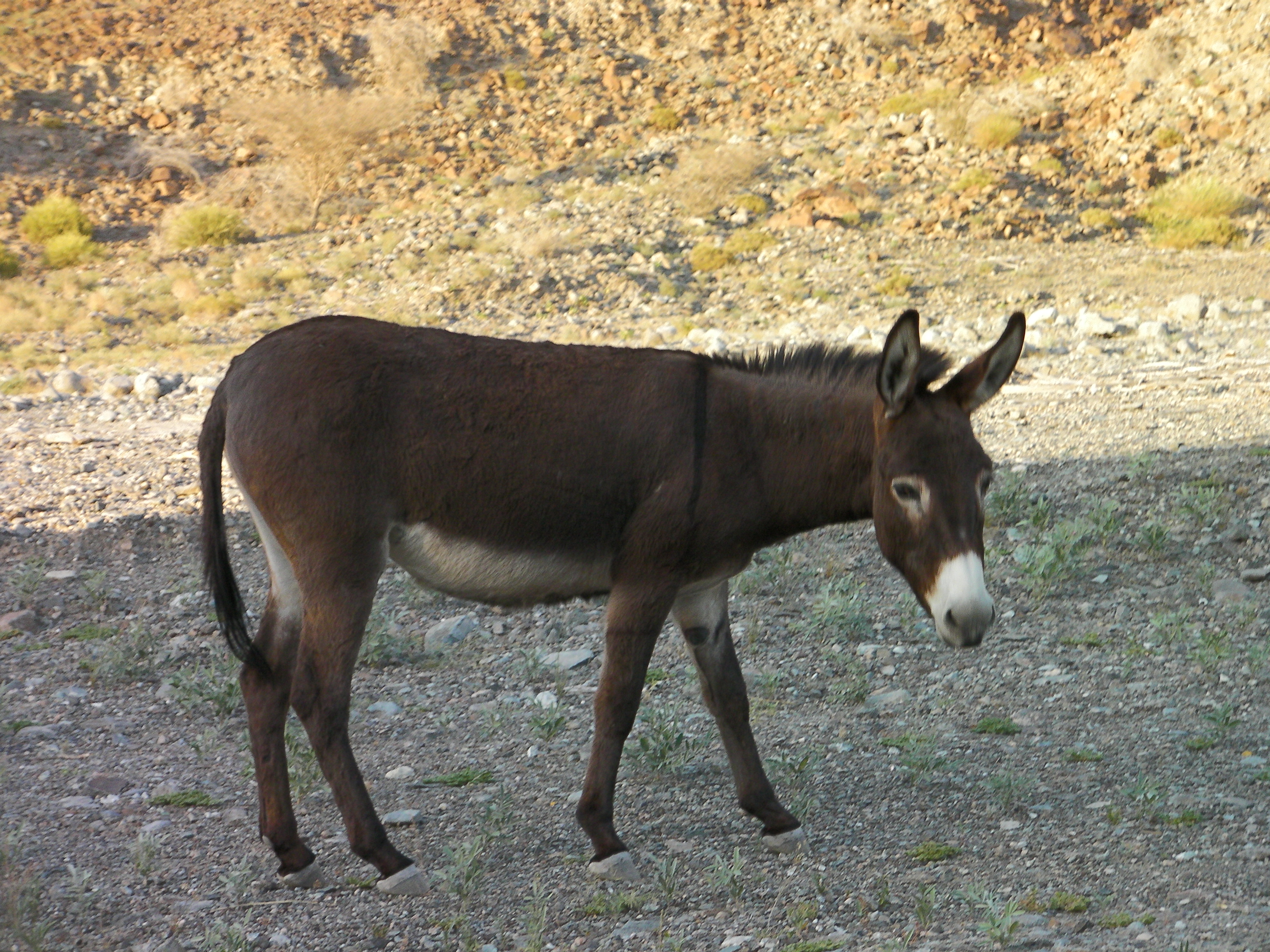
light colored feral donkey

Feral donkeys are common in the mountains and usually travel in multiples of two. This one is unusually pale in color and seems to have a foal in the oven, so to speak.

dark brown feral donkey

I assume her traveling companion is the sire. They have had a bounteous year with the winter rains resulting in more grasses and bushes to eat.

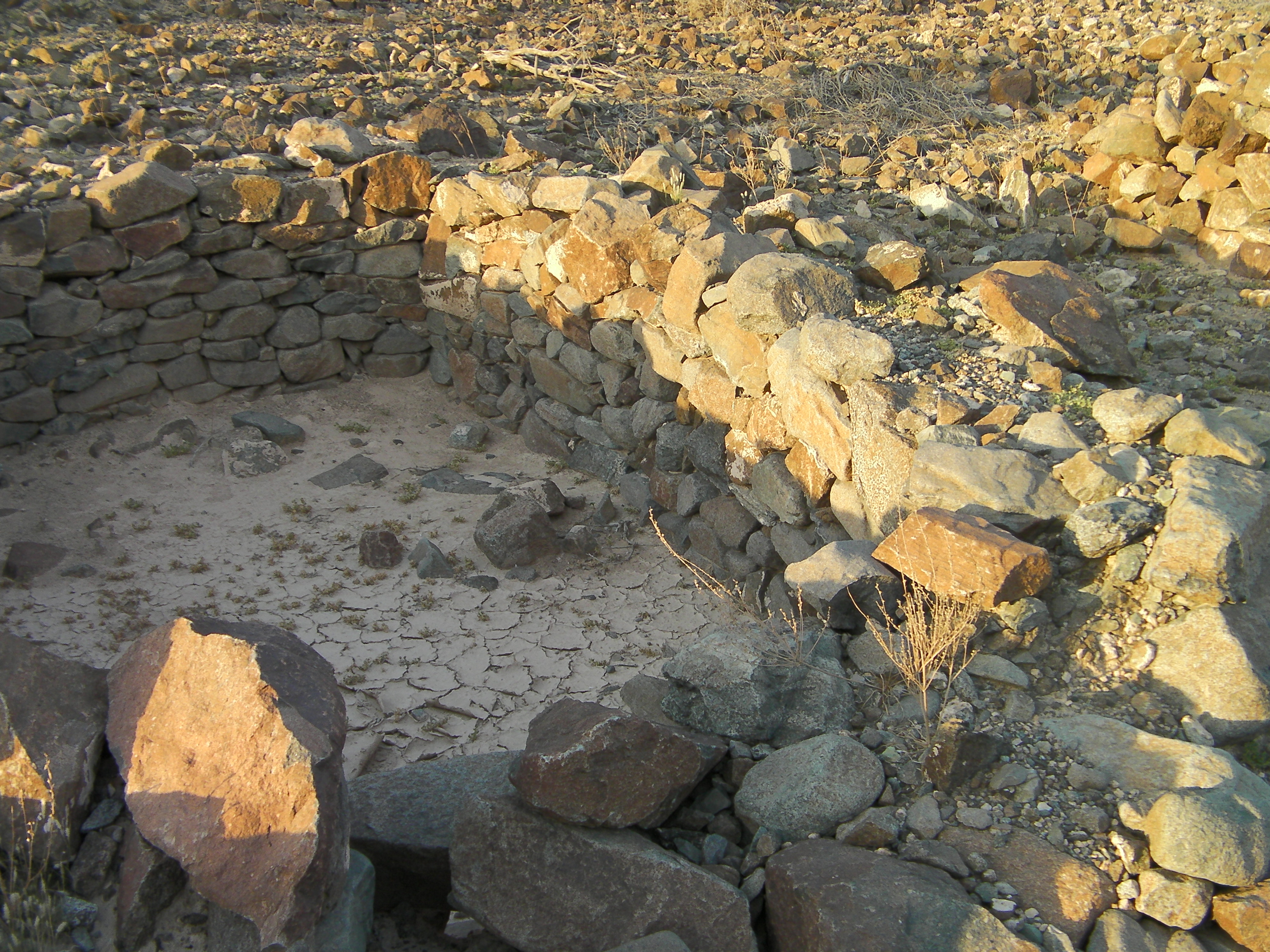
ruins of a stone house

We briefly explored the remains of the old village. There are newer modern houses further up the valley, but these are more interesting to us. Many of the structures had double rock walls – large rocks on the outsides of the wall with gravel filling the gap between. Very strong, I should think.

rock wall made of two rows of large stones with smaller stones filling the gap between

Here’s a closer view, although the filler rocks in this one are larger than gravel.

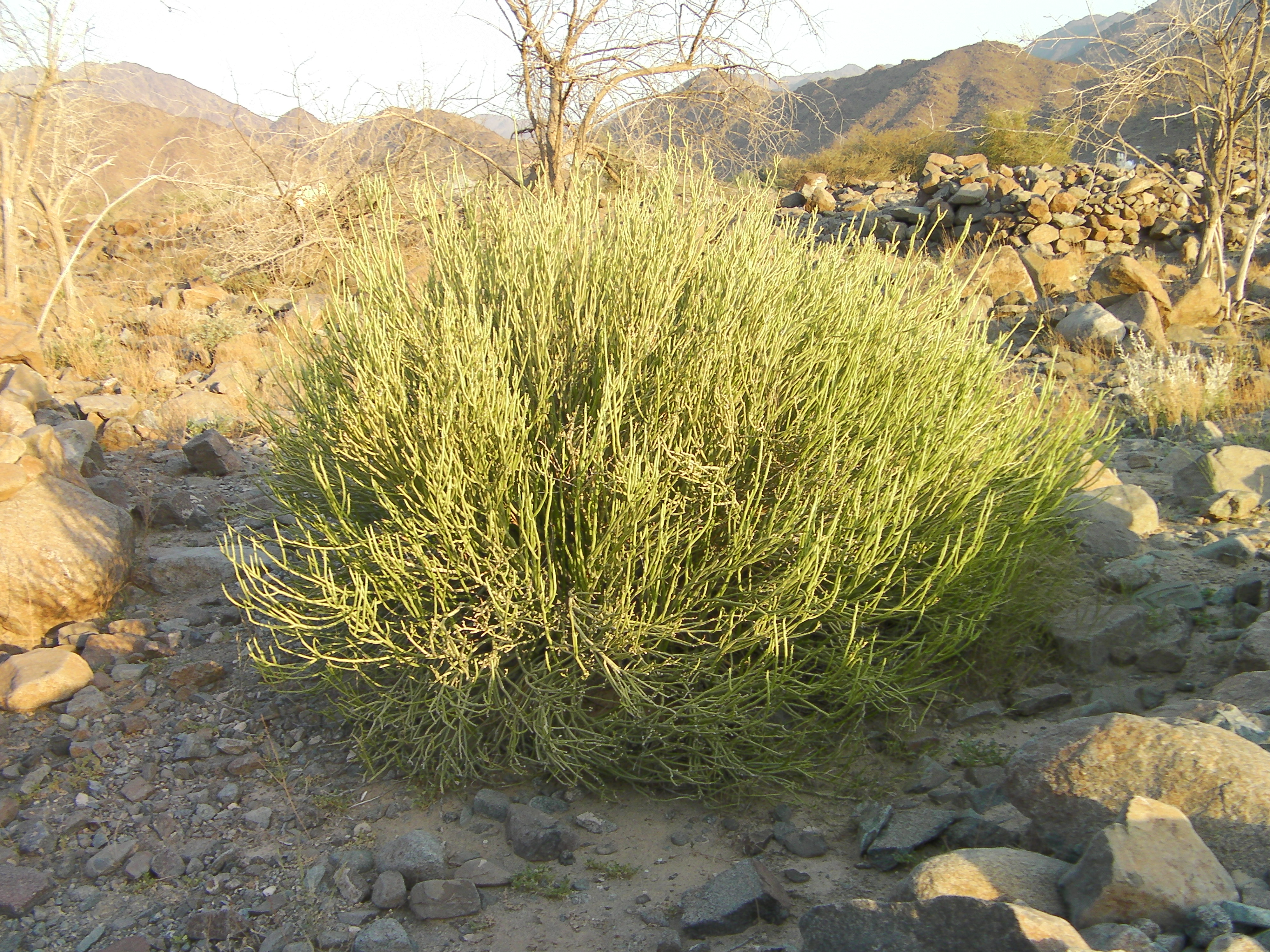
large green bush

This bush is proof of the wet winter. It is about a meter high.

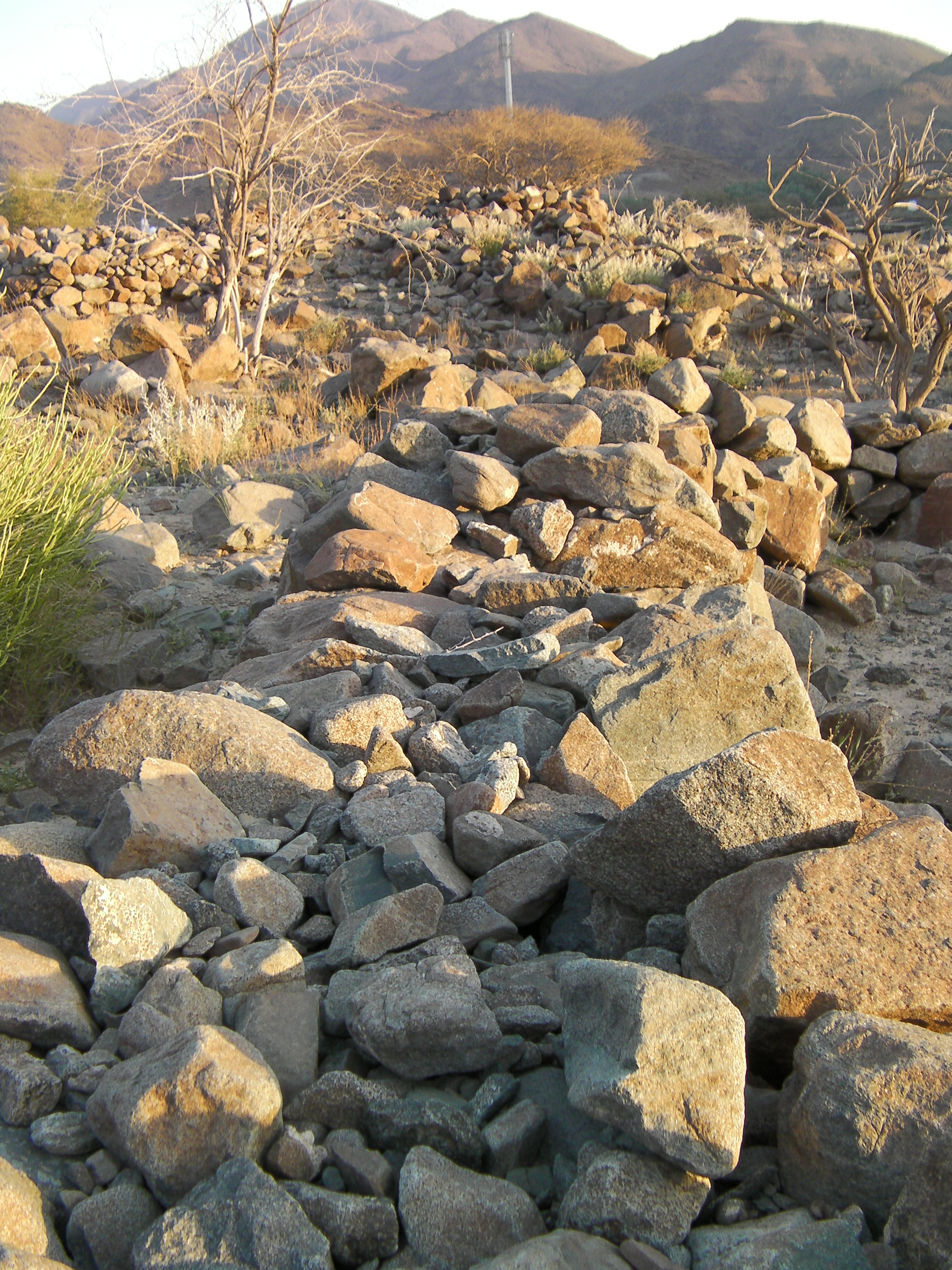
stone house ruins in the foreground, hills in the background

For all the pictures, click here.

If it seems odd to you that this would be in Ras Al Khaimah, that is because the emirates are not necessarily contiguous. RAK is actually in two large, but separate areas. This map shows the layout of the emirates fairly well. We drive through Fujairah, Ras Al Khaimah, and Sharjah to get to Dubai.

h1

In Search of Petroglyphs

February 8, 2014

Posted by Kanga

old stone structures

In case you hadn’t noticed from previous posts, DaddyBird’s new hobby is researching and finding archeological sites in Fujairah. He noticed this one right along side the new Sheikh Khalifa bin Zayed Road which we drive every time we go to Dubai. Why it took us so long to notice it is a mystery.

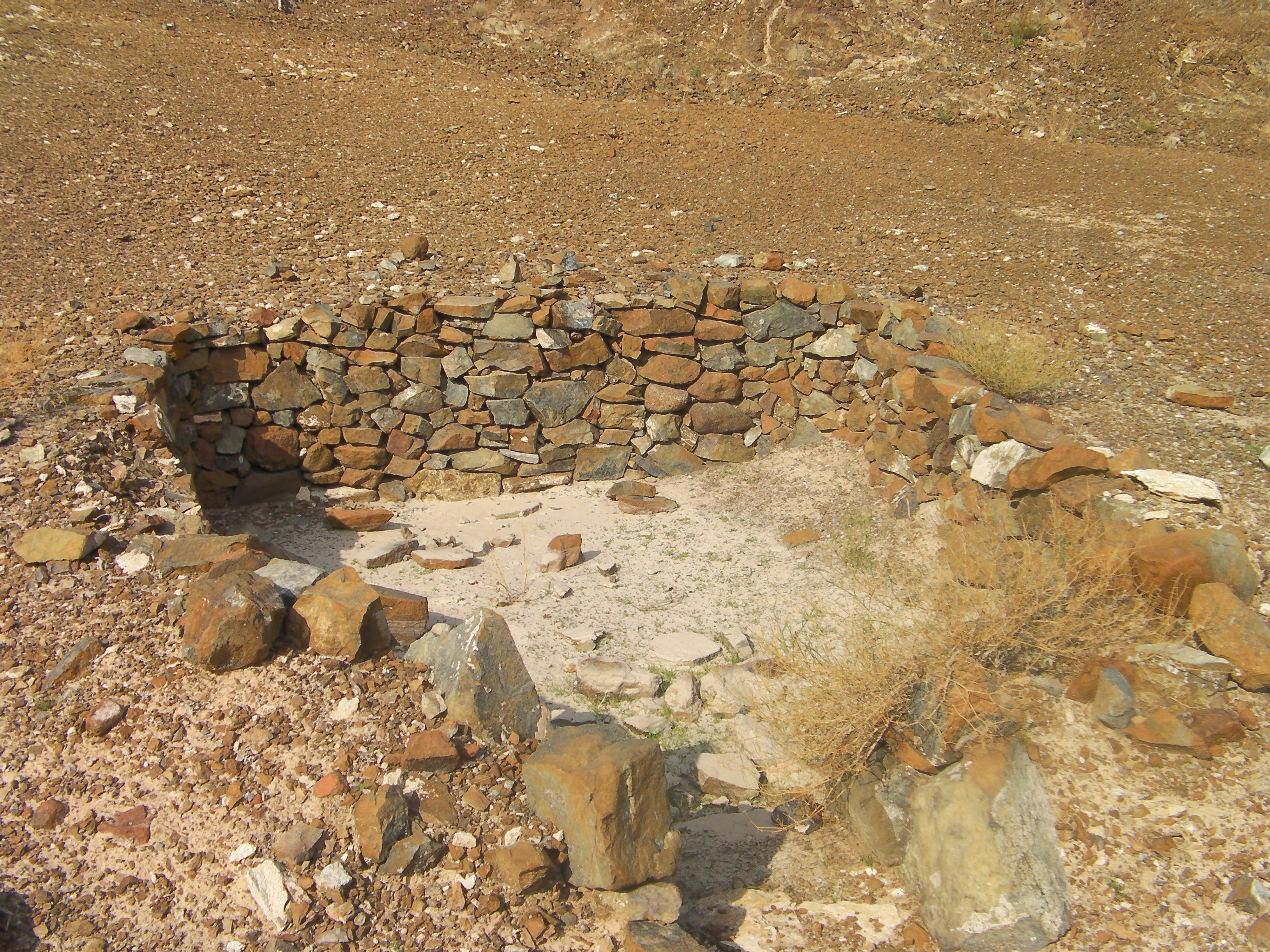
stone foundation of a khaimah house

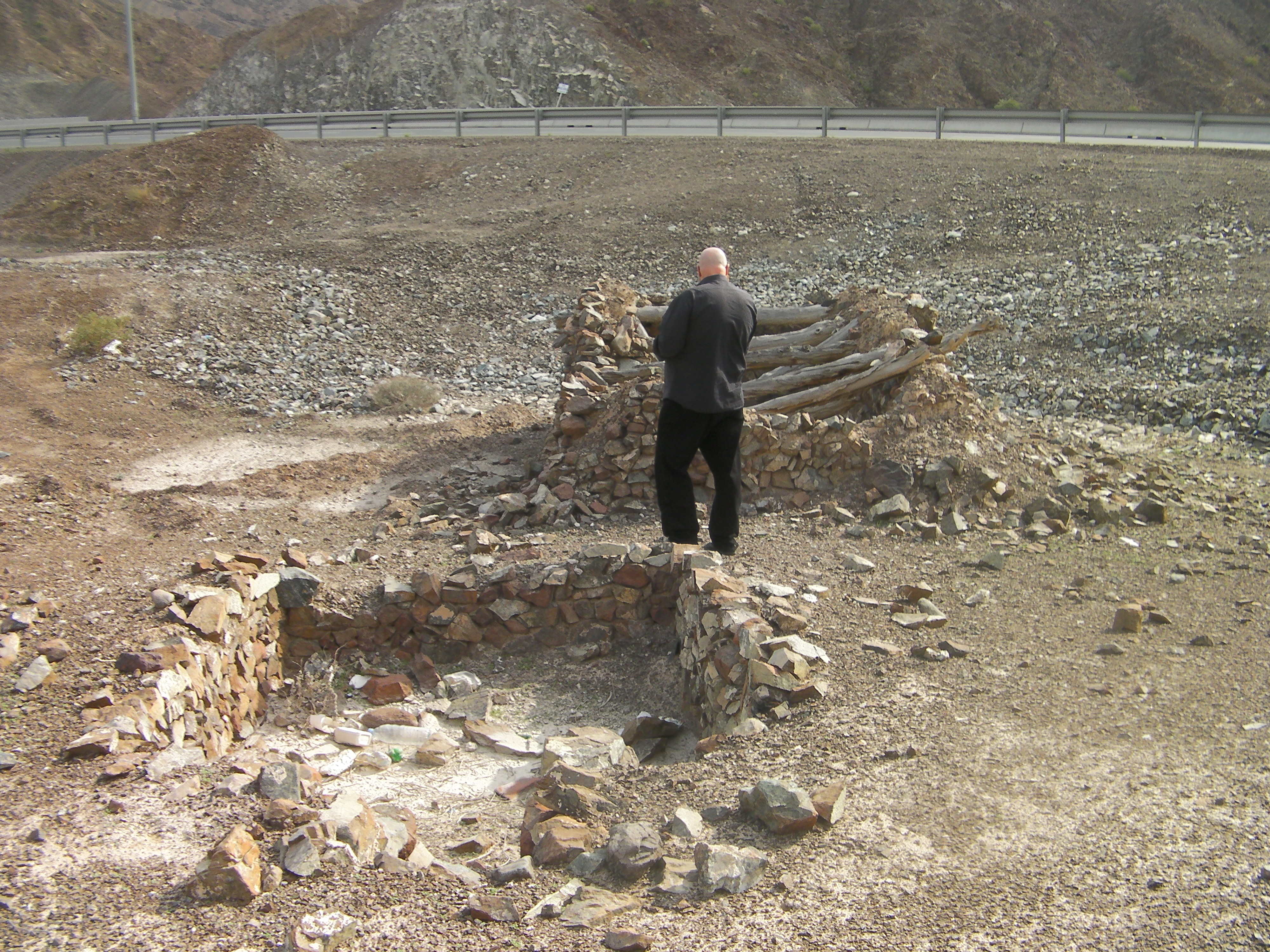
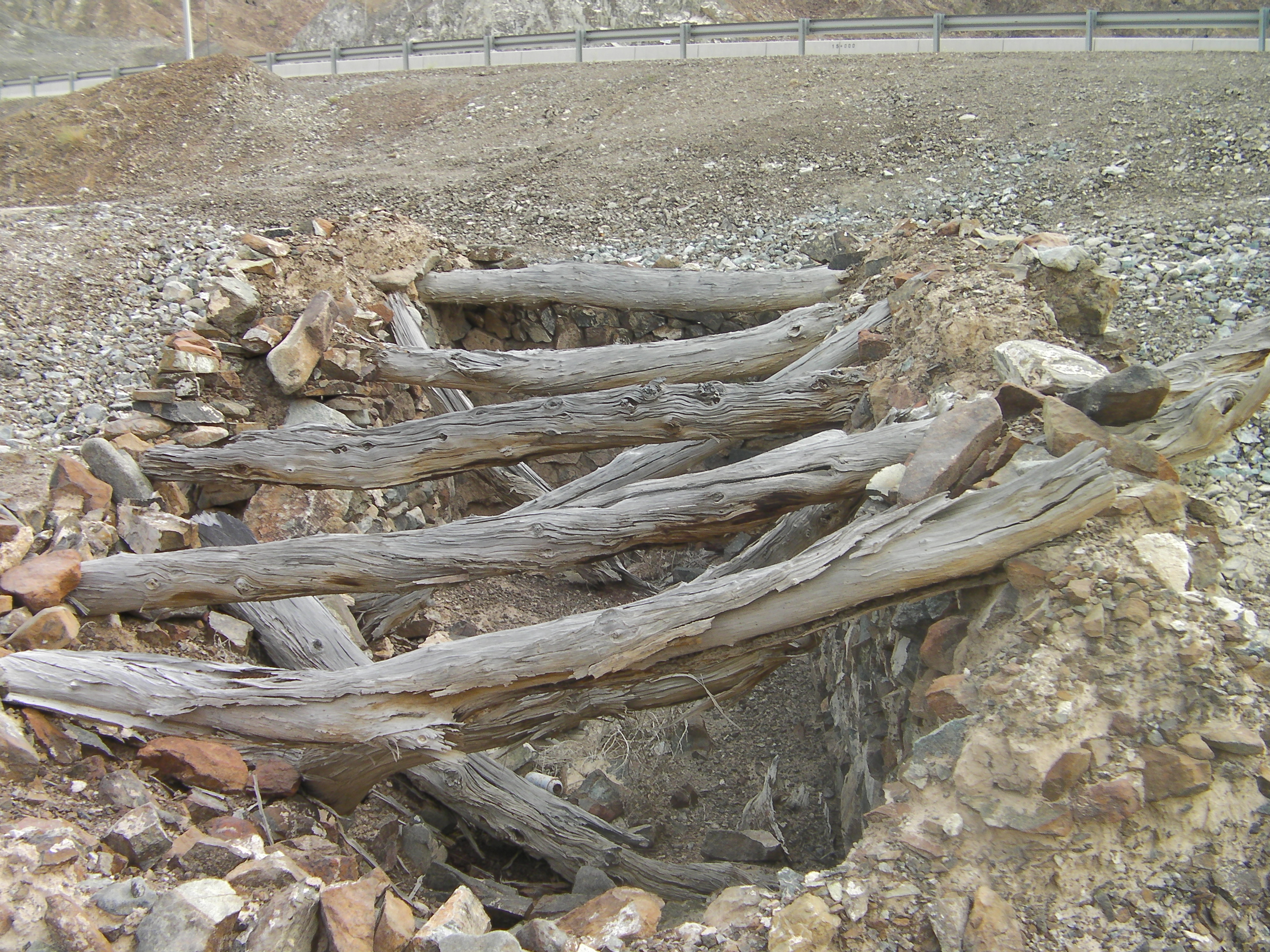
There are three surviving structures. Two khaimah houses – low stone foundation which would have been topped with a palm branch tent – and one rectangular stone house with wooden beams supporting the roof. The fact that the wood beams are still part of the structure means that it is probably a fairly recent structure, abandoned only a few generations ago.

rectangular stone house with wooden beams across the top

We continued our exploration by driving up Wadi Sahm which was just recently paved. We stopped here.

dry valley and hillside

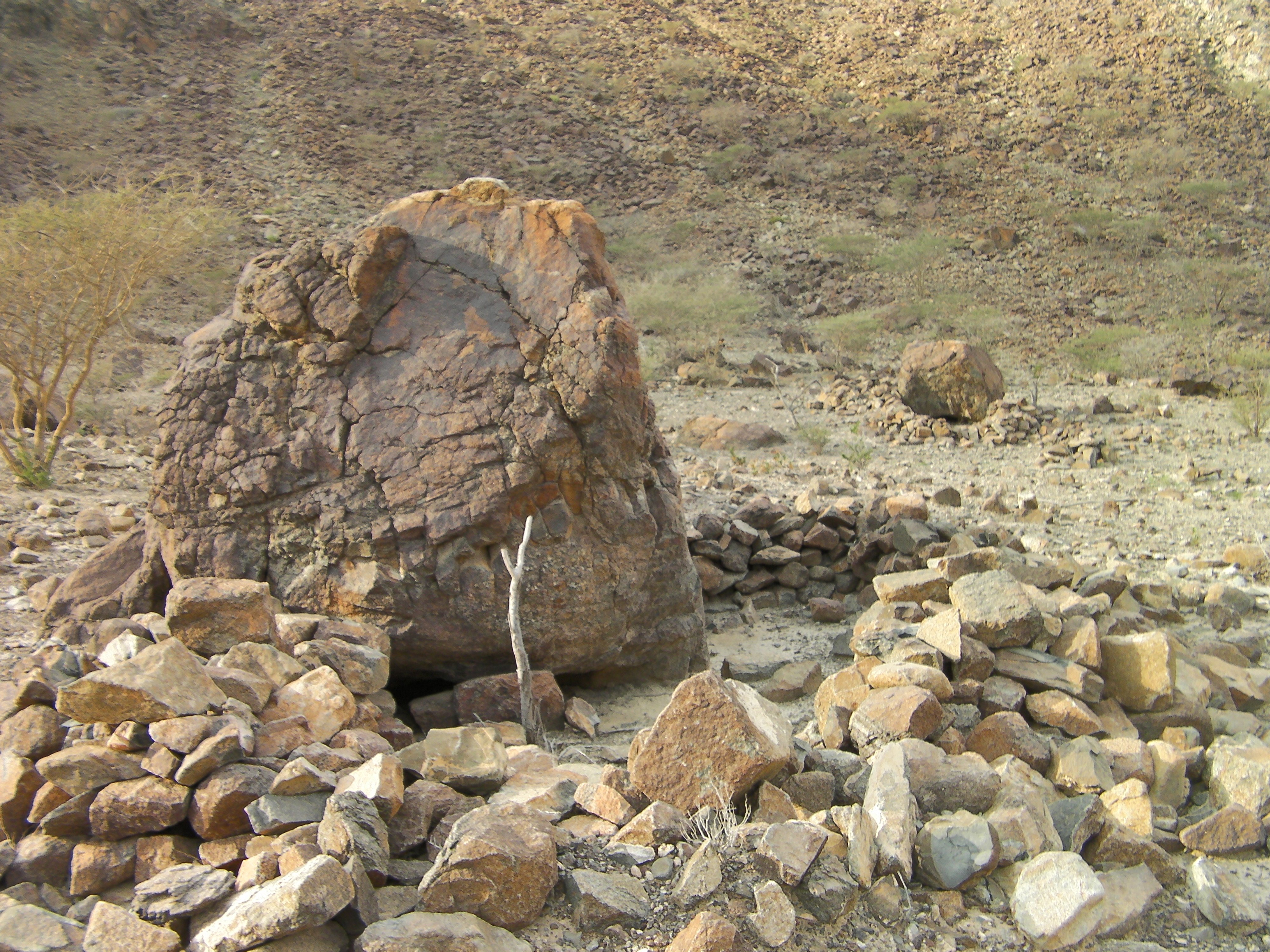
Which might not look like much, until you get close enough to see that there are several large boulders around which stone shelters were built long ago.

large boulder with a low rock wall built around it

We didn’t do an official count, but would estimate that there was a sizable settlement here of 15-20 structures. They took advantage of the large boulders to form at least one wall of their shelters and provide support. It is likely that these were low rock walls topped with thatch roofs made of bushes.

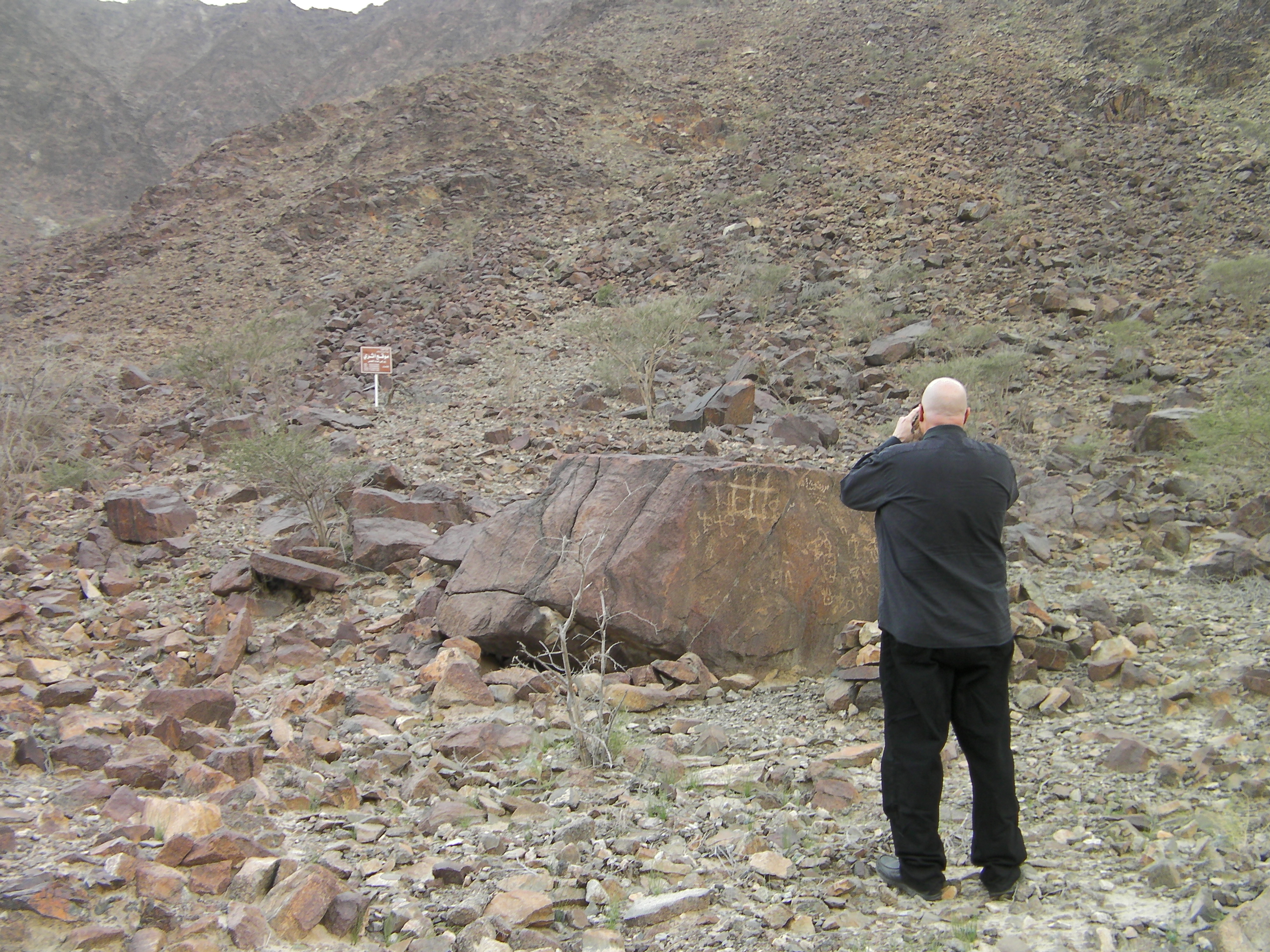
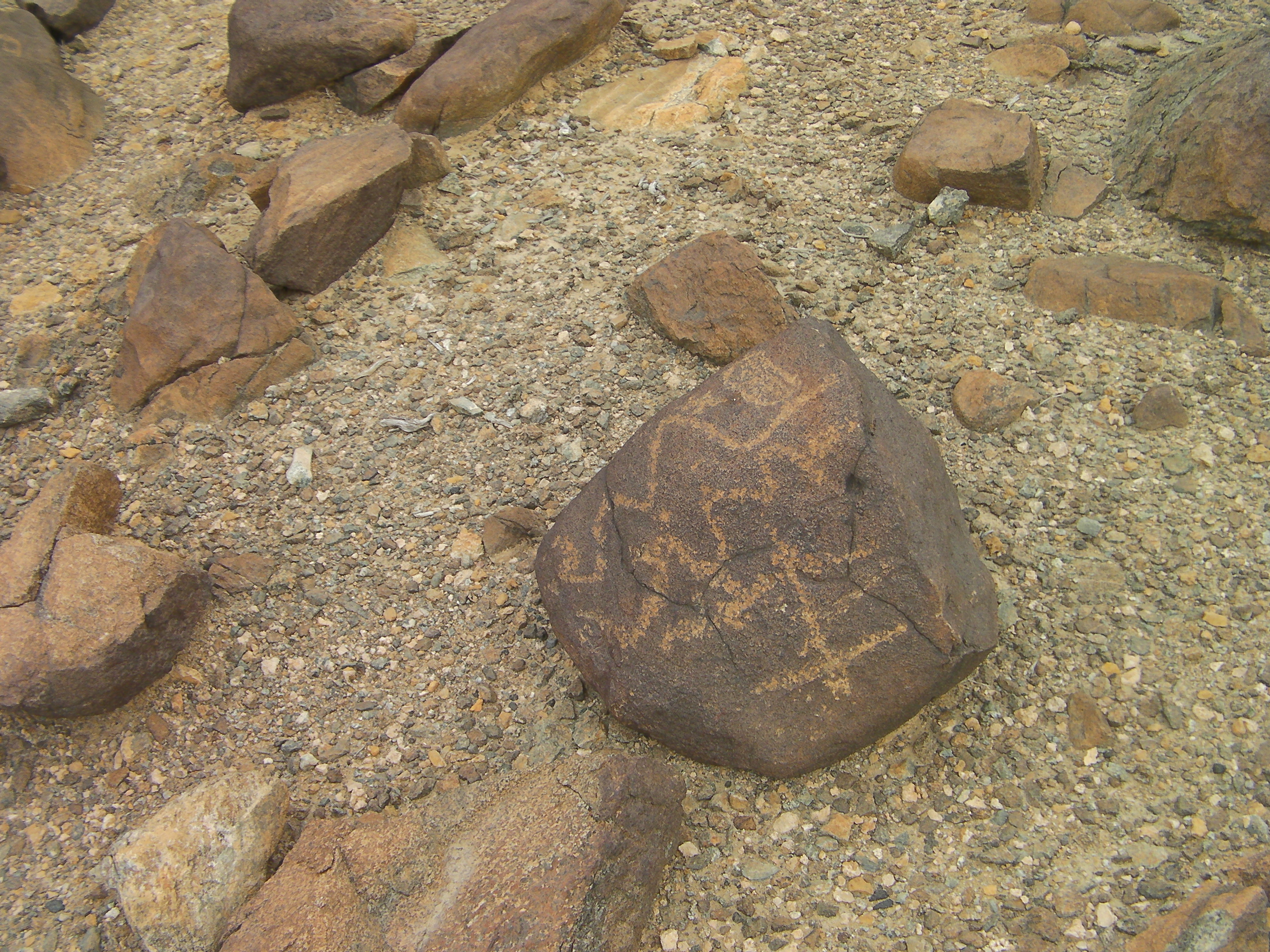
large boulder with petroglyphs

There were a few petroglyphs at this site. This boulder has both old designs and more modern markings, including Arabic script.

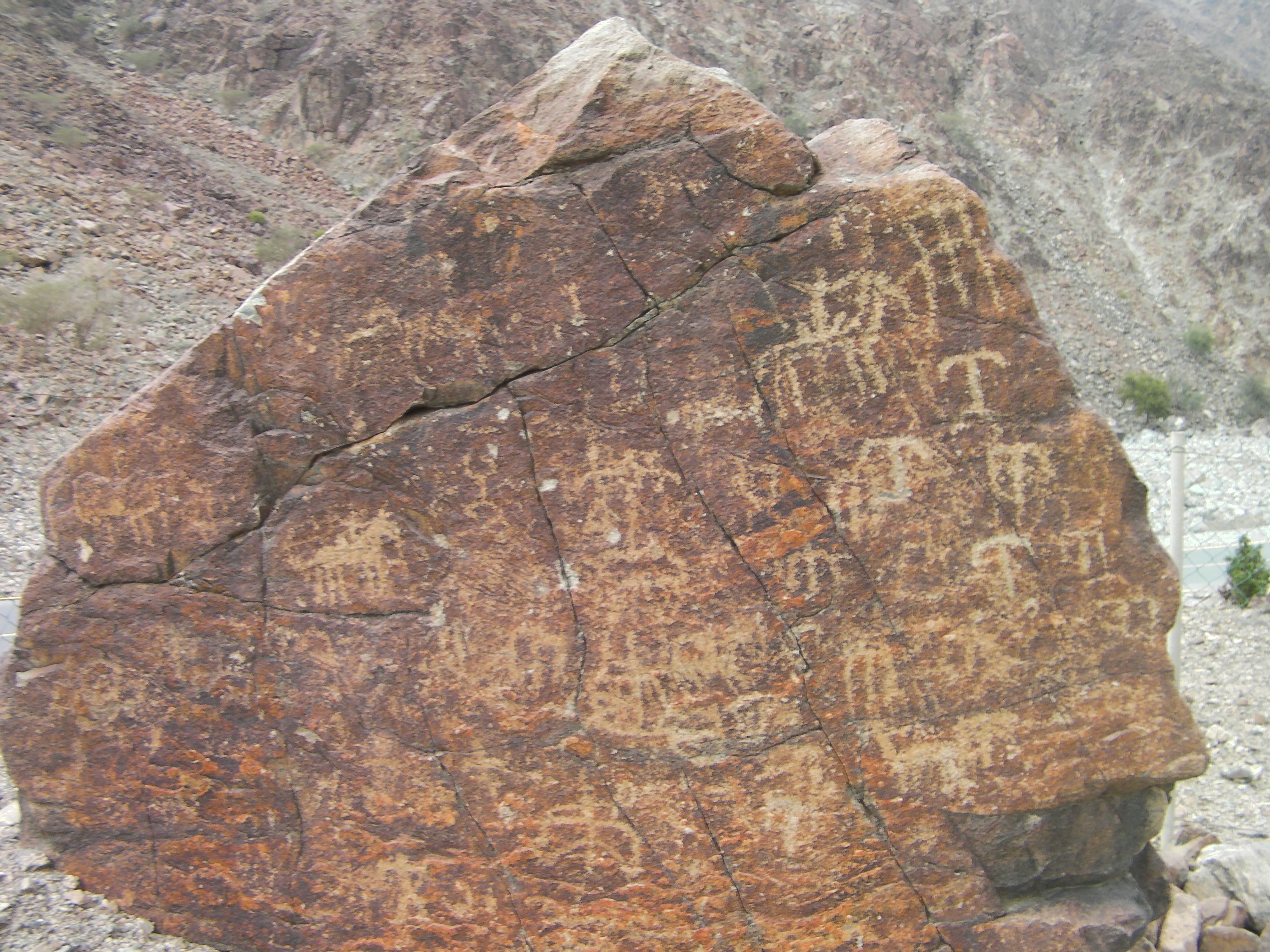
large boulder covered with petroglyphs

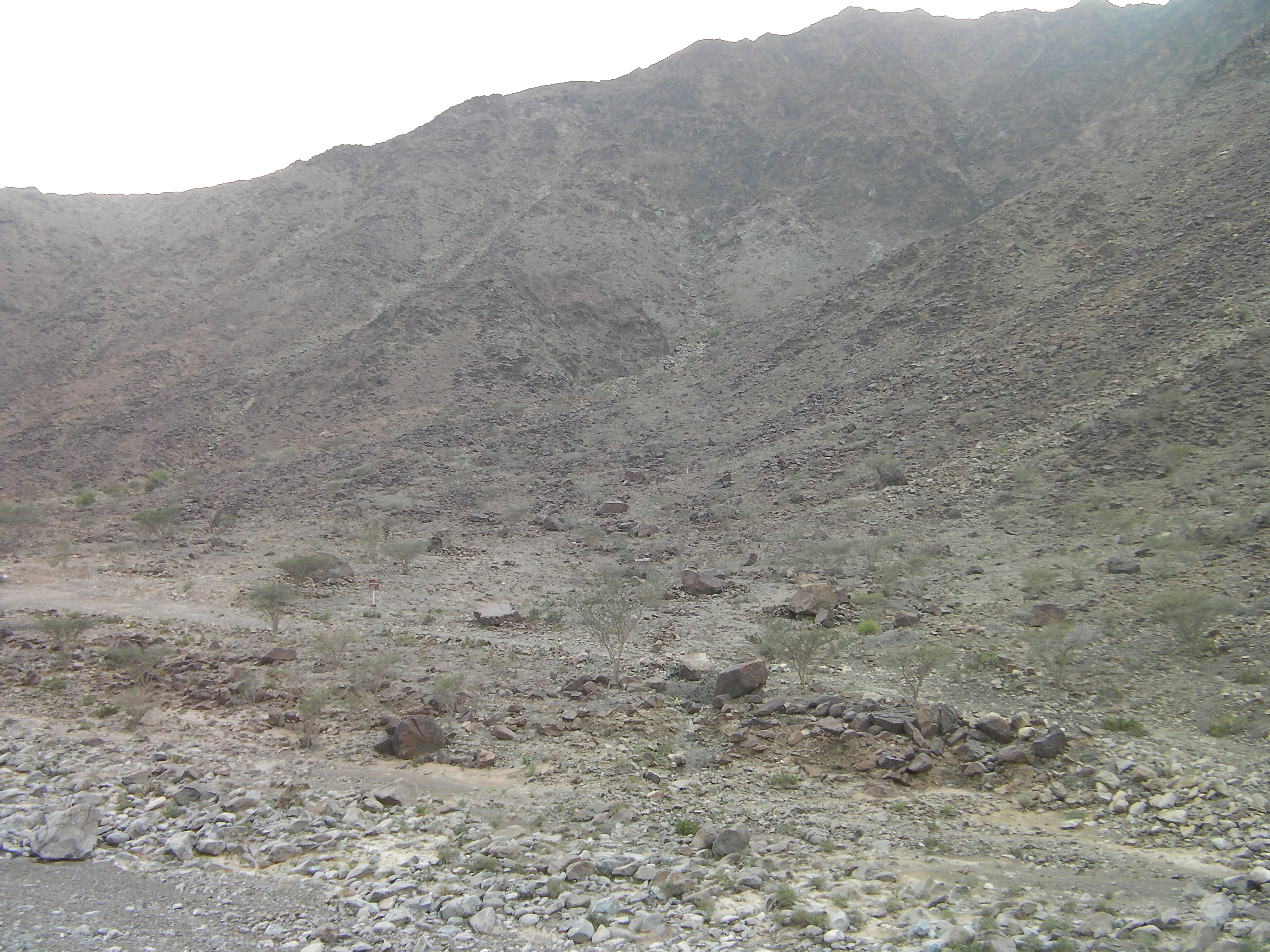
Further up the valley is a large boulder right on the side of the road covered on all sides with petroglyphs. A short distance from this is a small plateau with a few piles of stones and quite a few petroglyphs.

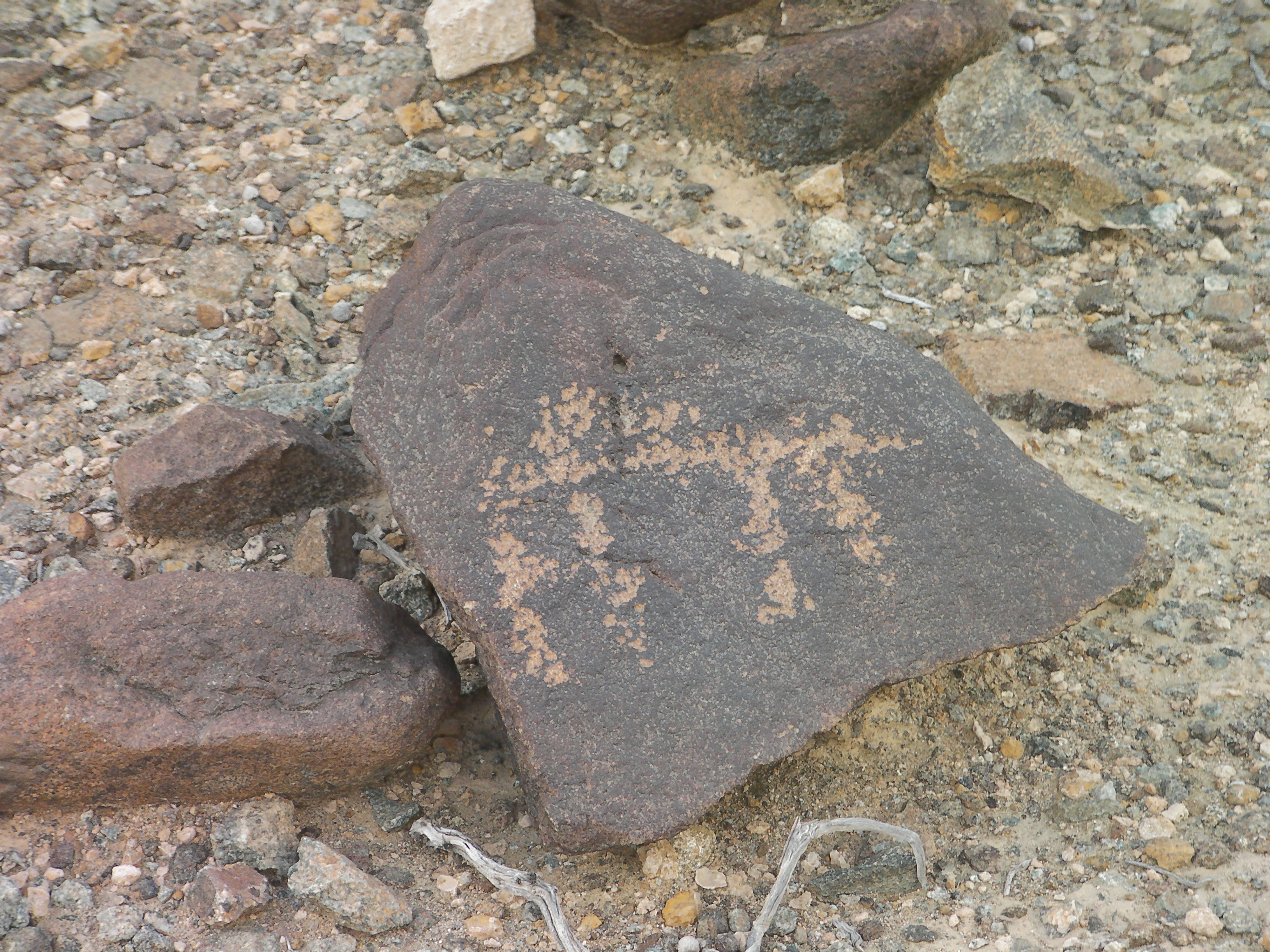
two snake markings on a soccer ball sized rock

Snakes

camel petroglyph

Camel

It’s too bad we don’t have time travel technology. I’d love to take a little peak back in time to see how these people lived. What they valued. What made them laugh.

h1

Fujairah Historical Sites

January 4, 2014

Posted by Kanga. Please do not reblog.

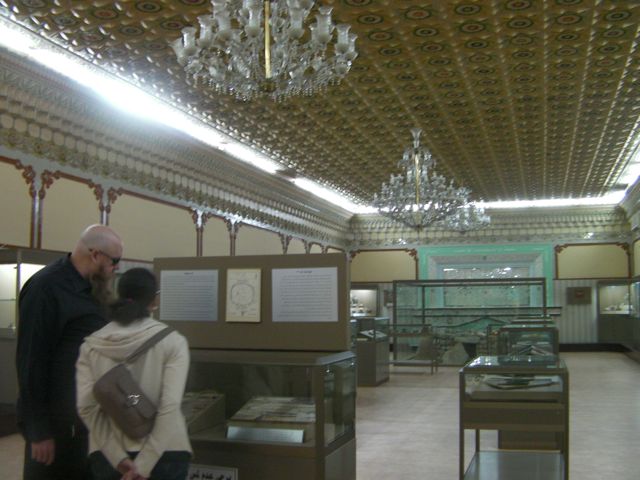
museum display case room

We took BabyBird on a mini Fujairah history tour beginning with the Fujairah Museum.
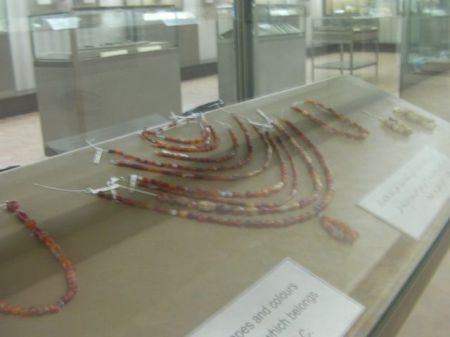
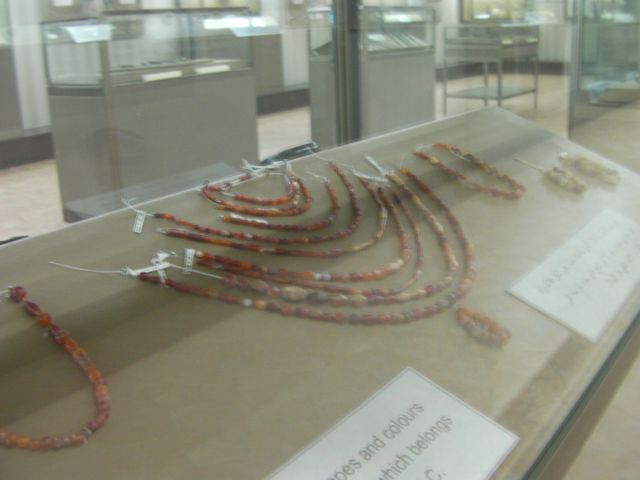
ancient jewelry made of carnelian (red) stone

The museum has displays of artifacts from ancient sites – forts, burials, etc. – that have been excavated. Carnelian and sea shell jewelry were prominent in the days before pearling.
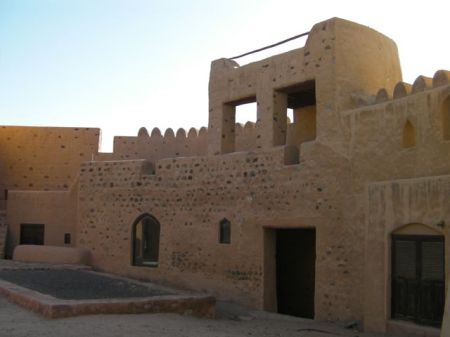
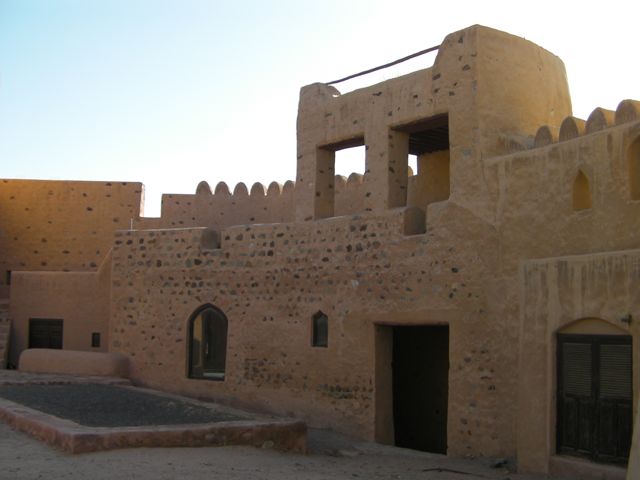
inside of a restored 300 year old fort

The Fujairah Fort was open (which has been rare in the past) so we took the opportunity to go inside. The fort is approximately 300 years old and has been recently restored.
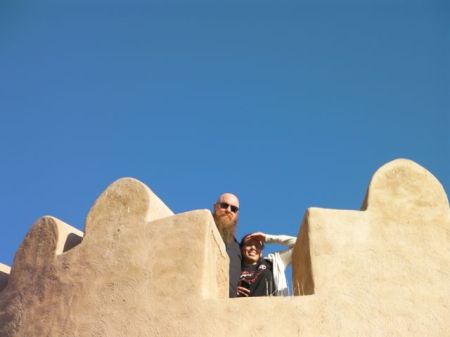
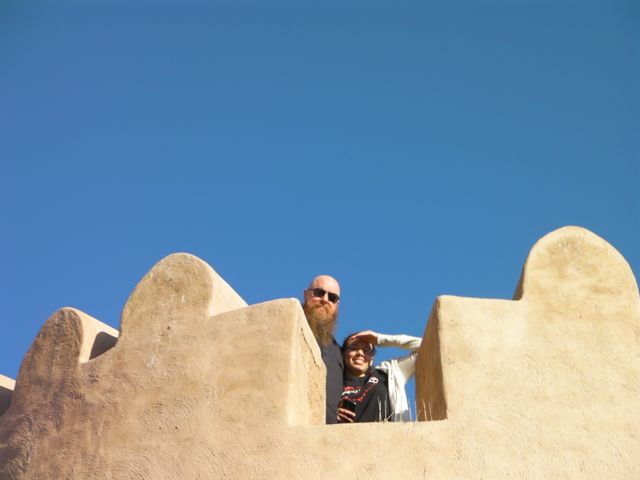
two people at the top of the fort tower seen between the crenallations

DaddyBird and BabyBird climbed the tower for a good view of the area.
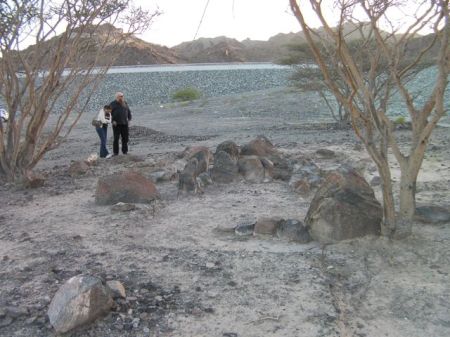
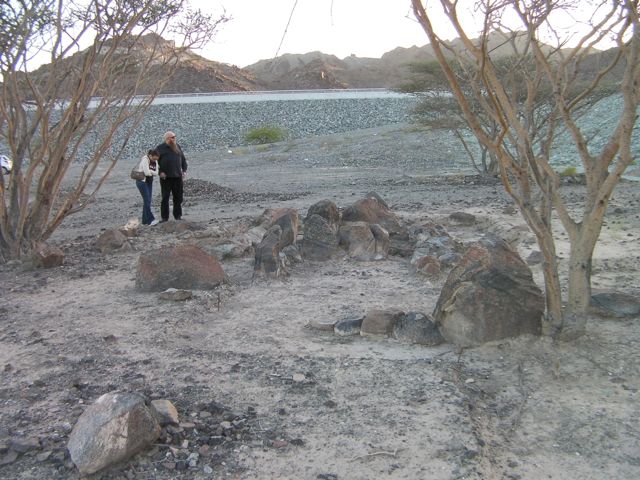
ruins of ancient copper smelting site

Then we drove up the Madhab wadi (valley) to see an ancient copper smelting archeological site.
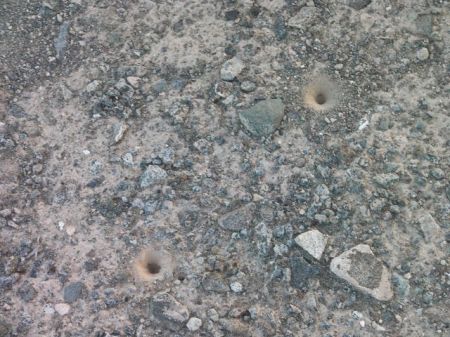
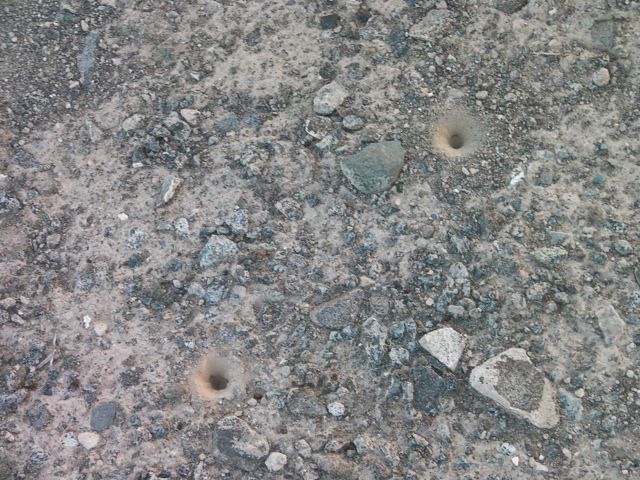
funnel holes in the dirt indicating the presence of ant lions

I also noticed the many funnel shaped holes which are most likely ant lion traps. (National Geographic video of ant lions)
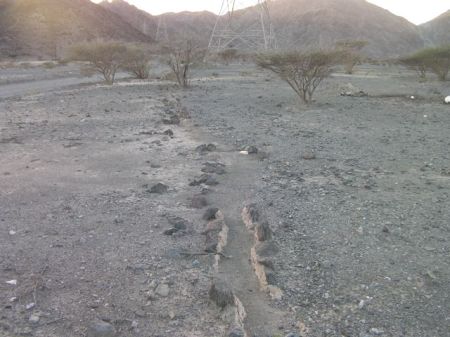
ancient water channel used for watering a date palm garden

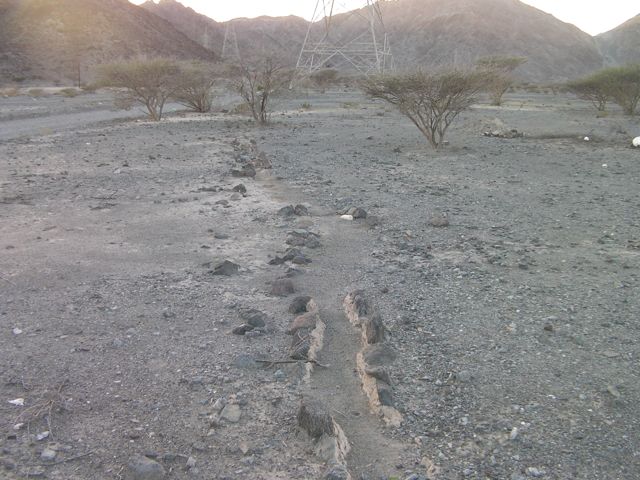
Not far away are the remains of an ancient falaj (water channel) which was used to bring water to a date palm garden. Unfortunately, a gravel road has cut through this channel.
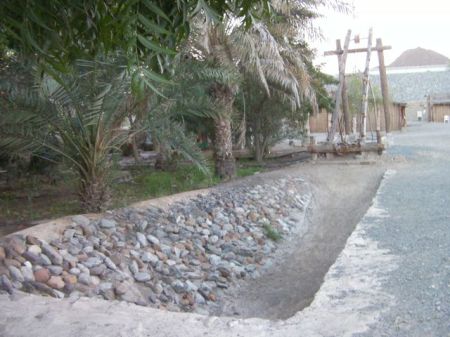
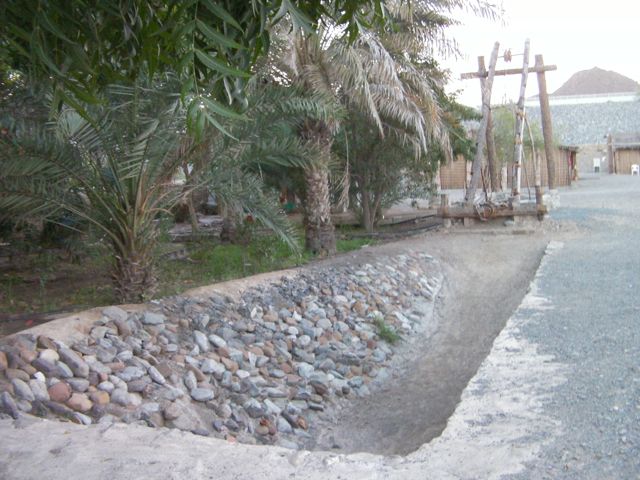
model of well and date palm watering system

Next, we stopped in at the Fujairah Heritage Village. The village includes models of several types of traditional houses and buildings. Above is a model of a typical well and watering system used in date palm gardens. A bull would walk down into this trough pulling the water “bucket” up out of the well. The water would then be poured into a channel (falaj) that conducts the water into the area around the trees.
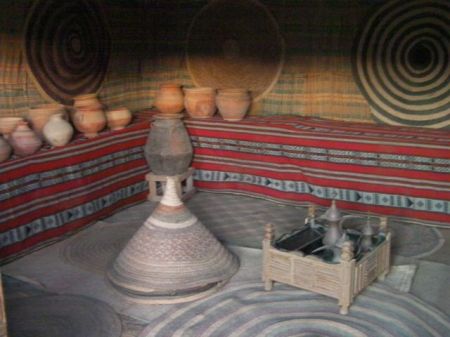
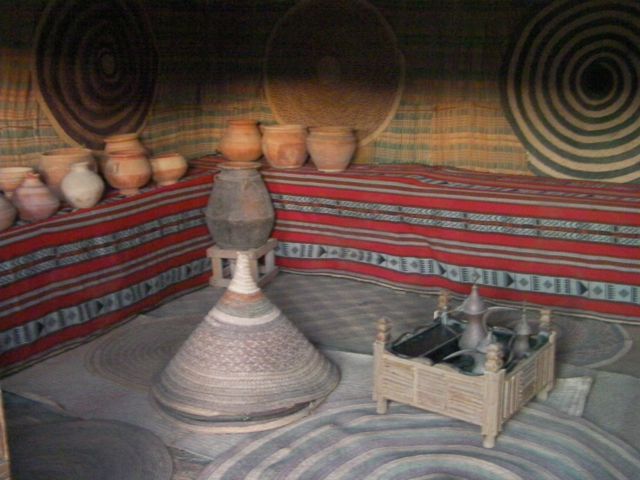
interior of house with coffee pot, clay pots, woven mats

This is an interior display showing mats woven from date palm branches, clay pots, and a coffee pot ensemble. The coffee pot is nestled in a square container that would have had hot coals in it to keep the pot hot.

There is very little written history about this region, even as little as 300 years ago, so the physical sites and artifacts are even more precious. Unfortunately, they are disappearing under new roads, dams, and buildings.

h1

Sharjah Archaeology Museum

April 3, 2012

Posted by Kanga.

Our local vacation included a visit to the Sharjah Archaeology Museum.

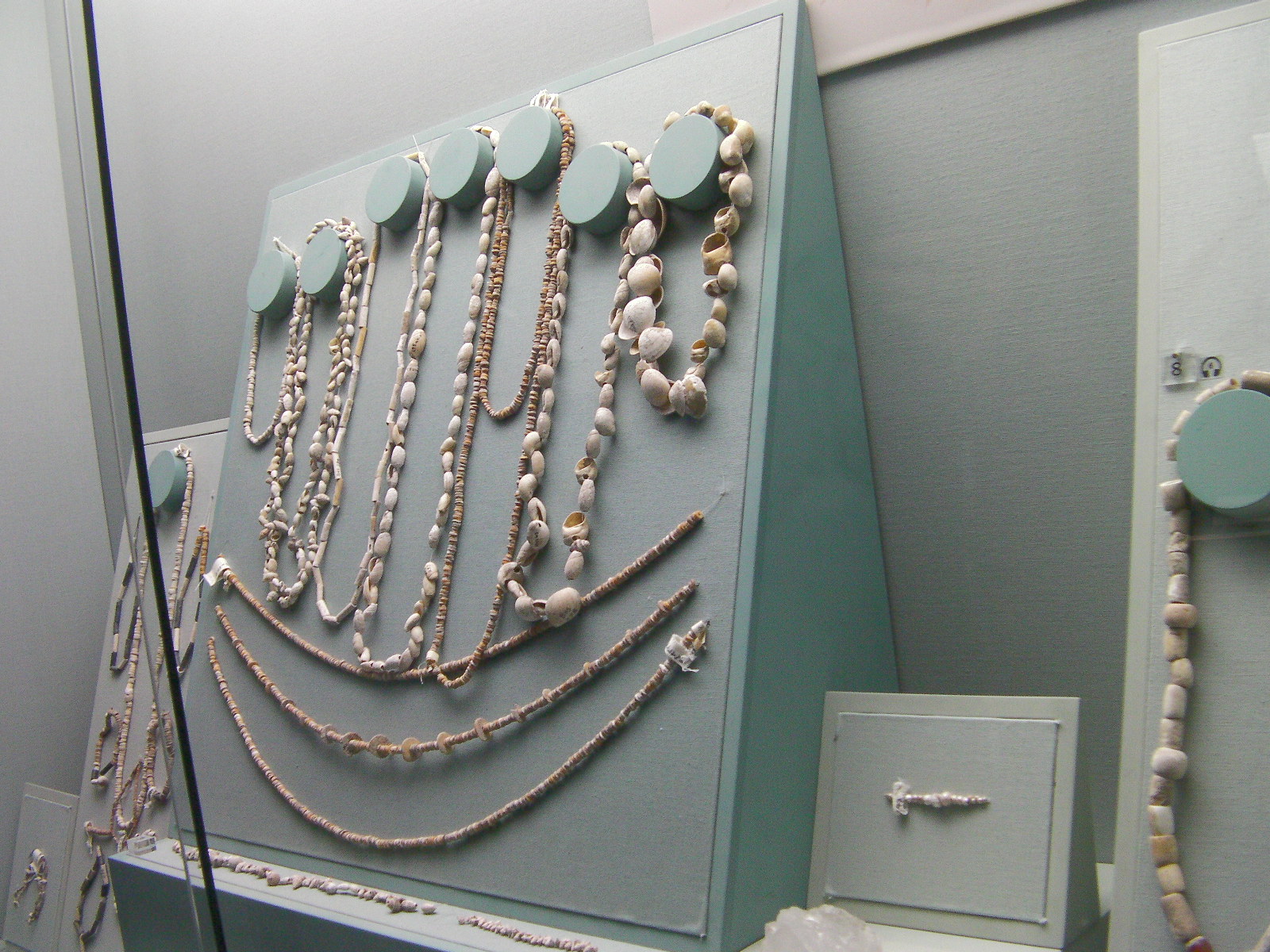
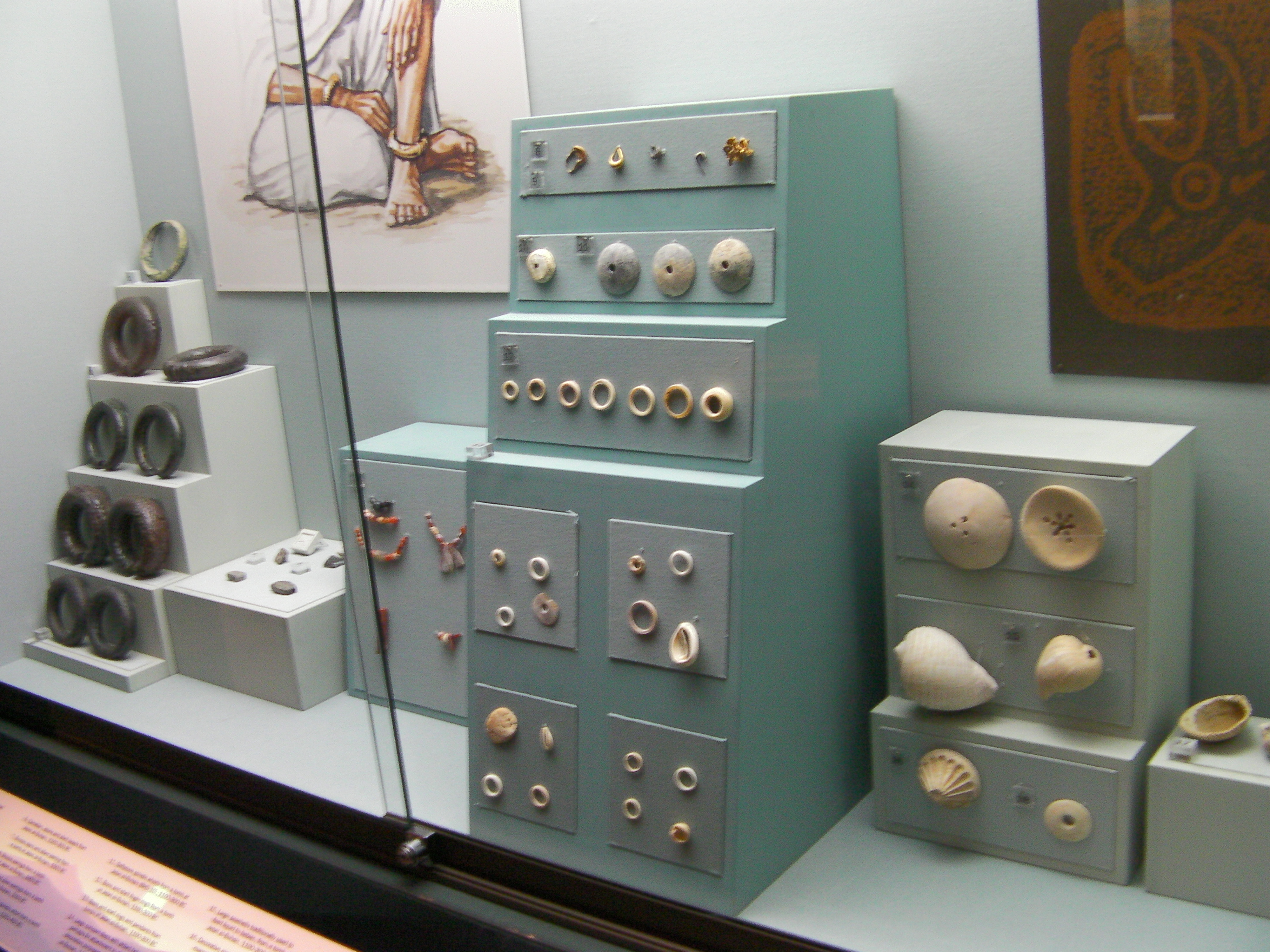
showcase displaying ancient shell jewellery

The museum presents the history of Sharjah from the stone age up to 611 A.D. The museum is nicely arranged, fully bilingual, and multi-media. An audio tour is available and worthwhile.

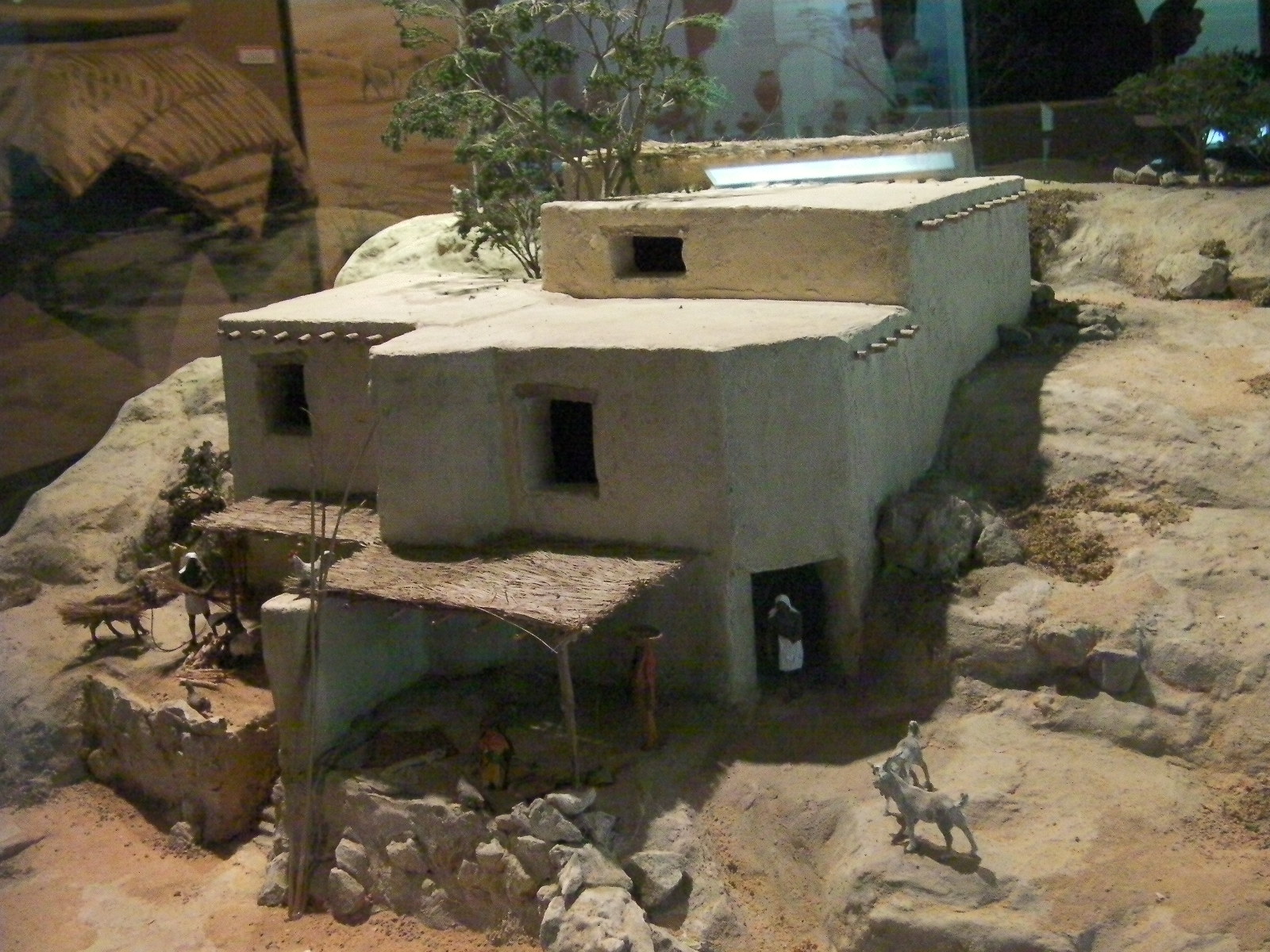
diorama of an ancient house

Each time period includes a diorama showing a typical abode.

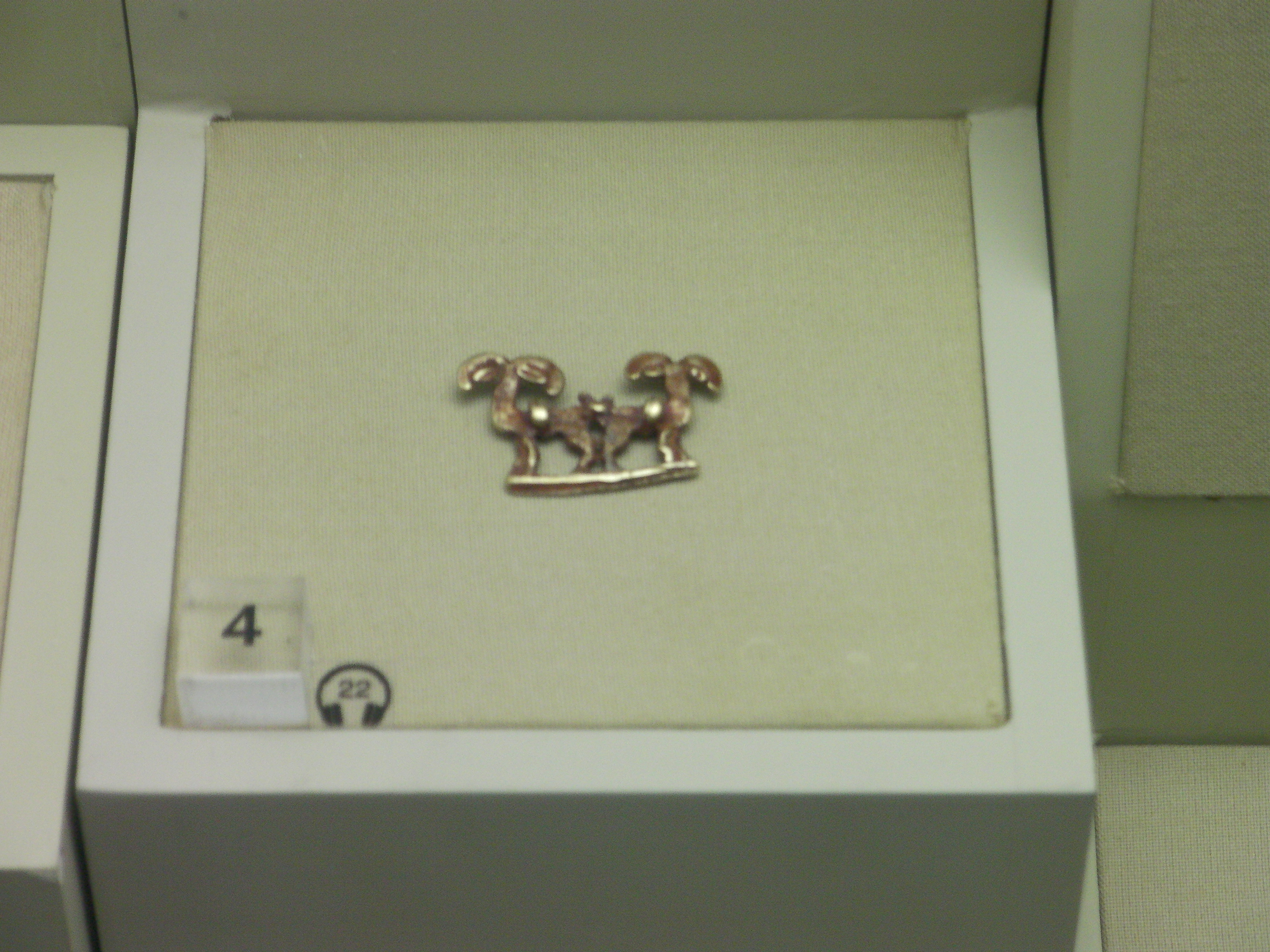
small golden figure

It is always amazing to see how delicate the gold work was in early times.

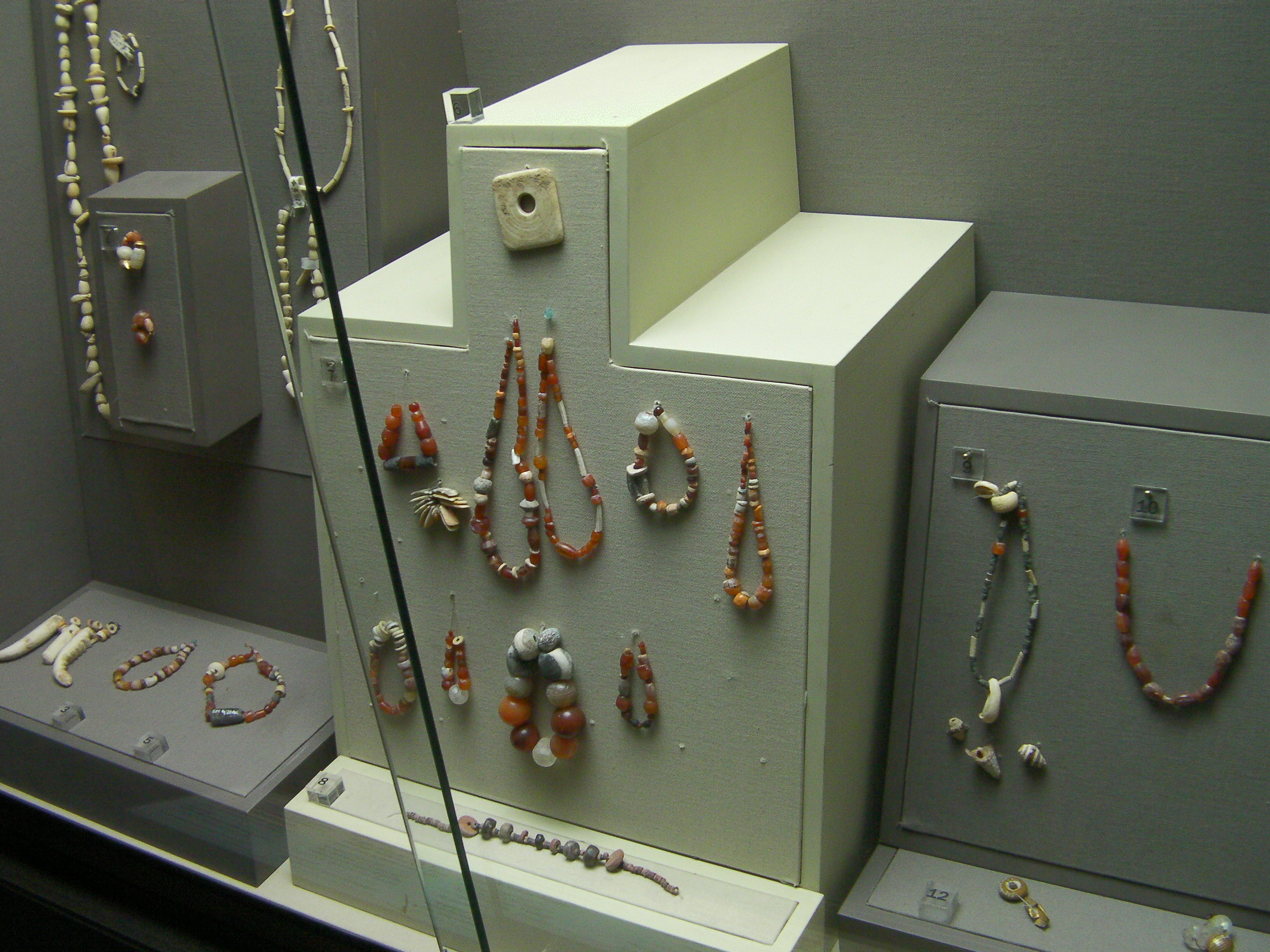
showcase displaying carnelian jewellery

In addition to shells and pearls, carnelian was a common component of jewelry.
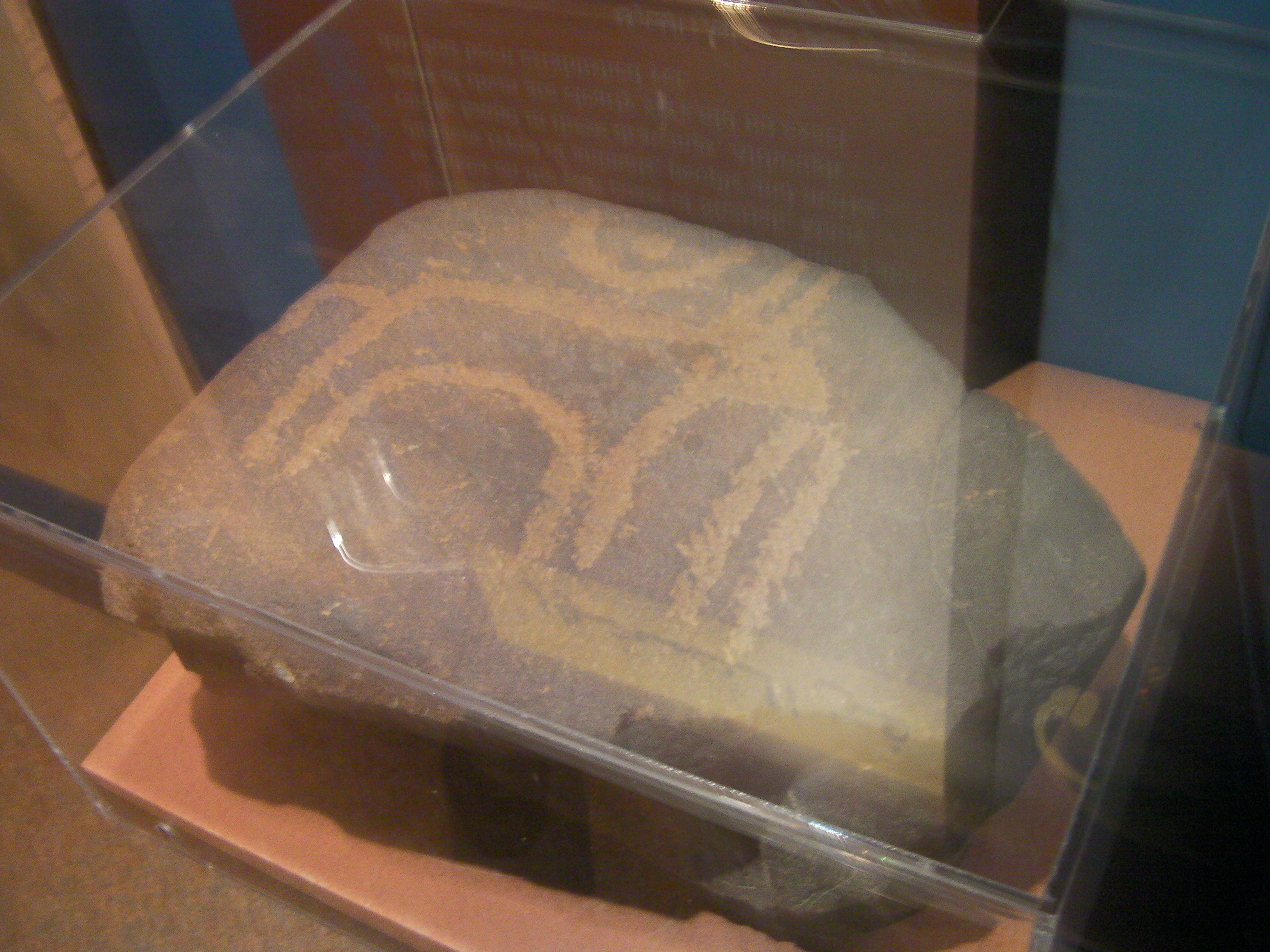
petroglyph of a bull under a crescent moon

There are many petroglyphs in the Hajar Mountains. The stones develop a red pateena. Chipping this red layer off is a fairly easy way to leave behind art. The above image is a bull tied to a post under a crescent moon. The crescent moon is a common image in area petroglyphs.

bronze bracelets and shell beads and rings

These ancient metal bracelets are very similar to those used not too long ago.

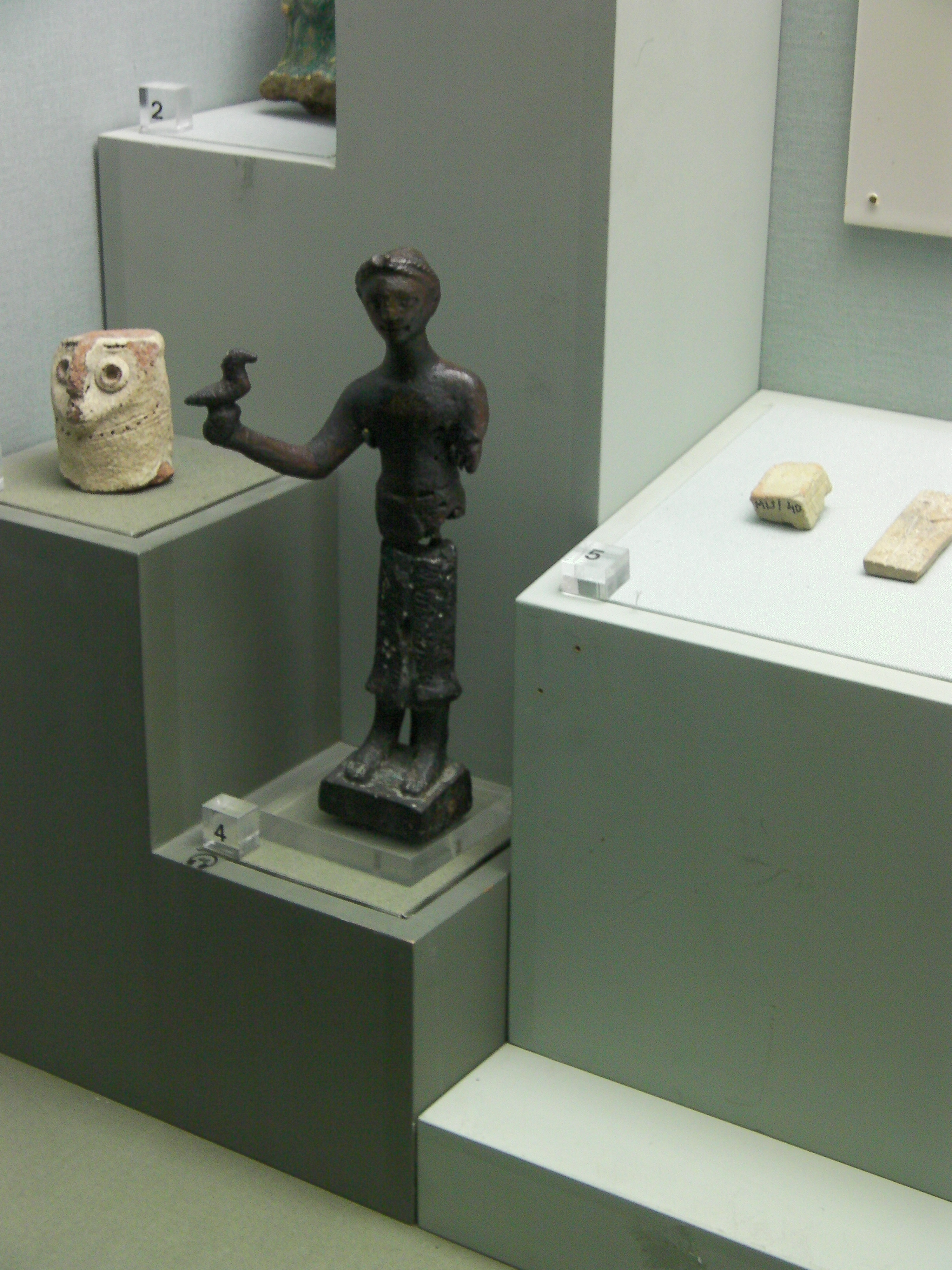
metal sculpture of a man holding a bird

The two parts of this sculpture of a man holding a bird were found on two separate occasions and reunited here.

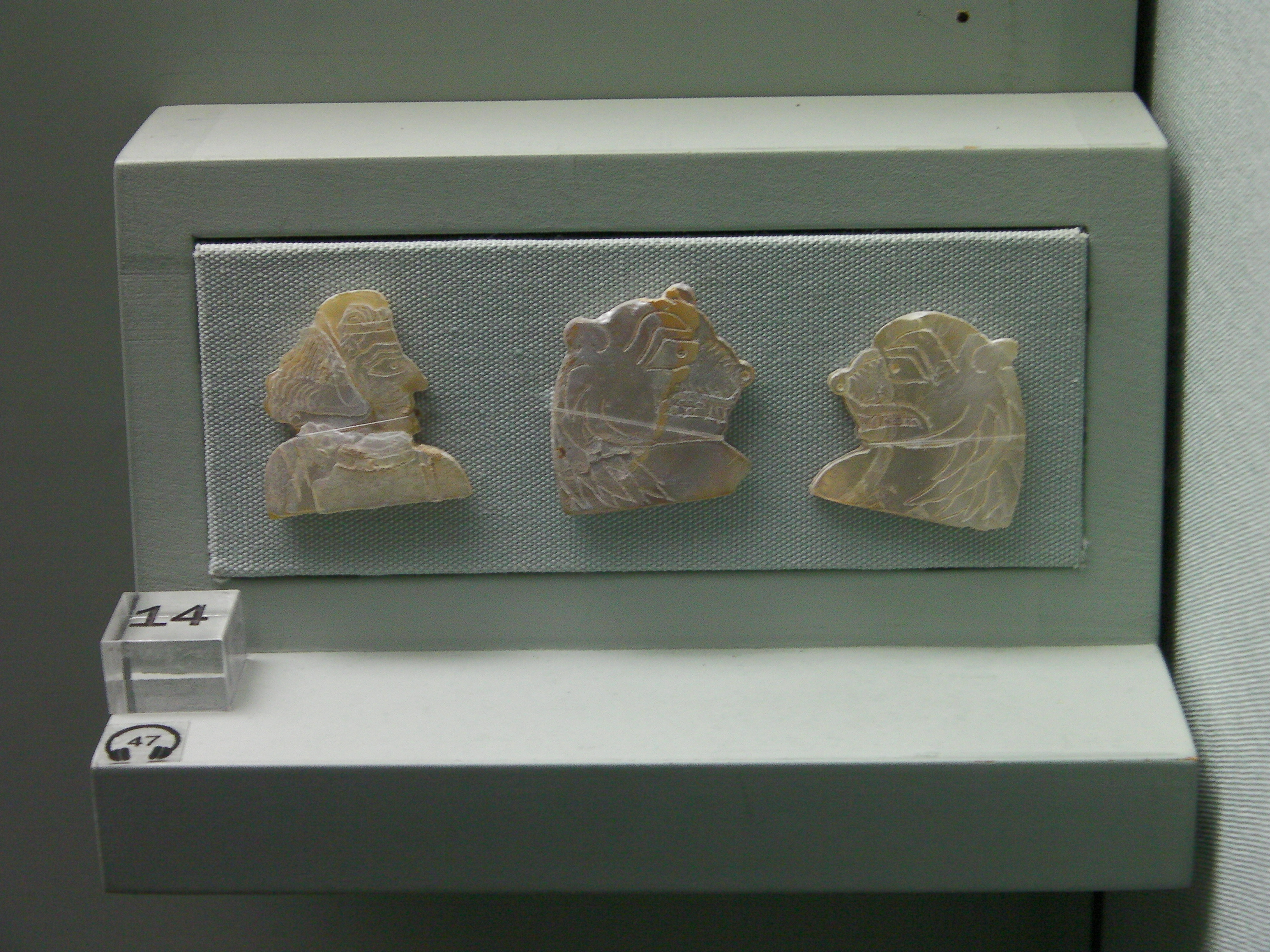
small mother of pearl carvings

Mother of Pearl gathered along with pearls was used in these carvings.
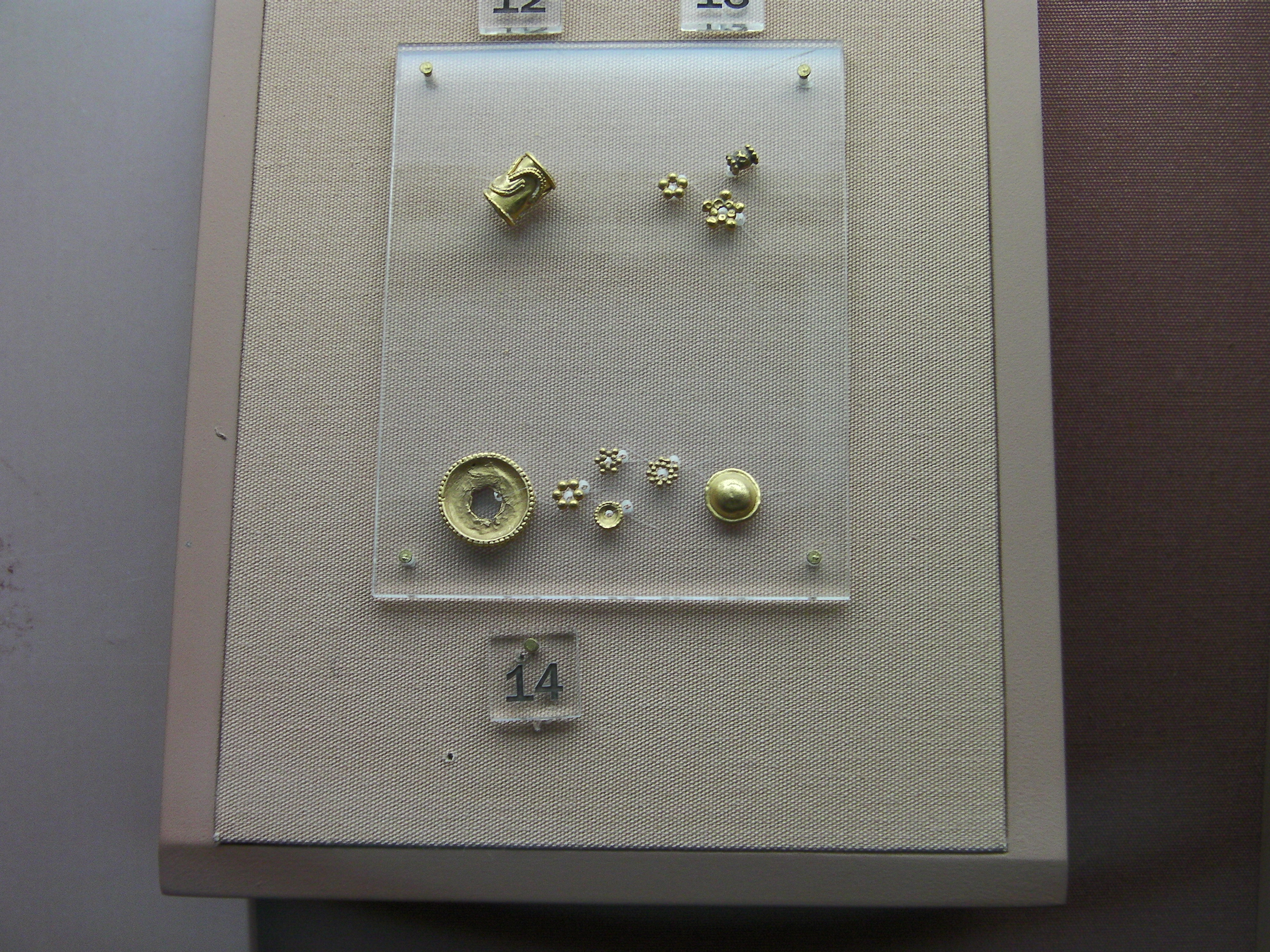
tiny gold buttons and beads

These gold decorations were amazingly small.

We recommend the museum. It is very well done, very educational, and well worth your time.

h1

Exploring Fujairah: Part 3

September 2, 2011

Posted by Kanga.

This episode is about Wadi Al Helo, which is actually part of the Sharjah emirate, not Fujairah, but was part of our road trip. (Alternate spellings include Hilo, Helou, Halou)

We’ve driven through Wadi Al Helo several times, because it is on the Sharjah-Kalba road, but this time we actually got off the road to take a closer look.

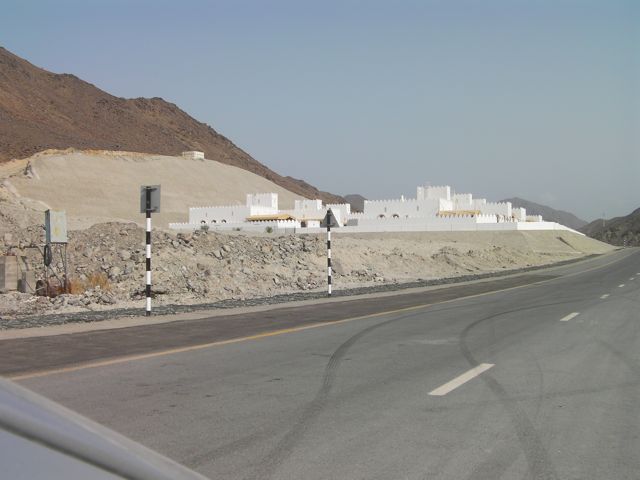
distant view of an artificial plateau topped with white houses

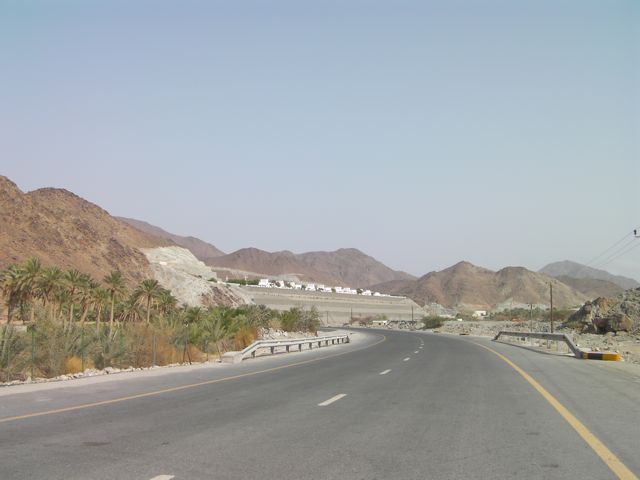
Wadi Al Helo has a long history of habitation back to the early bronze age and is an archaeological site. In recent years, there has been some major work done as evidenced by at least three hillsides that have been carved out to form terraces where modern houses have been built.

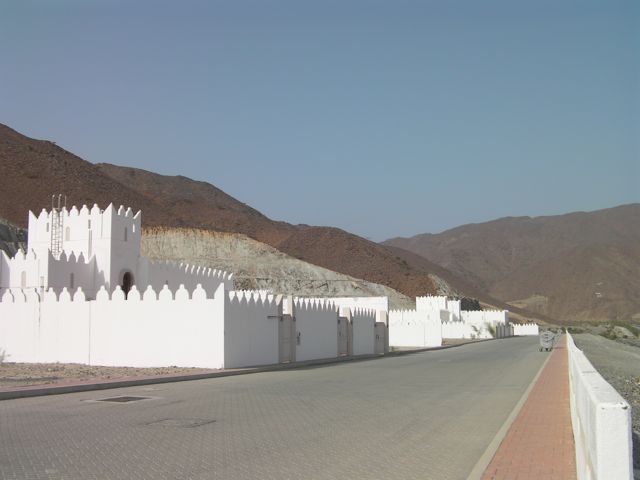
white houses on a plateau

We drove up onto one of these terraces and found exactly what we expected, a pleasant neighborhood with a mosque.

white houses up close

There are several government buildings in Wadi Al Helo, but we did not see any retail businesses. There must be at least one grocery, but we did not come across it.
valley containing date palm trees

Below the terraces, in the valley, are farms and palm groves.

valley containing animal pens