Posts Tagged ‘historical site’

h1

In Search of Petroglyphs

February 8, 2014

Posted by Kanga

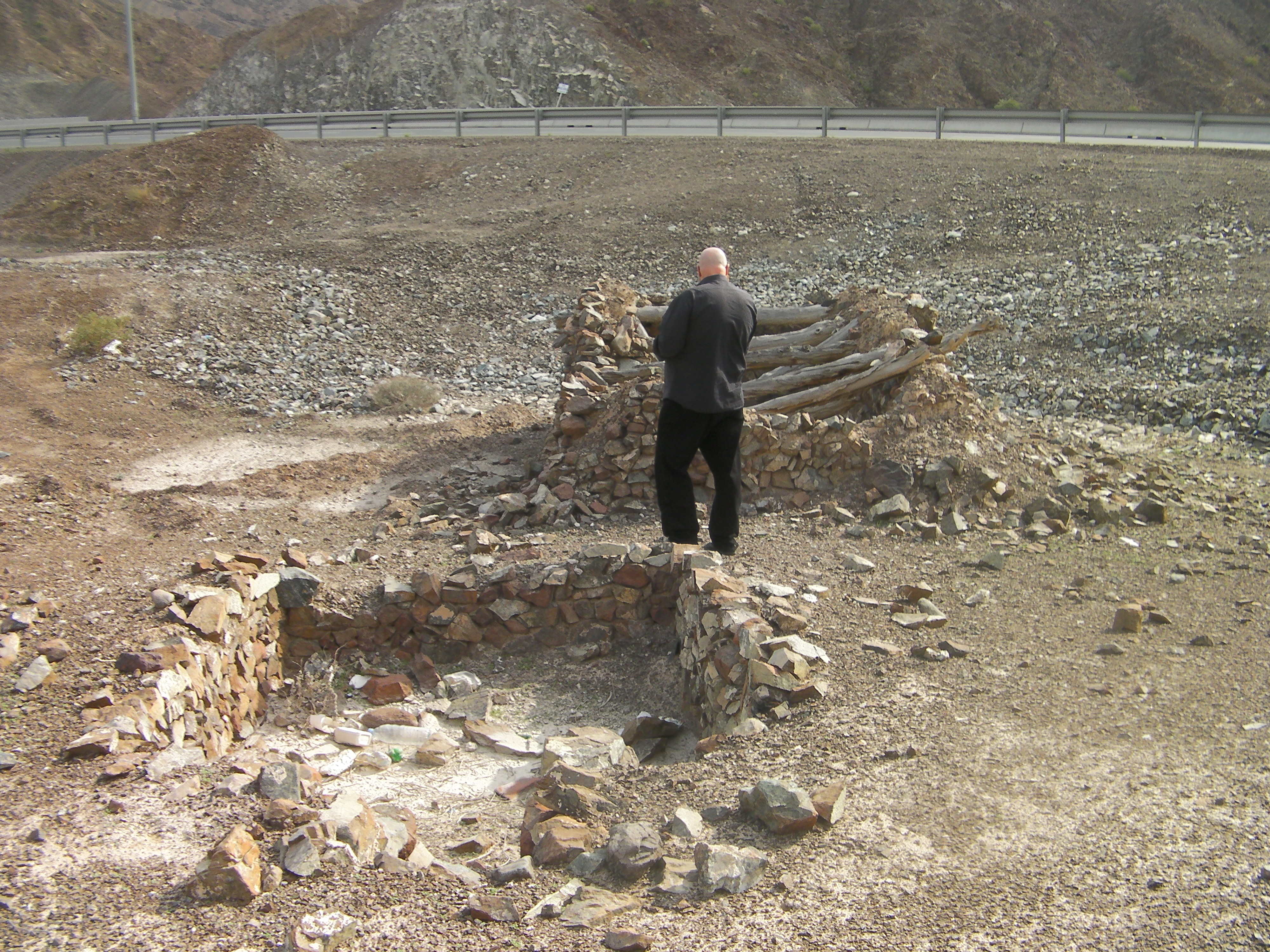
old stone structures

In case you hadn’t noticed from previous posts, DaddyBird’s new hobby is researching and finding archeological sites in Fujairah. He noticed this one right along side the new Sheikh Khalifa bin Zayed Road which we drive every time we go to Dubai. Why it took us so long to notice it is a mystery.
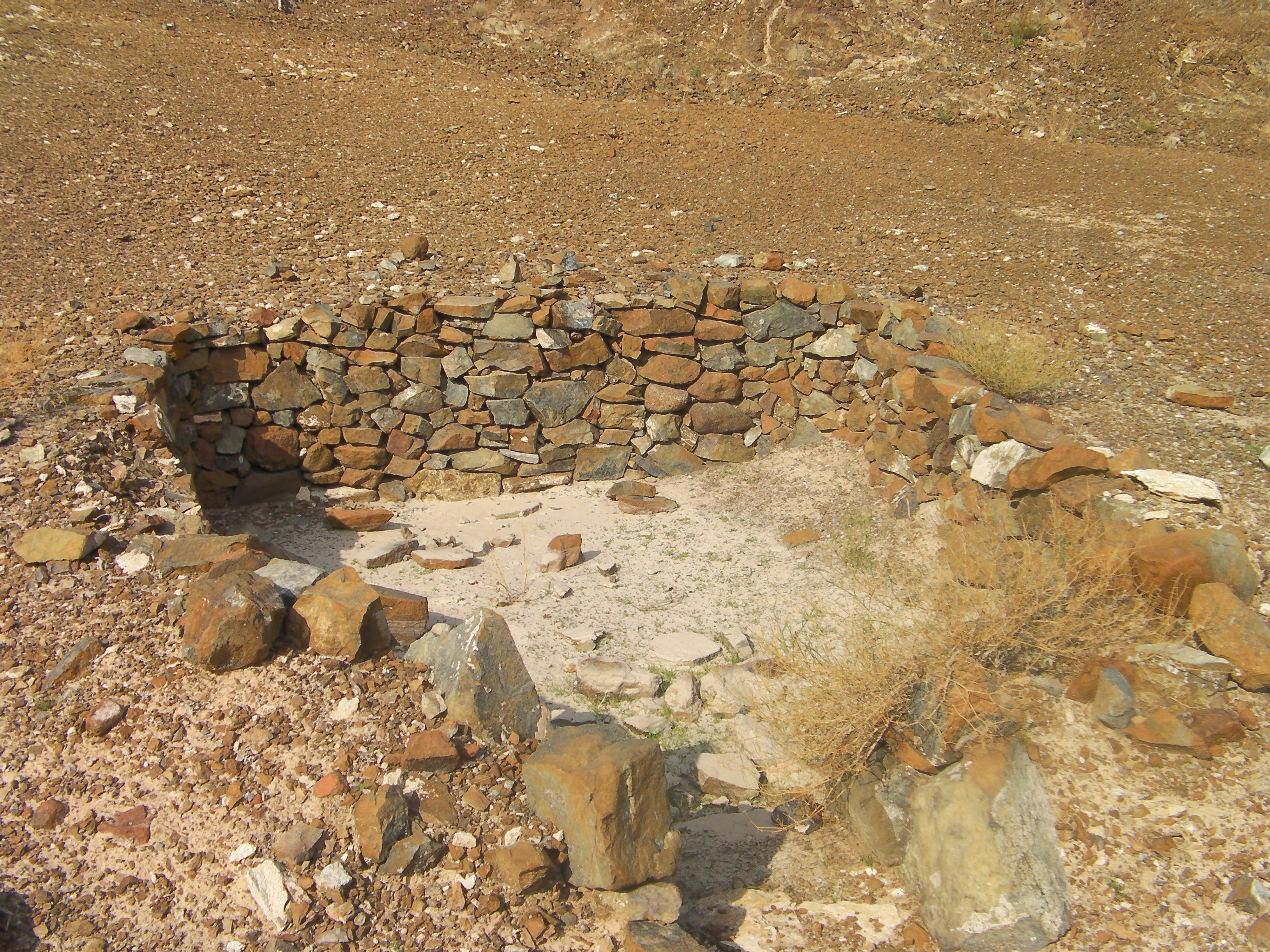
stone foundation of a khaimah house

There are three surviving structures. Two khaimah houses – low stone foundation which would have been topped with a palm branch tent – and one rectangular stone house with wooden beams supporting the roof. The fact that the wood beams are still part of the structure means that it is probably a fairly recent structure, abandoned only a few generations ago.
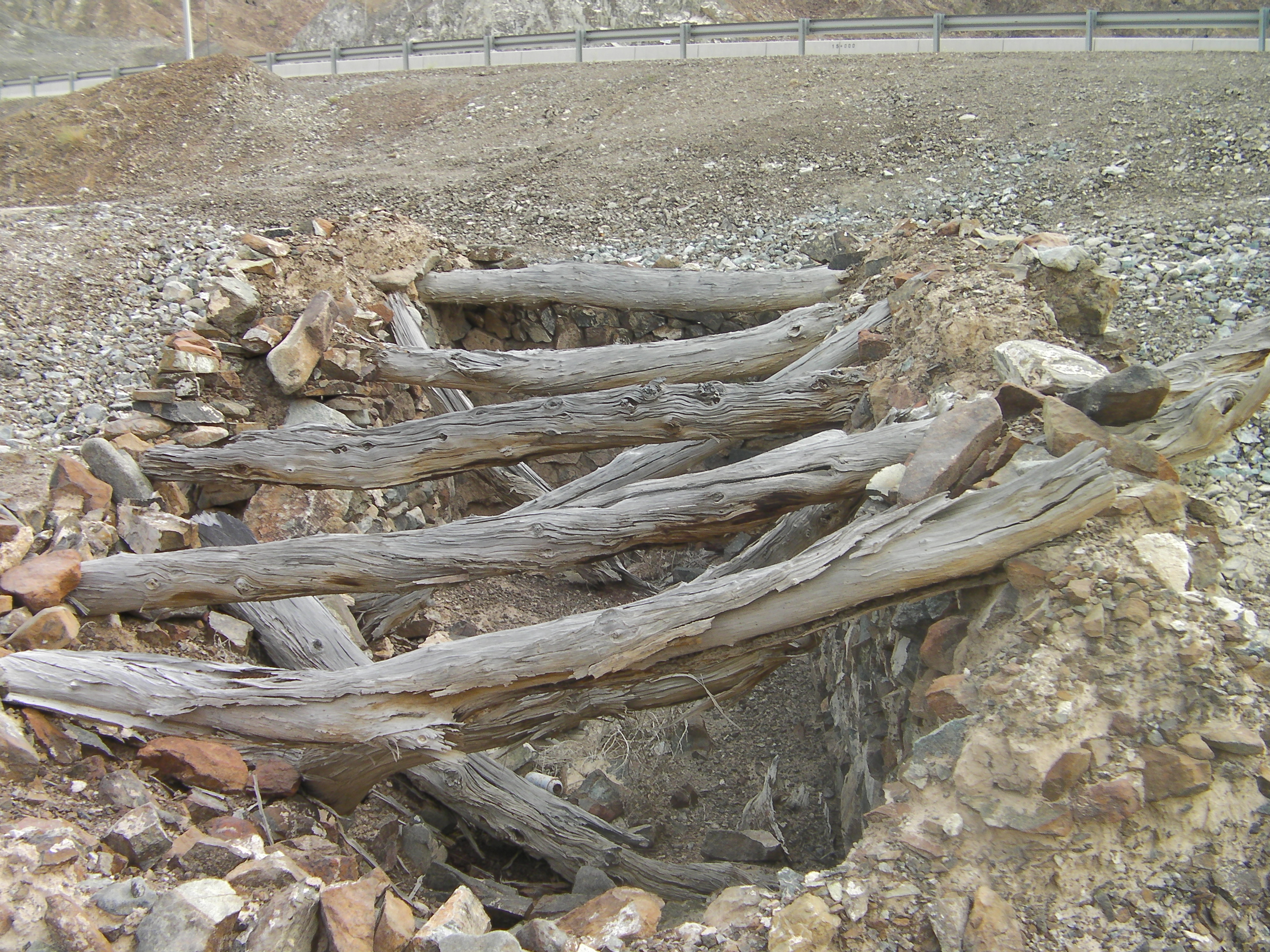
rectangular stone house with wooden beams across the top

We continued our exploration by driving up Wadi Sahm which was just recently paved. We stopped here.
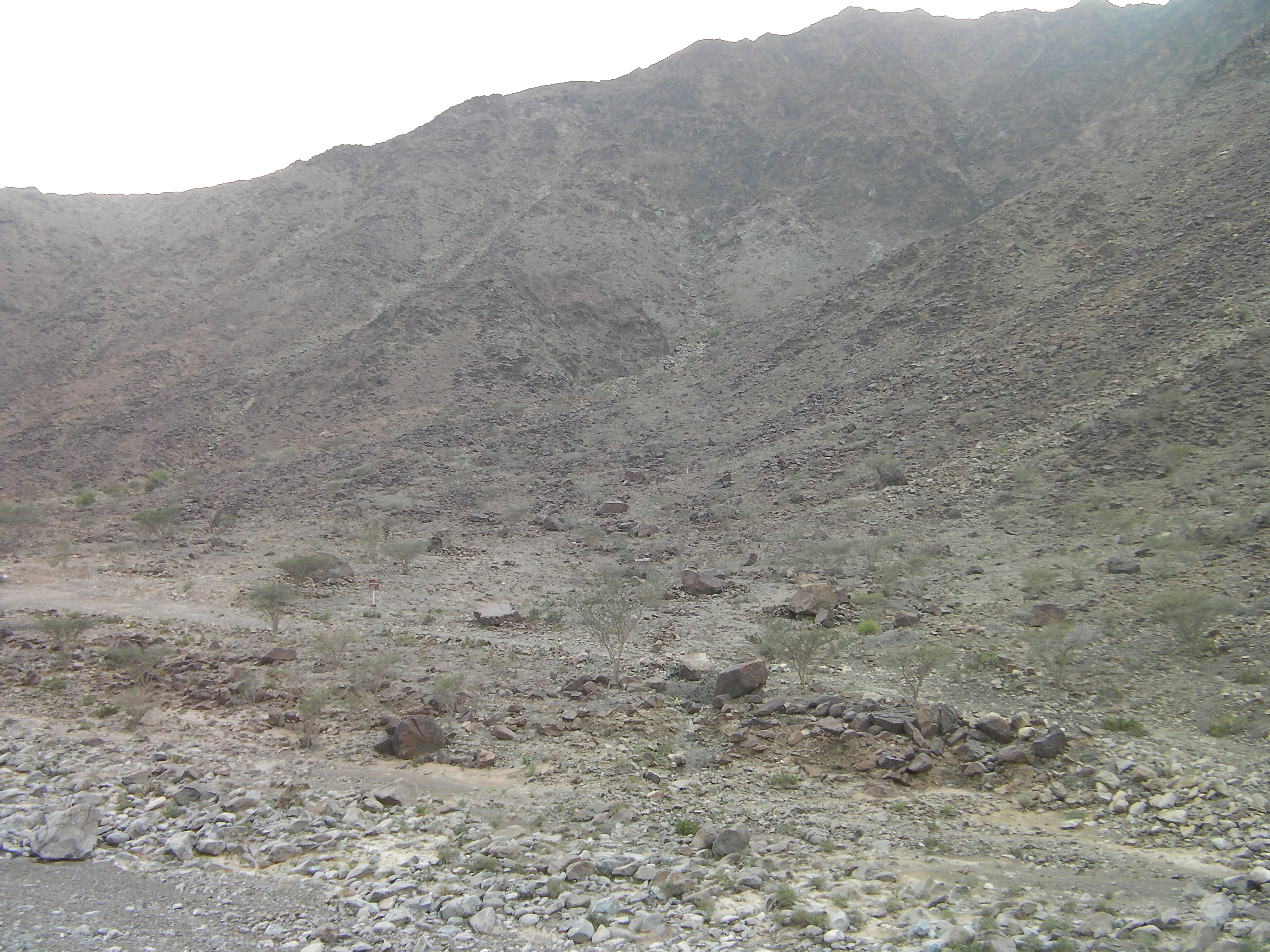
dry valley and hillside

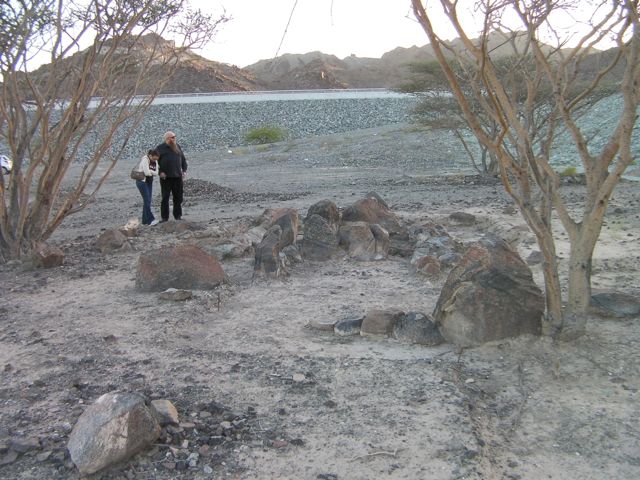
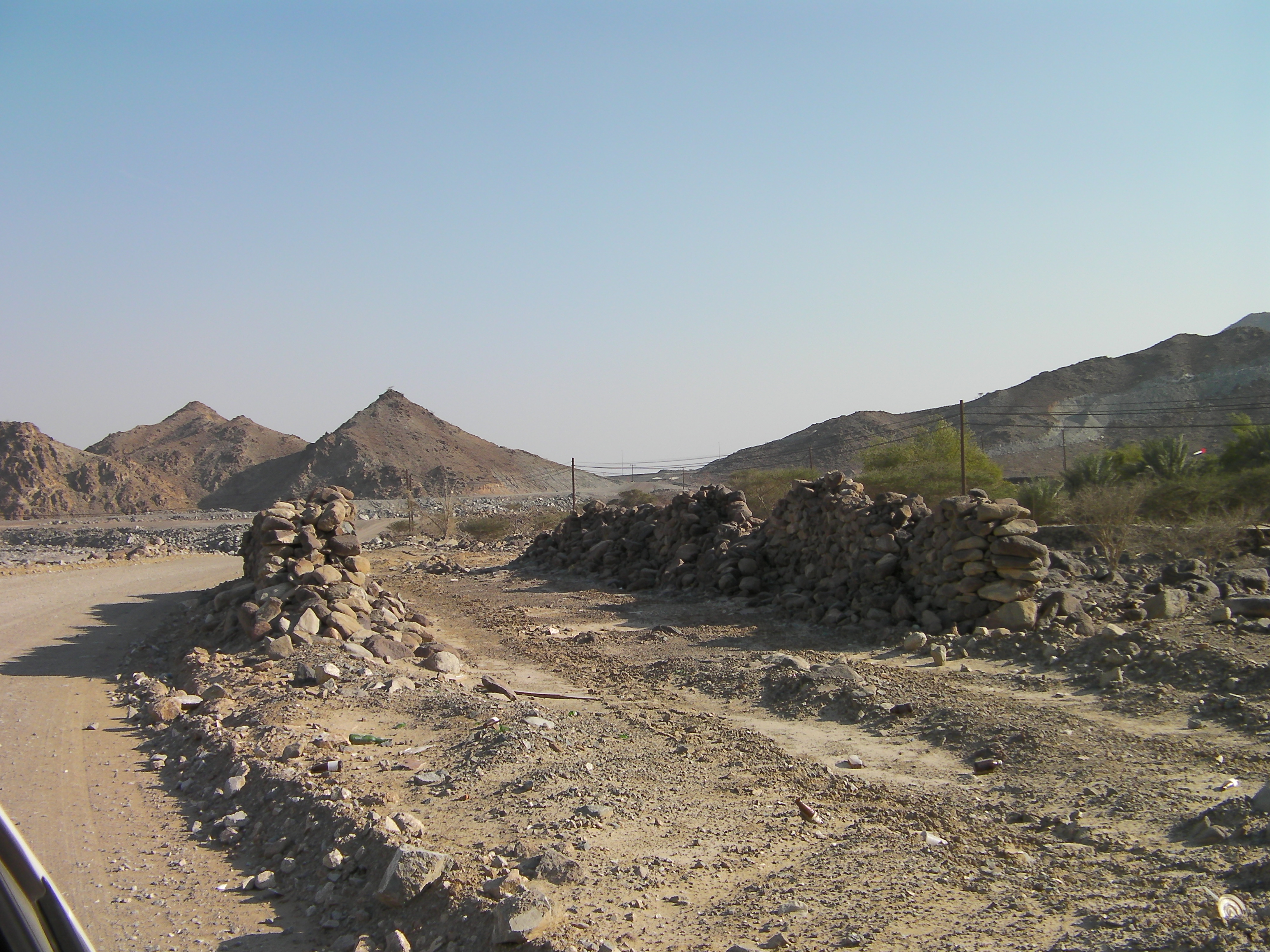
Which might not look like much, until you get close enough to see that there are several large boulders around which stone shelters were built long ago.
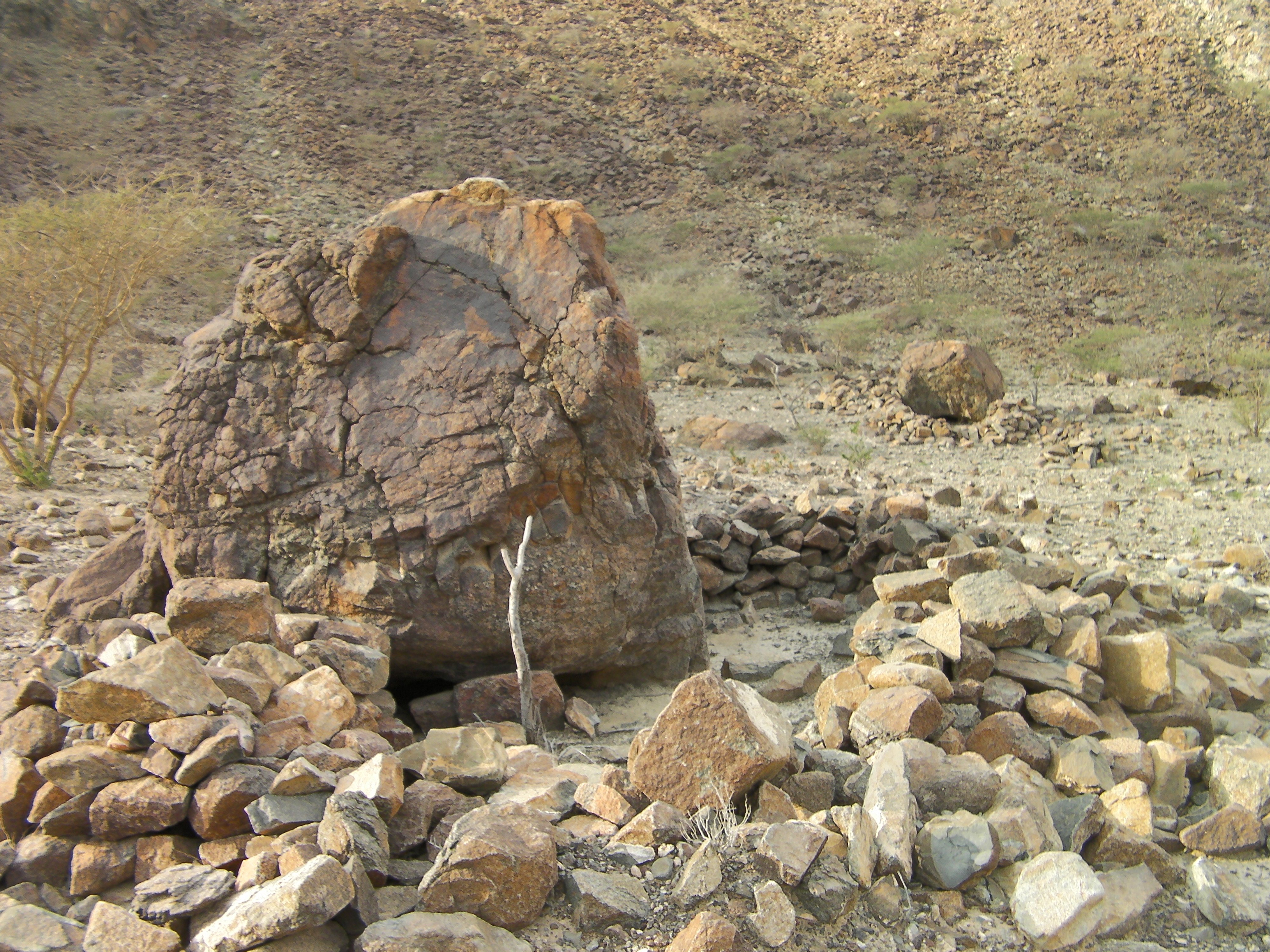
large boulder with a low rock wall built around it

We didn’t do an official count, but would estimate that there was a sizable settlement here of 15-20 structures. They took advantage of the large boulders to form at least one wall of their shelters and provide support. It is likely that these were low rock walls topped with thatch roofs made of bushes.
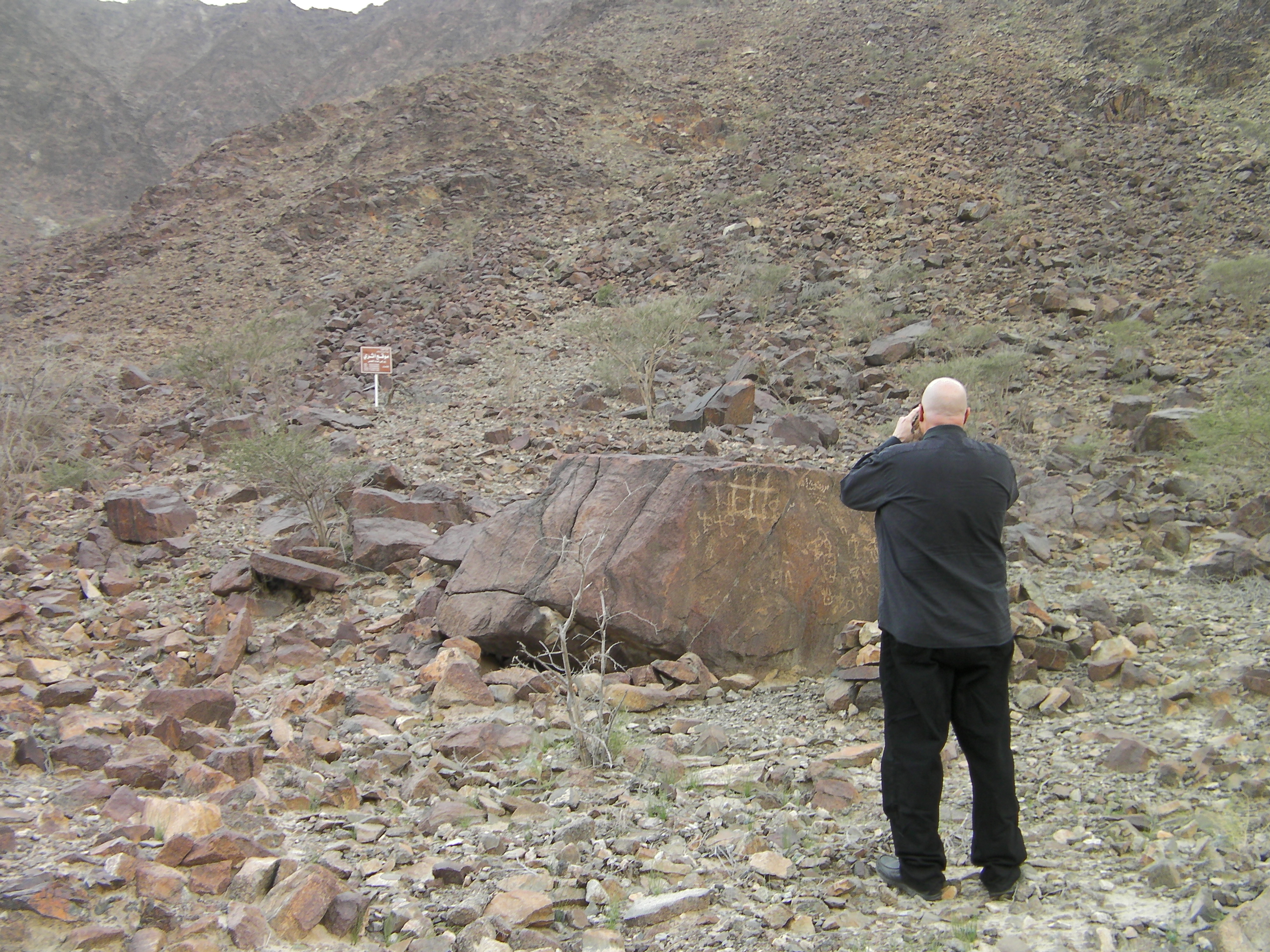
large boulder with petroglyphs

There were a few petroglyphs at this site. This boulder has both old designs and more modern markings, including Arabic script.
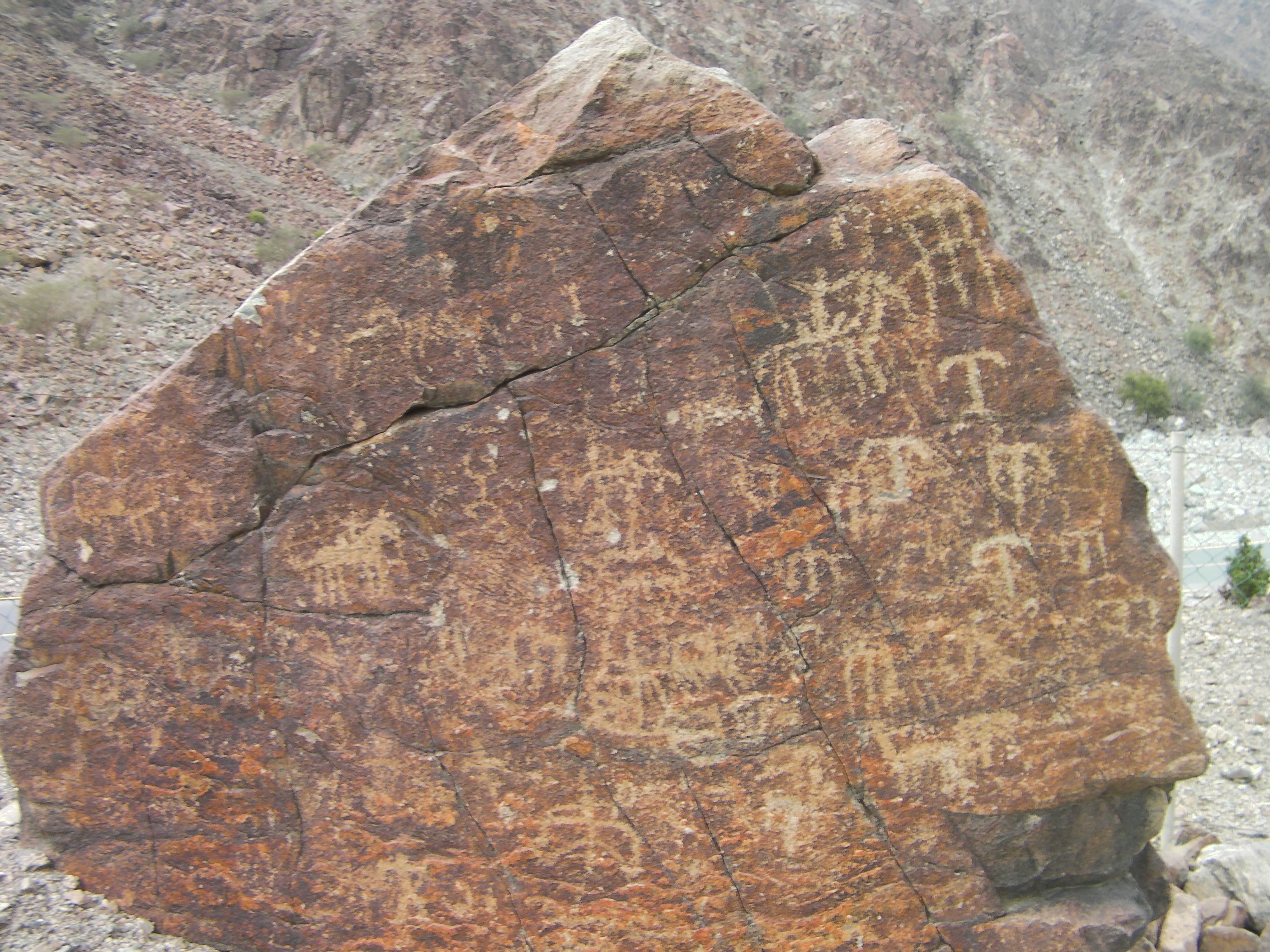
large boulder covered with petroglyphs

Further up the valley is a large boulder right on the side of the road covered on all sides with petroglyphs. A short distance from this is a small plateau with a few piles of stones and quite a few petroglyphs.
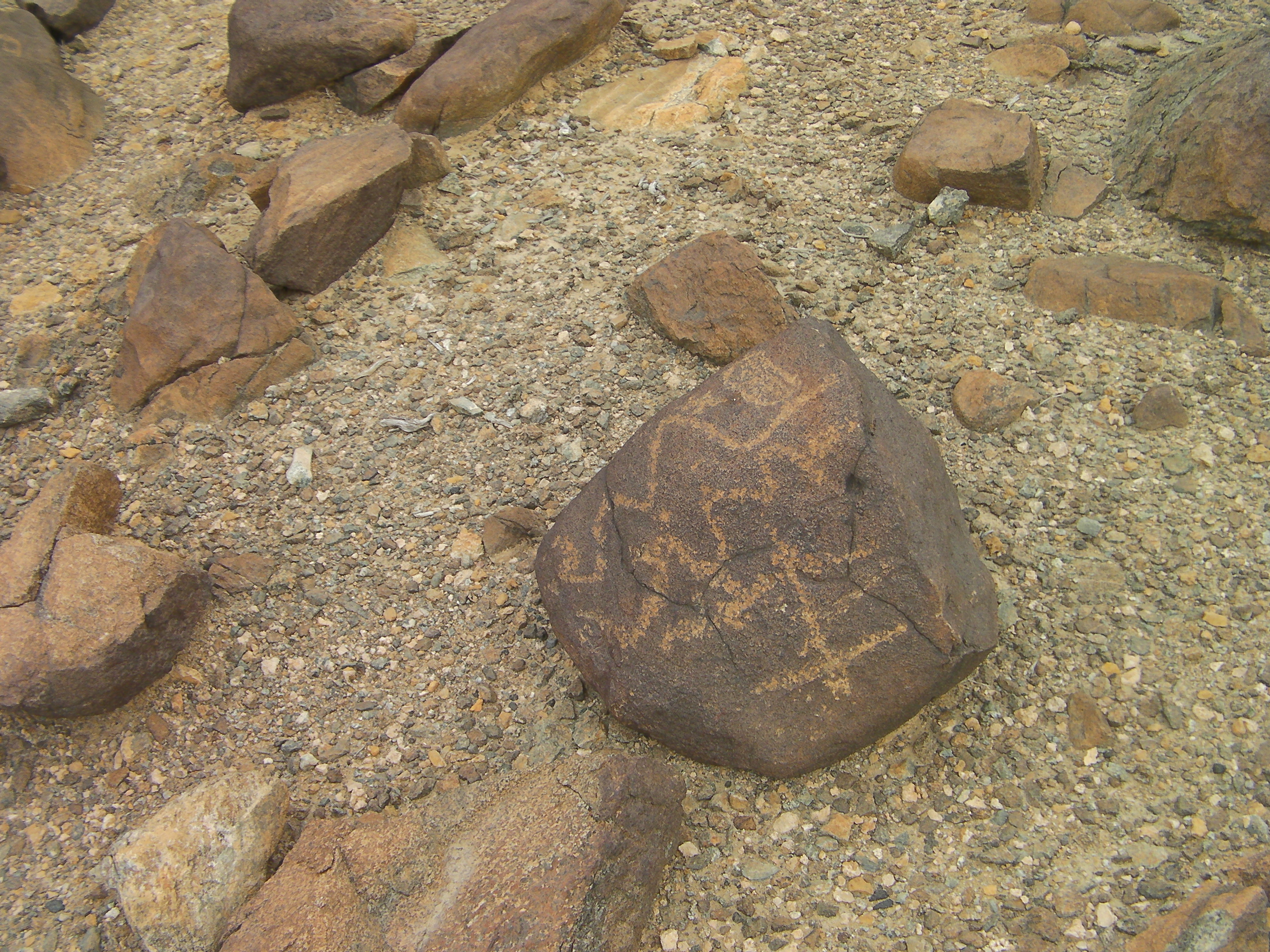
two snake markings on a soccer ball sized rock

Snakes

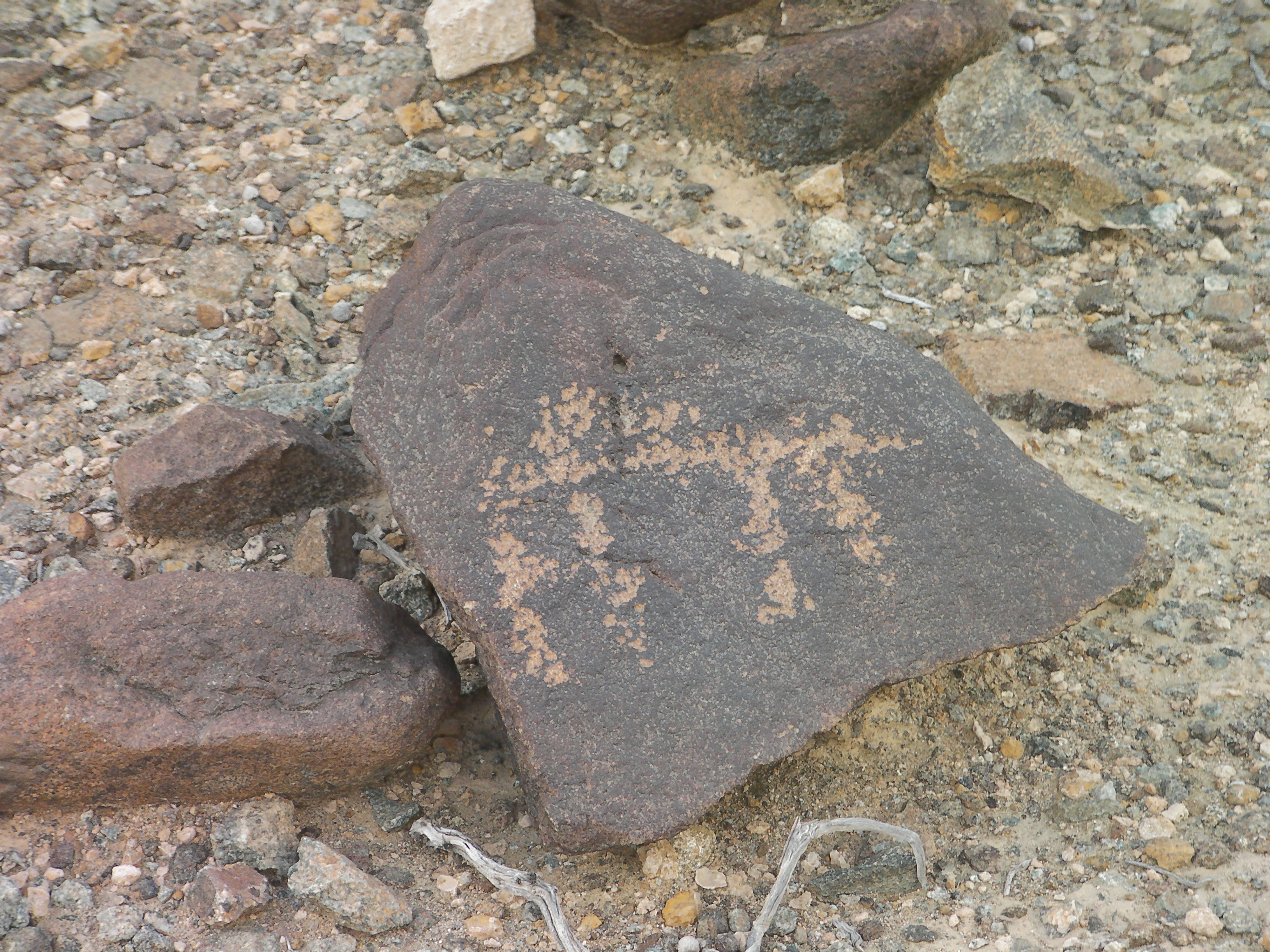
camel petroglyph

Camel

It’s too bad we don’t have time travel technology. I’d love to take a little peak back in time to see how these people lived. What they valued. What made them laugh.
h1

Fujairah Historical Sites

January 4, 2014

Posted by Kanga. Please do not reblog.

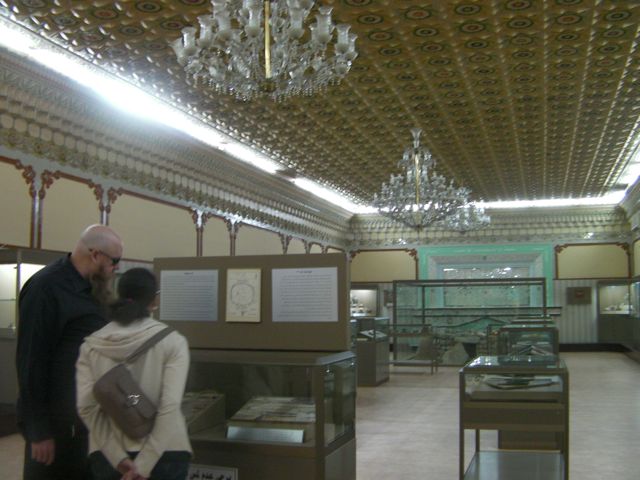
museum display case room

We took BabyBird on a mini Fujairah history tour beginning with the Fujairah Museum.

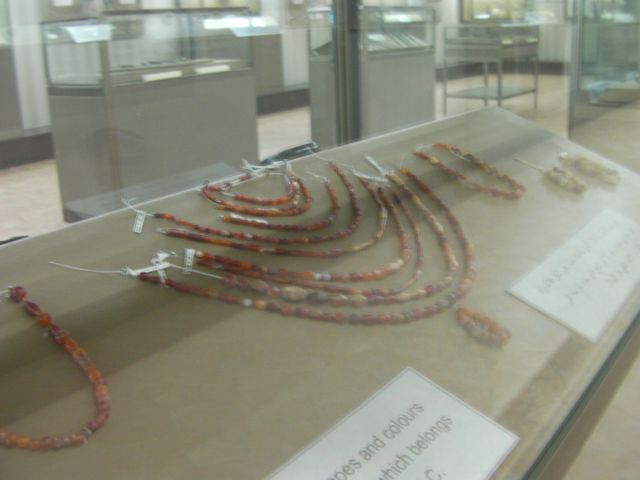
ancient jewelry made of carnelian (red) stone

The museum has displays of artifacts from ancient sites – forts, burials, etc. – that have been excavated. Carnelian and sea shell jewelry were prominent in the days before pearling.

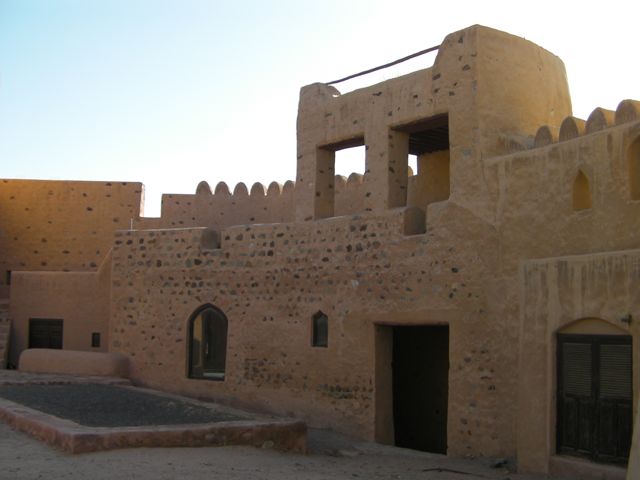
inside of a restored 300 year old fort

The Fujairah Fort was open (which has been rare in the past) so we took the opportunity to go inside. The fort is approximately 300 years old and has been recently restored.

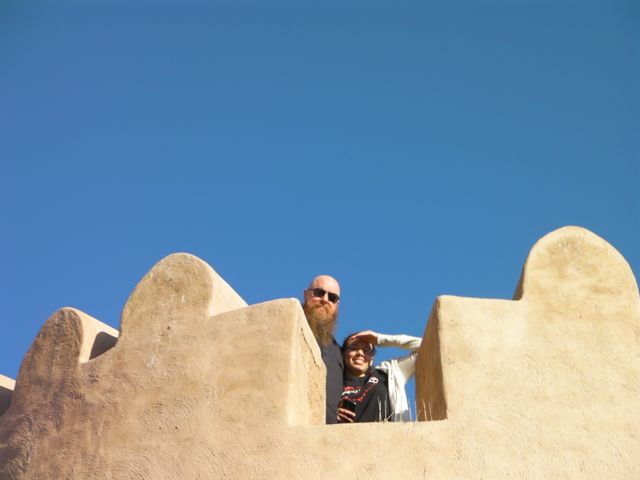
two people at the top of the fort tower seen between the crenallations

DaddyBird and BabyBird climbed the tower for a good view of the area.

ruins of ancient copper smelting site

Then we drove up the Madhab wadi (valley) to see an ancient copper smelting archeological site.

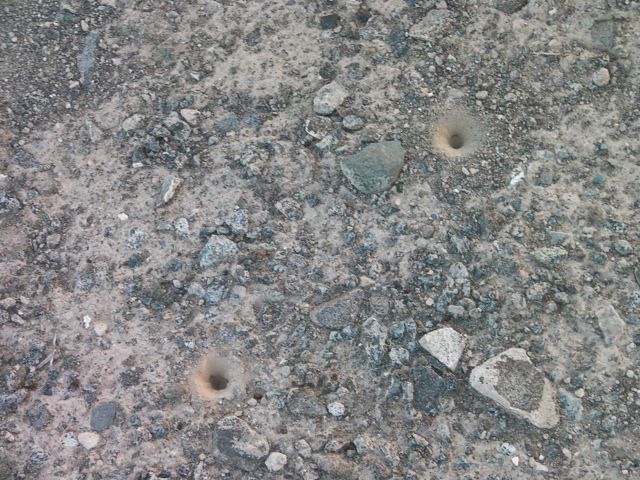
funnel holes in the dirt indicating the presence of ant lions

I also noticed the many funnel shaped holes which are most likely ant lion traps. (National Geographic video of ant lions)

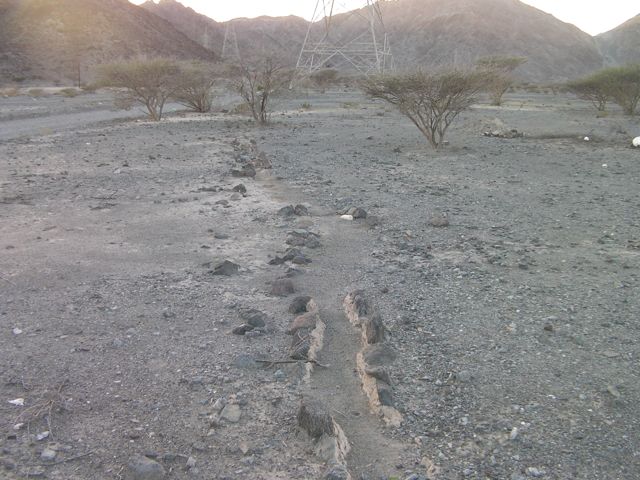
ancient water channel used for watering a date palm garden

Not far away are the remains of an ancient falaj (water channel) which was used to bring water to a date palm garden. Unfortunately, a gravel road has cut through this channel.

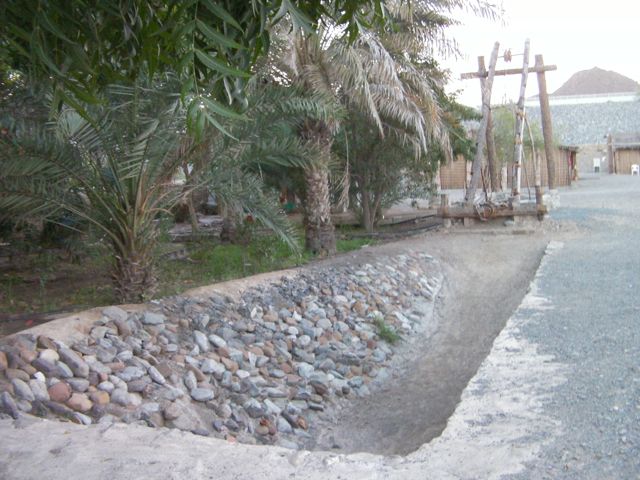
model of well and date palm watering system

Next, we stopped in at the Fujairah Heritage Village. The village includes models of several types of traditional houses and buildings. Above is a model of a typical well and watering system used in date palm gardens. A bull would walk down into this trough pulling the water “bucket” up out of the well. The water would then be poured into a channel (falaj) that conducts the water into the area around the trees.

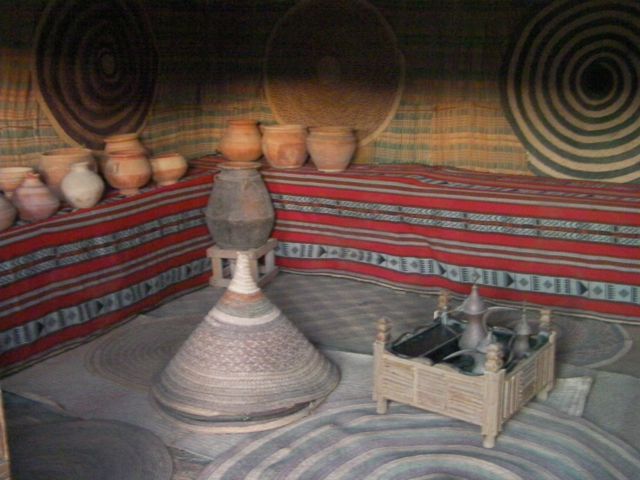
interior of house with coffee pot, clay pots, woven mats

This is an interior display showing mats woven from date palm branches, clay pots, and a coffee pot ensemble. The coffee pot is nestled in a square container that would have had hot coals in it to keep the pot hot.

There is very little written history about this region, even as little as 300 years ago, so the physical sites and artifacts are even more precious. Unfortunately, they are disappearing under new roads, dams, and buildings.

h1

Meandering through UAE Archaeology

December 8, 2013

Posted by Kanga. Please do not reblog.

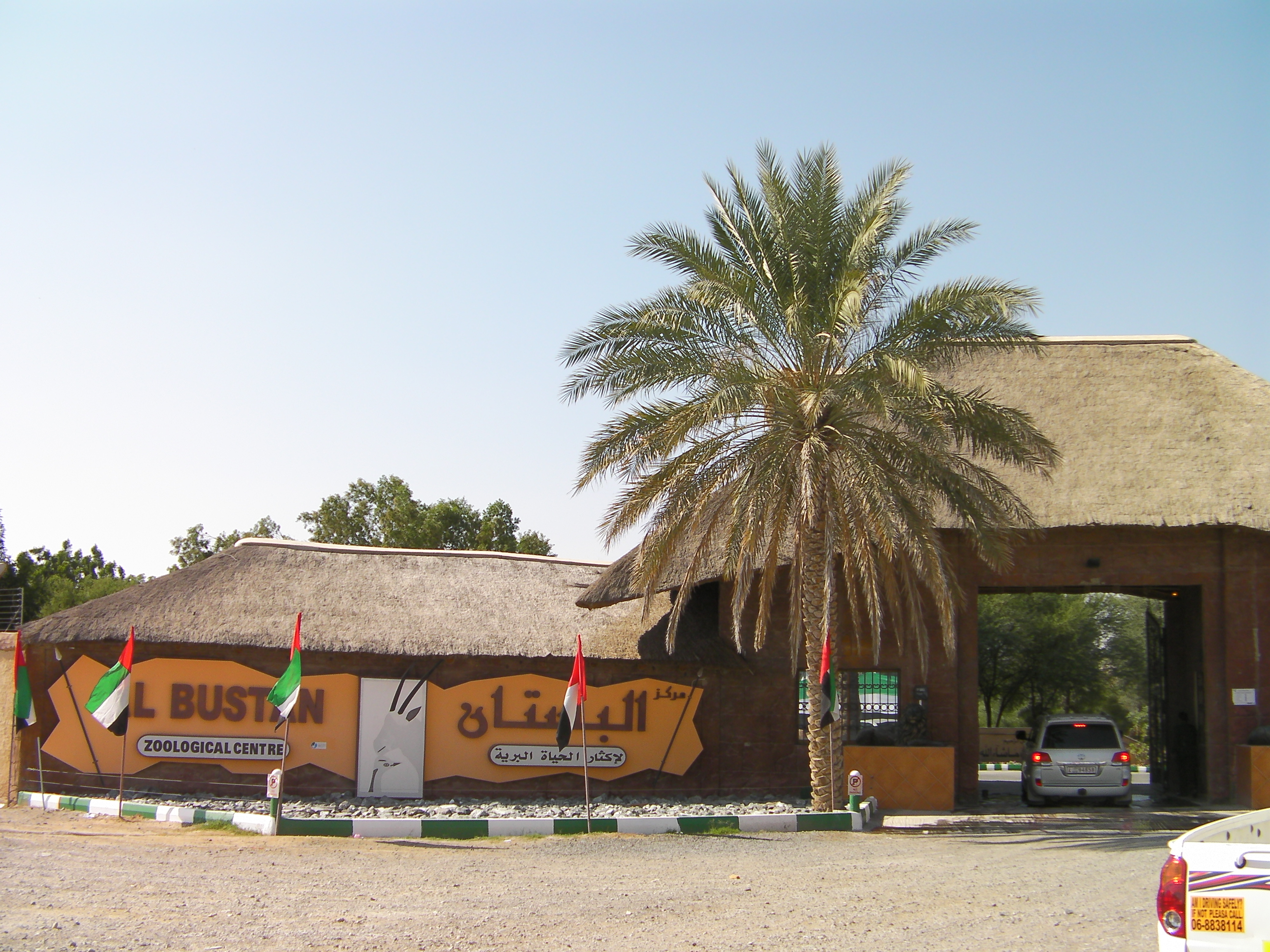
entrance of the park

We headed out to Maleha with the intention of visiting the wildlife center there. Unfortunately, this is a private park and not open to the public. So, the closest one can get is these pictures and this video.

From there we went just down the road to the Umm an-Nar Tomb of Maleha.

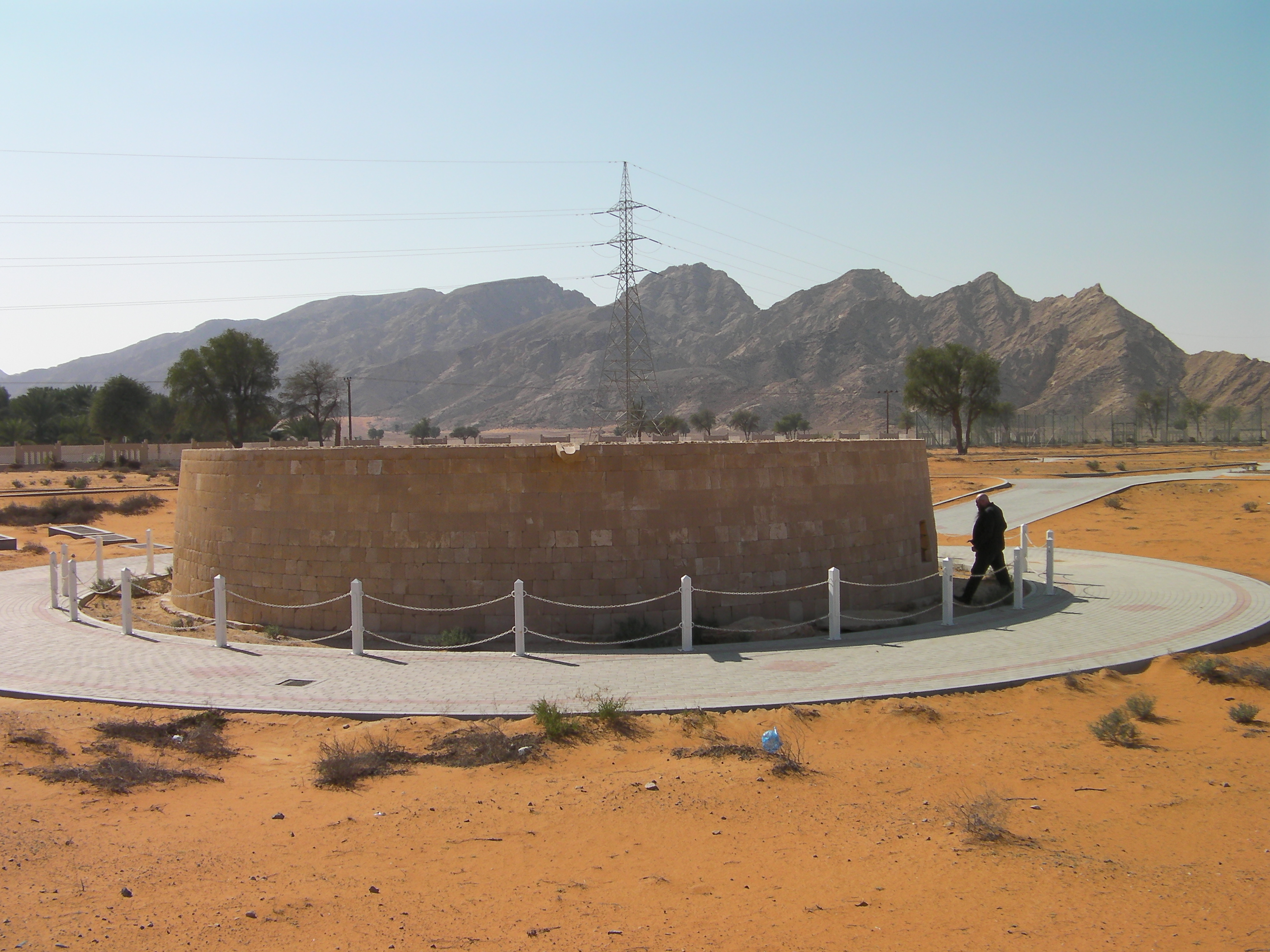
round stone structure

This was interesting, although it was clear that no one visits this site or uses the park around it.

stone structure

This tomb dates back to around 3000 BC. There are eight chambers.

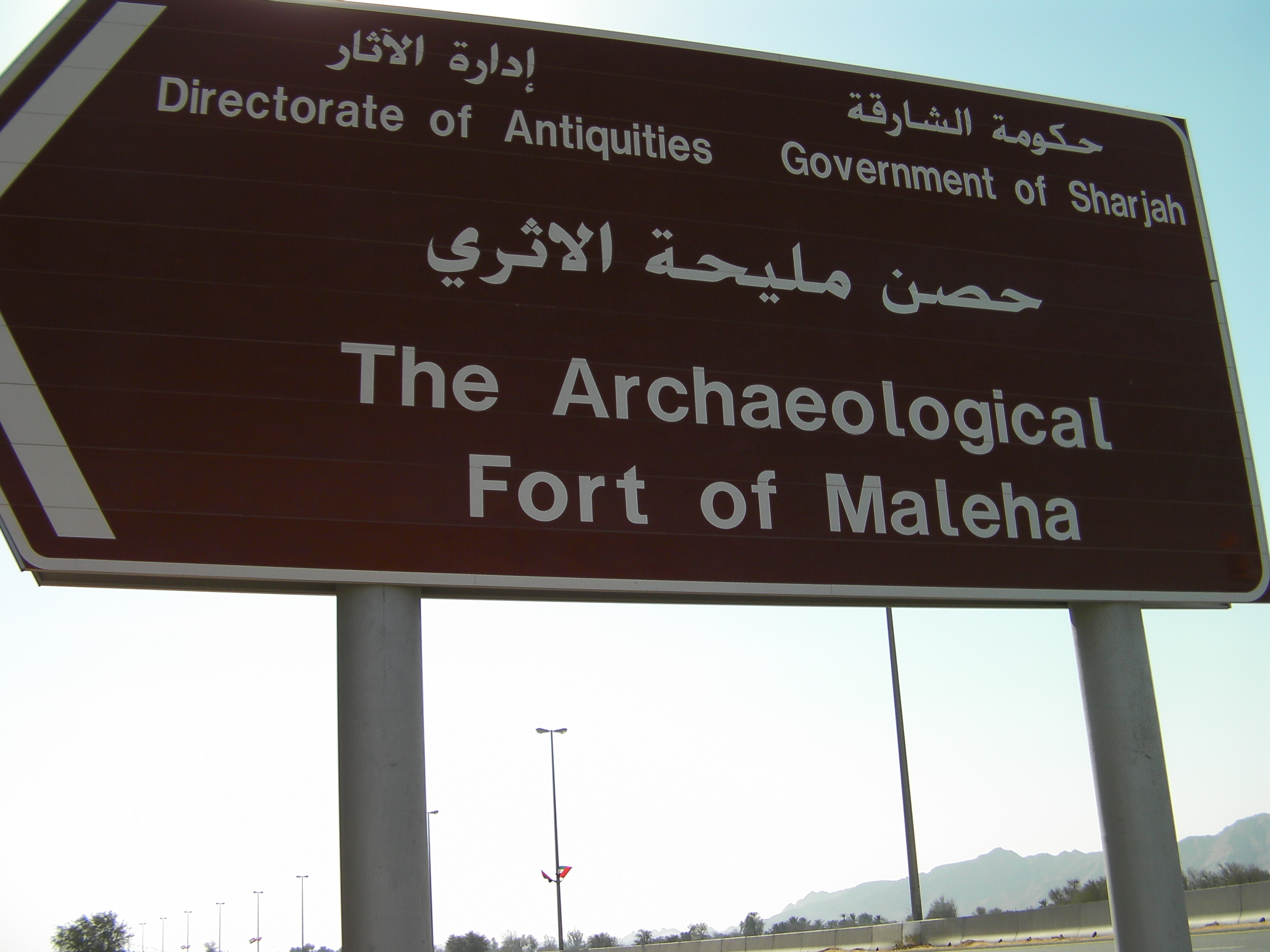
brown road sign

Next we went across the road to the fort archeological site.

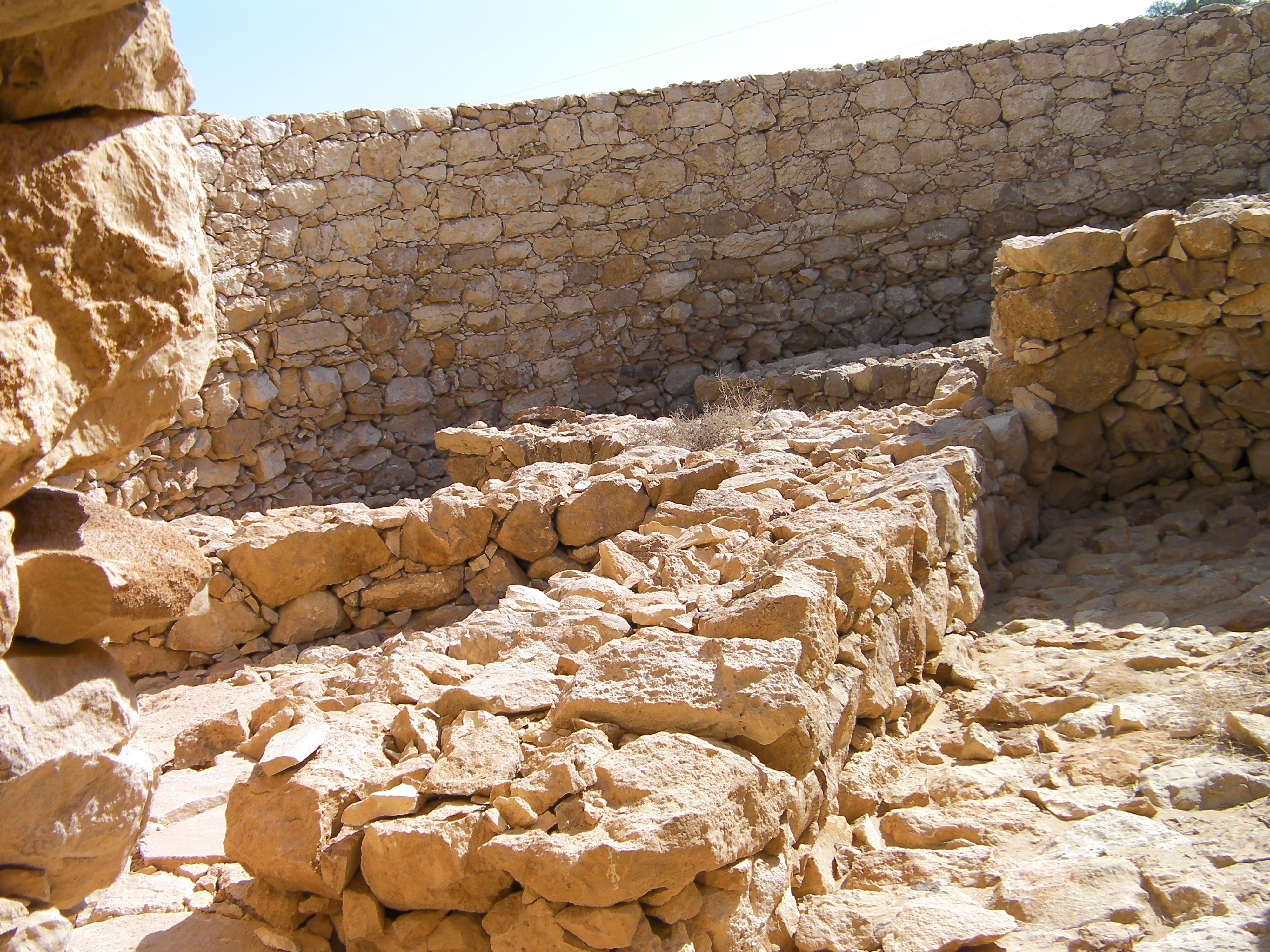
partially restored stone structure

The structure has been partially restored. The lower, rougher wall in the foreground is most likely the original wall remains.

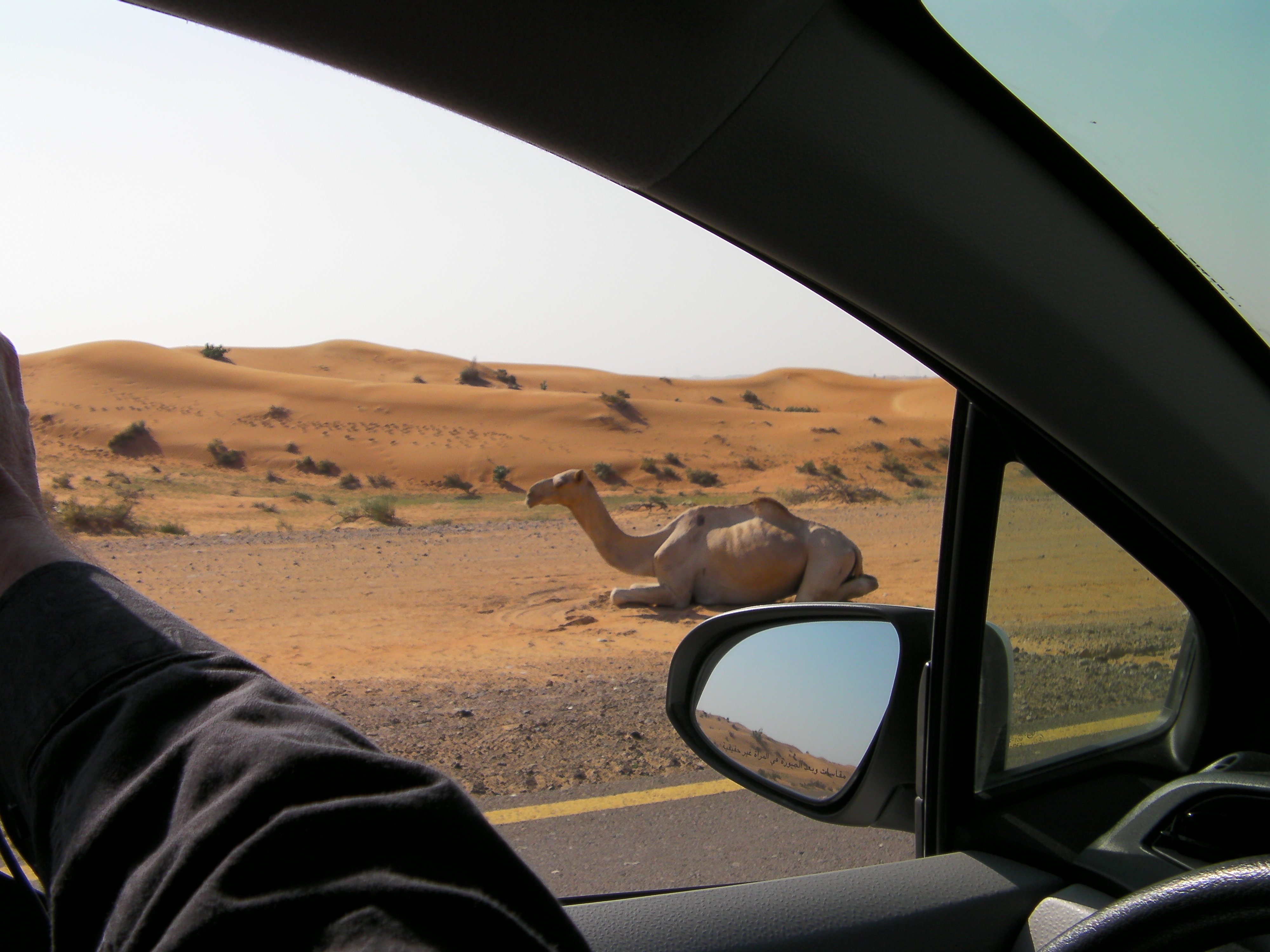
camel laying by the side of the road

We headed north a bit to look for the camel race track and saw this fellow just taking a rest by the side of the road.

stone ruins of a tobacco drying shed

On the way back to Fujairah we stopped off at Al Fara to drive past the remains of Sheikh Suhail bin Hamdan’s home and tobacco farm. These walls were a tobacco drying shed. Most of the site is not easily accessible due to a current residence near the site. We didn’t want to trespass.

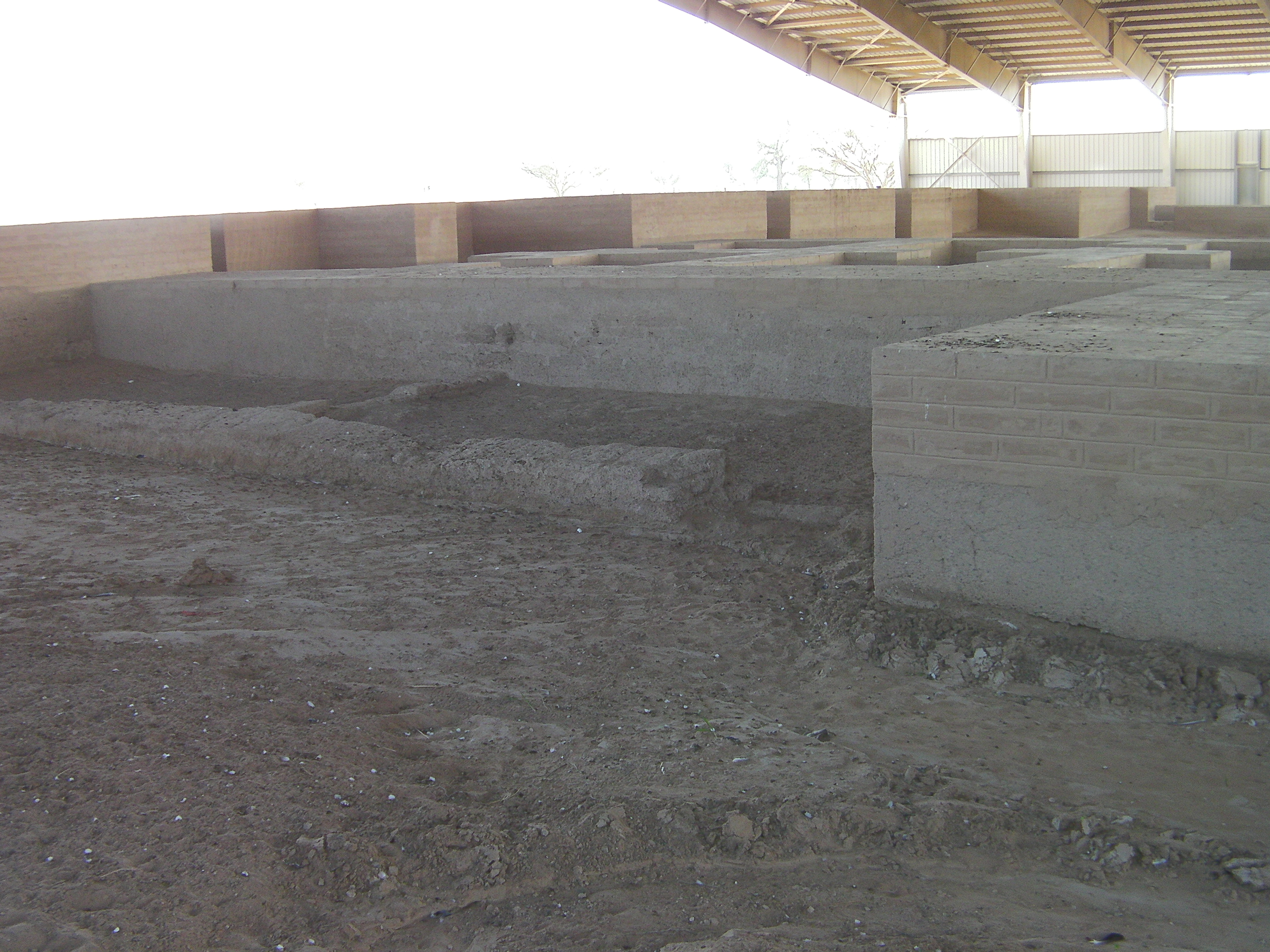
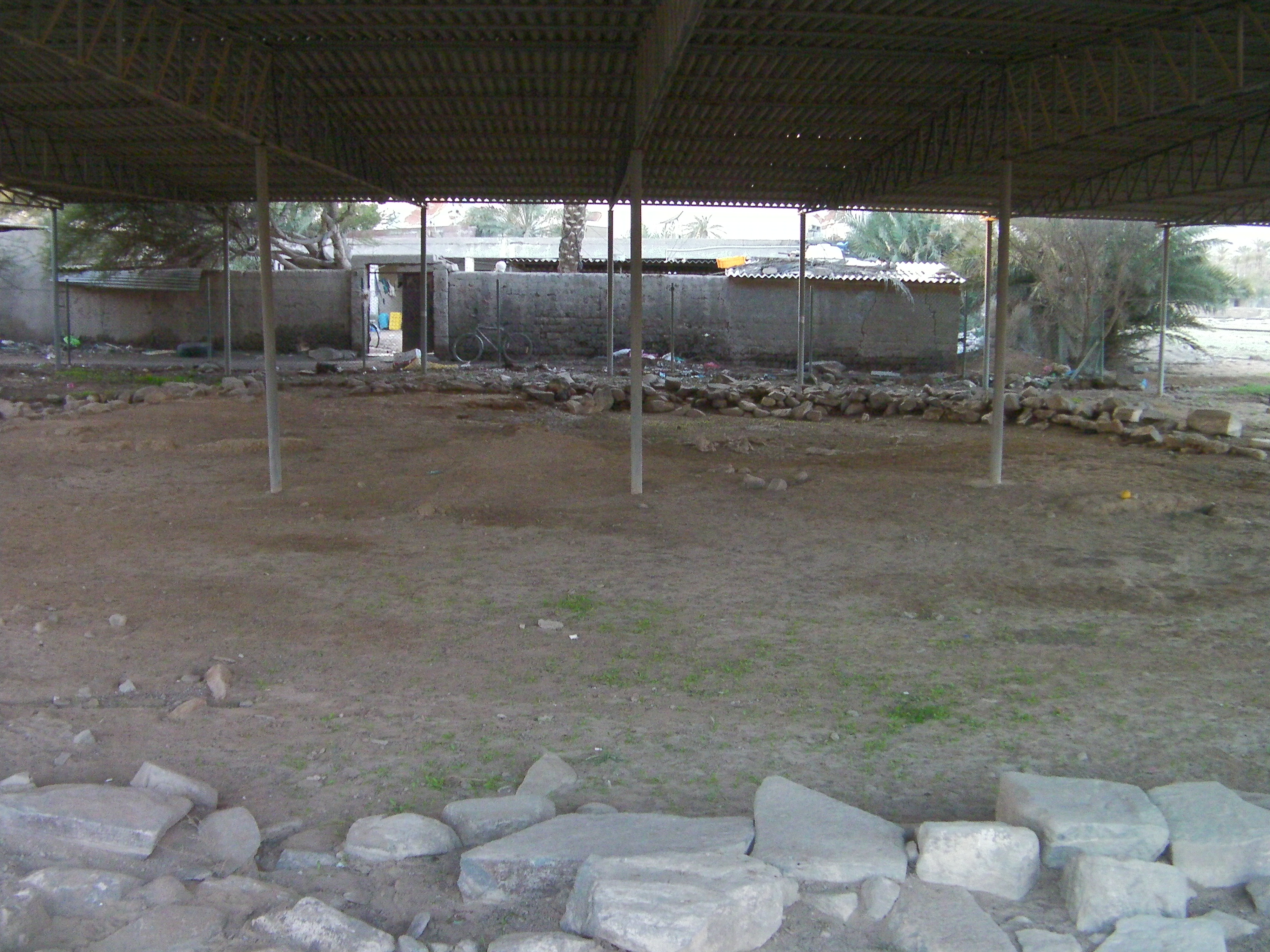
covered archeological site, stone riuns

After a quick, late lunch in Fujairah, we headed up the coast to Bidya to search for the ancient fort site. This site dates to back approximately more than 4,000 years. This is one of the oldest archaeological finds on the East Coast of the UAE. It was a small, round fort built around a well.

These places are not necessarily easy to find (although some are right on the side of the road). They are also not necessarily set up for visitors as there is little to no information displayed at the sites. (A bit of a missed opportunity for education and tourist attractions.) However, information on some of the sites is available at area museums. Information and artifacts related to the archaeological sites in Maleha are on display at the Sharjah Archaeology Museum in downtown Sharjah city. Fujairah Museum– located near Fujairah Fort- is small, but very nice, and includes information and artifacts from the fort at Bidya in its archaeological section.

h1

Totally Fabulous Fujairah Food Tour

November 3, 2013

Posted by Kanga. Please do not reblog.

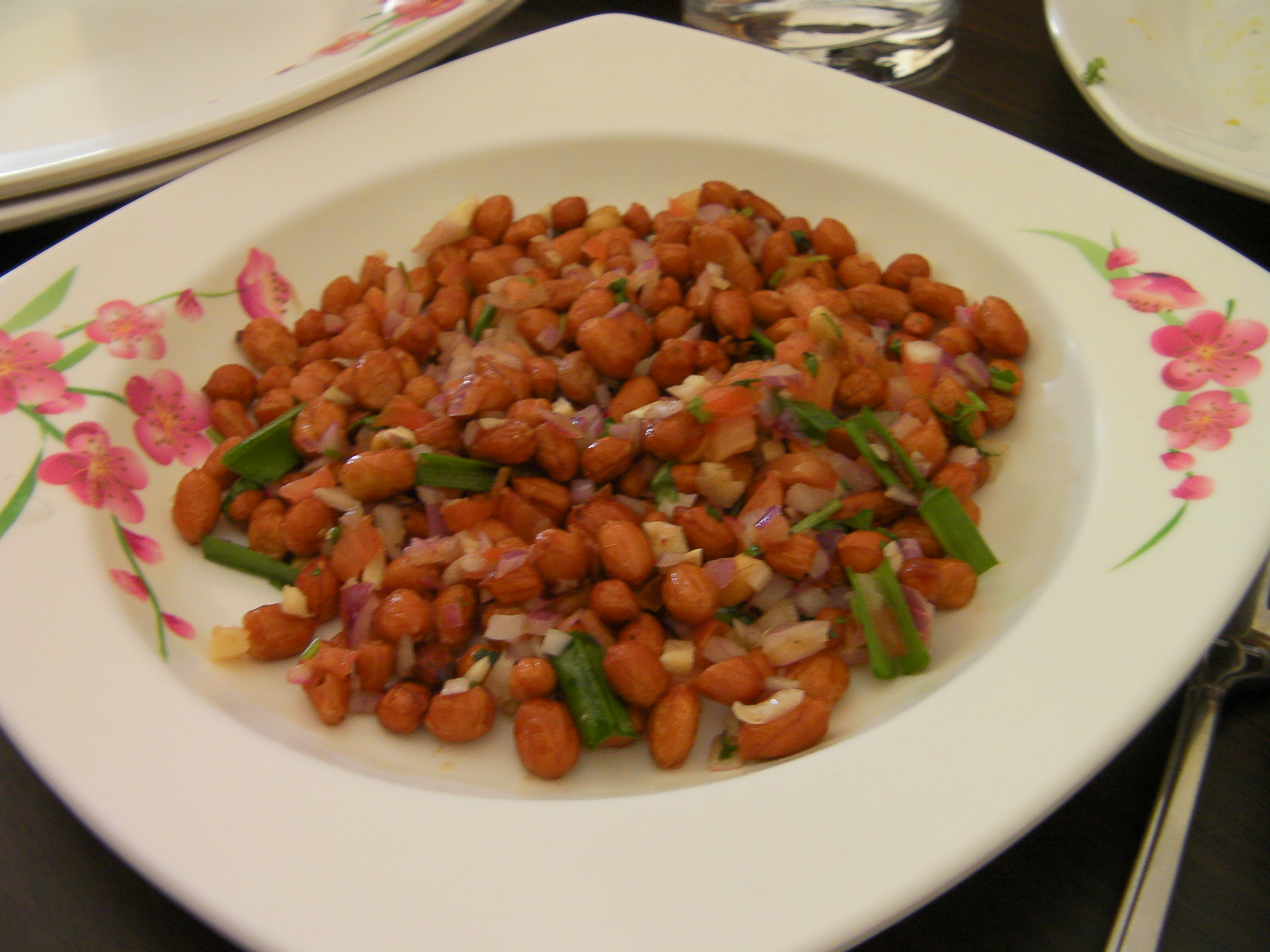
peanuts, onions, chili

Peanut Sandeko

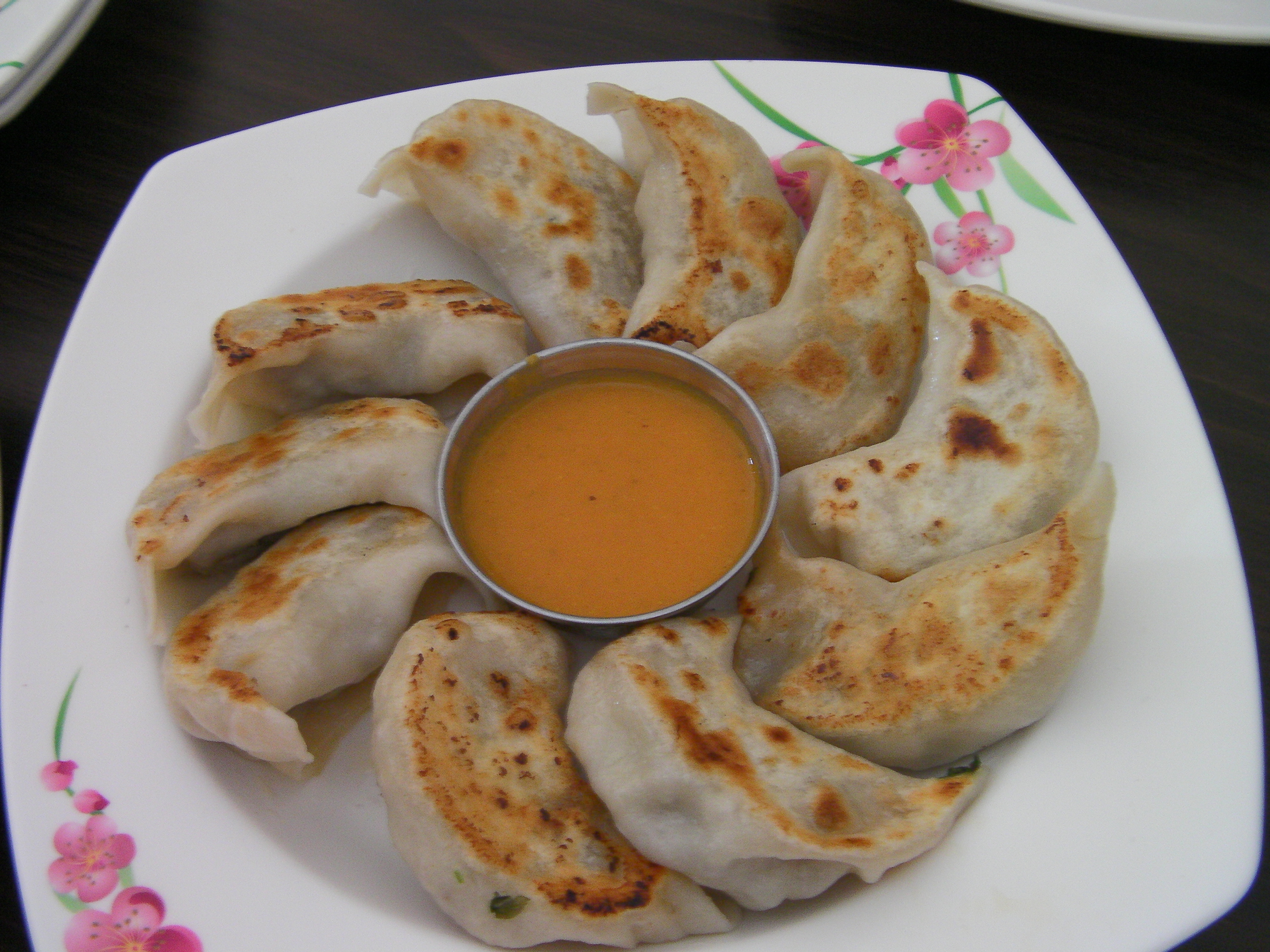
The tour began at Nepal Kitchen House. Peanut sandeko, chicken momos, mutton momos, thukpa (noodle soup), chicken chili, chicken tass (chicken and puffed rice), and aloo jeera fry (potato, cumin seeds, cilantro) graced our table.

crescent shaped dumplings

Mutton Kothe Momos

Then we took a brief break from eating to drive up to Al Hayl Castle.

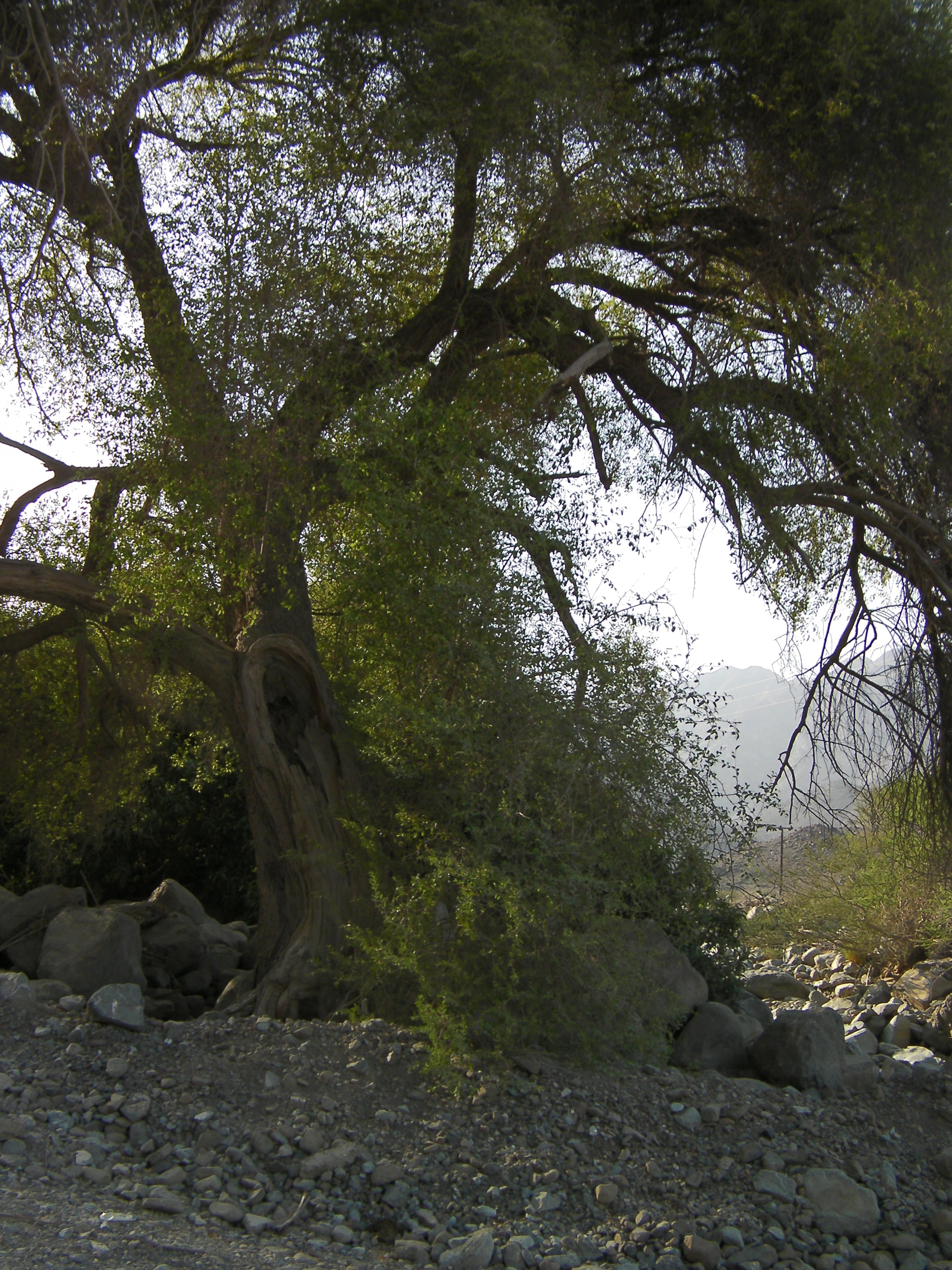
twisted tree

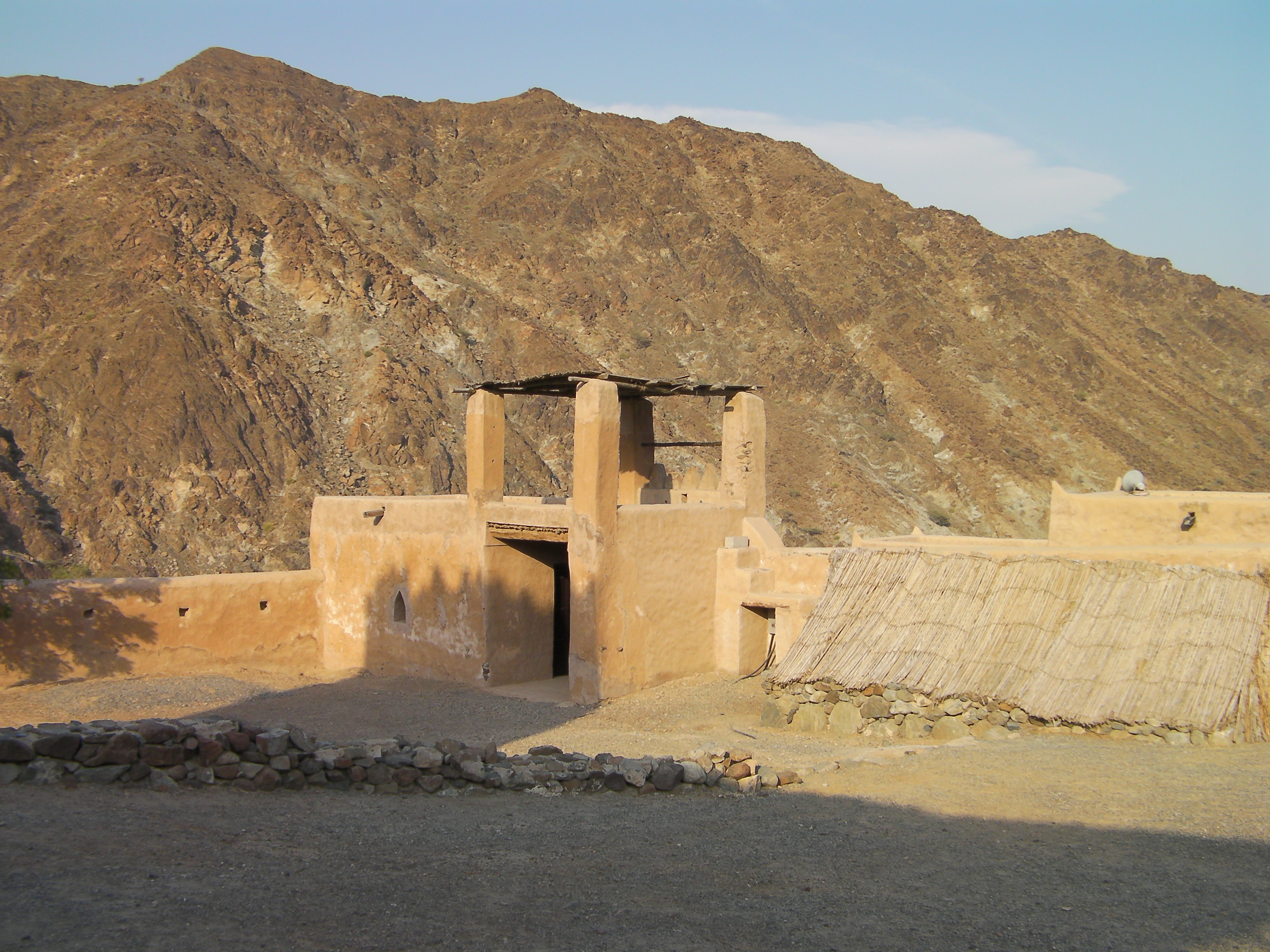
This is the historical home of the Fujairah royal family.

inner courtyard

Al Hayl Castle inner courtyard

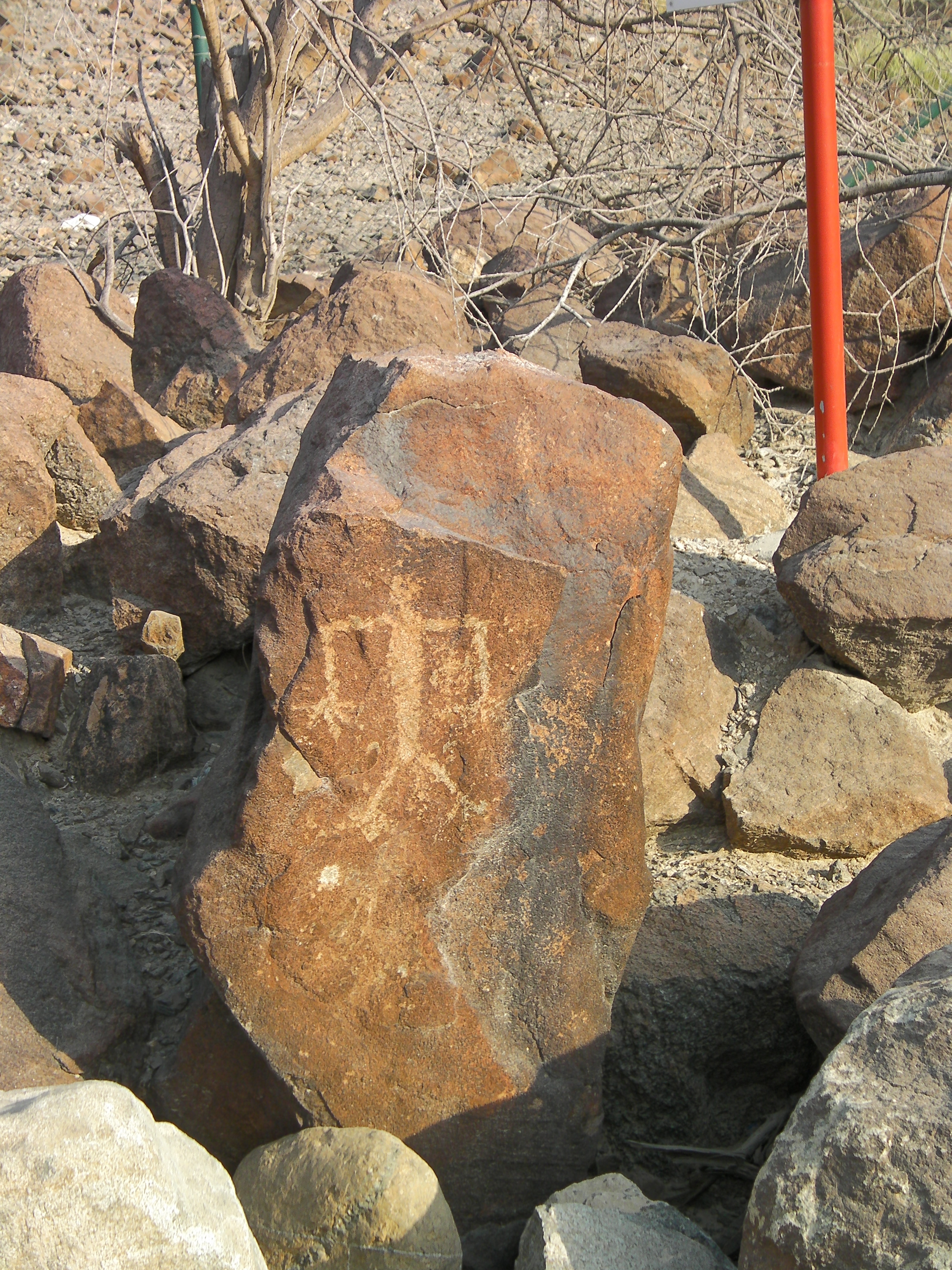
We stopped briefly to check out a petroglyph. There are many in the hills, although rock quarries and development are taking their toll on these historical treasures.
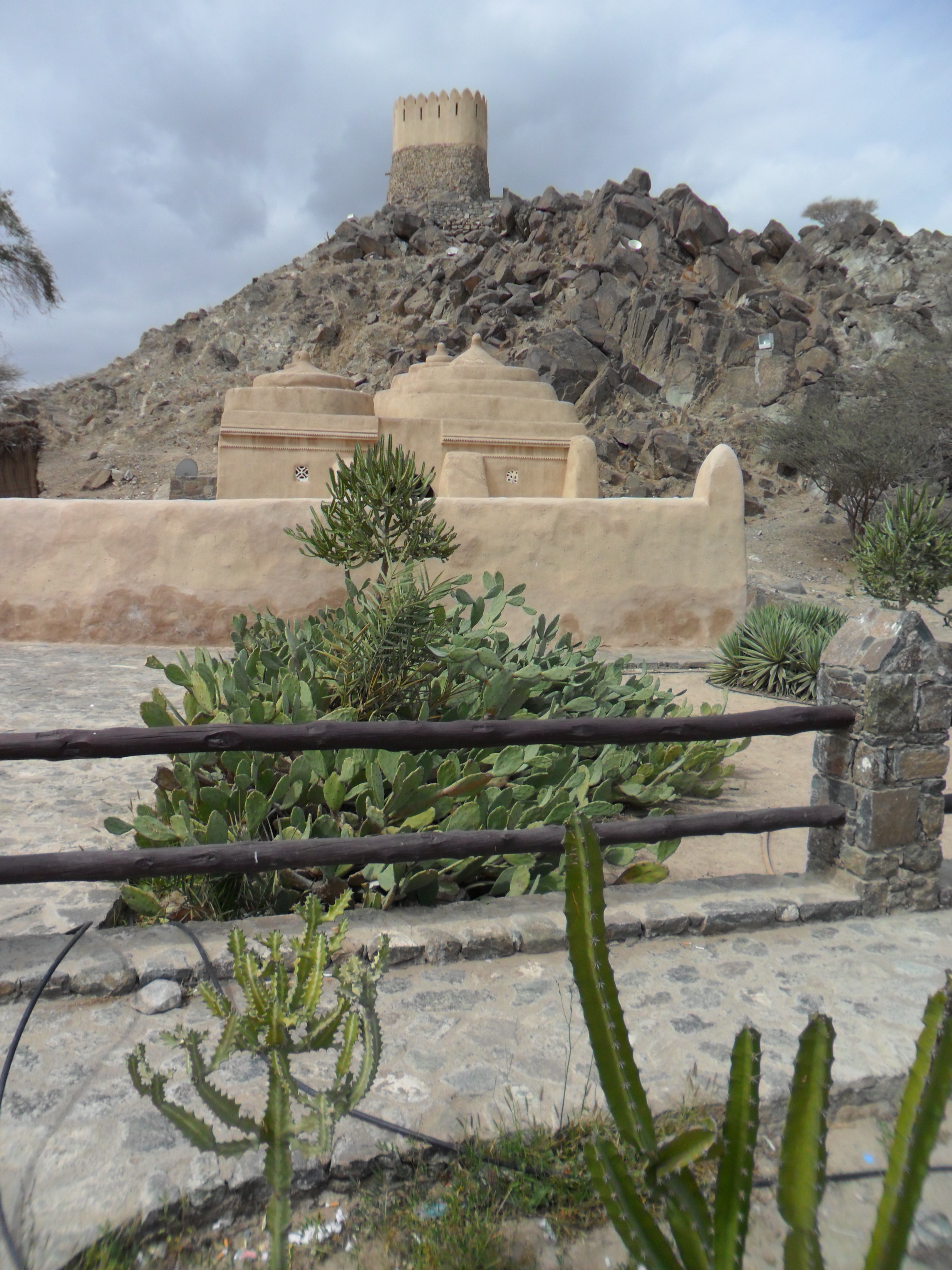
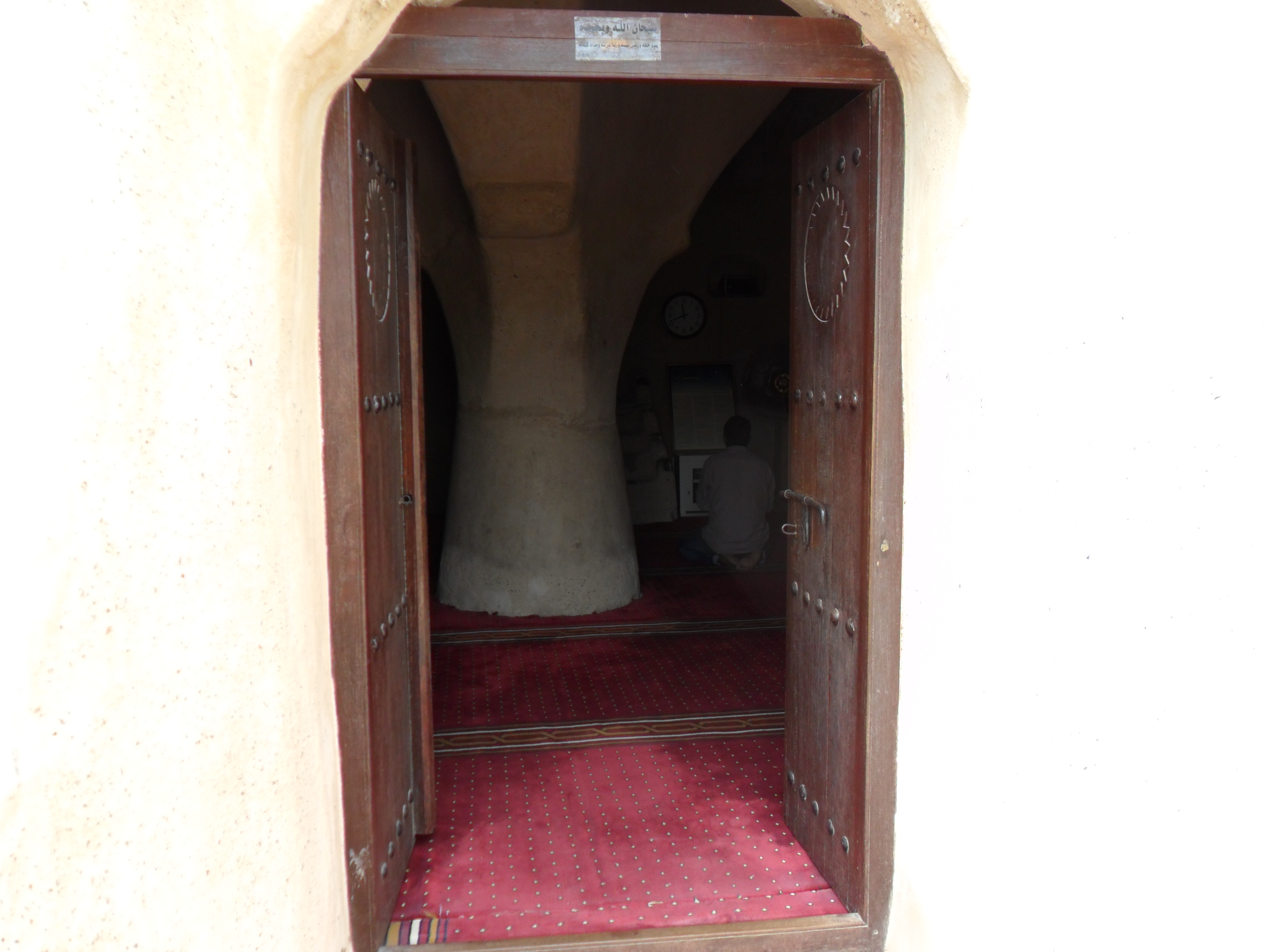
image of a man carved into rock

Petroglyph

After a quick tea break, we were off to our next meal at Salu Salo, a Filipino restaurant tucked away in an alley.

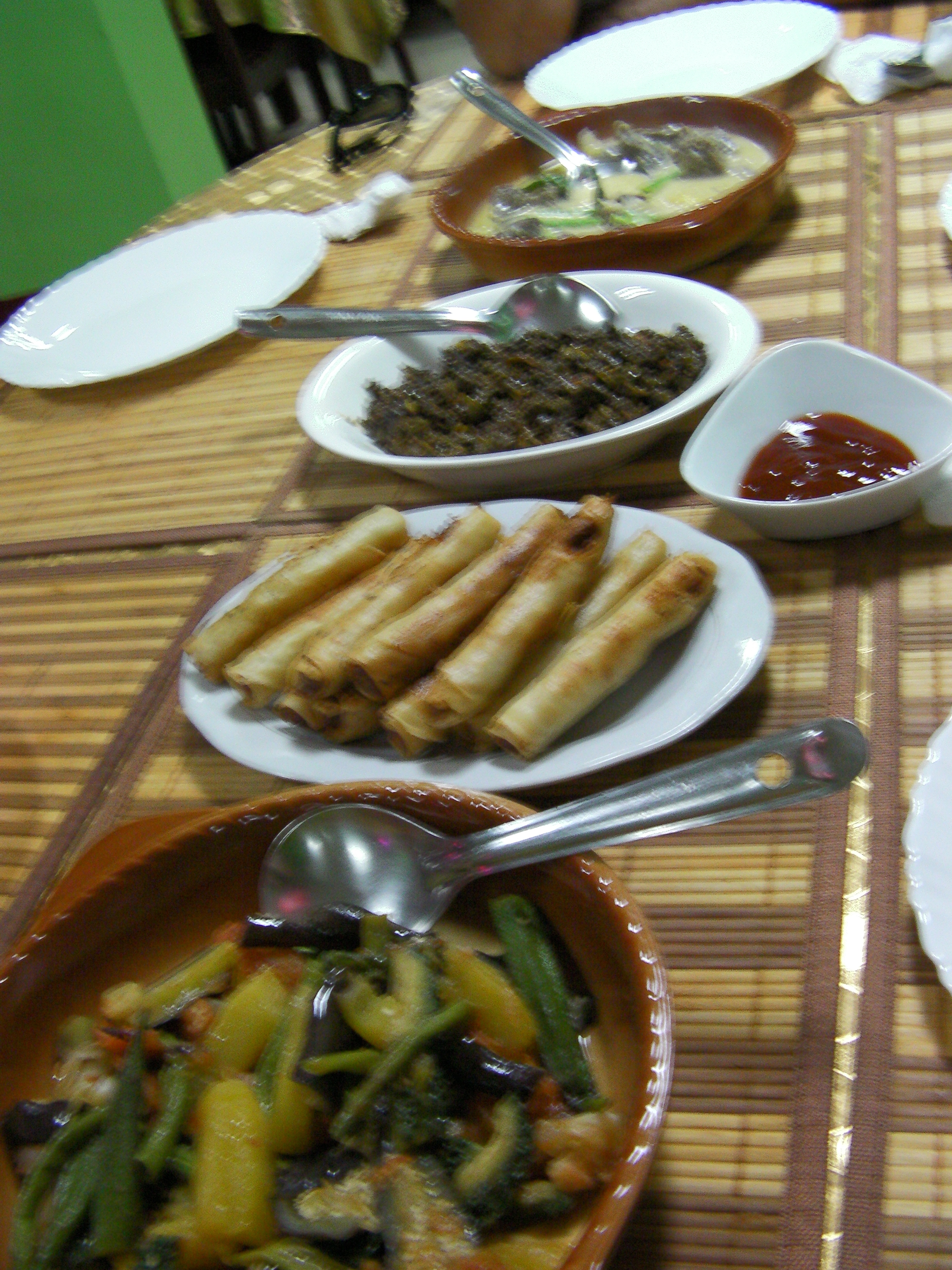
four plates of food

Salu Salo Filipino Restaurant

Bicol express, Bopis, Lumpia, Pinakbet, and Kare Kare were our choices. Bicol express is a stew in a coconut milk sauce. Bopis is heart and lung sauteed in tomato, chili, and onion. Lumpia is meat filled fried rolls, Pinakbet is a shrimp and vegetable dish, and Kare Kare is an oxtail stew in peanut sauce.

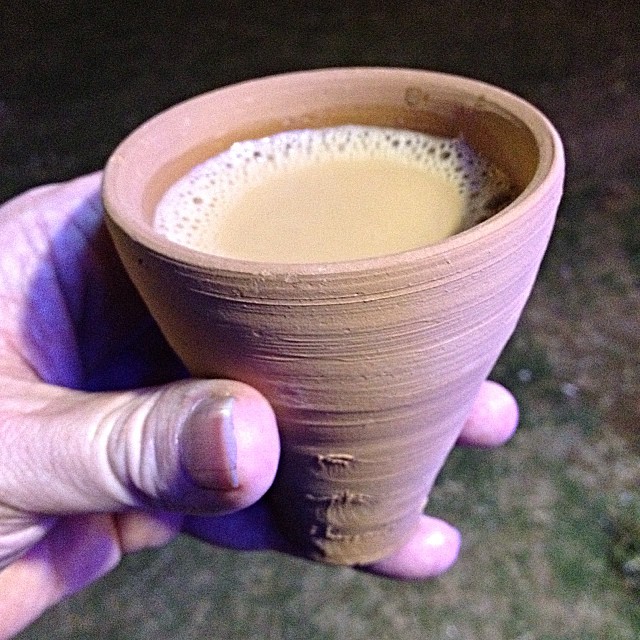
milk tea in a unglazed clay cup

Another tea break on the beach with tea in a clay pot – the best tea I have ever had – then, we were off to Zamarod Al Afghani Rice Bukhari Restaurant.

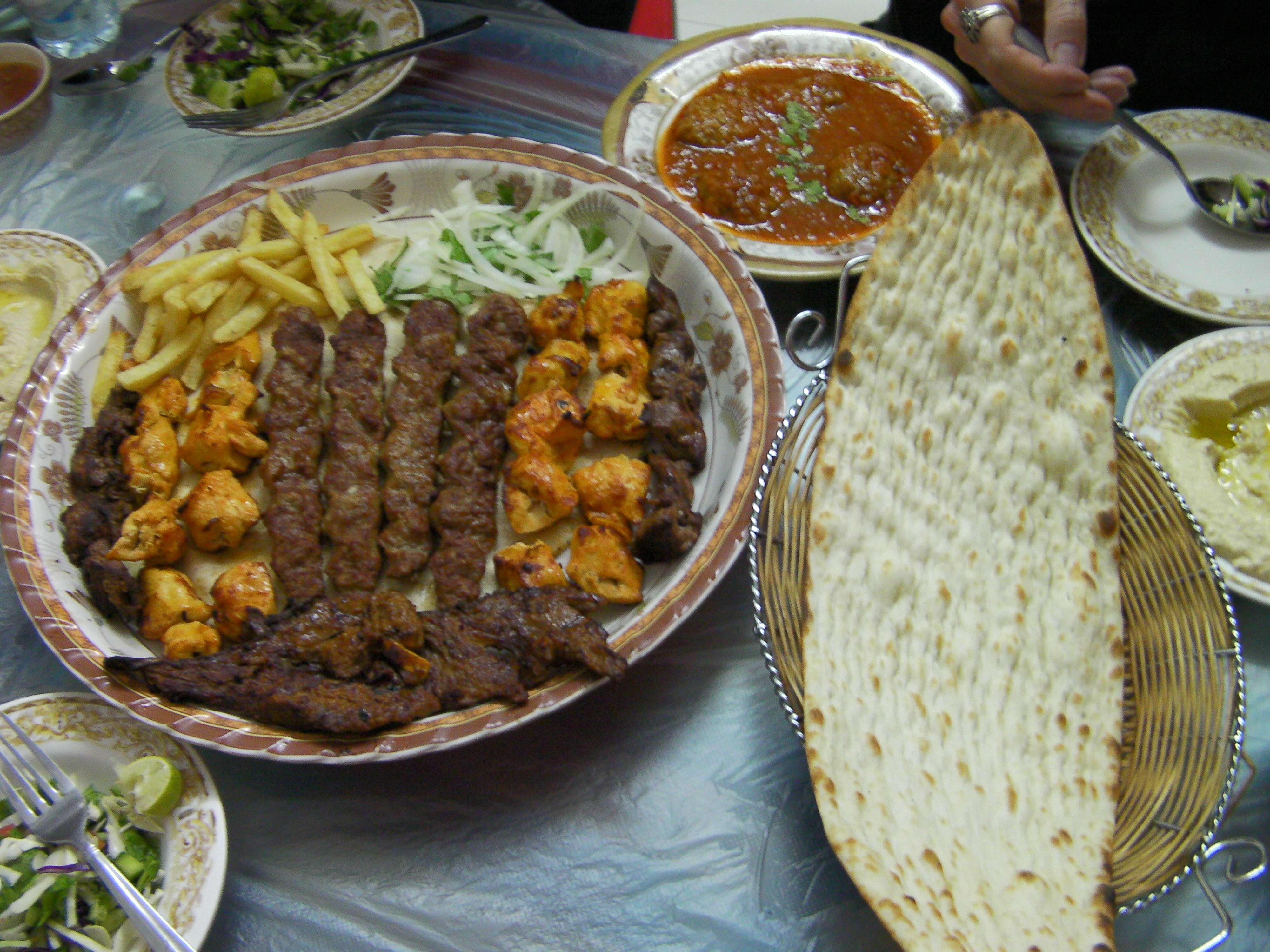
mixed grilled meat, flat bread

After a mixed grill, flat bread, and hummus meal, we were done in. With a cup of mint tea, our eight hour eating experience came to an end.

h1

Ukraine: Day Five

July 3, 2013

Posted by Kanga.

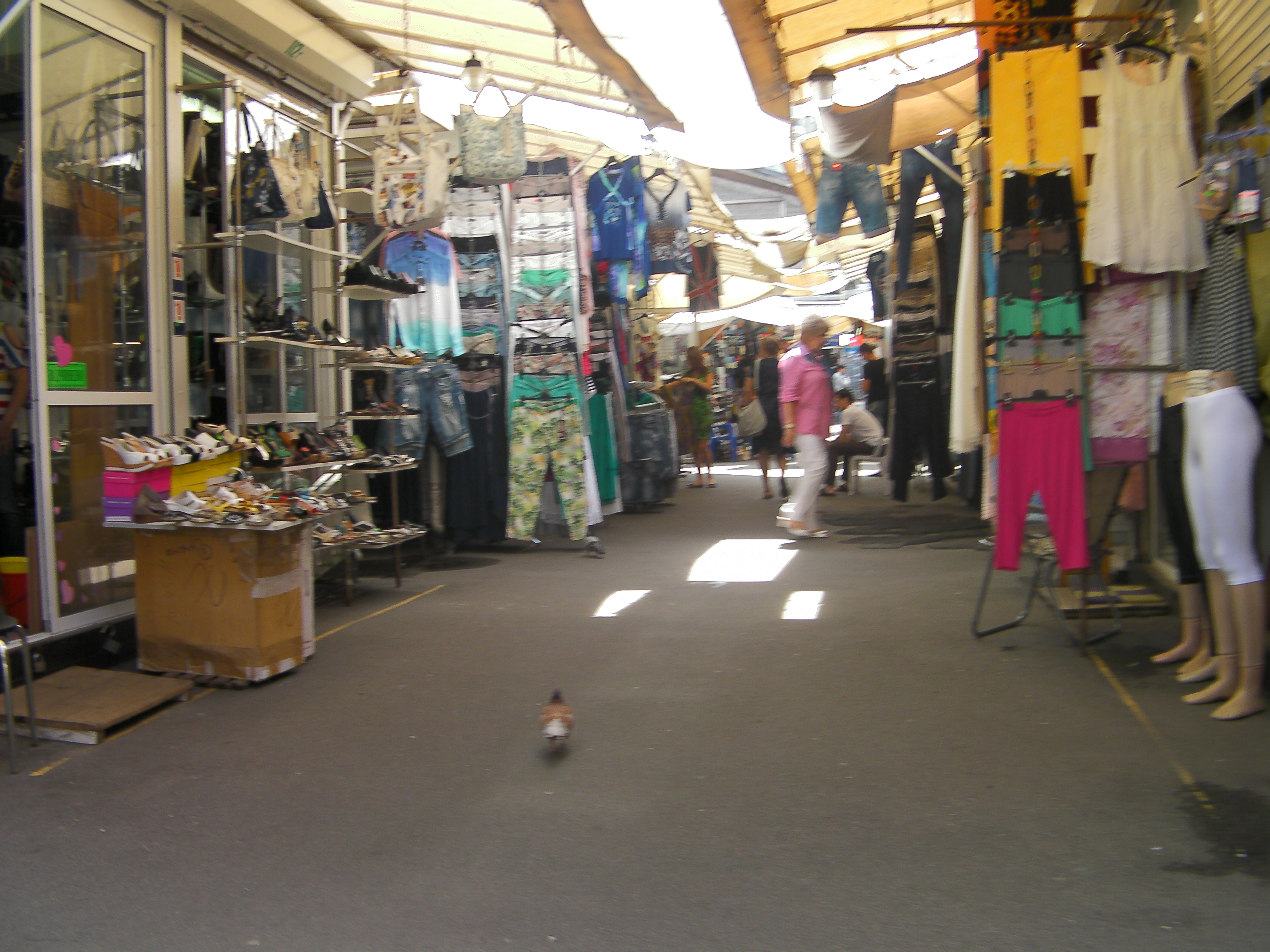
The day began with a walk down to the neighborhood market.

rows of metal sheds housing goods for sale

The market area is quite large including many rows of metal sheds where people are selling EVERYTHING – shoes, clothes, purses, hair brushes, laundry detergent, etc.
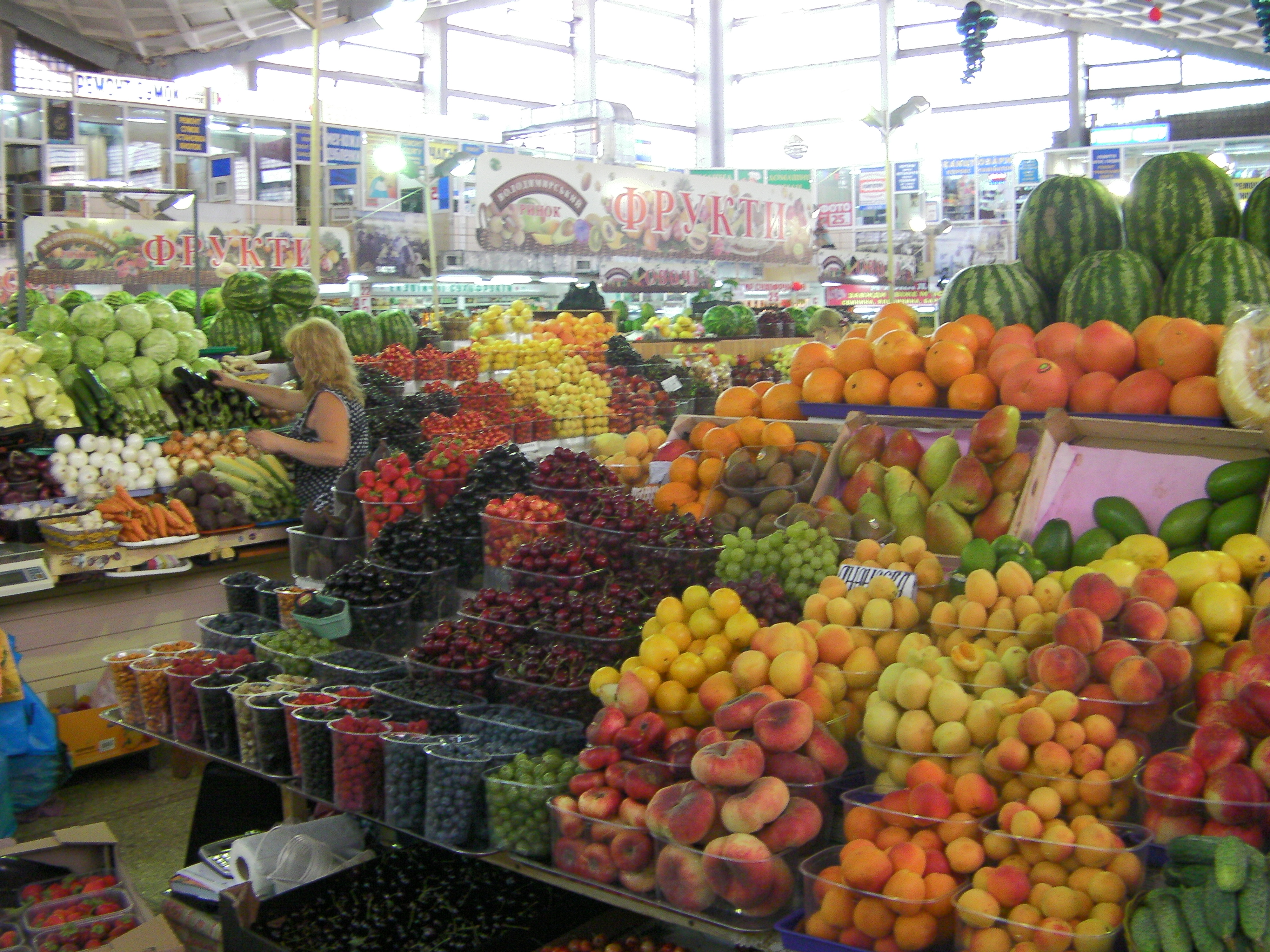
At the center, is a building full of meat, fruit and vegetables.

fruit and vegetable market

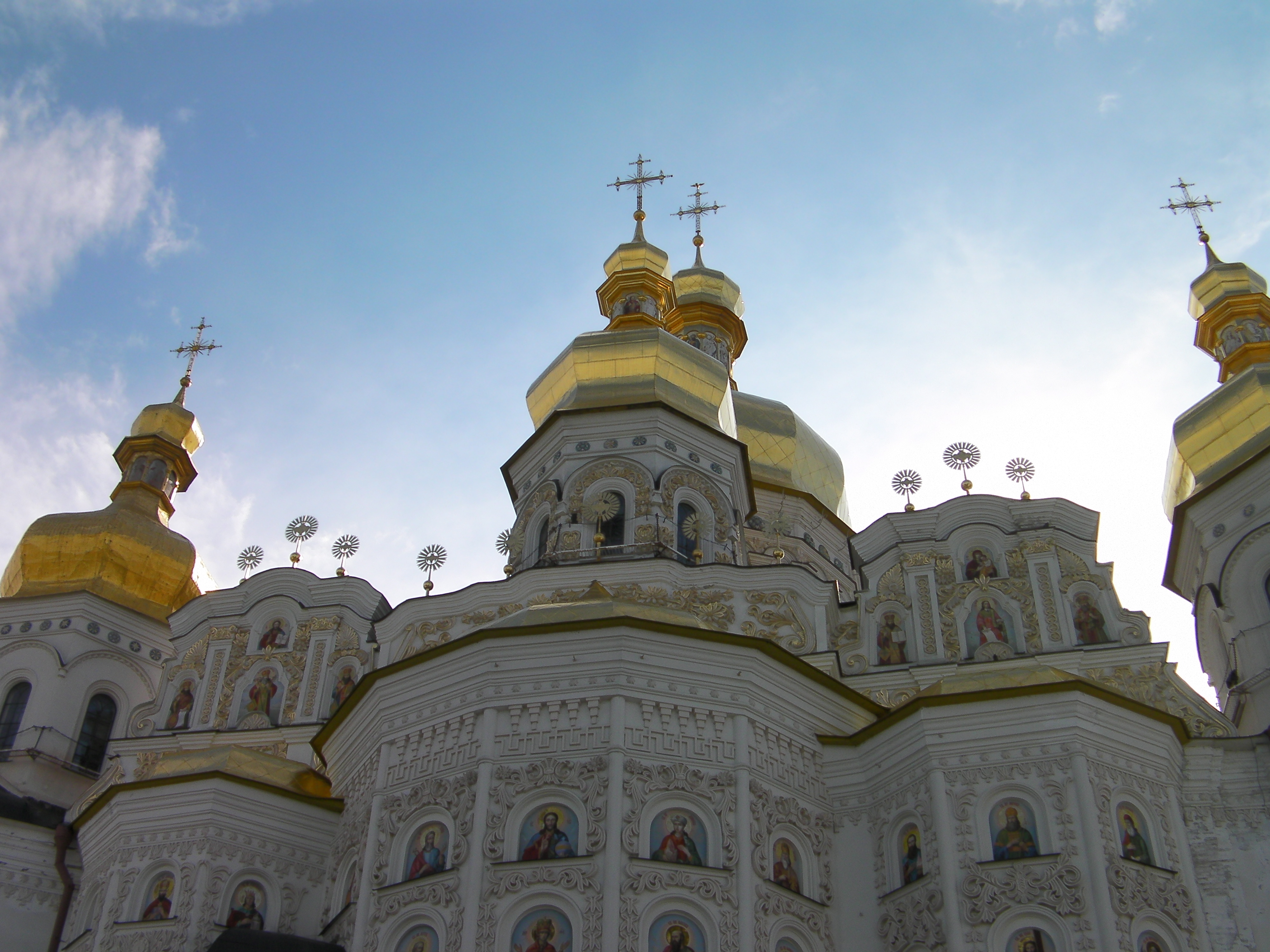
We spent the rest of the afternoon at the Kiev Pechersk Lavra.

golden church domes

For all the pictures and comments, click here.

h1

Jerash

April 13, 2013

Posted by Kanga.

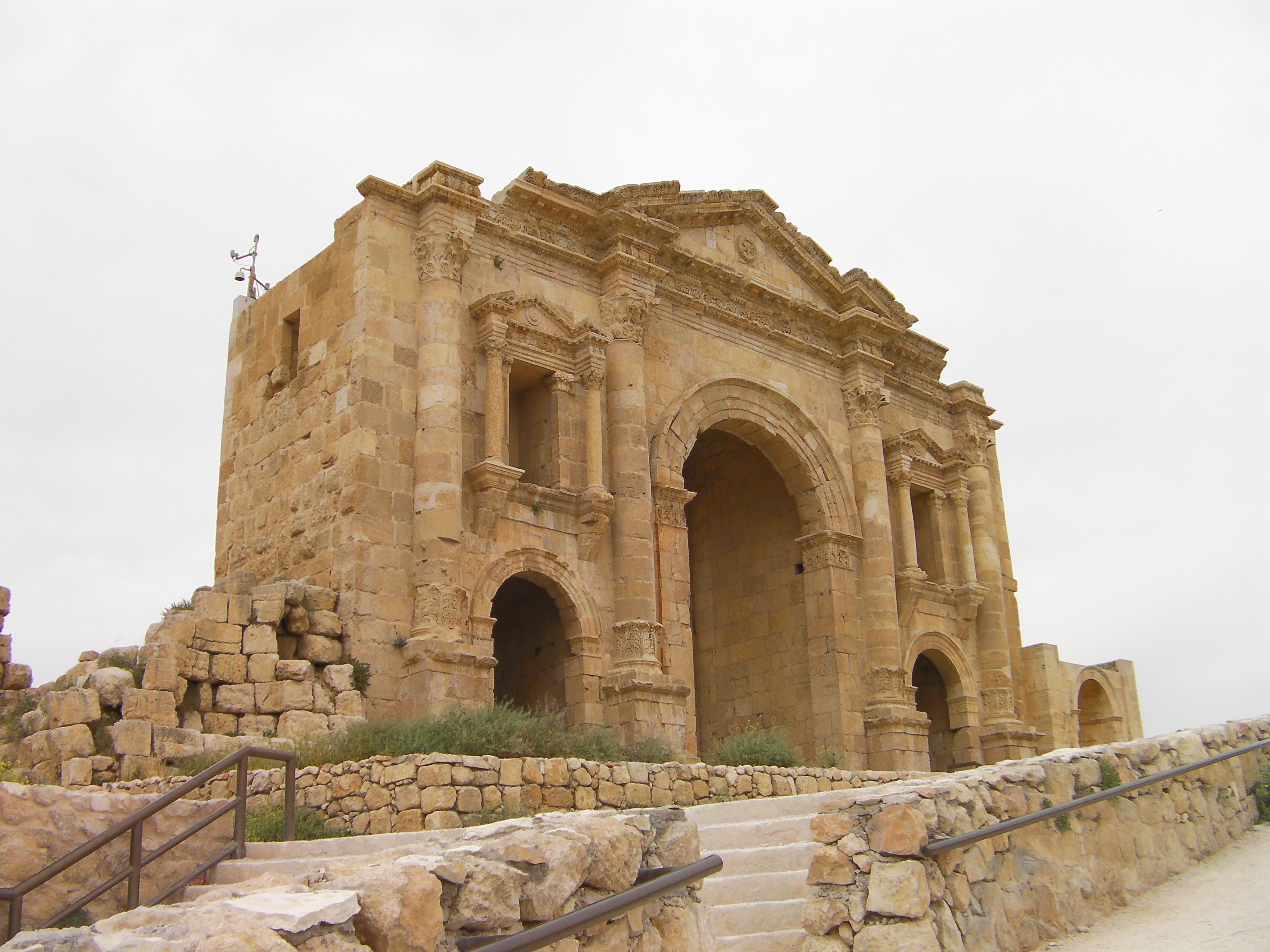
Our last site to see was Jerash. It was established by Alexander the Great in 331 B.C. and later expanded as a Roman city, one of the Decapolis cities.

triple arched gate

Much of the city was toppled by the earthquake in 749 A.D., but it is one of the best preserved sites.

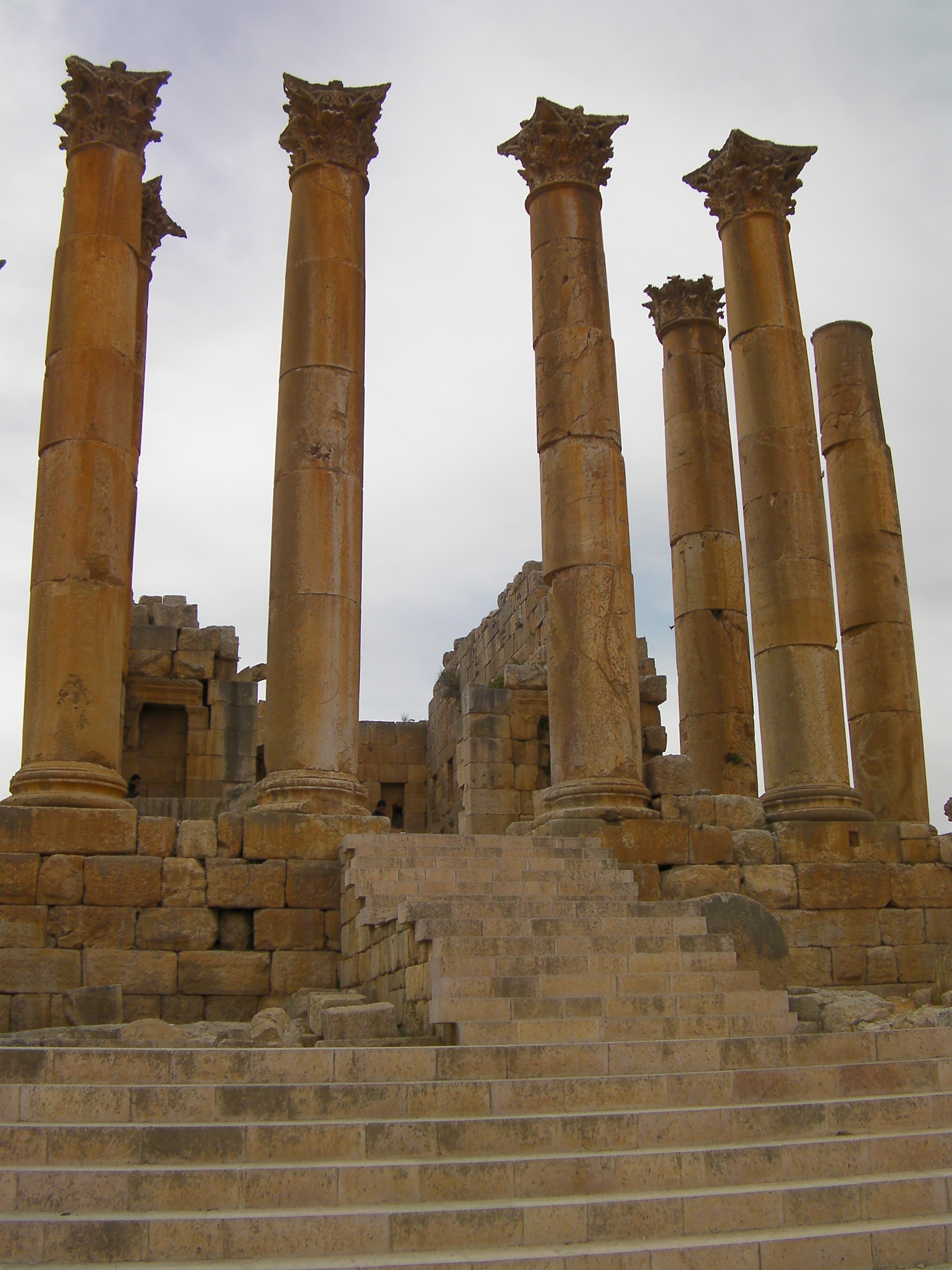
steps and massive Corinthian pillars

The pillars of the Temple of Artemis remained standing despite the earthquake.

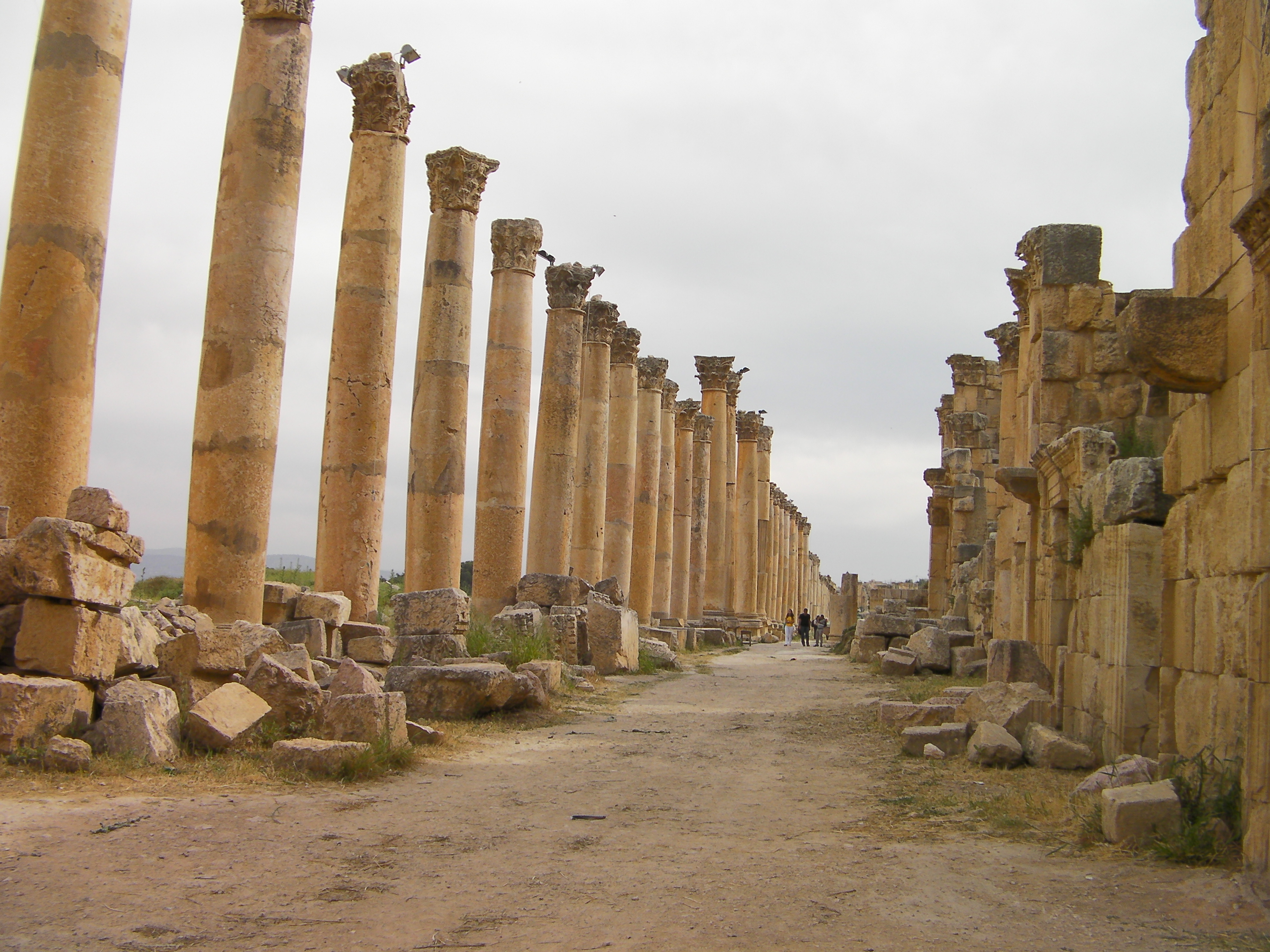
Roman street lined with columns

We had a guide and it was worthwhile. Sometimes the guides can get in the way of the experience (such as the one at the Citadel). This guide went slowly, told us important information without it being too much and gave us lots of time to take pictures and enjoy ourselves.

To see all the pictures, click here.

h1

Jahli Fort, Al Ain

October 9, 2012

Posted by Kanga.

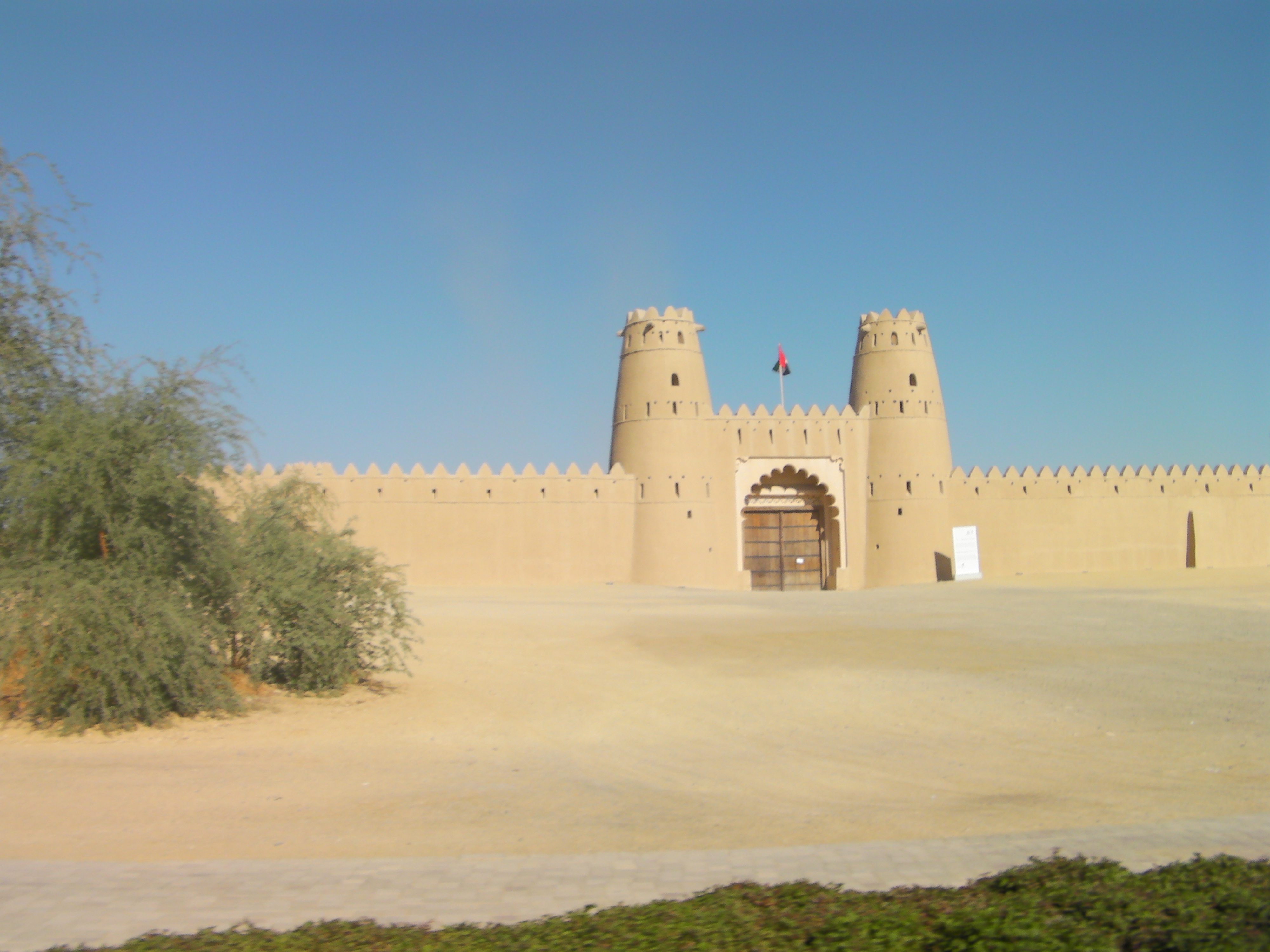
desert fort

We were in Al Ain for the day, so we took a walk around Jahli Fort.

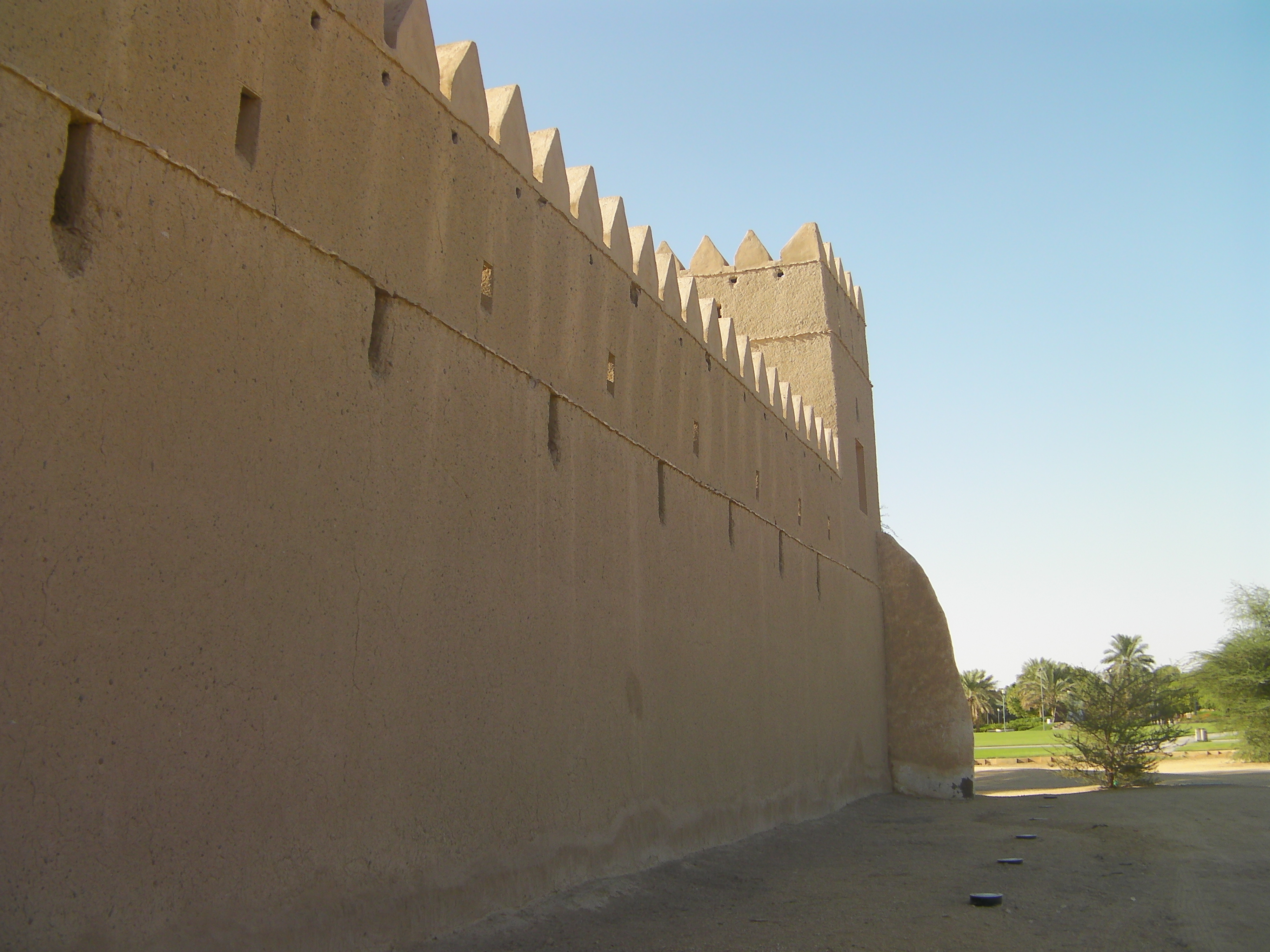
fort wall

The fort covers a significant amount of land.

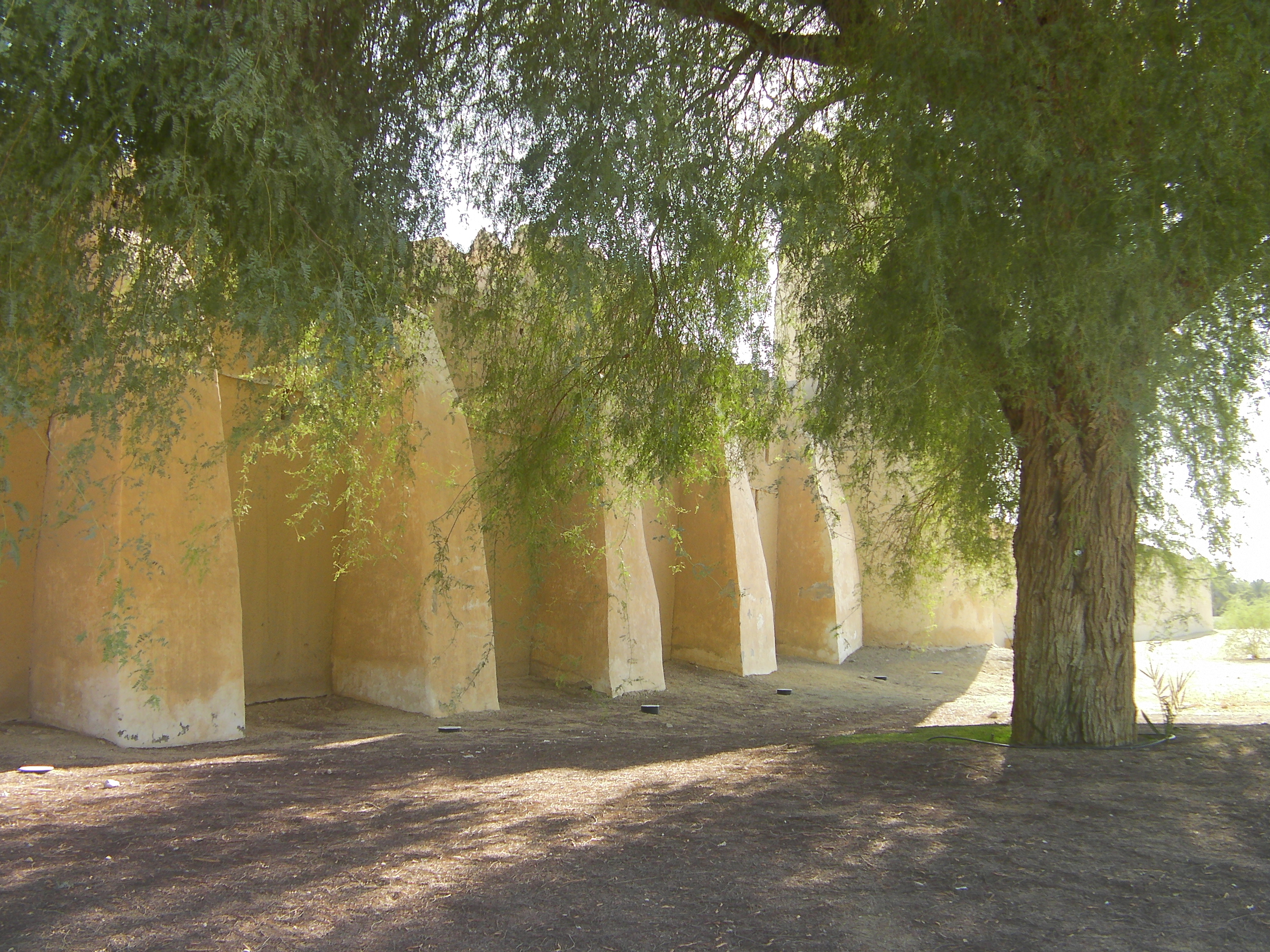
large buttresses along the fort wall

Large buttresses brace the back wall.

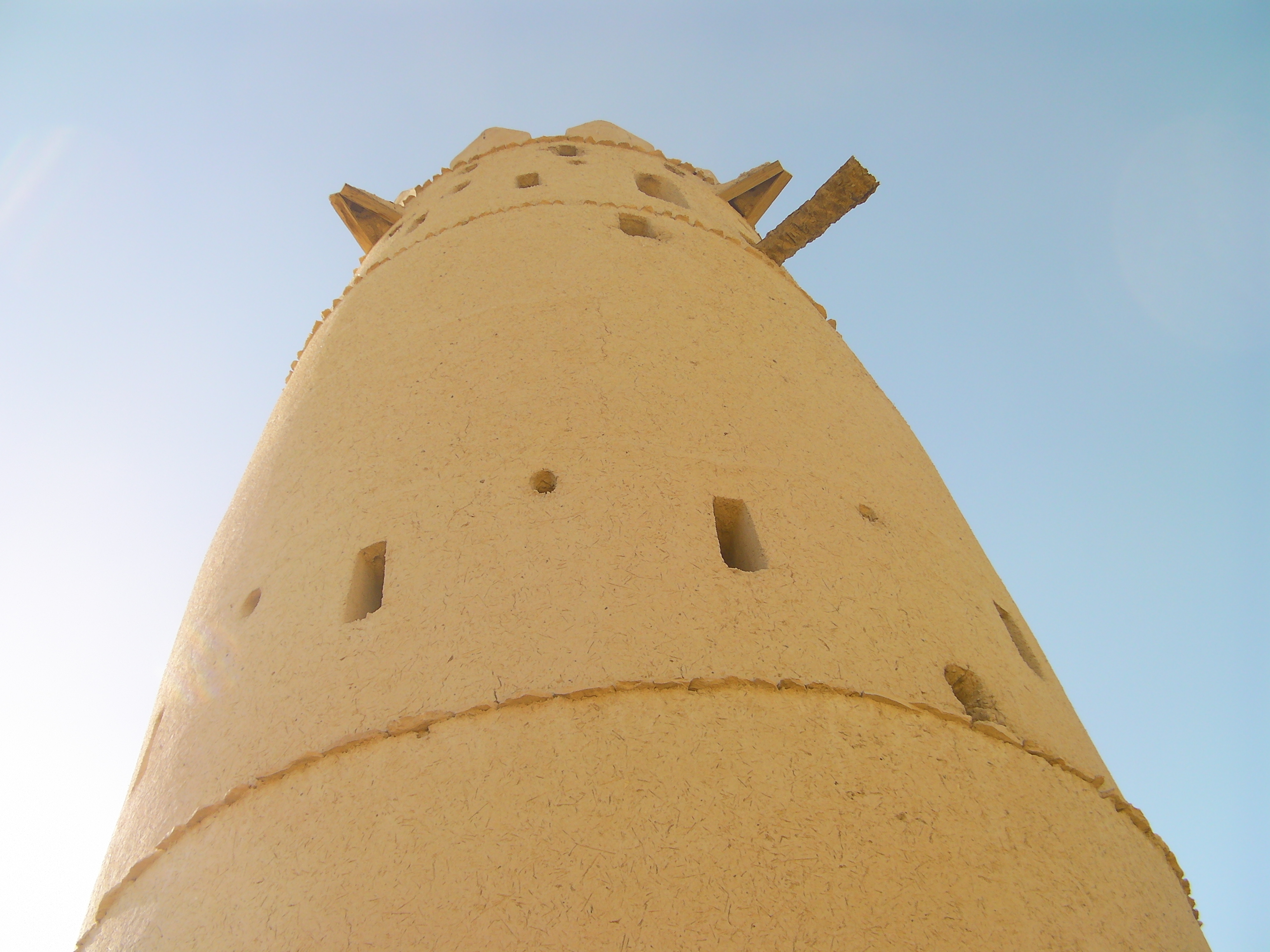
fort tower

Tall corner tower.

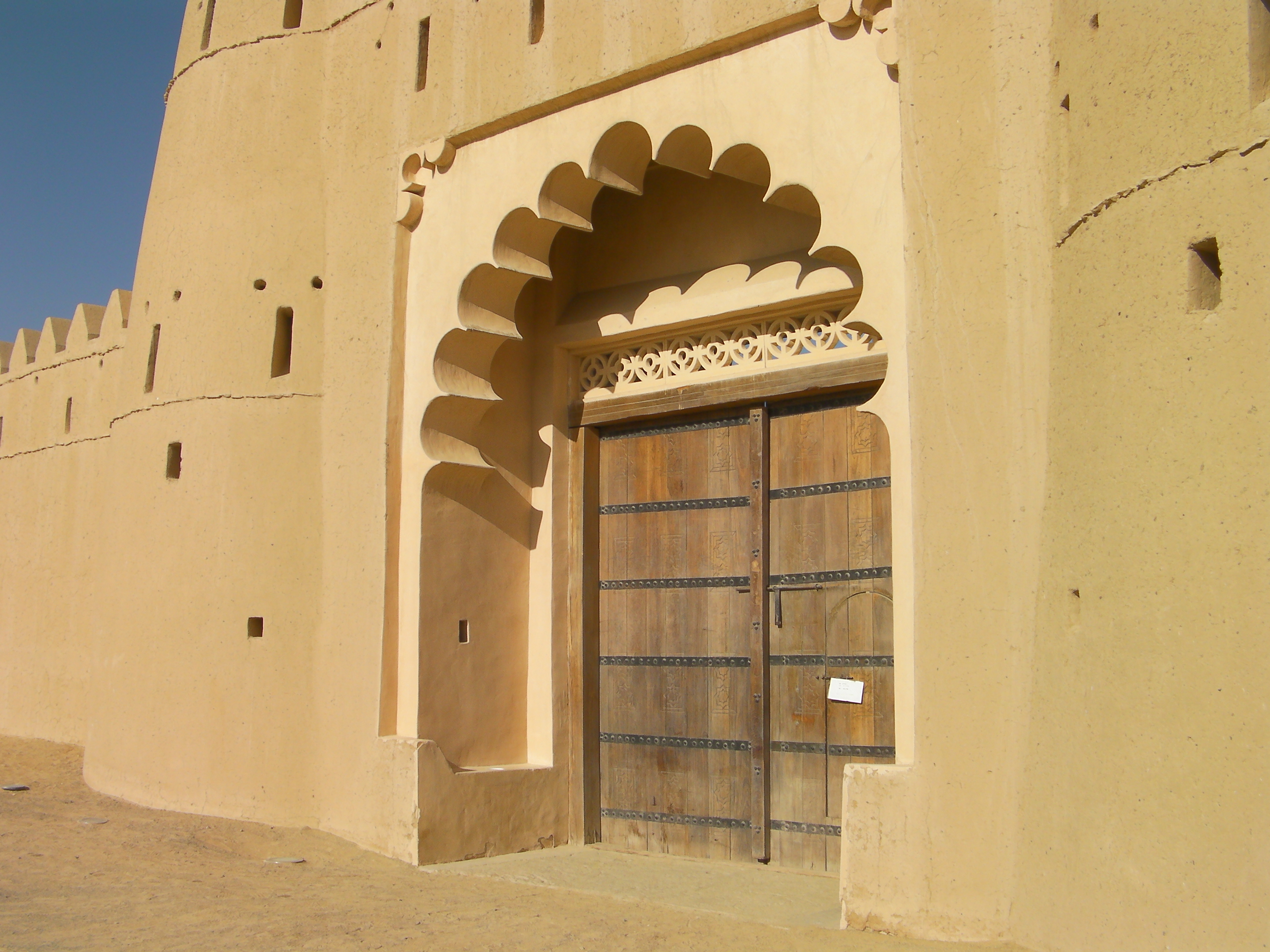
main gate to the fort

A beautiful gate, but like many historical sites, it was not open for visitors.

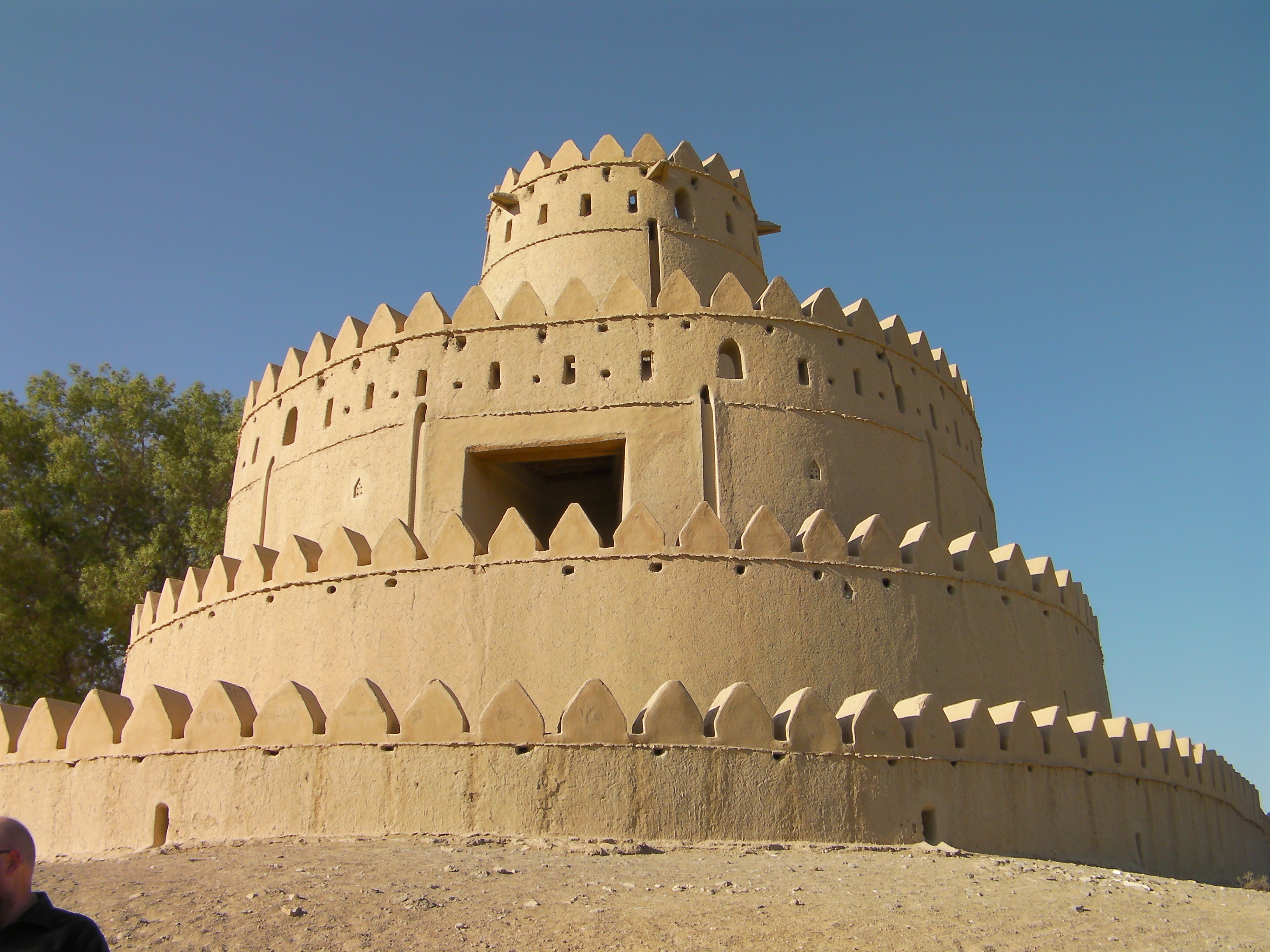
tower with four levels

This tower is eye catching.

Update: More information here.

h1

The Oldest Mosque in the UAE

February 25, 2012

Posted by Kanga.

small mosque at the base of a hill with a tower at the top of the hill

Bidya Mosque is the oldest mosque in the United Arab Emirates. We took a drive north up the coast to visit the mosque (and try out my new camera).

view into the mosque through the door

It’s a like the Tardis. It seems larger on the inside than on the outside.

view from the hill above the mosque, palm trees and hills in distance

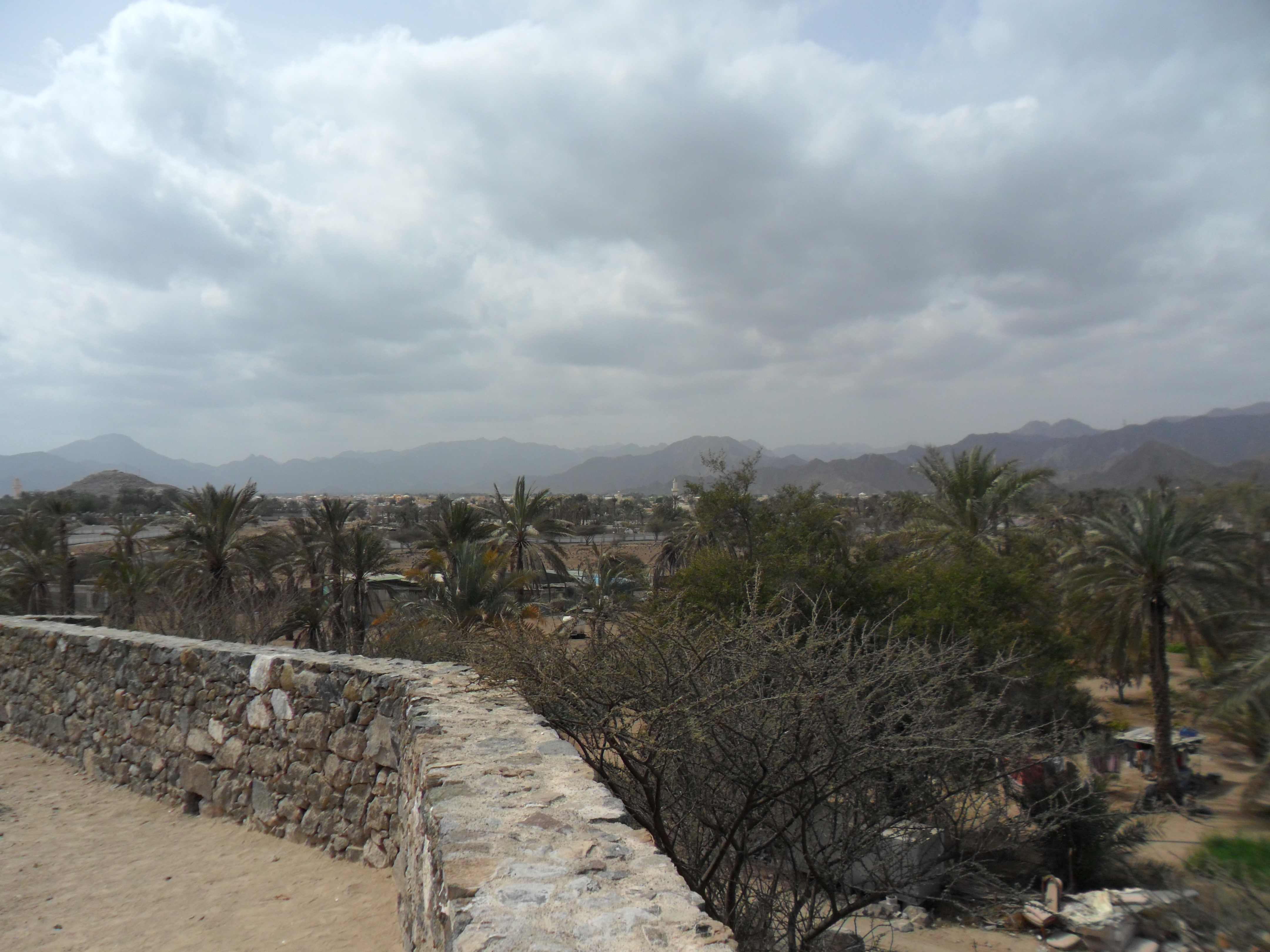
There are two towers on the hill above the mosque and a very beautiful view in all four directions.

More information about the mosque – click here.
More pictures – click here.

h1

Athens, Greece: Day Thirteen

December 29, 2011

Posted by Kanga.

golden lion head

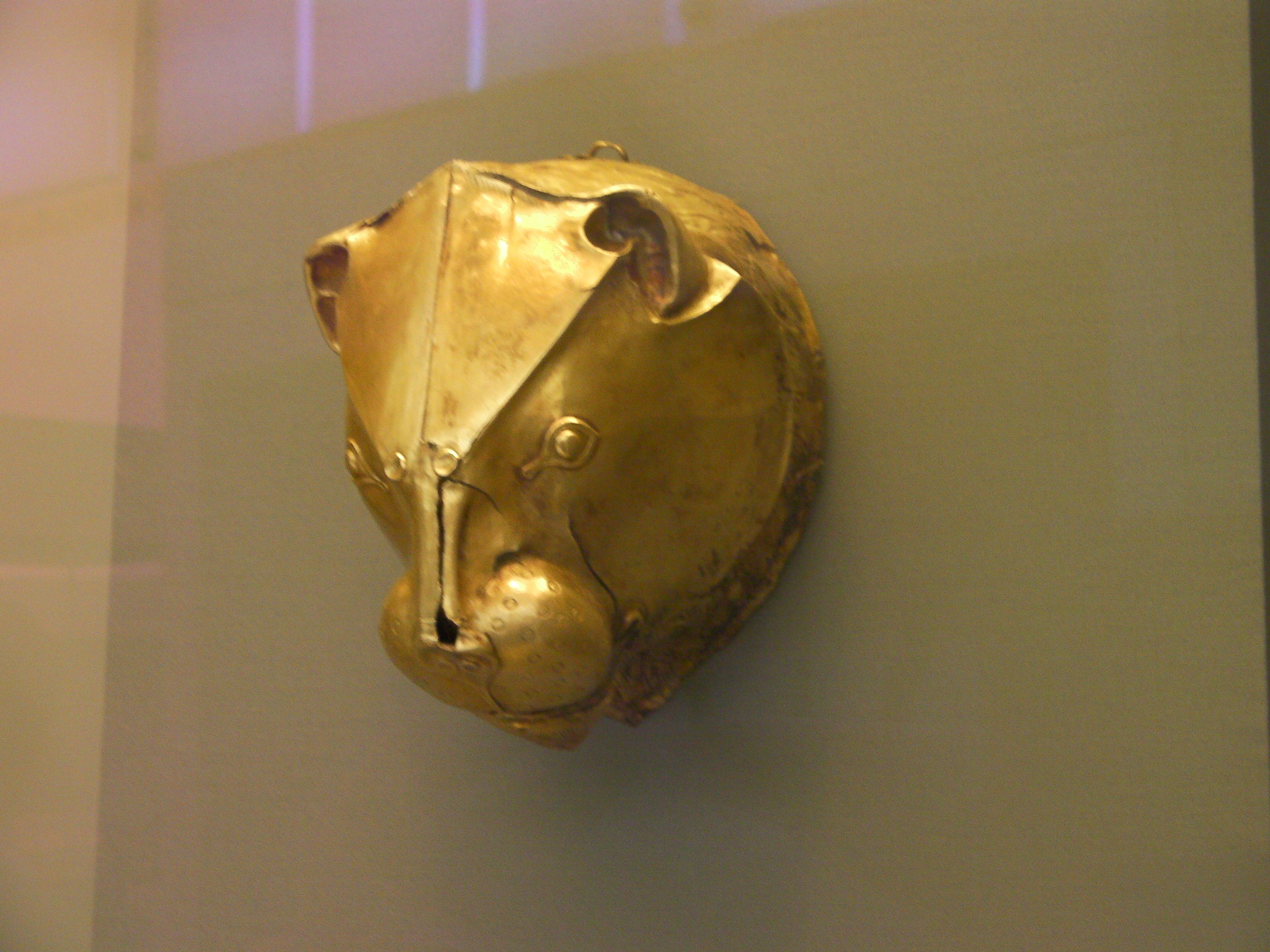
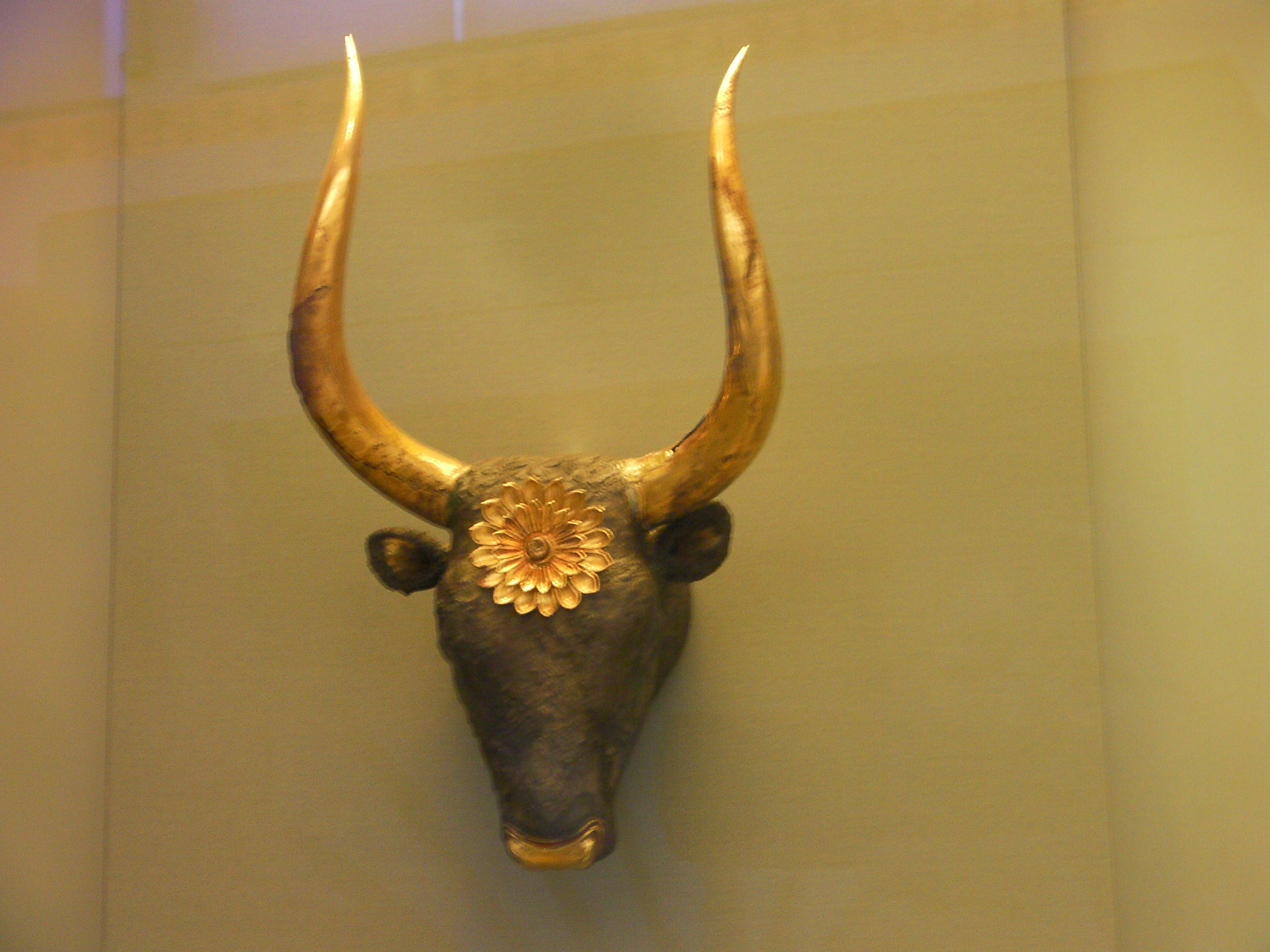
We finally got to the National Archaeological Museum during open hours. It is always interesting to see ancient artworks and how finely detailed they sometimes are. This lion and bull are from royal graves in Mycenae ca. 16th century B.C. (approximately 3500 years ago)

a long horn bull's head, golden horns, golden nose and a golden flower on it's forehead

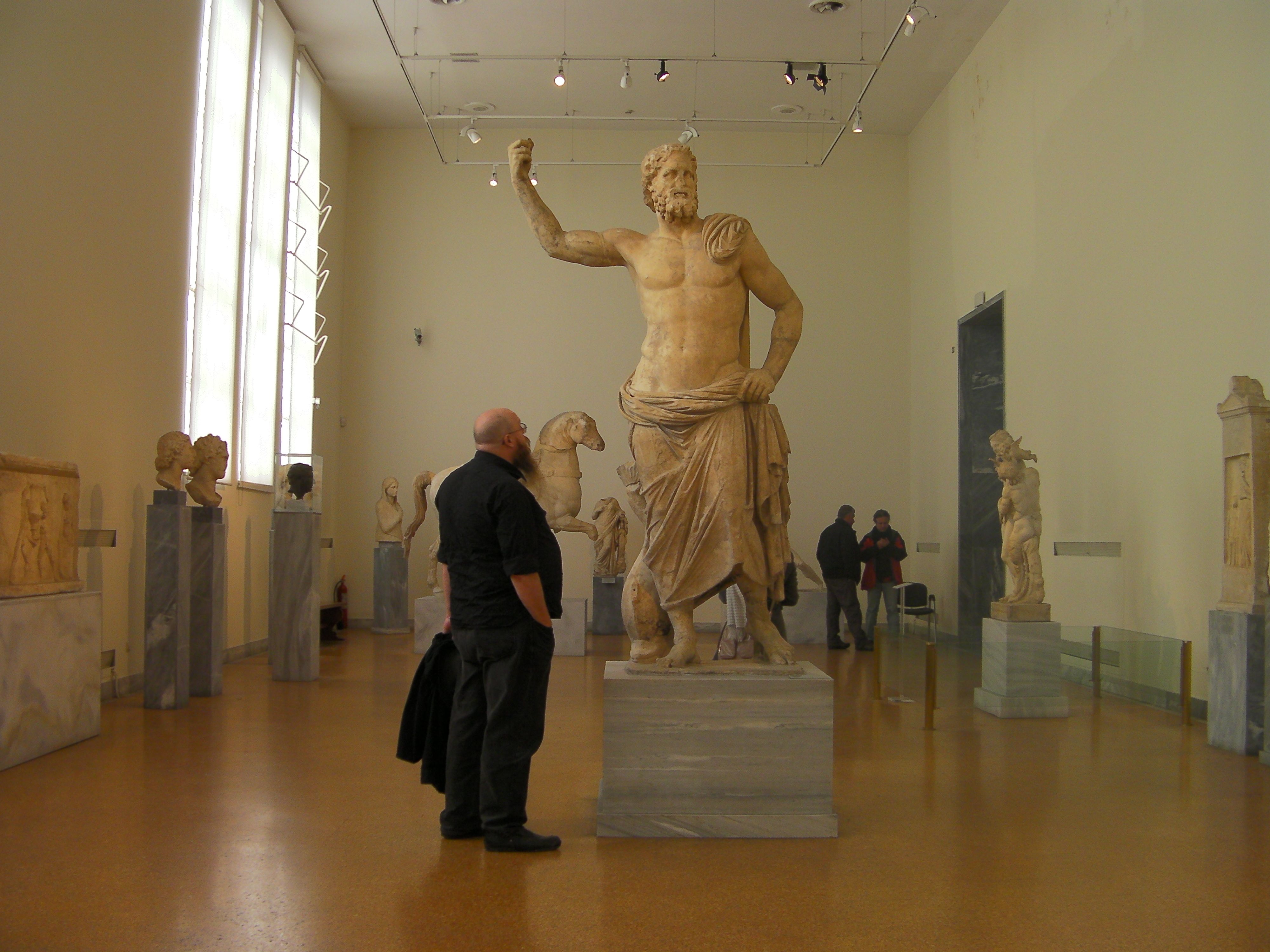
DaddyBird got to hang out with Poseidon.

large marble statue of the god of the sea

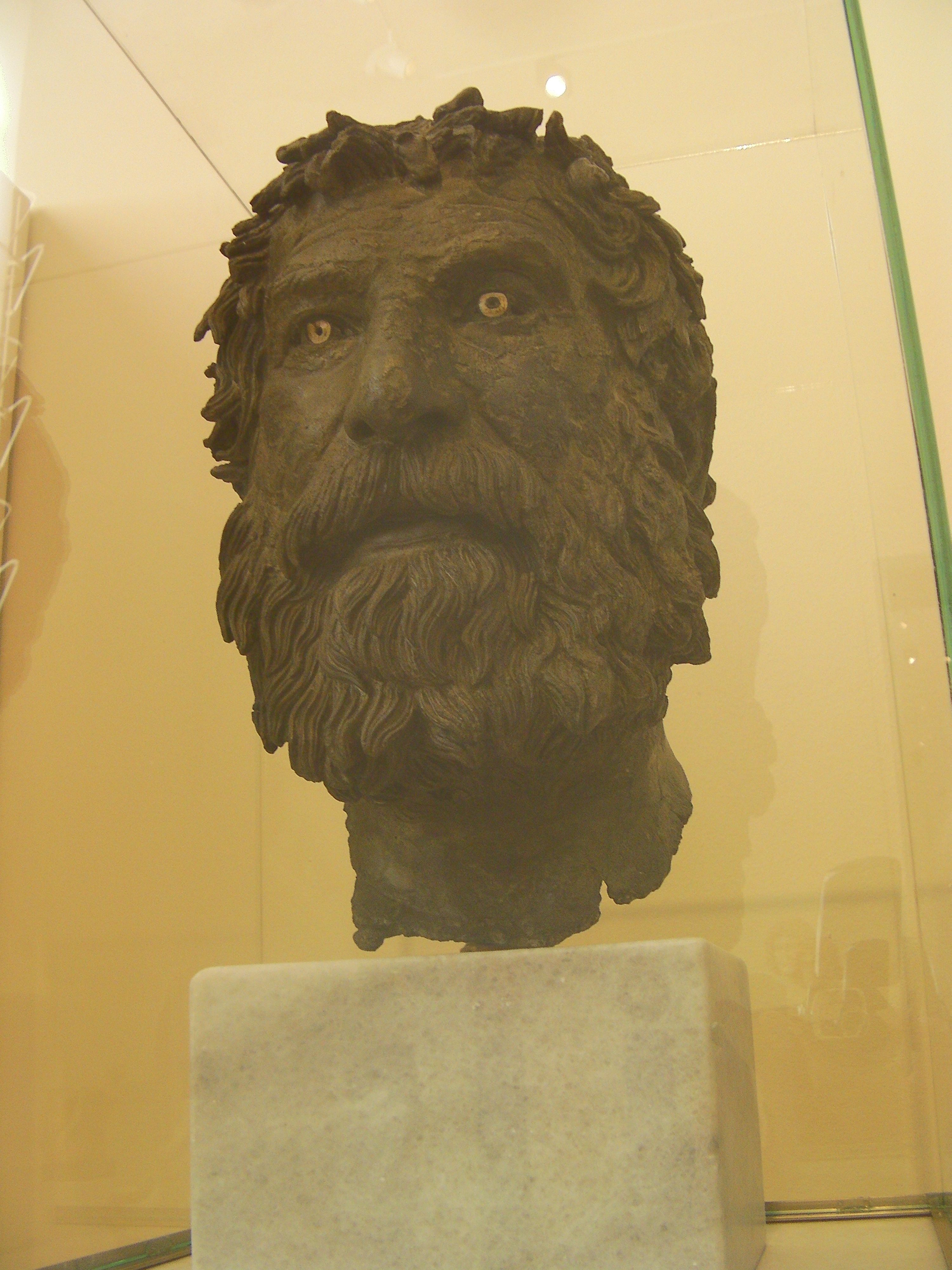
I found this fellow below compelling. This is part of a full size sculpture of a philosopher. He was found in a shipwreck. Only the bronze bits survived. Just imagine the artist spending numerous hours/days/weeks/months creating this, but before it can be installed in its intended display place, it goes down with the ship. If only the artist could know that over 2000 years later it would be one of the most photographed items in a museum. I sat and watched as others came through the doorway, saw him and immediately pulled out their cameras.

bronze sculpture of a bearded man's head

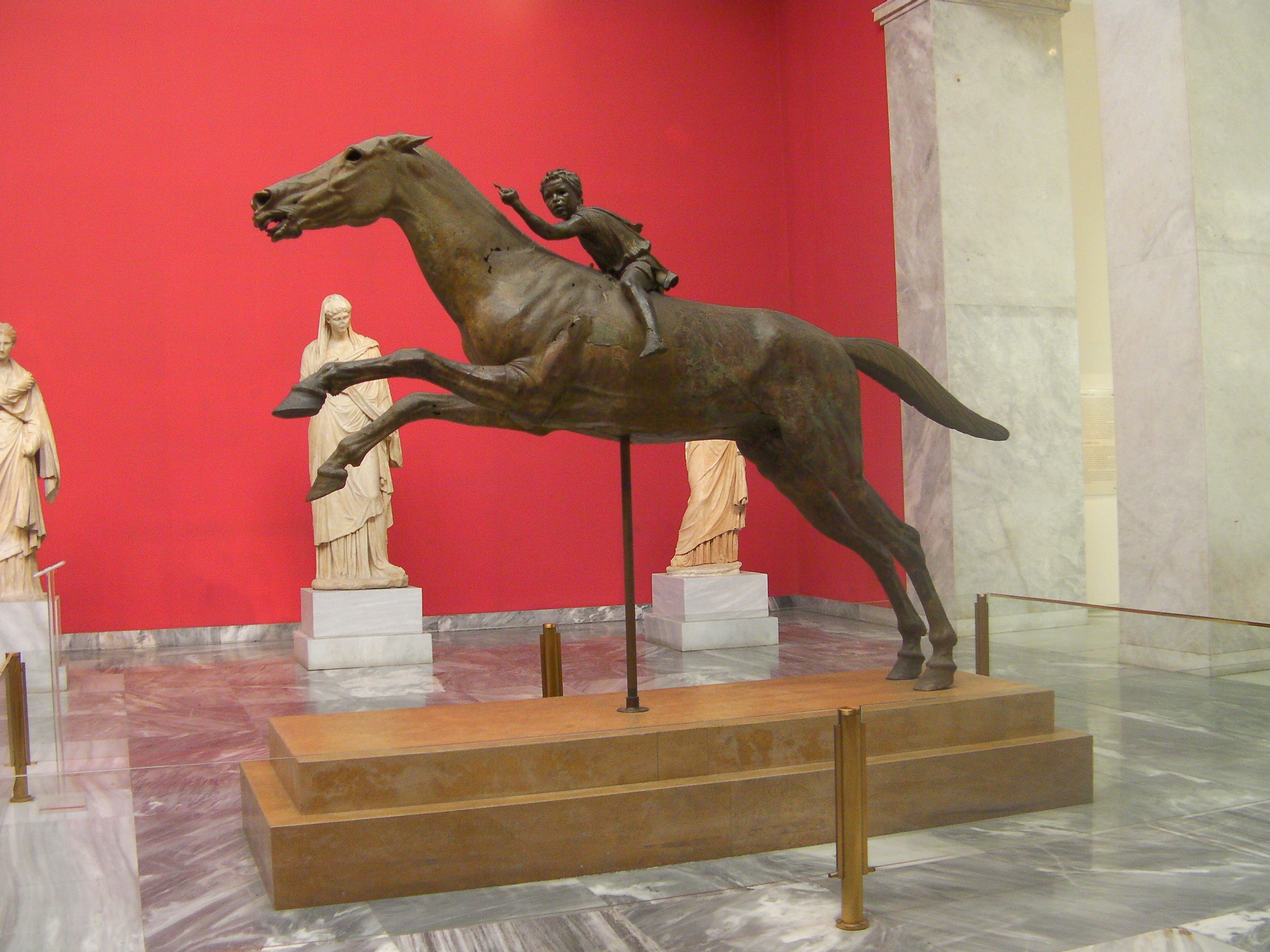
How many tries did it take to get a picture of this horse and rider without someone walking through the picture? At least four. It is a rather amazing piece.

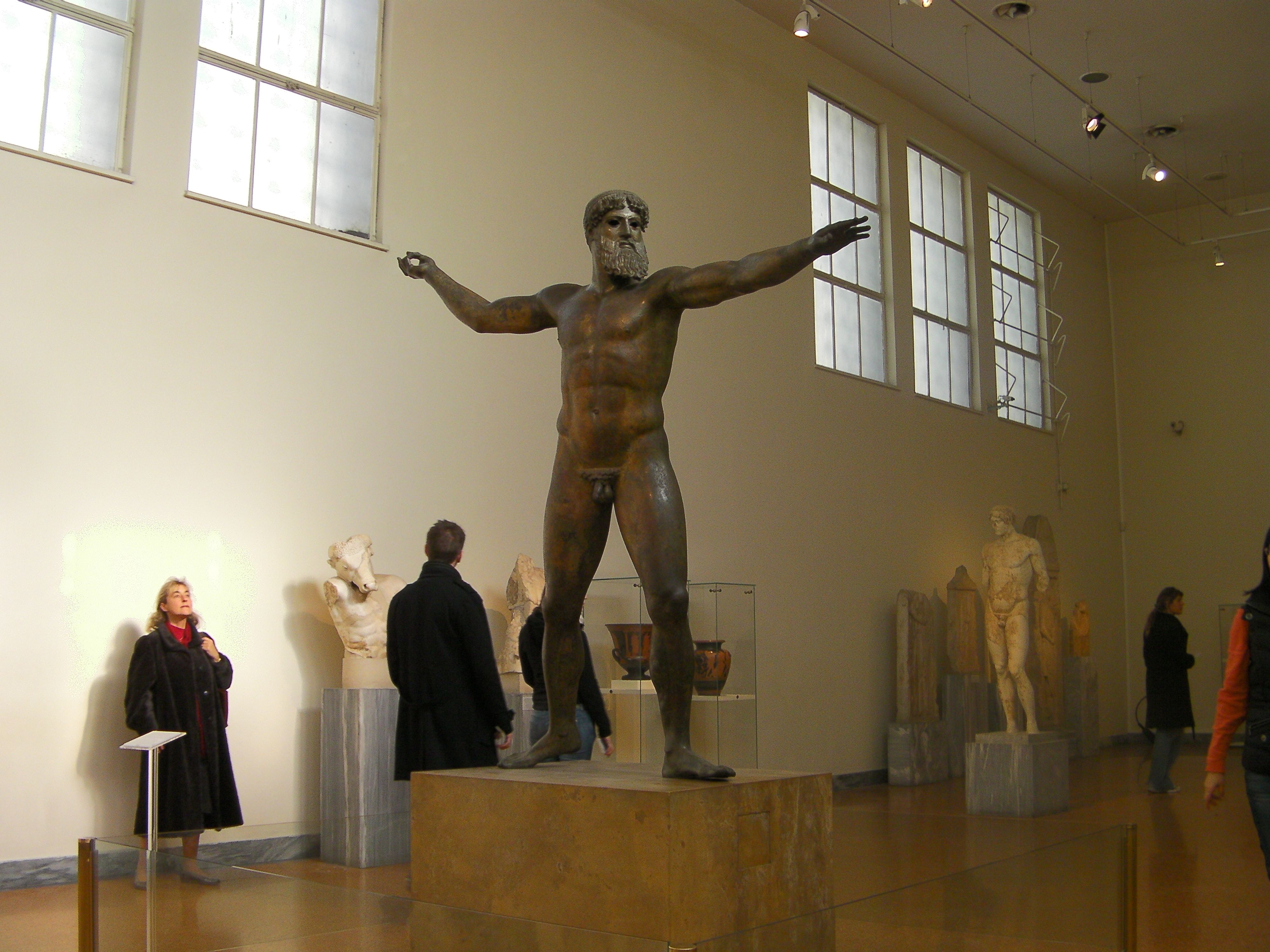
They don’t seem to be able to make up their mind whether this is Zeus throwing a lightning bolt or Poseidon throwing his trident. Since the weapon is missing, there is no clue.

large bronze sculpture of Zeus posed as if he is throwing a lightning bolt

The woman standing to the left was interesting to watch. She was almost floating around the room with a beatific look on her face.

To see the rest of the pictures, click here.

h1

Athens, Greece: Day Five

December 21, 2011

Posted by Kanga.

Day Five was actually spent indoors, resting. This involved sleeping late, Facebooking & Twittering, followed by napping. After my nap, I actually spent the rest of the day working (yes, working on my vacation) by selecting 213 books to order for my students and library.

So, for this entry, I am going to pull out some pictures from a previous day that I was saving because they deserve a post of their very own.

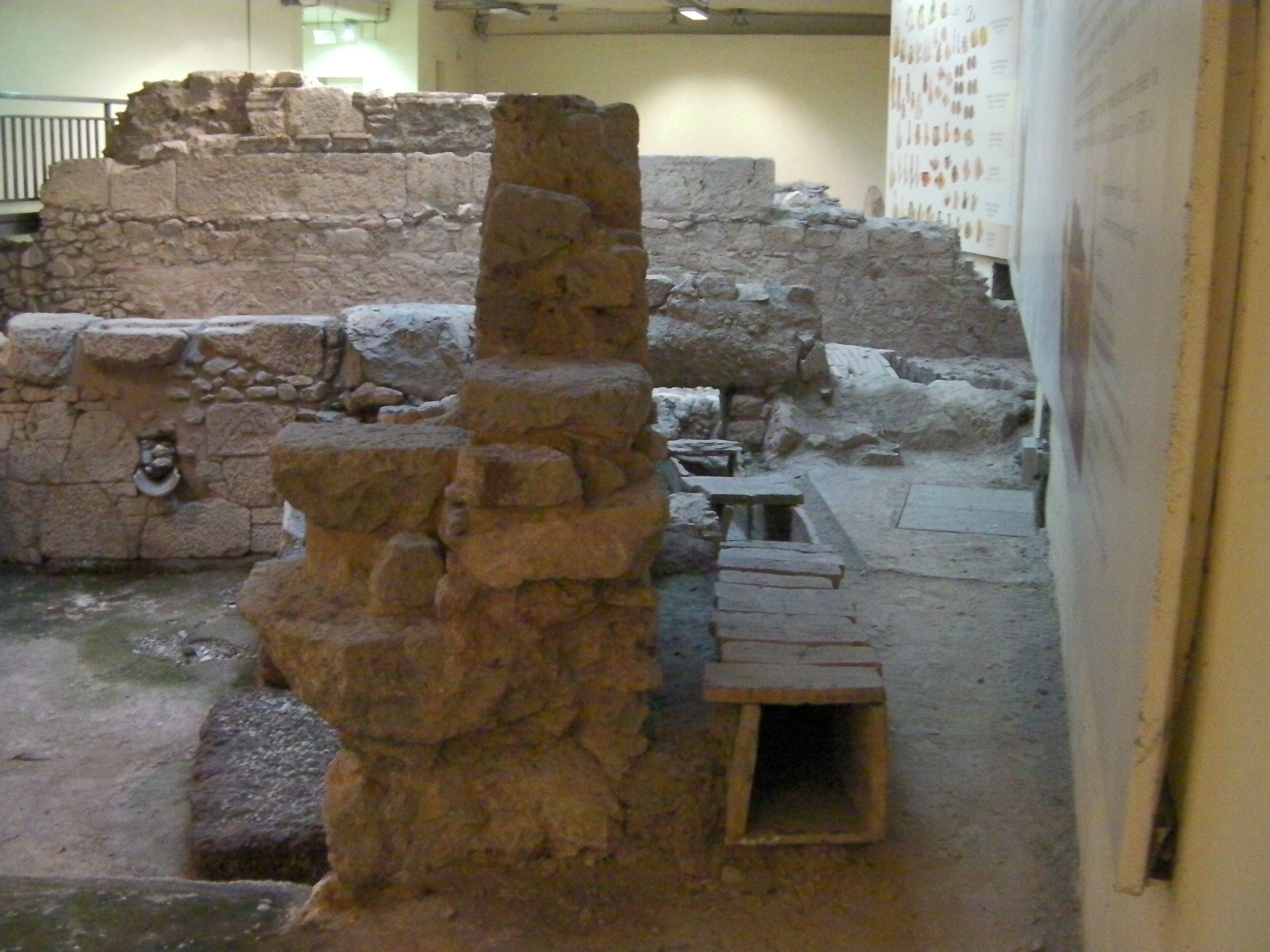
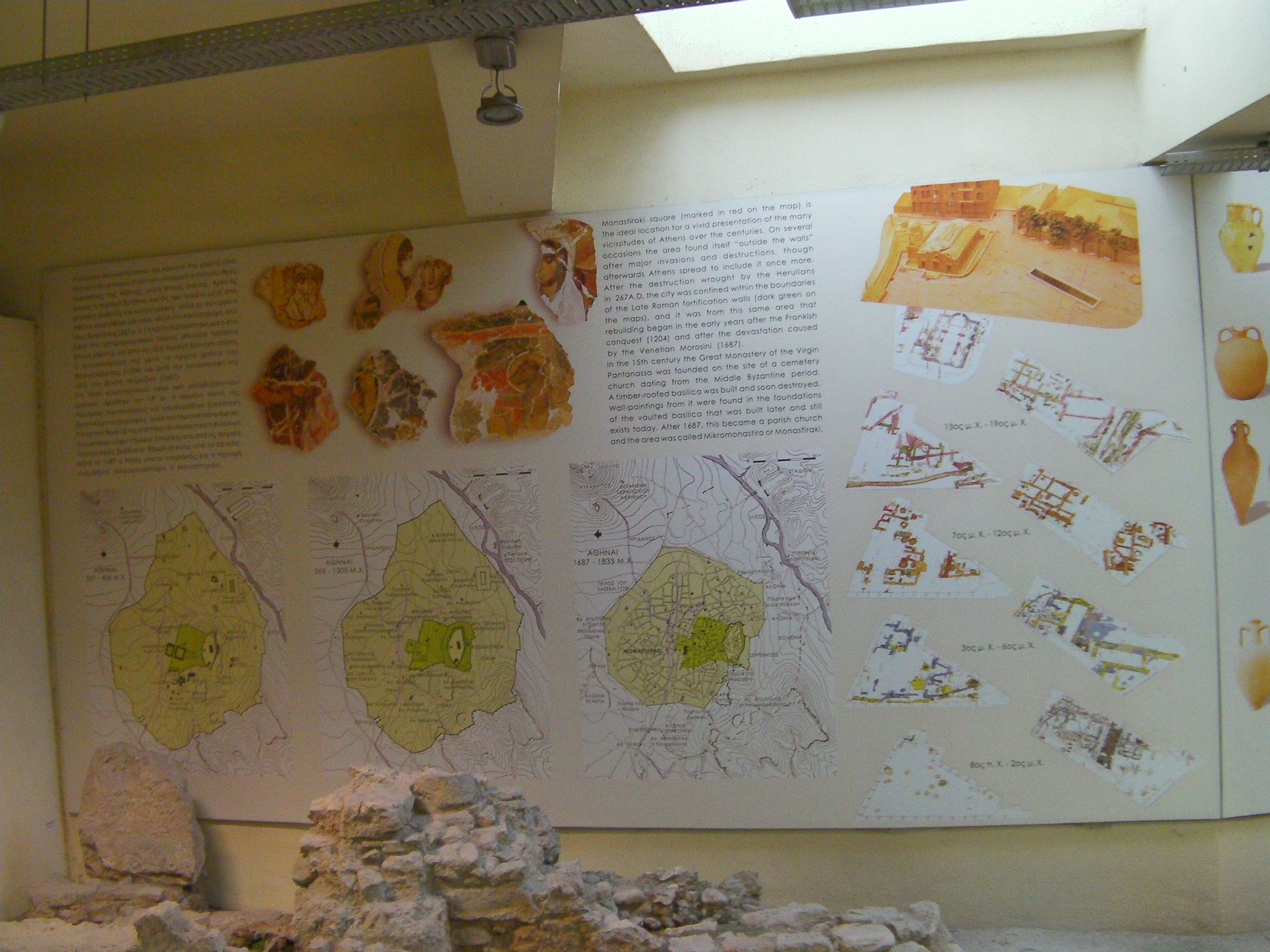
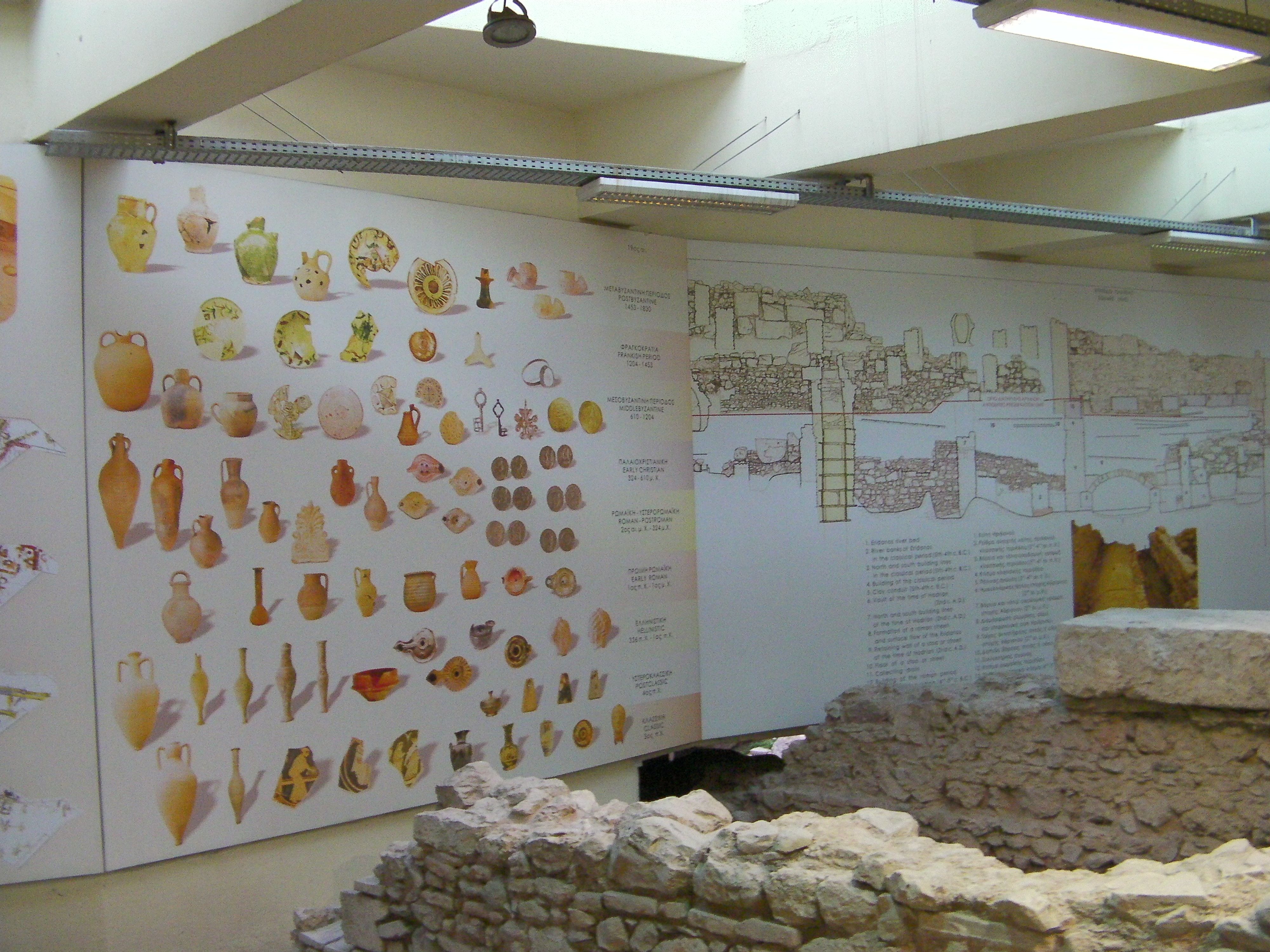
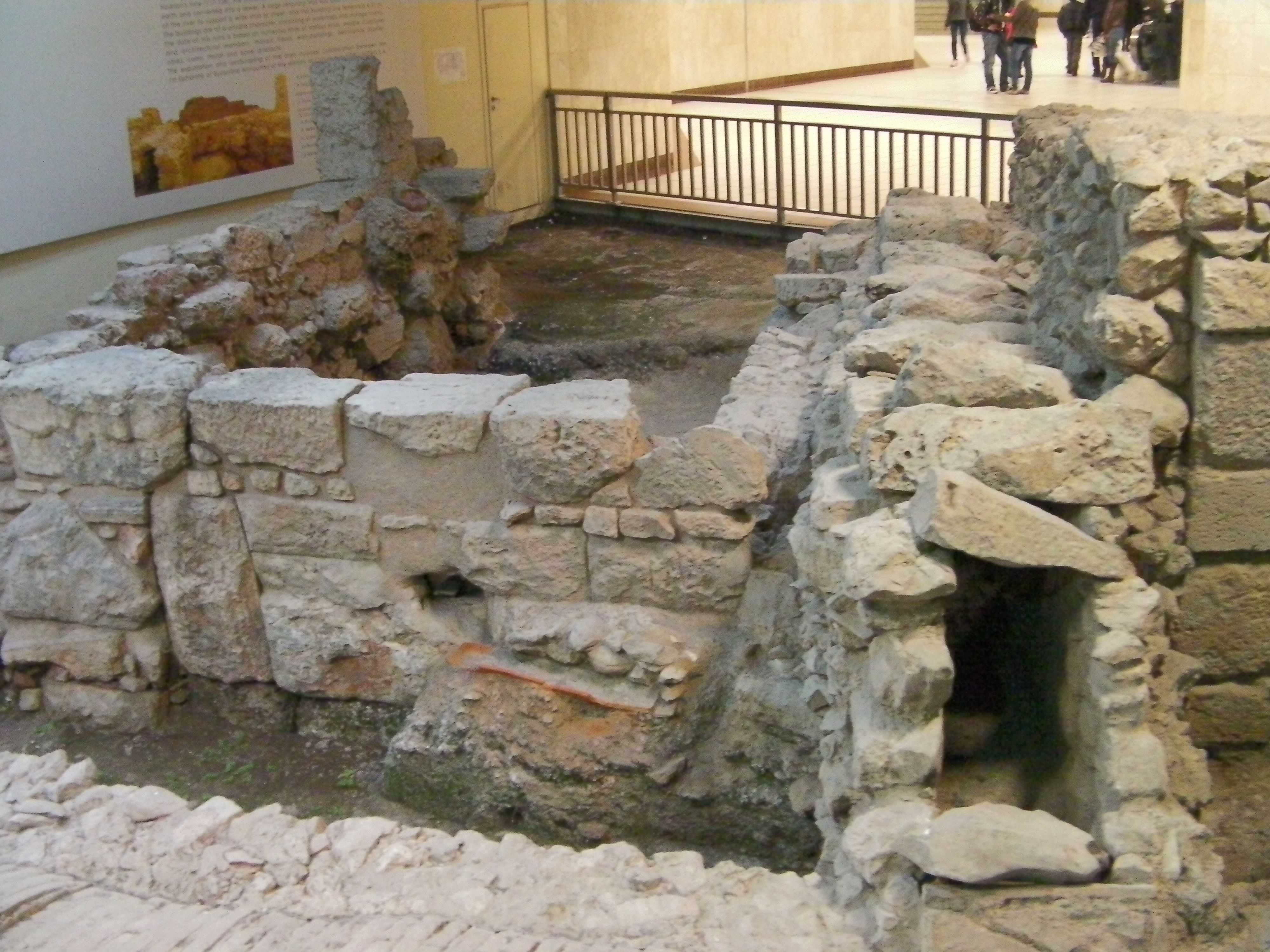
Several of the metro train stations also serve as museums due to the fact that one is hard pressed to dig a hole here and not hit antiquity. Monastiraki is one such station with the following preserved site.

ancient ruins preserved in the train stationThrough the center flows a ancient waterway, the River Eridanos (not very big, what we call, back home, a creek). The structures here are a combination of building walls and water ducts connecting to this “river”. The natural waterway was covered over with a brick ceiling and the ducts shown here connect to it turning it into a sewer.

signage explaining the ancient site

Good quality, bilingual signage explains the history of the area and shows some of the artifacts found.

more signage showing artifacts found

stone wall and water duct

The ceiling over the waterway is shown in the lower left of the above picture.

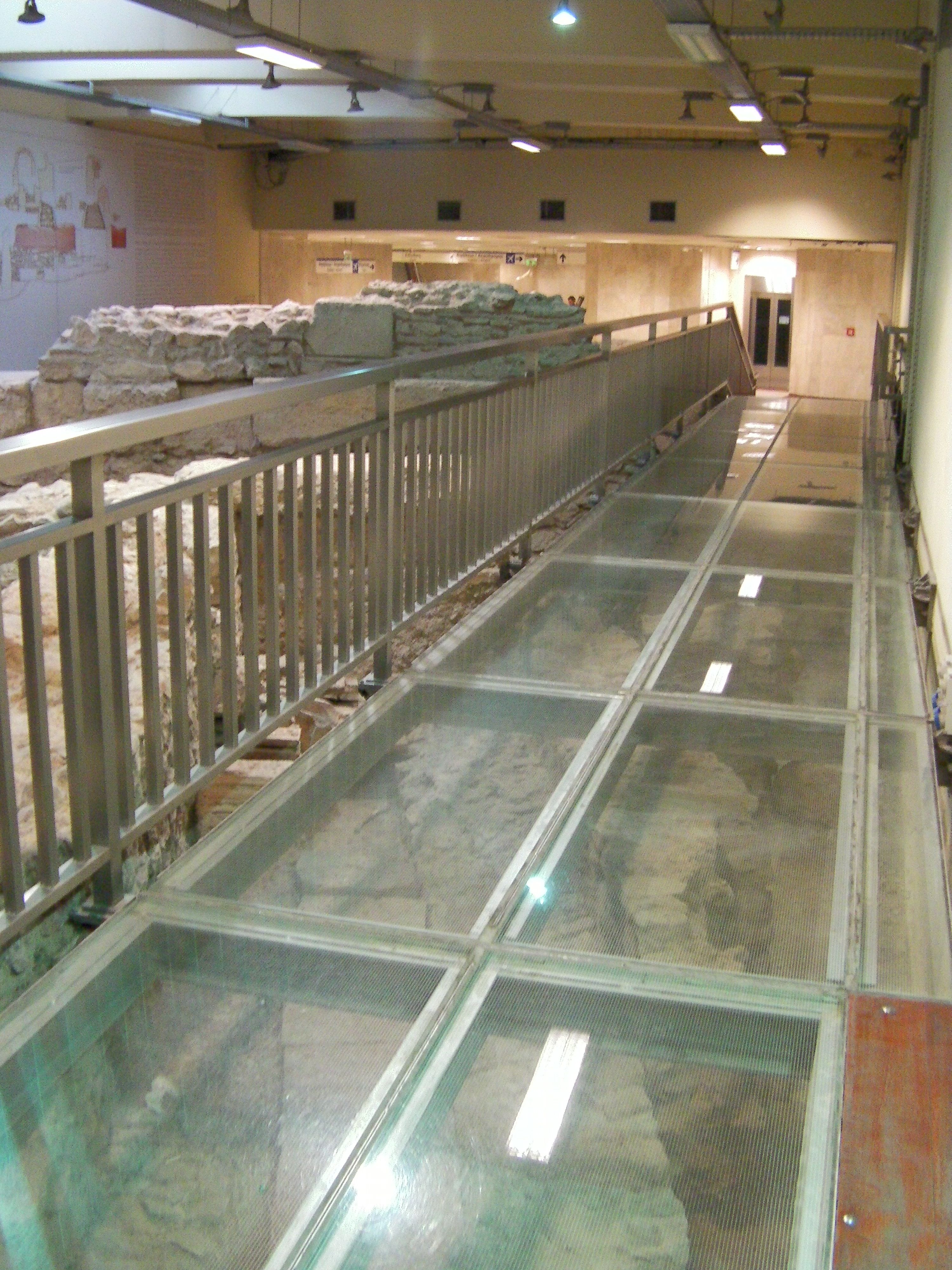
plasti-glass walkway over the ruins

There is a plexi-glass walkway allowing one to get a very good, close view without causing any damage. Very nice.